LITB 4) Sign Language and Bilingualism Flashcards
 Call Kai
 Learn
Learn Practice Test
 Spaced Repetition
 Match
Match Flashcards
 Knowt Play
1/32

Earn XP
Description and Tags
These flashcards cover key terminology from lectures on sign language structure, neurobiology of signing, definitions of bilingualism, and the cognitive/structural impacts of bilingualism on the brain.
Name | Mastery | Learn | Test | Matching | Spaced | Call with Kai |
|---|
No analytics yet
Send a link to your students to track their progress
33 Terms
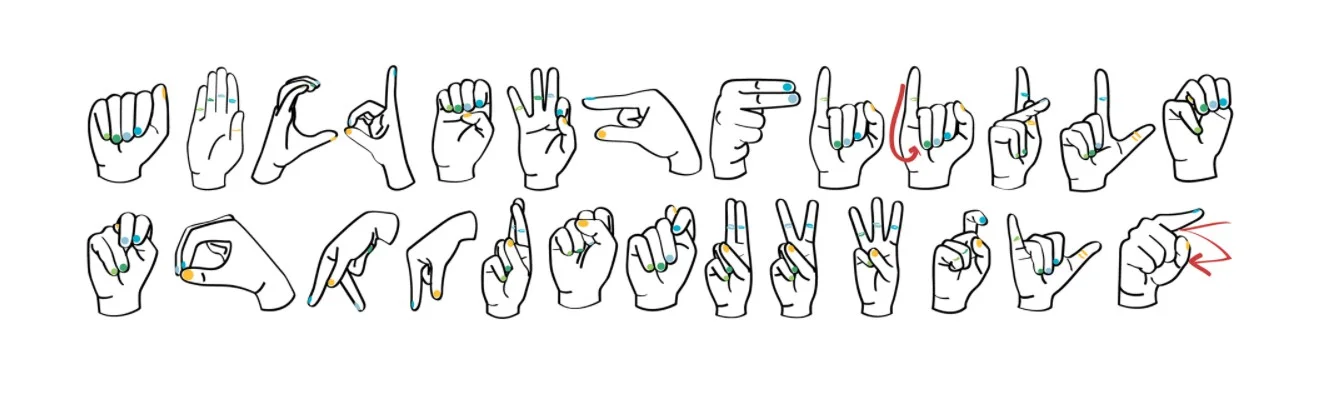
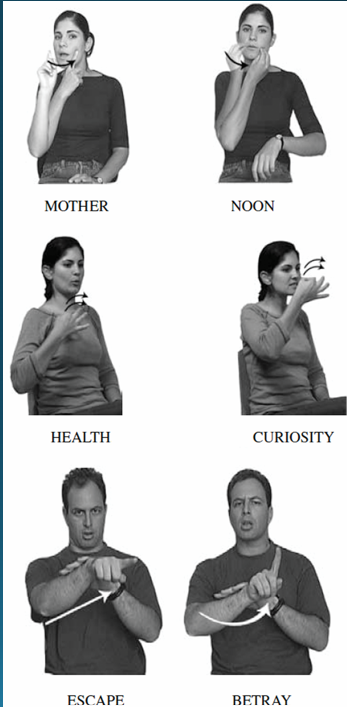
Cheremes
A dated term for phonemes within sign languages, which can be broken down into specific parameters.
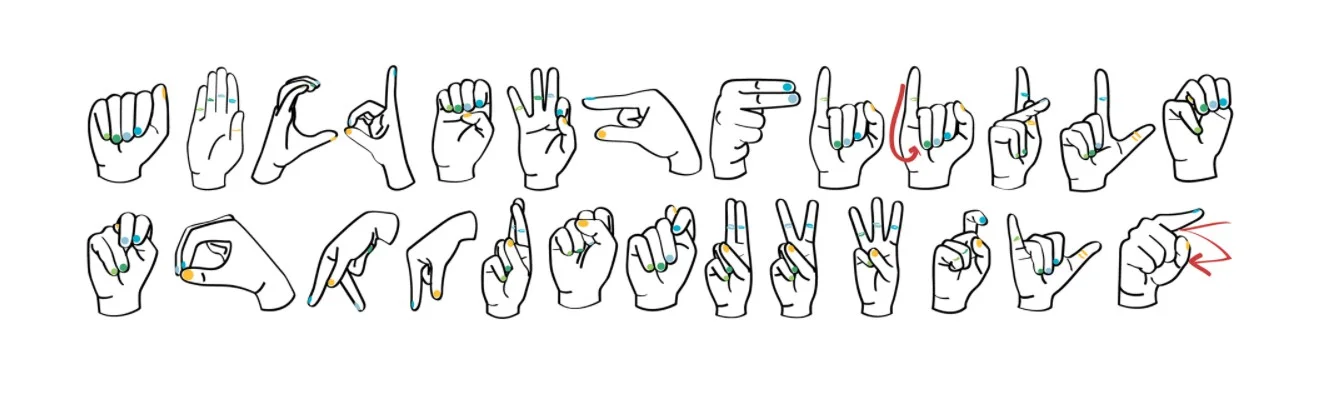
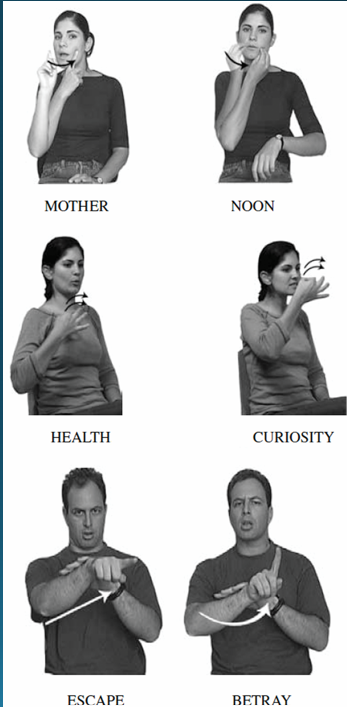
Parameters of Sign Language
The three major components of sign language phonology, which include handshape, location, and movement.
Broca's Aphasia (Signing)
A condition resulting from a lesion in Broca's area where signers become non-fluent but retain spared comprehension.
Wernicke's Aphasia (Signing)
A condition resulting from a lesion in Wernicke's area where signers demonstrate impaired comprehension and fluent but incoherent sign production or 'non-signs'.
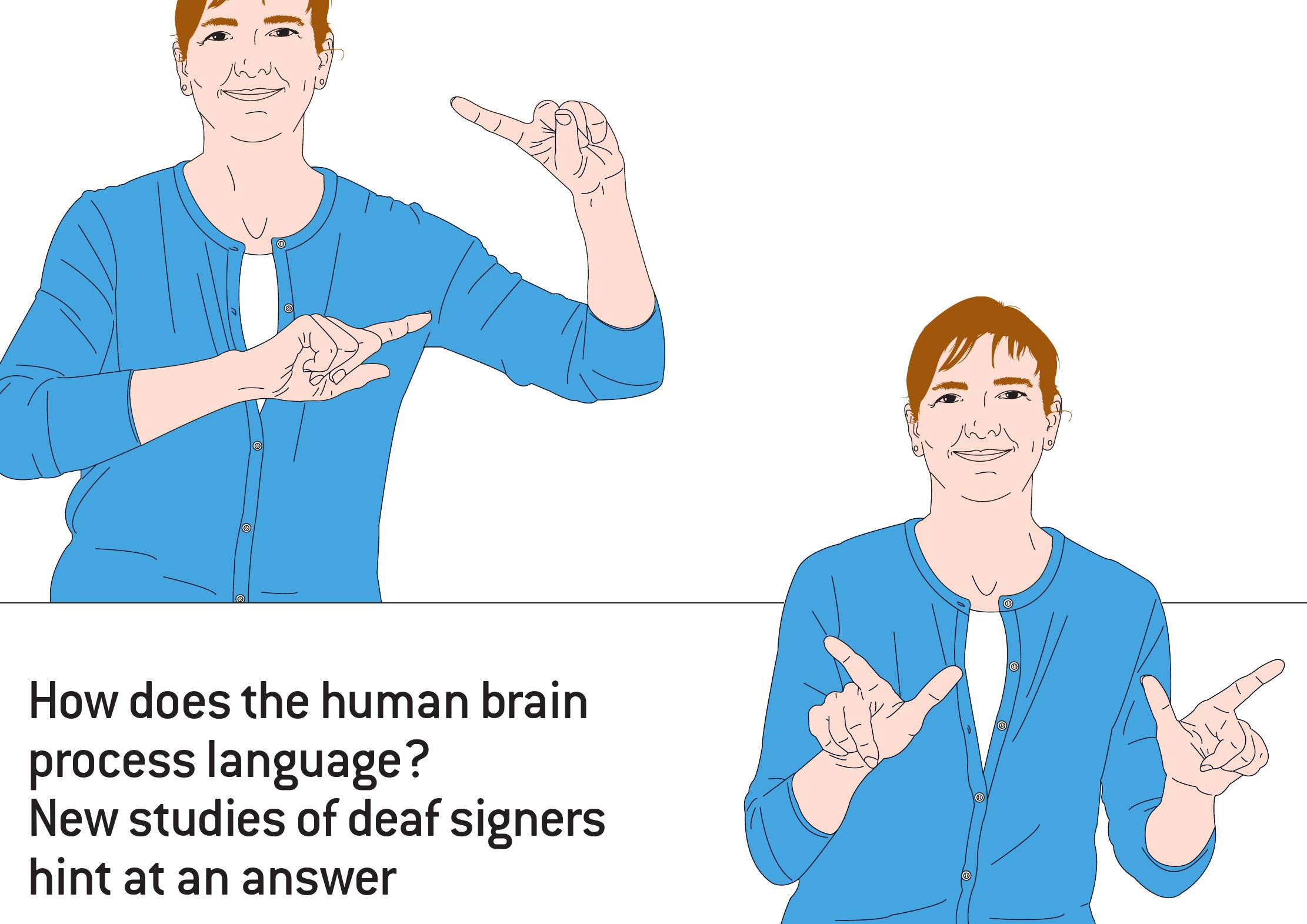
Left Lateralisation (Sign Language)
The finding by Hickok et al. (1996) that sign language processing is primarily situated in the left hemisphere for linguistic tasks.
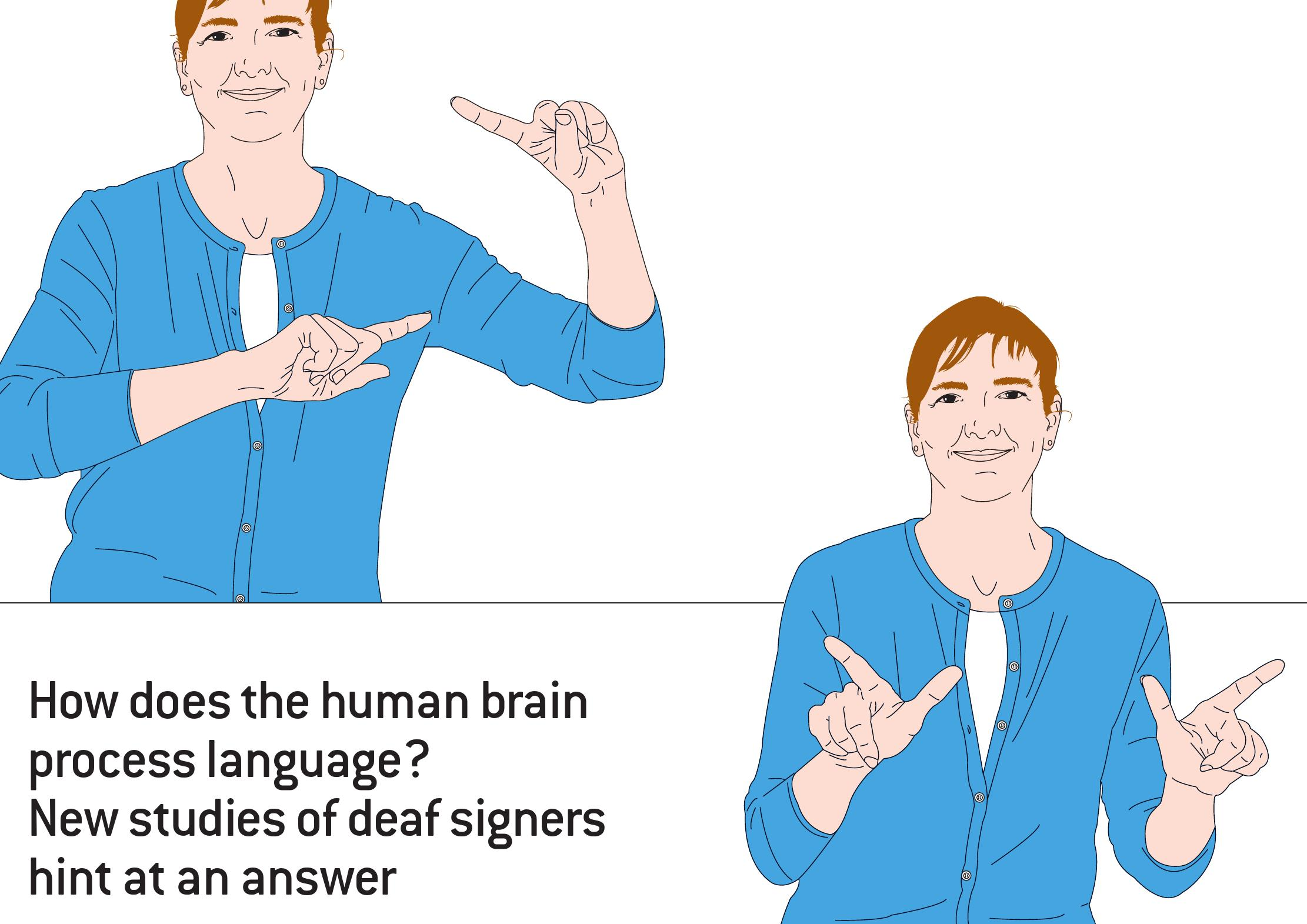
Bimodal Bilingualism
The unique features associated with an individual speaking two languages that exist in two different modalities, such as a spoken and a signed language.
Code-blending
The simultaneous production of a spoken word and a sign, where lexical information from two languages is automatically integrated without cognitive cost.
Early Bilinguals
Individuals who acquired their second language (L2) before the age of approximately ∼3.
Late Bilinguals
Individuals who acquired their second language (L2) after the age of approximately ∼6.
Simultaneous Bilinguals
People who acquire two native languages (L1s) at the same time.
Sequential/Successive Bilinguals
Individuals who learn one language after the established development of their first language.

Bidialectalism
The use of two different varieties or dialects of the same language.

Diglossia
A situation where two varieties of a language exist side by side in a community, with each assigned a definite social role.
Typological Similarity
The structural relatedness between a first language (L1) and a second language (L2), such as shared word order rules.
Orthographic Correspondence
The degree to which graphemes consistently correspond to the same phonemes across different languages.
Heritage Language
An individual's first language (L1) that may weaken over time as the language of the environment becomes dominant with another language.
Complementarity Principle
Grosjean's (1997) principle stating that bilinguals use their languages for distinct purposes, in different life domains, and with different people.
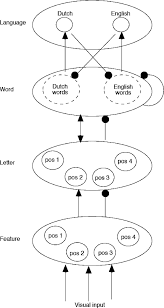
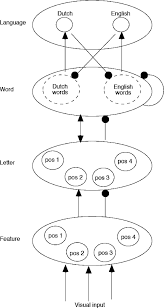
Bilingual Interactive Activation+ (BIA+)
A model for word recognition that incorporates 'language nodes' to manage cross-linguistic activation.
Selective Recovery
A pattern in bilingual aphasia where only one of the patient's languages is recovered. It also means the mechanism used for the selection of lanuages is impaired.
Differential Recovery
A pattern in bilingual aphasia where both languages are recovered but at different rates.
Simon Effect
The difference in reaction time between incompatible and compatible trials, used to measure executive function efficiency.
Cognitive Reserve
A protective effect against cognitive decline and neurodegeneration in older age, often enhanced by lifelong bilingualism.
Voxel-based morphometry (VBM)
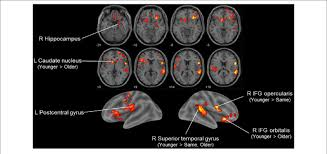
An MRI technique used by Mechelli et al. (2004) to show that bilinguals have higher gray matter density correlating with proficiency and AoA.
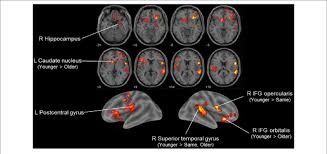
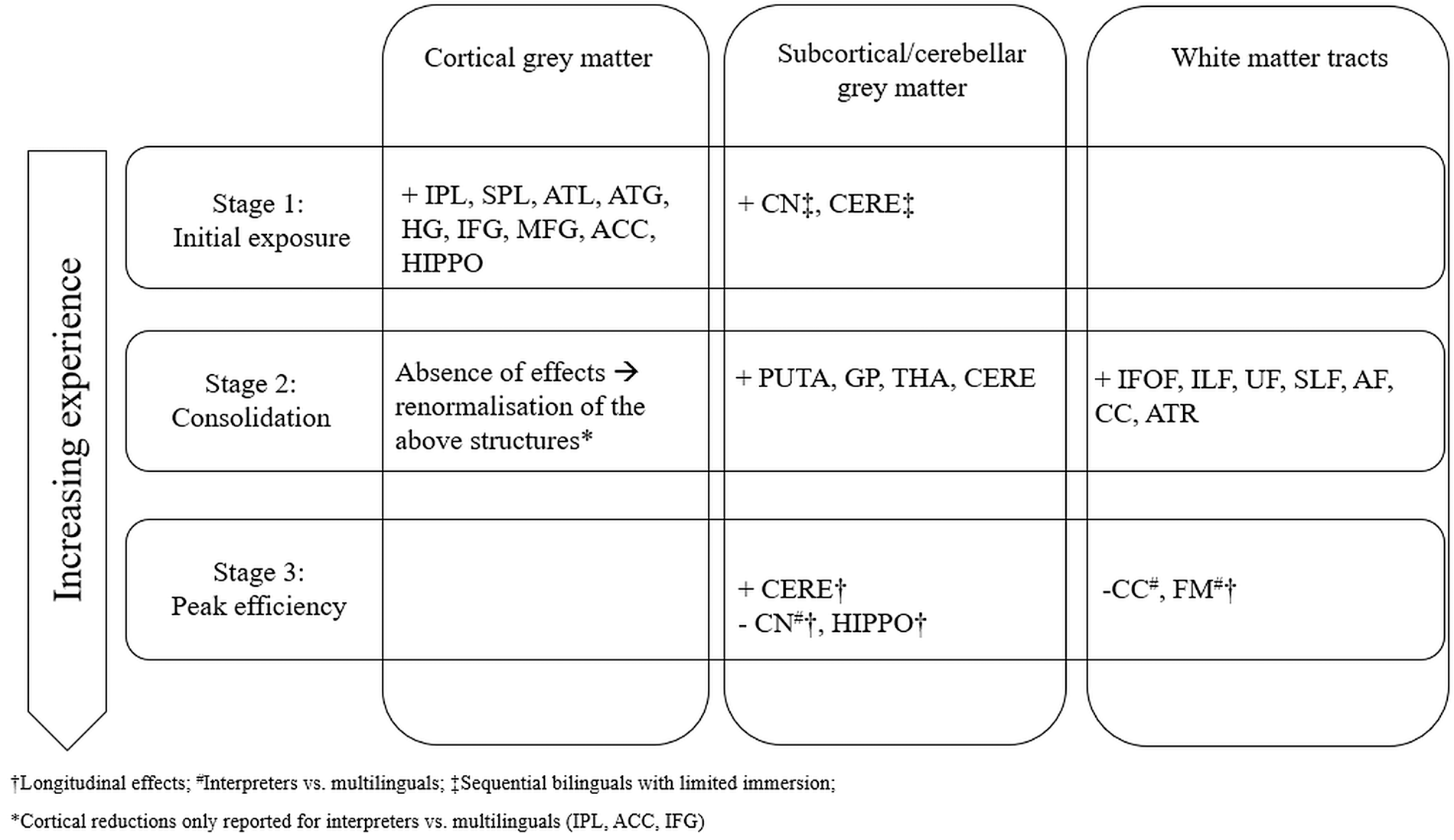
Dynamic Restructuring Model
A model proposed by Pliatsikas (2020) describing structural changes in the brain, such as the volume of the caudate nucleus, due to language learning.

Case of Genie
Case of severe abuse and neglect: Confined in the basement of her house for the first 13 years of her life. Minimal contact with humans. When discovered, she had no language skills. After being discovered, she learned some language and vocabulary, but at very low levels.

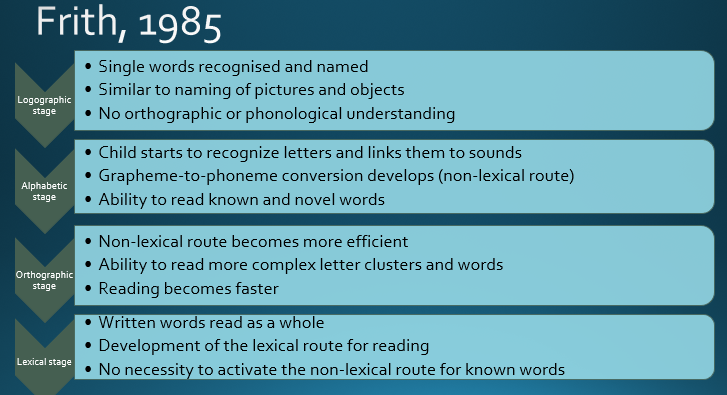
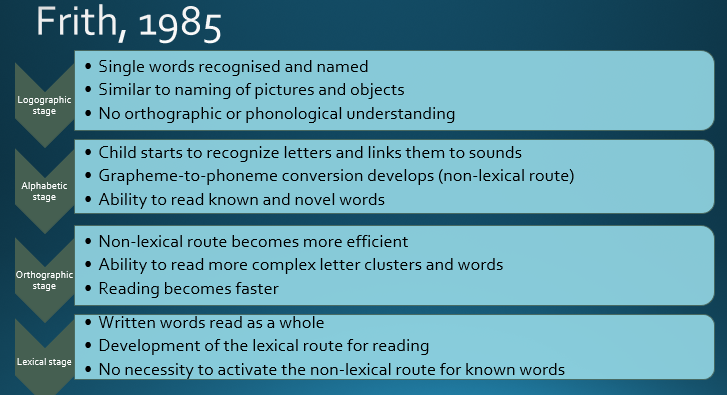
Frith model (1985)
A theoretical framework explaining how reading is processed in the brain, highlighting four key stages: logographic, alphabetic, orthographic, and lexical stages.
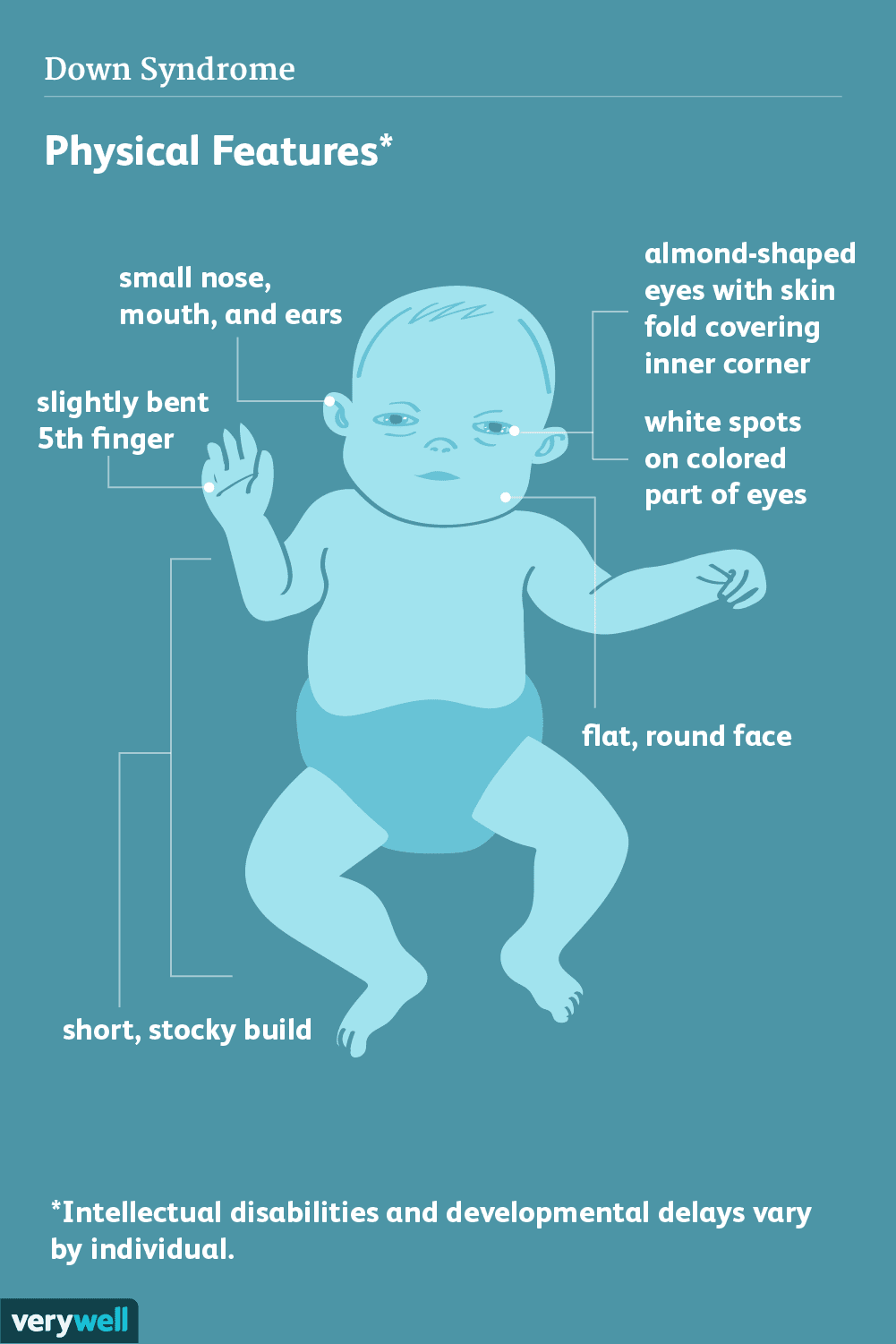
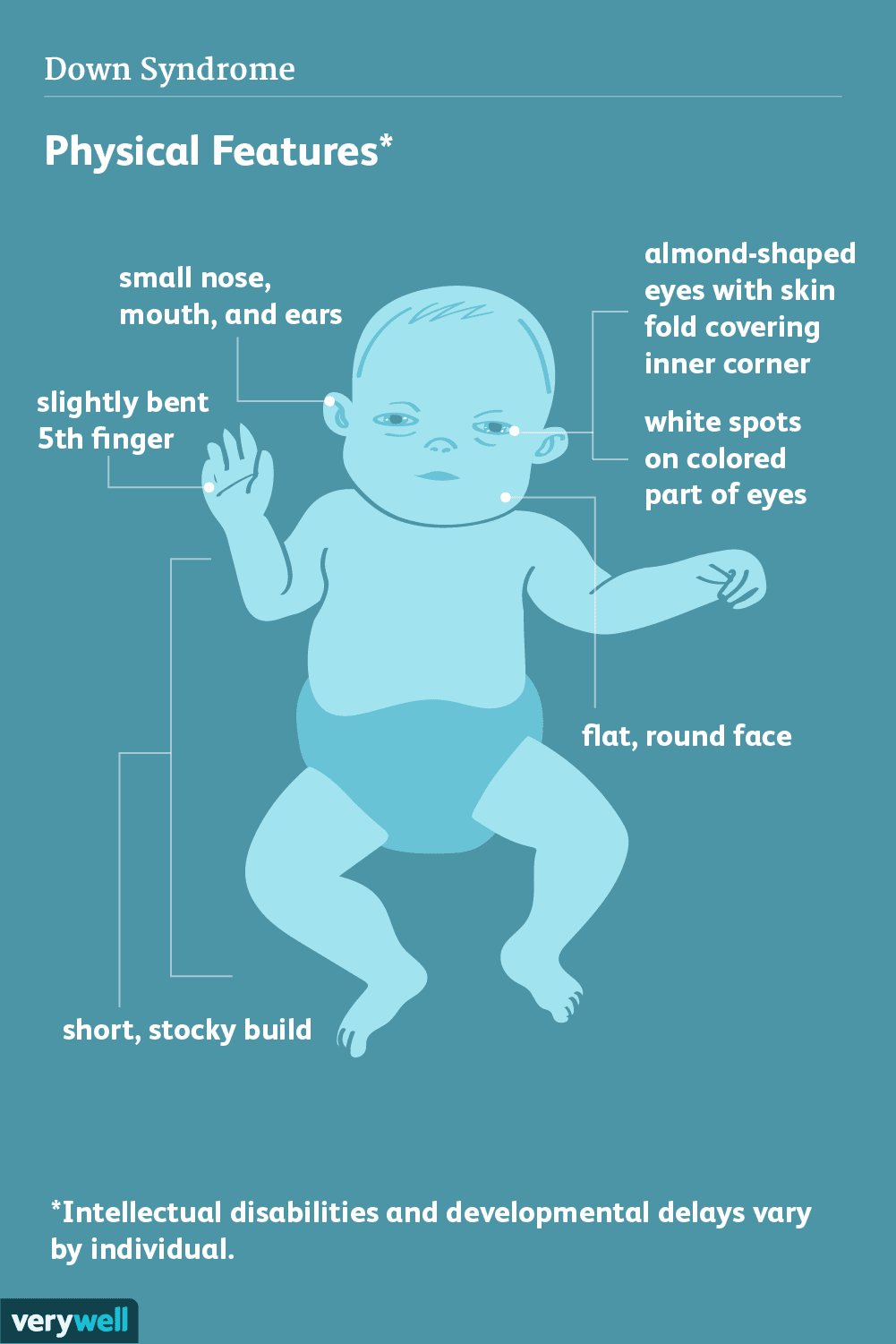
Down Syndrome
A genetic disorder caused by the presence of an extra chromosome 21, leading to physical and intellectual disabilities. DS can affect general cognitive development as well as language development.
Williams syndrome
A genetic condition caused by the deletion of genetic material on chromosome 7, characterised by developmental delays, cognitive challenges, and distinctive personality traits, including strong social skills and empathy. Also uneven cognitive and linguistic development. Language appears ‘normal’ for the respective age although this has been disputed.
Gray Area
The period between ages 3 and 6 is considered a transitional or gray area in bilingual classification.
Age of acquisition (AoA)
The chronological age at which a person begins learning their second language.
Pliatsikas et al. (2014)
Found the same brain network activated for past-tense rules in highly proficient L1 and L2 English speakers.
Code switching
This is the common practice of switching between languages, grammar, and phonologies during a single conversation. Reasons include lack of a specific word or failures in the attentional system.
Bilingual Aphasia
A type of language impairment that affects bilingual individuals, leading to difficulties in using one or both of their languages. It typically results from brain injury or stroke.