Gestalt Principles
 Call Kai
 Learn
Learn Practice Test
 Spaced Repetition
 Match
Match Flashcards
 Knowt Play
1/12

There's no tags or description
Looks like no tags are added yet.
Name | Mastery | Learn | Test | Matching | Spaced | Call with Kai |
|---|
No analytics yet
Send a link to your students to track their progress
13 Terms
Figure ground principle
When an image can be seen in more than one way because the figure and background compete for attention.

Proximity
Objectd or shapes that are close to one another appear to form groups.
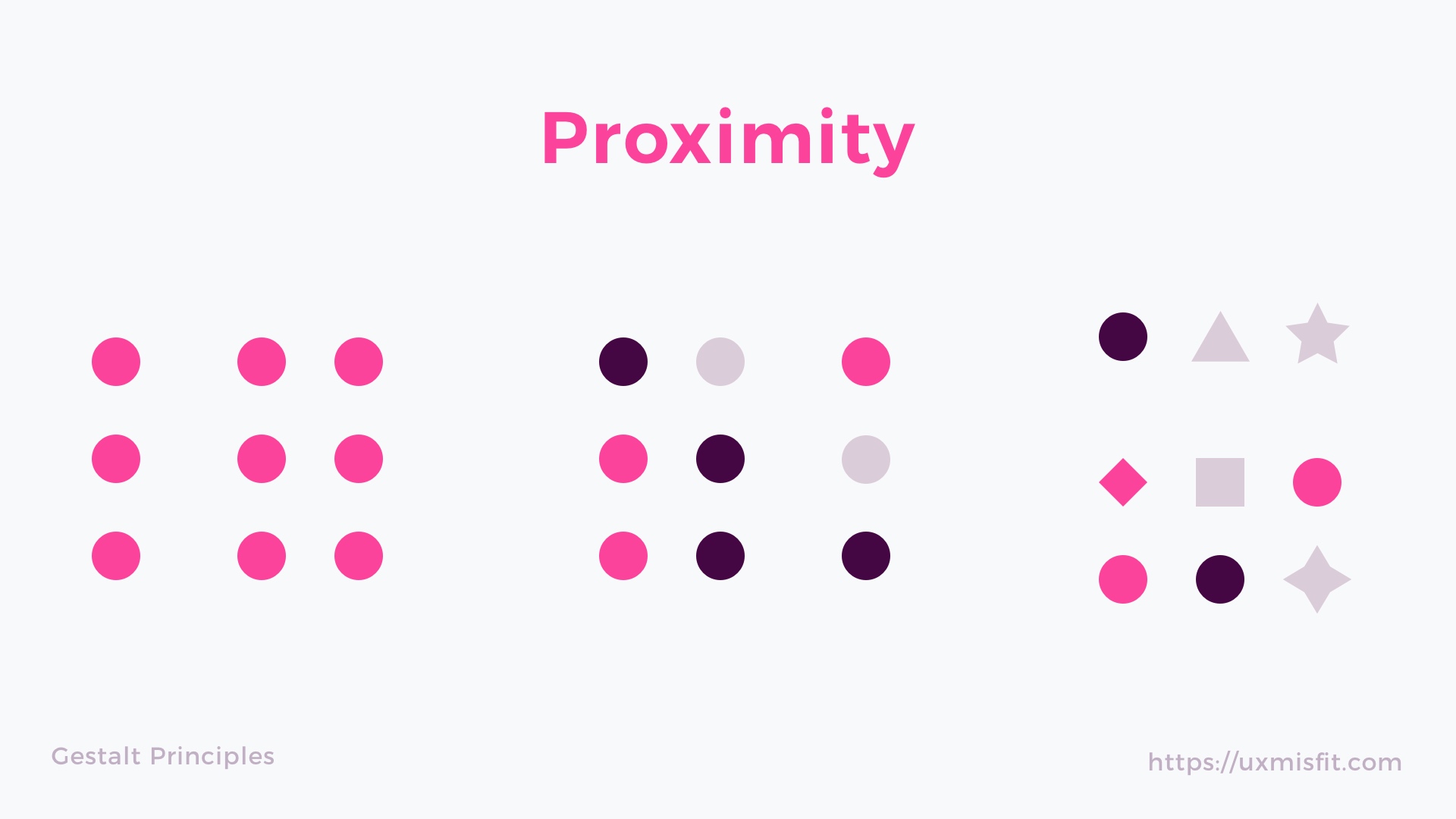
Anomaly
When similarity occurs, an object can be emphasized if it is dissimilar to the others.
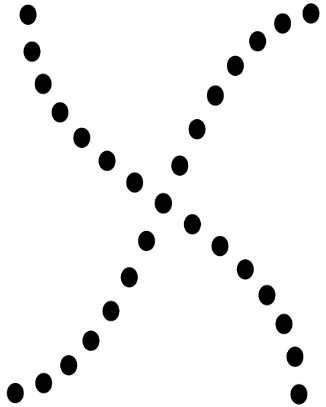
Continuity
When our eyes naturally follow lines or paths and see them as continuing smoothly, even if it’s interrupted.
Similarity
Objects or shapes that are similar to one another appear to form groups
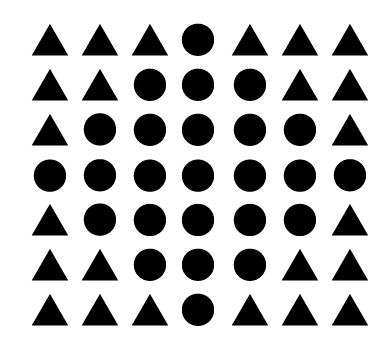
Closure
Our brain fills the missing parts of an image to make it look complete.

Pragnanz
Our brains prefer to see things in the simplest, most organised way possible.

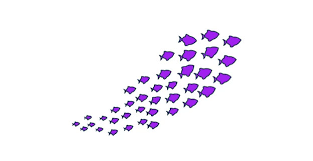
Common fate
Objects that move in the same direction are seen as belonging together.C
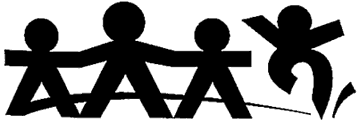
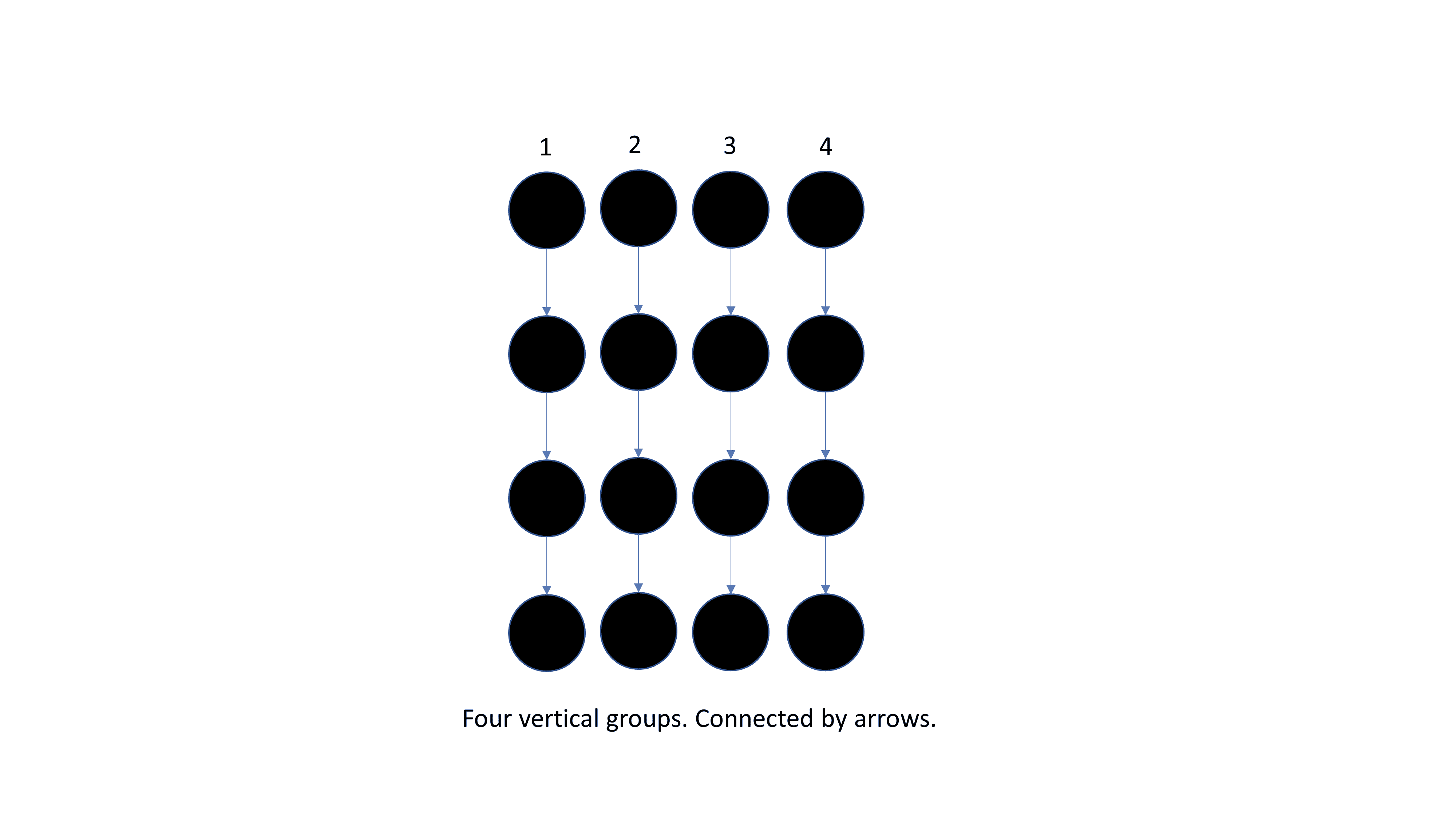
Connection
When objects are physically connected and perceive them to be in groups
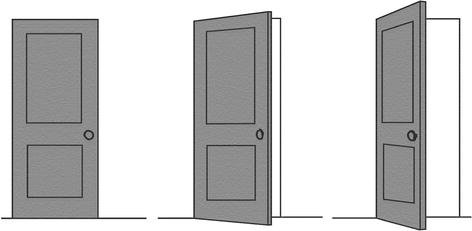
Invariance
When you can recognise an object even when it changes size, position, colour, angle, or orientation.
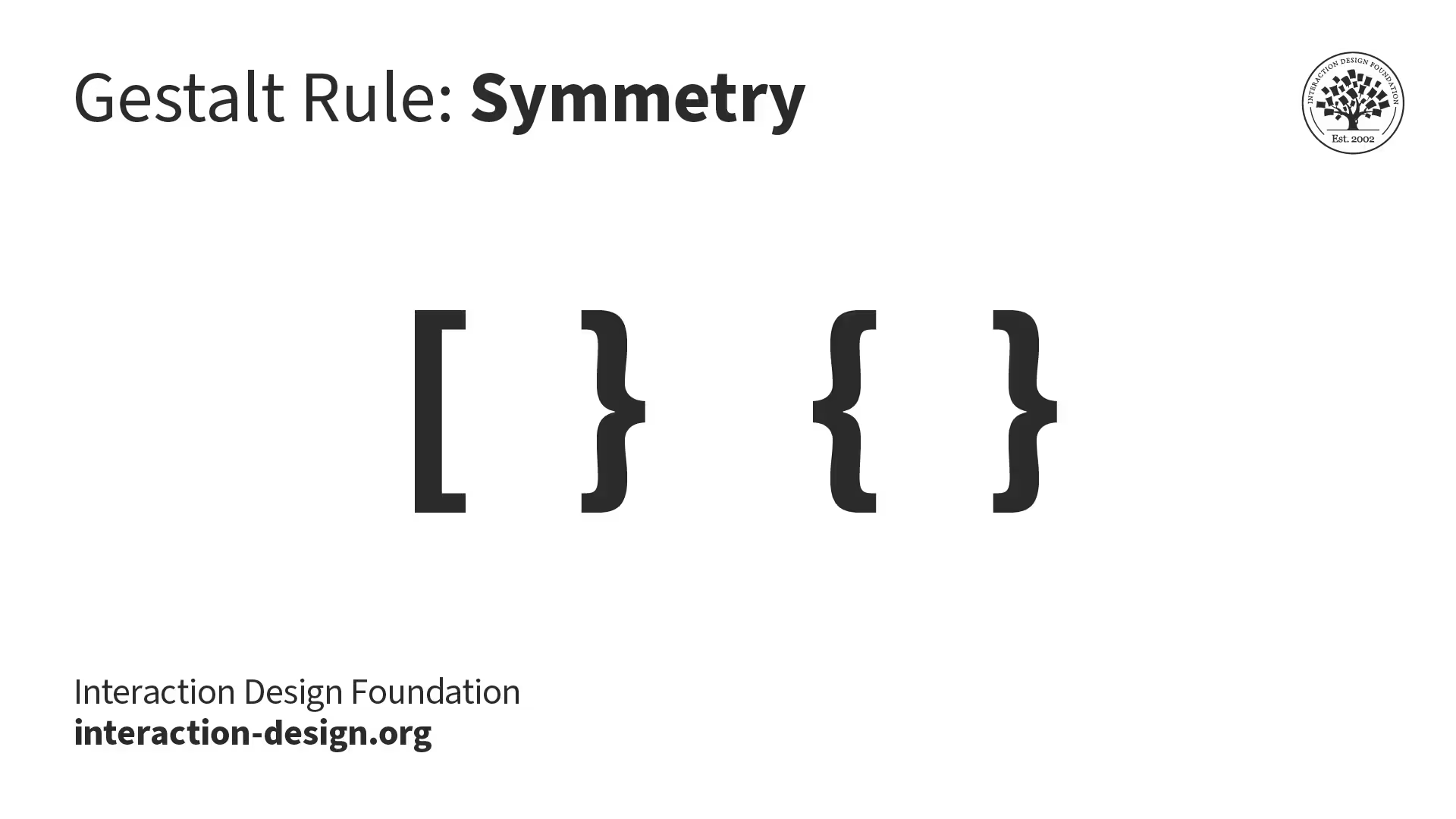
Symmetry
Objects that are balanced and mirror each other are seen as belonging together and forming a single whole.
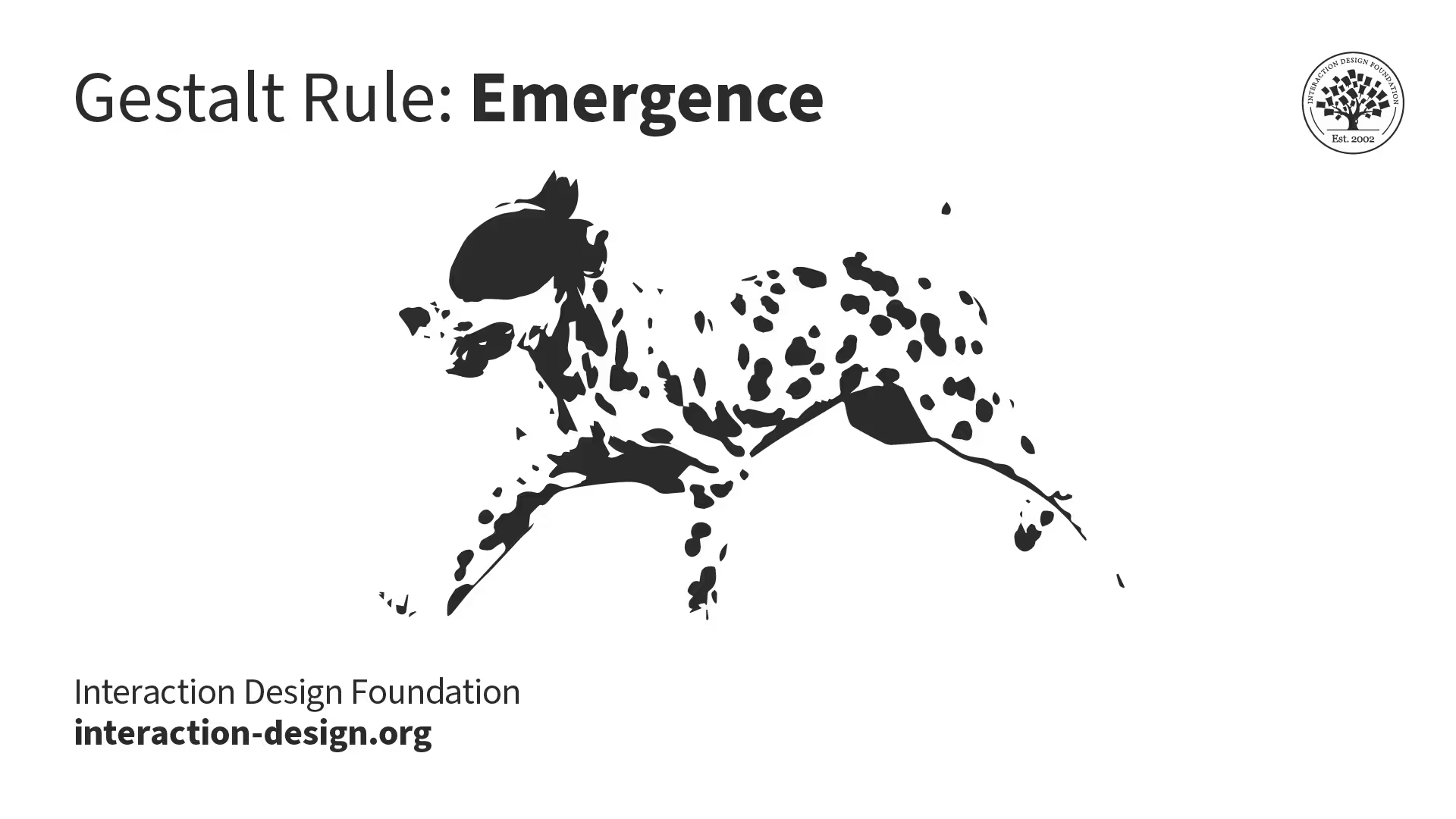
Emergence
We first see the whole object before we notice its individual parts.
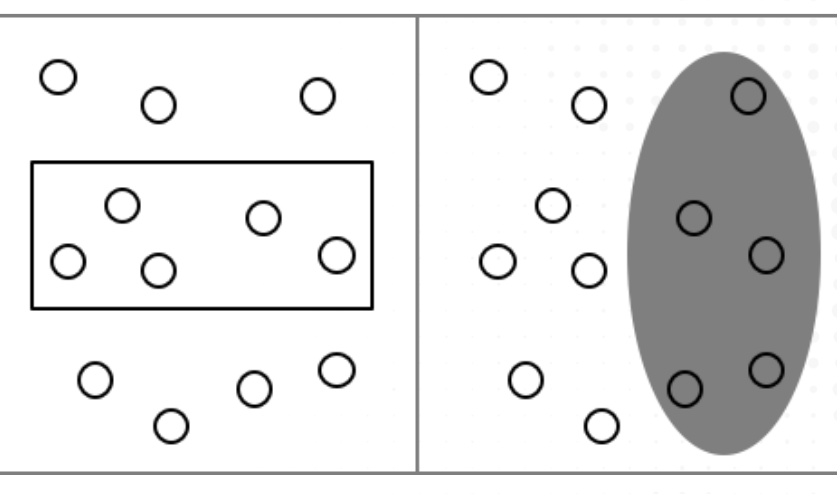
Enclosure
Objects placed inside the same boundary, box, circle, or area are seen as belonging together.