Chapter 1 microbes
 Call Kai
 Learn
Learn Practice Test
 Spaced Repetition
 Match
Match Flashcards
 Knowt Play
1/37

There's no tags or description
Looks like no tags are added yet.
Name | Mastery | Learn | Test | Matching | Spaced | Call with Kai |
|---|
No analytics yet
Send a link to your students to track their progress
38 Terms
Van Leuwenhoek
First to see microscopic bacteria. Refined earlier versions of the microscope made by Robert Hooke.
Bacteria
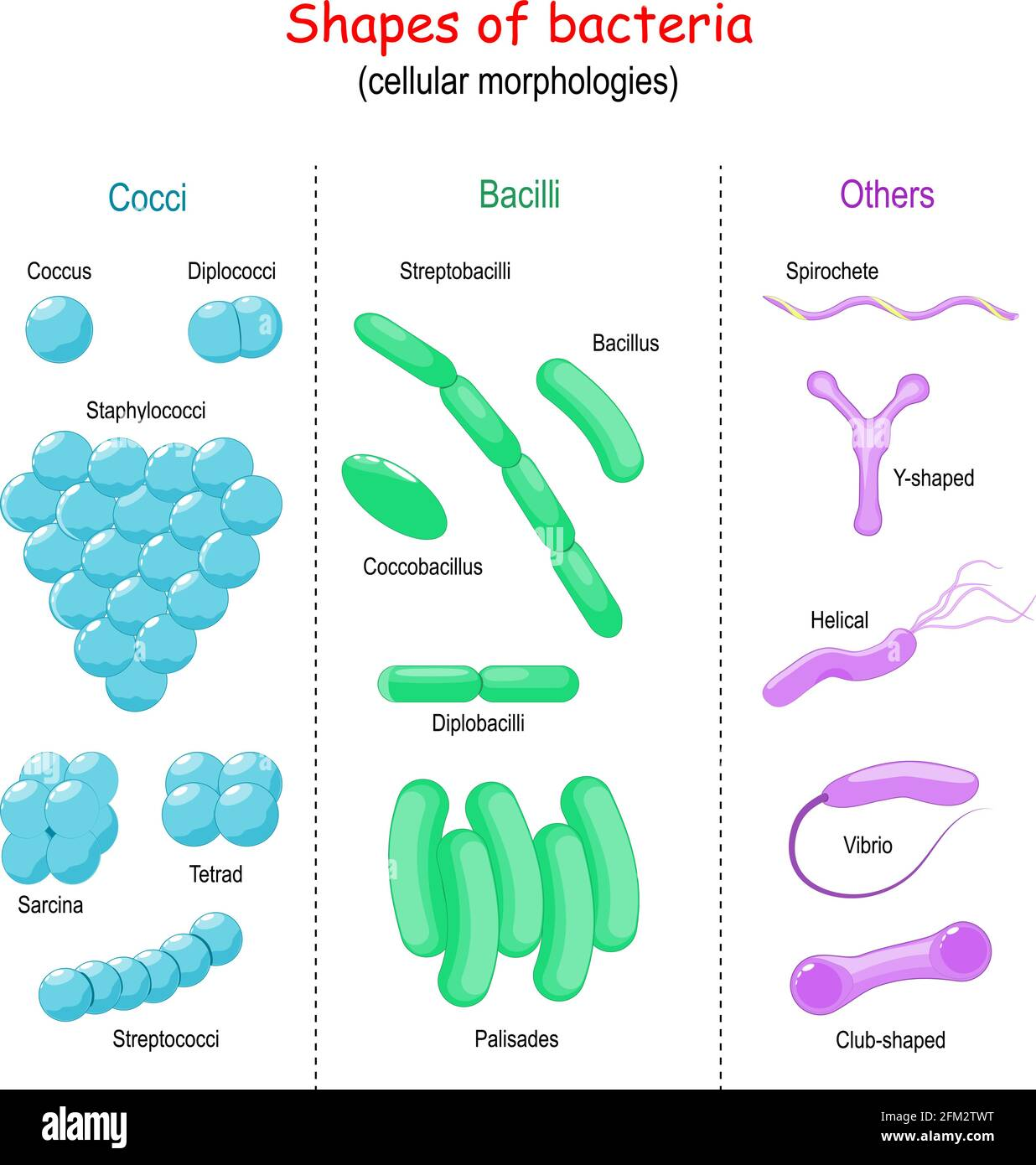
Prokaryotes w/peptidoglycan wall
Form: Coccus, bacillus, and spiral
Energy: Organic, inorganic, or photosynthesis
Archaea
Prokaryote
Live in extreme conditions
NO peptidoglycan wall
Ex: Methanogens, HALOphiles, THERMOphiles
Fungi
Eukaryote
Chitin cell wall
Energy: Organic
Multicellular examples: Mold and Mushroom (made w/hyphae’s mycelia)
Unicellular: Yeast
Protozoa
Eukaryote
Energy: Organic
Motile via pseudopods, cilia, or flagella
Multicellular: Algae
Unicellular: Amoeba
Algae
Eukaryote
Cellulose cell wall
Energy: Photosynthesis
PRODUCE: Oxygen + organic compounds
Virus
NON-LIVING (not eukaryote/prokaryotes)
DNA or RNA core
Coat has protein enclosed w/lipid
Replicate ONLY in living host cell
Multicellular animal parasites
Eukaryotes
Multicellular animals
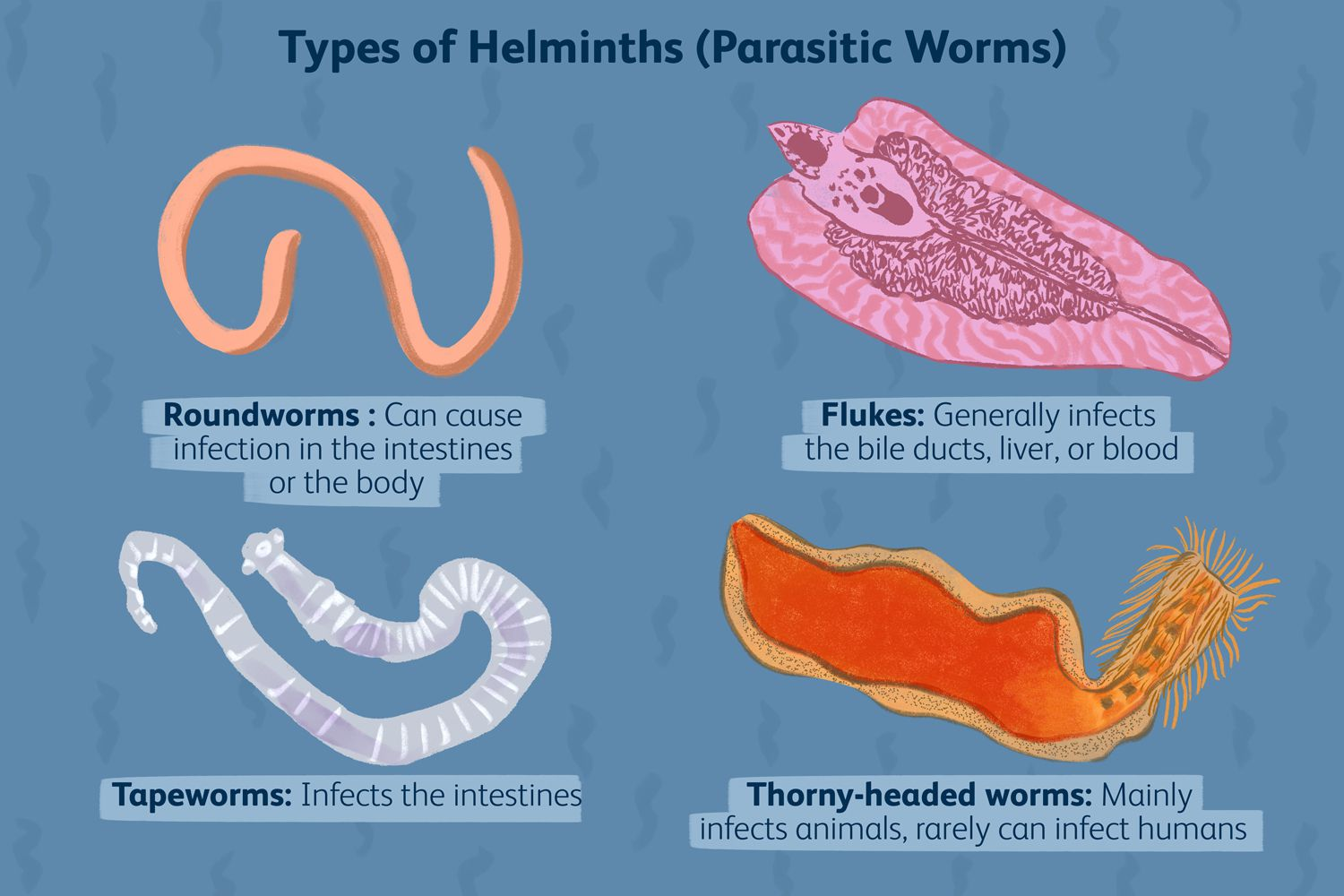
Helminths: Parasitic flatworms/roundworms
Microscopic in the beginning
Robert Hooke 1665
First to observe and publish the description of Eukaryotic cells and credited with coining the term "cell"
Rudolf Virchow
Cells arise from preexisting cells
Pasteur
Proved biogenesis (life comes from life) w/ S-neck experiment
Defined fermentation + pasteurization
Developed the first vaccine against anthrax and rabies
Fermentation
Converts sugar to alcohol by using microbes to make beer and wine
Pasteurization
Prevent stored wine from turning bitter by killing off yeast through heat
BEWARE
Microbes can spoil food and if they are able to use alcohol, they can produce acetic acid spoil wine, also known as vinegar (acetic acid)
Semmelweiss
First to suggest hand hygiene to decrease childbed fever
Childbed fever
Postpartum infection (puerperal sepsis) that killed women after birthing
Lister
Proved sterilizing instruments and sanitizing wounds w/carbolic acid prevent pus and is used as aseptic surgery
Francesco Redi
Disapproved spontaneous generation through the production and absence of maggots in uncovered and gauze covered meat experiment
Koch
Proved specific microbes cause certain diseases by using the process of Koch’s postulates
e.g. Proved that B. anthracis (bacteria) causes anthrax
Koch’s postulates of Disease
1- IDENTIFY: Same organism must be present in every case of the disease
2- ISOLATE: Organism must be isolated and grown as pure culture from the diseased
3-INOCULATE: Organism causes disease in question when introduced (inoculated) to susceptible host
4-RE-ISOLATE: Organism must then be isolated again from the inoculated, diseased animal
Jenner
Inoculated someone with cowpox virus and protected them from smallpox disease.
This is called immunization
Florence Nightingale
Established aseptic techniques in nursing and is the founder of modern nursing (prevent healthcare-acquired infections/ nosocomial infections)
Aseptic techniques
Wash hands
Wear gloves
Sterilize instrument
Decontaminate surfaces
Erhlich
Developed the “magic bullet” or salvarsan, arsenic drug to treat syphilis
Destroys a pathogen without harming the host
Sergei Winogradsky
first to reveal how certain bacteria obtain energy from certain inorganic compounds rather than organic substances
Fleming
Discovered the first antibiotic (penicillin)
Penicillium fungus made penicillin that killed S. aureus
Martinus Beijerinck
Developed the culturing technique to enrich for a certain population of microbial cells from a complex community based on phenotype
Lancefield
Used immunology (study of immunity) to identify bacteria according to serotypes
Berg
Inserted animal DNA into bacterial DNA, and the bacteria produced an animal protein.
Discovered Recombinant DNA and has helped crops from insects and freezing
Phenol
Carbolic Acid is an organic molecule that contains antiseptic and anesthetic properties. Too much of it and concentrated can be toxic
Microbial ecology
Bacteria recycle carbon, nutrients, sulfur, and phosphorus to be used by plants and animals
Bioremediation
Bacteria degrade organic matter and detoxify pollutants like oil/mercury
Biological insecticides
kill insects and can be harmless to other animals like humans or plants
parasitism
Symbiotic relationship between host and pathogen
Normal Microbia
Train our immune system (immunomodulators)
Maintain integrity of organs
Produce vitamins, amino acids for us
Helps digest foods (gut microbiome)
Impact our mood and brain functions
More in intestine than stomach
Transient microbiota
Temporary passengers that do not persist in our body
Biofilm
Microbes attach to solid surfaces and grow into masses
Carl Linnaeus
Father of taxonomy