Art Hist 46 Final Review
 Call Kai
 Learn
Learn Practice Test
 Spaced Repetition
 Match
Match Flashcards
 Knowt Play
1/33

There's no tags or description
Looks like no tags are added yet.
Name | Mastery | Learn | Test | Matching | Spaced | Call with Kai |
|---|
No analytics yet
Send a link to your students to track their progress
34 Terms
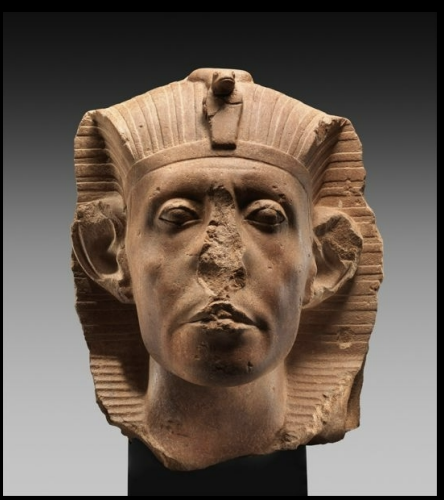
Statue of Senwosret III
Period: Twelfth Dynasty, Middle Kingdom
Site: Unknown
Significance: Shows a new style of kingship with a realistic, aged face that emphasizes wisdom, responsibility, and royal authority.
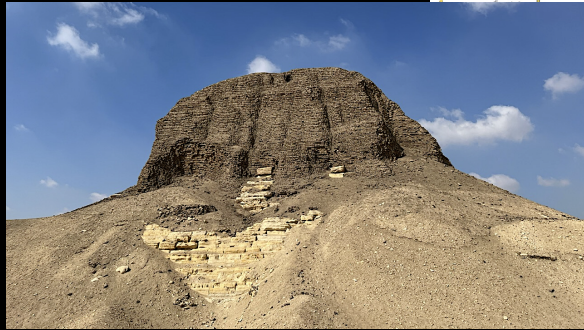
Senwosret II Pyramid
Period: Twelfth Dynasty, Middle Kingdom
Site: Lahun
Significance: Demonstrates the revival of pyramid building and the strong centralized government of the Middle Kingdom.
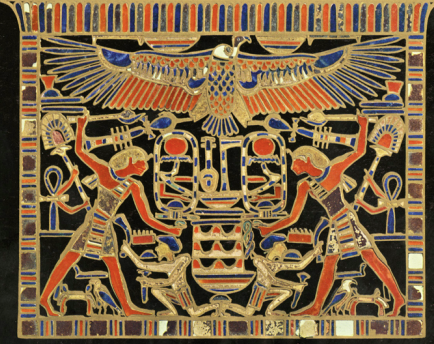
Pectorals of Mereret
Period: Twelfth Dynasty, Middle Kingdom
Site: Dahshur
Significance: Luxury jewelry that displays royal wealth, elite status, and advanced Egyptian craftsmanship.
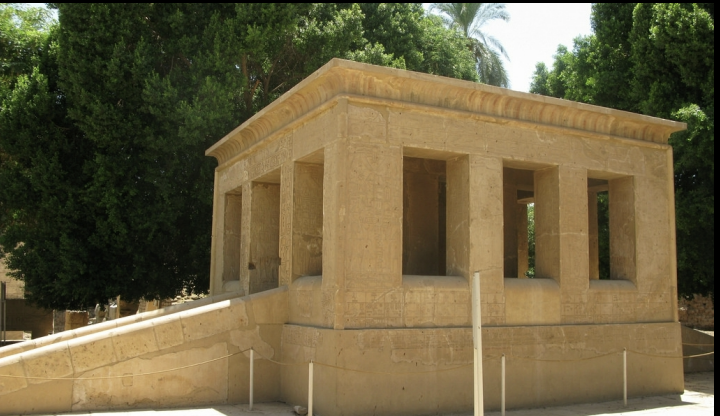
White Chapel of Senwosret I
Period: Twelfth Dynasty, Middle Kingdom
Site: Karnak
Significance: Celebrates the king's Sed Festival and reinforces royal legitimacy and devotion to Amun.
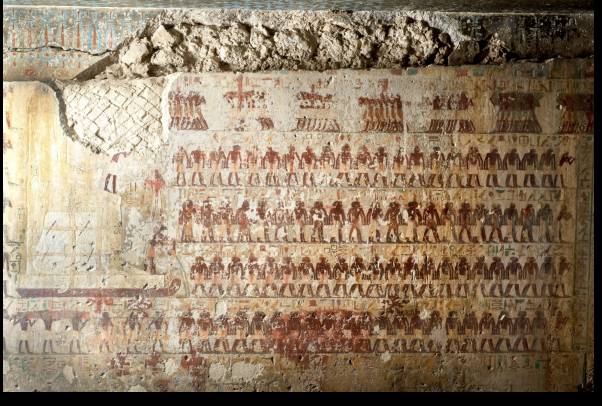
Painting from Tomb of Djehutihotep
Period: Twelfth Dynasty, Middle Kingdom
Site: Deir el-Bersha
Significance: Famous for depicting the transport of a colossal statue, showing Egyptian engineering and labor organization.
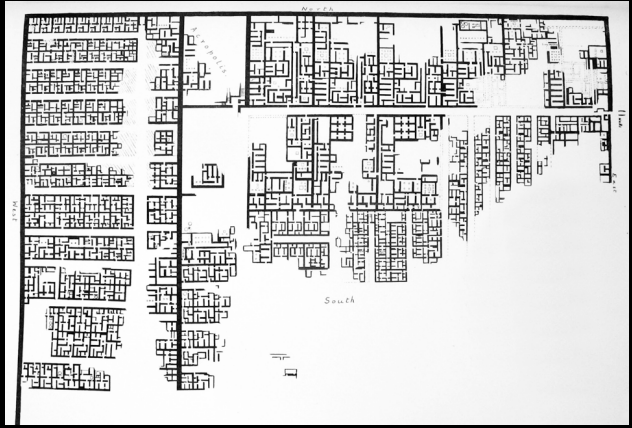
Town of Lahun (Kahun)
Period: Twelfth Dynasty, Middle Kingdom
Site: Lahun
Significance: One of the best-preserved Egyptian towns, providing evidence of daily life, social classes, and urban planning.
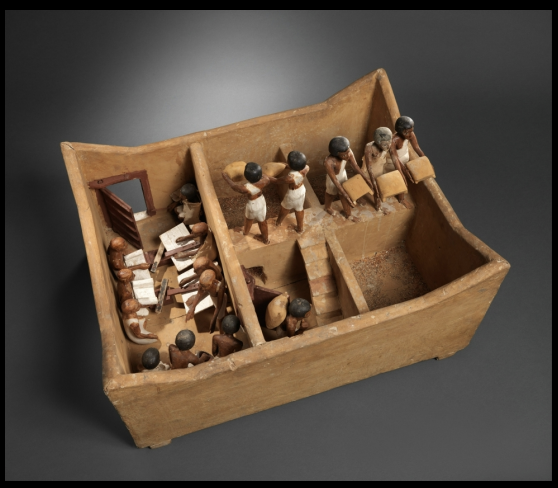
Model of Granary with Scribes
Period: Twelfth Dynasty, Middle Kingdom
Site: Tomb of Meketre
Significance: Funerary model intended to magically provide food and resources in the afterlife.
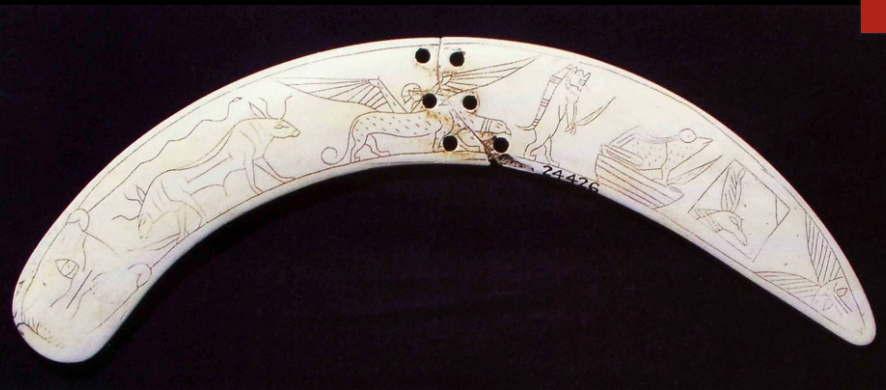
Magic Wands
Period: Twelfth Dynasty, Middle Kingdom
Site: Found in tombs
Significance: Protective magical objects used to ward off evil and protect women and children.
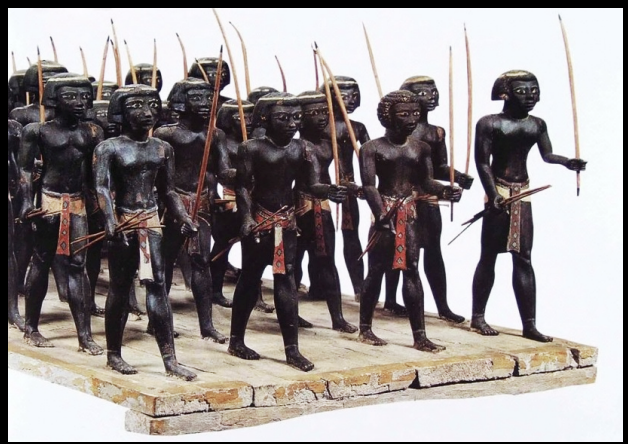
Nubian Archers
Period: Middle Kingdom
Site: Tomb context
Significance: Demonstrate the importance of Nubian soldiers in Egypt's military and Egypt's relationship with Nubia.
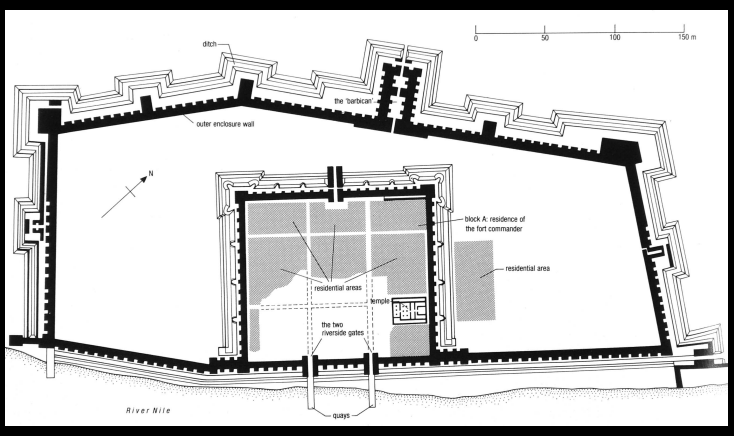
Buhen Fortress
Period: Twelfth Dynasty, Middle Kingdom
Site: Nubia
Significance: Built to control trade routes and military activity in Nubia, showing Egyptian expansion and border control.
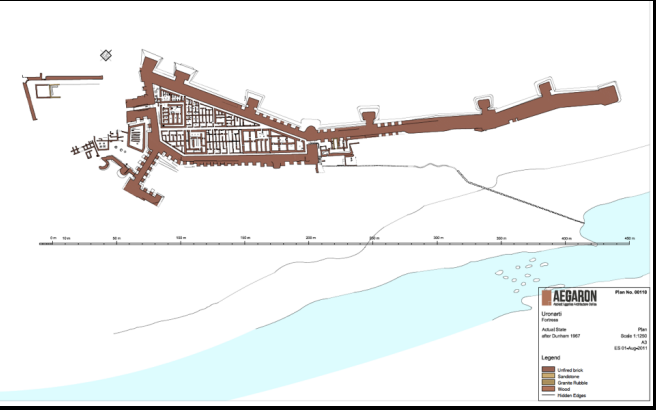
Uronarti Fortress
Period: Twelfth Dynasty, Middle Kingdom
Site: Nubia
Significance: Strengthened Egyptian military control over Nubia under Senwosret III.
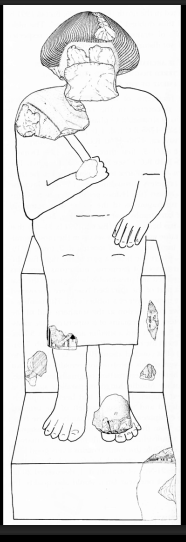
Statue of High-Ranking Hyksos Official
Period: Late Middle Kingdom
Site: Tell el-Dab'a
Significance: Evidence of increasing foreign influence and Hyksos presence in the Nile Delta.
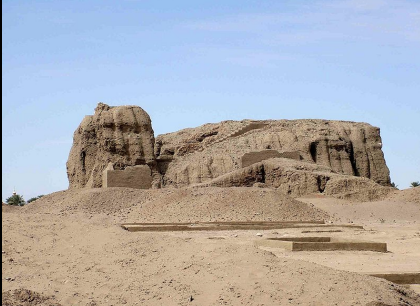
Western Deffufa
Period: Second Intermediate Period
Site: Kerma
Significance: Major religious structure that demonstrates the power and independence of Nubian civilization.
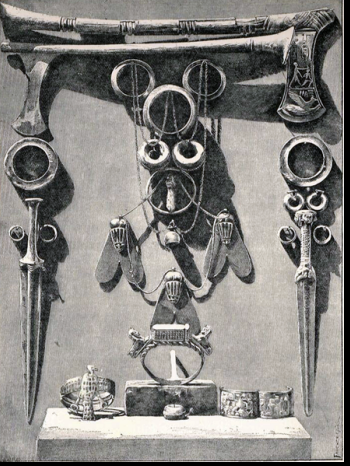
Funerary Assemblage of Ahhotep
Period: Seventeenth Dynasty / End of Second Intermediate Period
Site: Tomb of Ahhotep
Significance: Associated with the royal family that expelled the Hyksos and reunified Egypt.
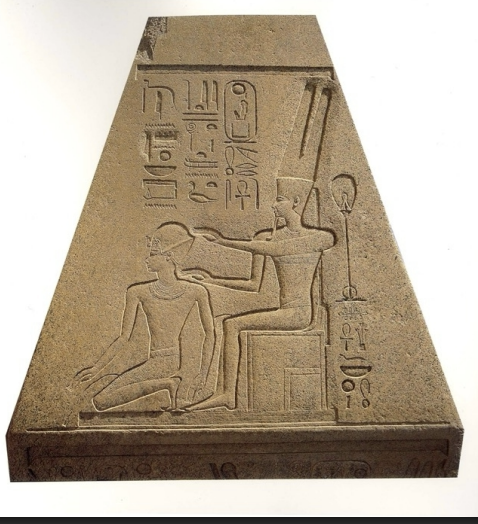
Hatshepsut and Amun
Period: Eighteenth Dynasty, New Kingdom
Site: Karnak
Significance: Reinforces Hatshepsut's legitimacy by emphasizing her divine connection to Amun.
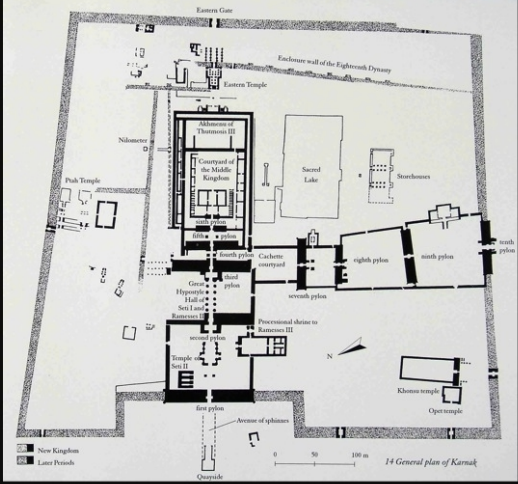
Karnak Temple
Period: Begun in Middle Kingdom, expanded in New Kingdom
Site: Thebes
Significance: Egypt's most important temple complex and center of Amun worship, symbolizing royal and religious power.
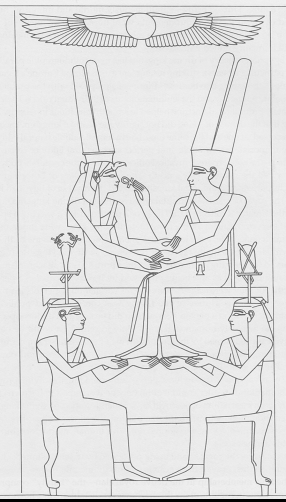
Divine Birth of Hatshepsut
Period: Eighteenth Dynasty, New Kingdom
Site: Deir el-Bahri
Significance: Political propaganda claiming Hatshepsut was the daughter of Amun to justify her rule.
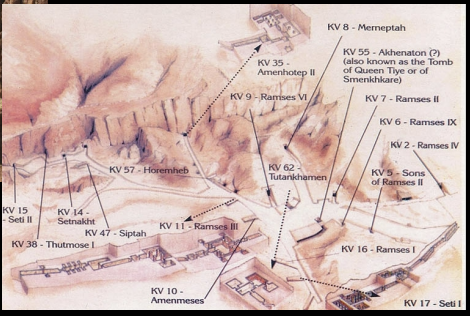
Valley of the Kings
Period: New Kingdom
Site: Thebes
Significance: Royal cemetery created to protect royal burials and separate them from mortuary temples.
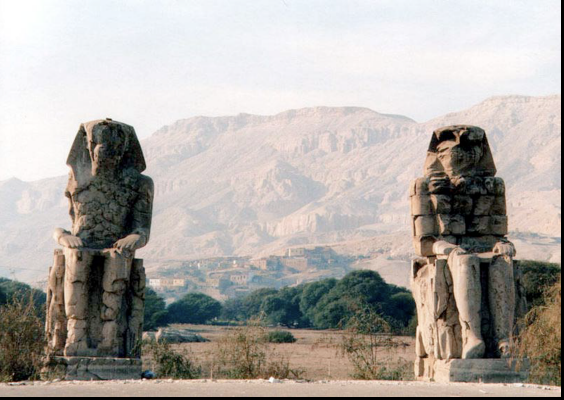
Colossi of Memnon
Period: Eighteenth Dynasty, New Kingdom
Site: Kom el-Hetan (Mortuary Temple of Amenhotep III)
Significance: Massive statues that proclaimed the power and divinity of Amenhotep III.
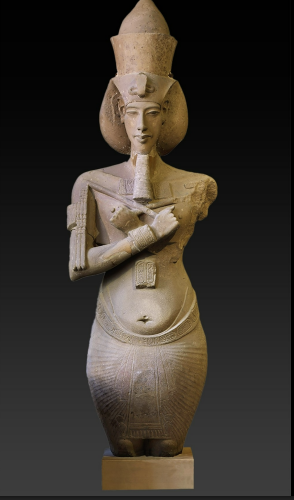
Colossus of Akhenaten
Period: Eighteenth Dynasty, New Kingdom
Site: Karnak
Significance: Reflects Akhenaten's religious revolution and the distinctive Amarna artistic style.
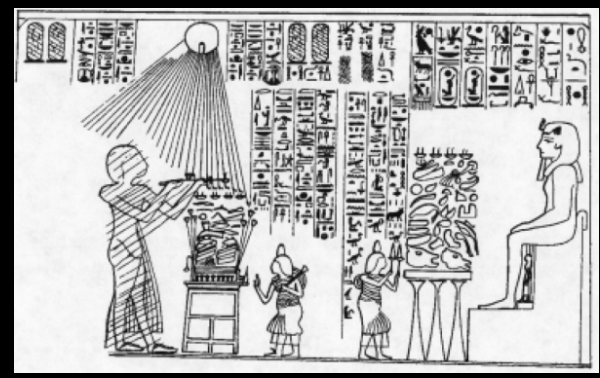
Sculptors Bek and Men Offering to Akhenaten and Amenhotep III
Period: Eighteenth Dynasty, New Kingdom
Site: Aswan
Significance: Demonstrates loyalty to Akhenaten's new religious system and the changes in Amarna art.
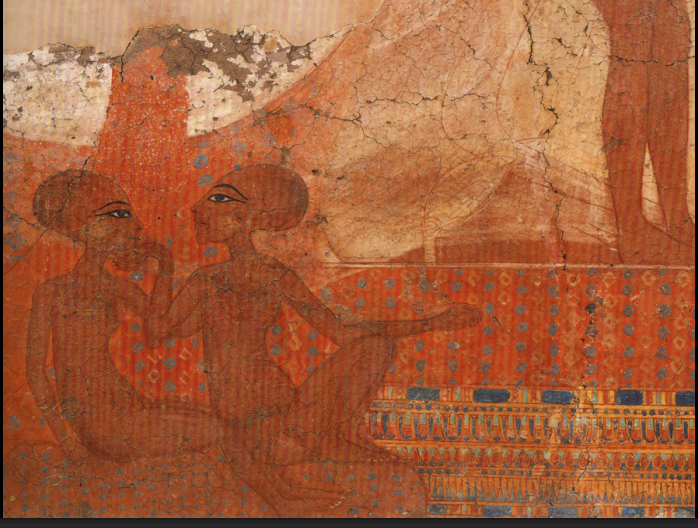
Amarna Princesses
Period: Eighteenth Dynasty, New Kingdom
Site: Amarna
Significance: Shows the naturalistic and intimate style characteristic of Amarna art.
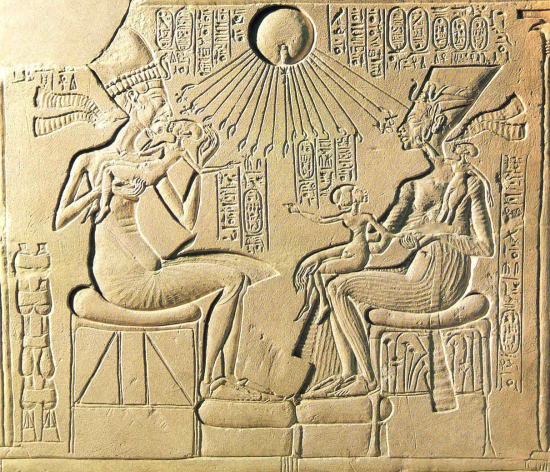
Stela from Garden Shrine
Period: Eighteenth Dynasty, New Kingdom
Site: Amarna Elite House
Significance: Demonstrates how Aten worship extended into private households.
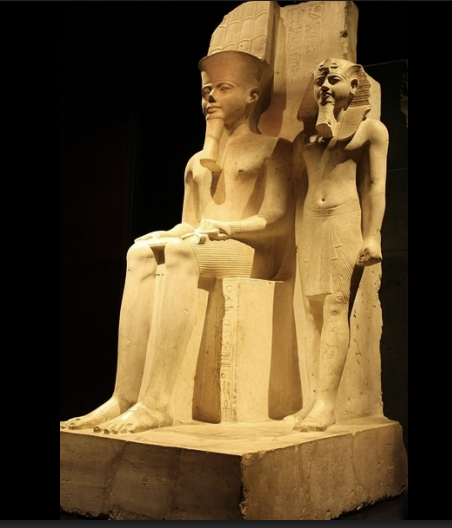
Amun and the King (Tutankhamun or Horemheb)
Period: Eighteenth Dynasty, New Kingdom
Site: Thebes
Significance: Represents the restoration of traditional religion after Akhenaten's reforms.
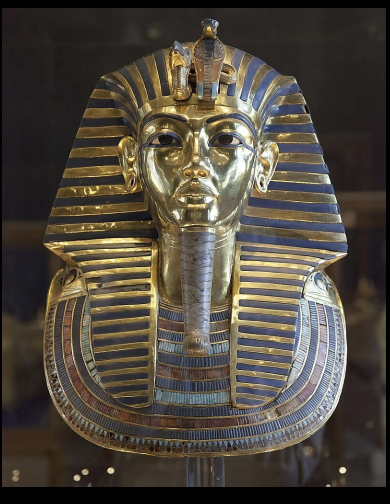
Funerary Mask of Tutankhamun
Period: Eighteenth Dynasty, New Kingdom
Site: Valley of the Kings
Significance: Symbolized the king's transformation into a divine being and ensured rebirth in the afterlife.
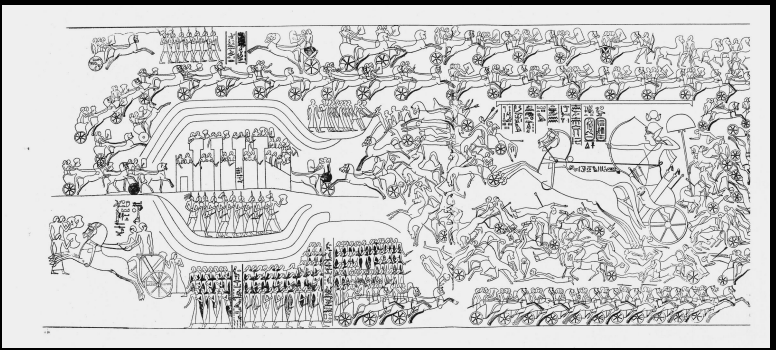
Battle of Kadesh Relief
Period: Nineteenth Dynasty, New Kingdom
Site: Ramesseum, Thebes
Significance: Royal propaganda portraying Ramses II as a victorious warrior.
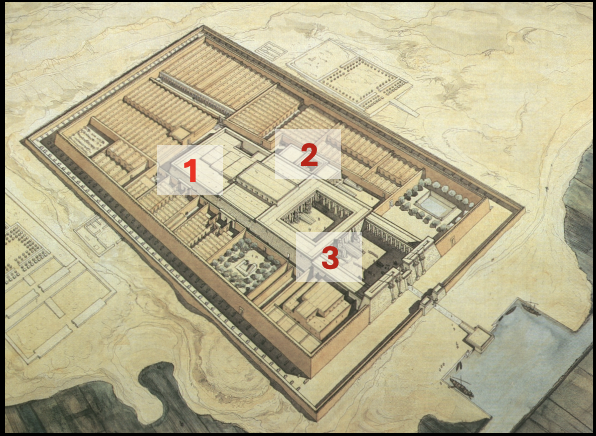
Ramesseum
Period: Nineteenth Dynasty, New Kingdom
Site: Thebes
Significance: Mortuary temple celebrating Ramses II's military victories and divine kingship.
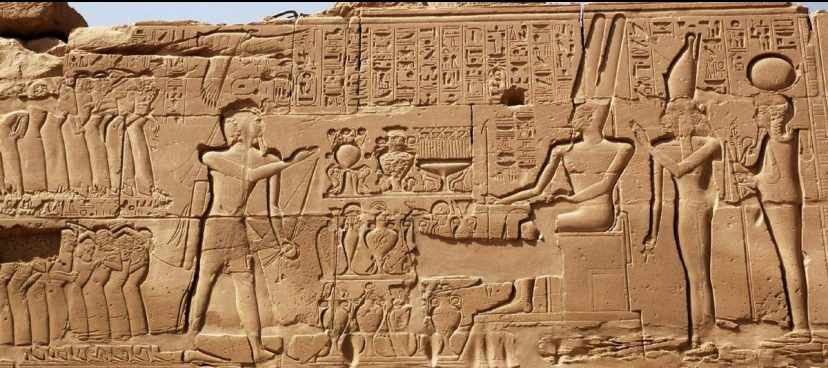
Sety I Presenting Prisoners and Booty
Period: Nineteenth Dynasty, New Kingdom
Site: Karnak
Significance: Illustrates Egyptian military success and the pharaoh's role in maintaining order (ma'at).
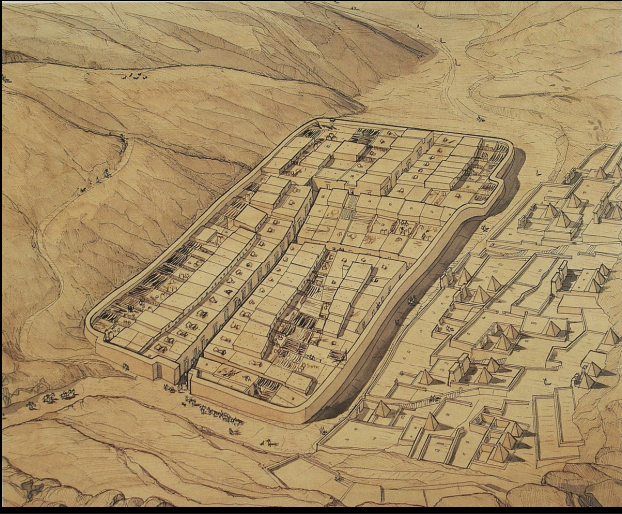
Deir el-Medina
Period: Founded in Eighteenth Dynasty, peaked in Nineteenth Dynasty (New Kingdom)
Site: Thebes
Significance: Village of royal tomb workers that provides unparalleled evidence of daily life and labor organization.
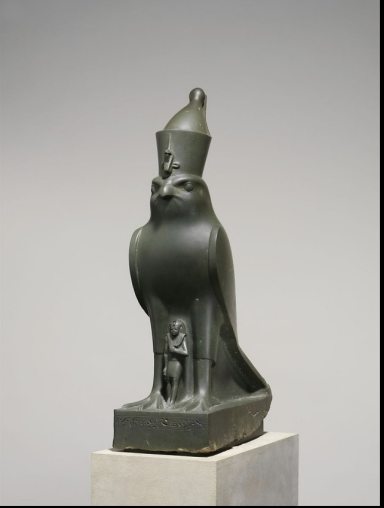
Nectanebo and Horus
Period: Dynasty 30, Late Period
Site: Egypt
Significance: Represents one of the last native Egyptian rulers and emphasizes divine protection of kingship.
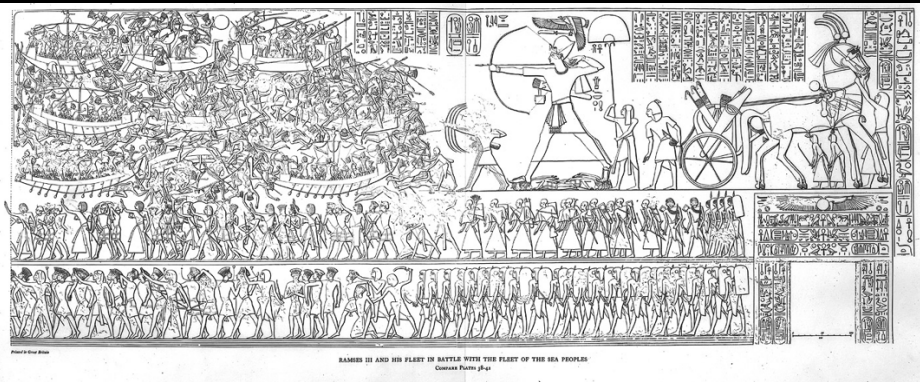
Ramses III Battling the Sea Peoples
Period: Twentieth Dynasty, New Kingdom
Site: Medinet Habu, Thebes
Significance: Records Egypt's defense against invading Sea Peoples and celebrates Ramses III as protector of Egypt.
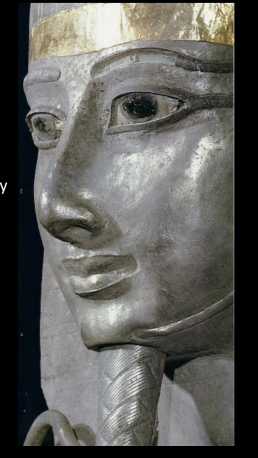
Coffin and Facemask of Psusennes
Period: Third Intermediate Period, 21st Dynasty
Site: Tanis
Significance: Demonstrates that Egyptian rulers still possessed great wealth despite political fragmentation.
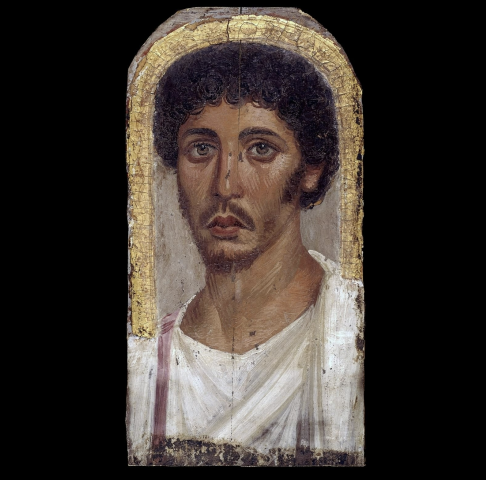
Mummy Portrait (Fayum Portrait)
Period: Roman Period (150–170 CE)
Site: Hawara, Fayum Oasis
Significance: Combines Egyptian funerary traditions with Roman portraiture, illustrating cultural blending.
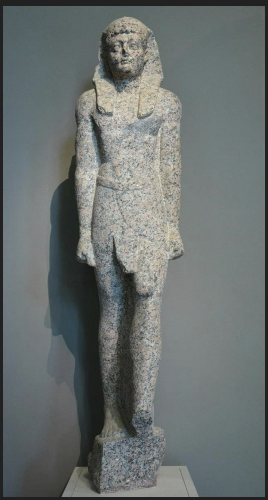
Statue of Alexander the Great as Pharaoh
Period: Ptolemaic Period (c. 300 BCE)
Site: Egypt
Significance: Shows how Greek rulers adopted Egyptian royal traditions to legitimize their authority over Egypt.