CM II Week 9 (CNS Infections)
 Call Kai
 Learn
Learn Practice Test
 Spaced Repetition
 Match
Match Flashcards
 Knowt Play
1/85

There's no tags or description
Looks like no tags are added yet.
Name | Mastery | Learn | Test | Matching | Spaced | Call with Kai |
|---|
No analytics yet
Send a link to your students to track their progress
86 Terms
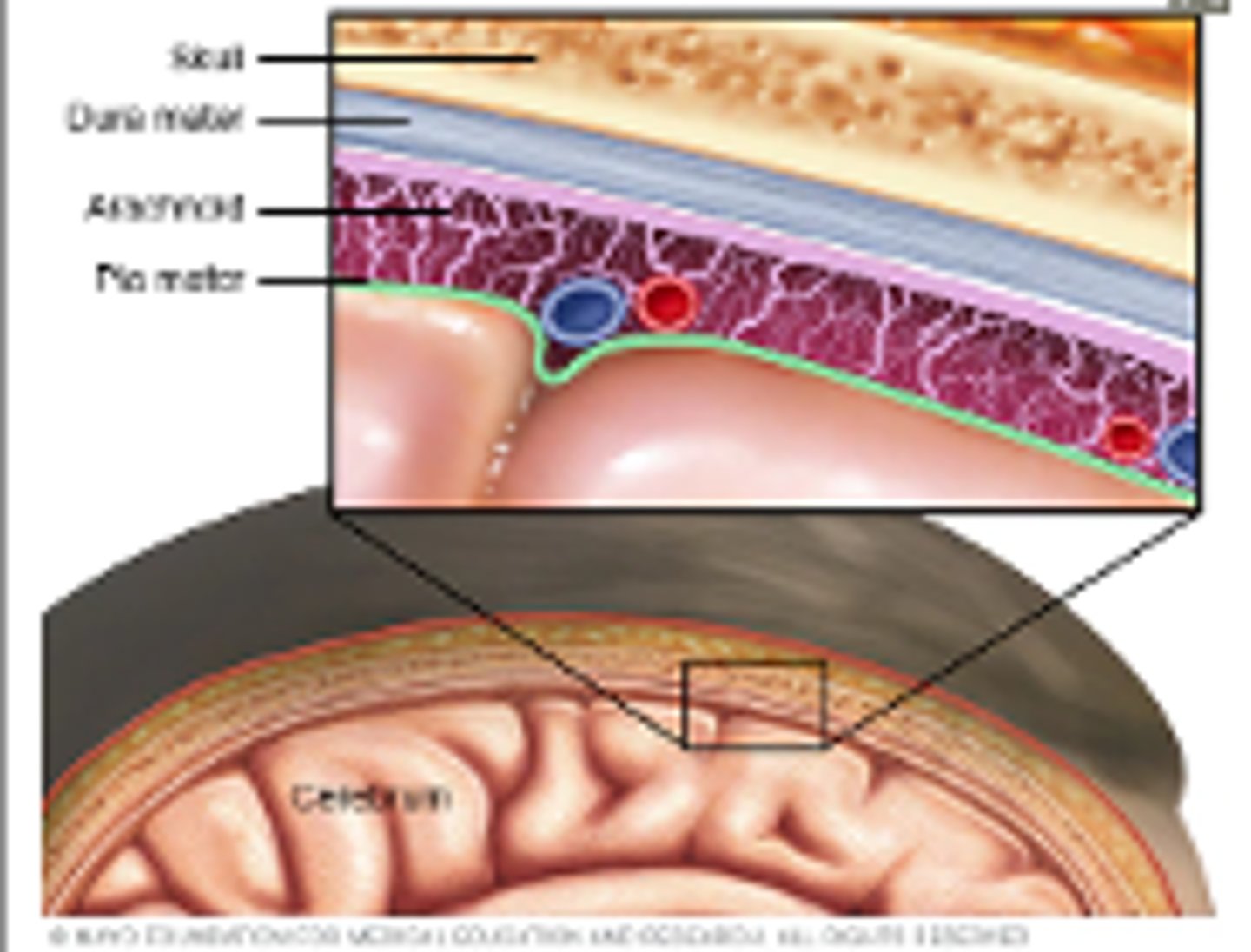
meningitis definition and hallmark
- Inflammation of the leptomeninges (tissue surrounding the brain and spinal cord)
- Hallmark is abnormal WBC in the CSF
encephalitis definition and hallmark
- Inflammation of the brain parenchyma
- Hallmark is altered or depressed level of consciousness
explain the steps to acquiring bacterial meningitis from inoculation to brain
1. Colonization of mucus membranes
- Pathogens contain surface components that enhance colonization (fimbriae/pili)
2. Invasion of bloodstream
- Due to env't, host, genetic factors - i.e. smoking/alcohol abuse, immunosuppression
3. Survival in bloodstream
- Major meningeal pathogens possess a polysaccharide capsule which inhibits phagocytosis by neutrophils
4. Entry into subarachnoid space
- Facilitated by duration and degree of bacteremia
once in CSF what does the bacteria do? why?
rapid multiplication/inflammation:
- An area of impaired resistance
- Low complement concentration
- Low antibody concentration
Site of entry of S. auerus
bacteremia
skin
foreign body
Bacterial Meningitis - Sites of Entry:
Neisseria meningitidis
Listeria monocytogenes
Haemophilus influenzae
Staphylococcus epidermidis
Neisseria meningitidis - nasopharynx
Listeria monocytogenes - GI tract, placenta
Haemophilus influenzae - Nasopharynx
Staphylococcus epidermidis - Skin or foreign body
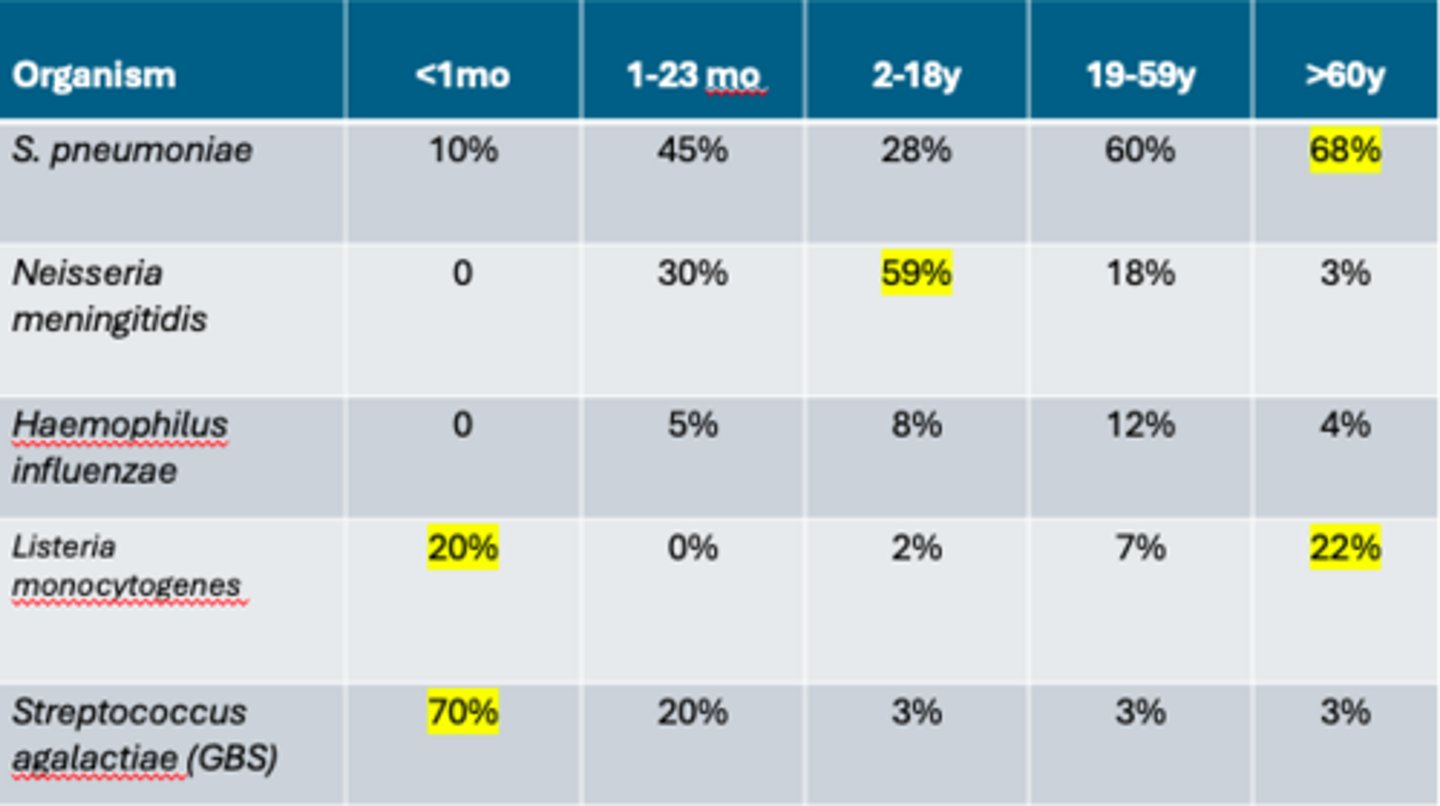
Bacterial Meningitis: Etiology by Age
Listeria = most concerning for neonate, elderly
Bacterial Meningitis: Etiology by Risk Factor
Immunocompromised state
S pneumoniae, L monocytogenes, N meningitidis, aerobic gram negative bacilli (Pseudomonas aeruginosa)
Bacterial Meningitis: Etiology by Risk Factor
Basilar skull fracture
S pneumoniae, H influenzae, group A beta-hemolytic streptococci
Bacterial Meningitis: Etiology by Risk Factor
Head trauma, post-neurosurgery
Staphylococcus aureus, coagulase negative staphylococci, aerobic gram-negative bacilli (Pseudomonas aeruginosa)
What is the most common agent of meningitis in the U.S.?
S. pneumoniae
Site of entry for S. pneumonia
Nasopharynx, URI, skull fracture
Pneumococcal Meningitis (S. pneumoniae) mortality and associations
•Mortality of 16-26%
Associated with other suppurative foci of infection:
- Pneumonia (25%)
- Otitis media or mastoiditis (30%)
- Sinusitis (10-15%)
- Endocarditis (<5%)
- Head trauma with CSF leak (10%)
Osler's Triad of pneumococcal infection
concomitant pneumonia, meningitis, and endocarditis
Meningococcal Meningitis (N. meningitidis)
epidemiology, acquisition
•Mostly children and young adults; mortality 3-13%
•Nasopharyngeal acquisition of infection
Those with congenital deficiencies in terminal complement components (C5-C8) have a predisposition for
Neisseria meningitides meningitis
congenital deficiencies in terminal complement components (C5-C8, and perhaps C9) is a risk factor bc they form the membrane attack complex (MAC) that normally attacks Neisseria to kill it...
if its deficient theres nothing to attack the pathogen = bad
listeria meningitis epidemiology
Rare cause of bacterial meningitis in US (2%, but ~20% of neonates)
mortality 15-29%
Disease in adults associated with:
Elderly
Alcoholism
Malignancy
Immune suppression
DM
Hepatic and renal disease
Iron overload
Collagen-vascular disorders
HIV infection
outbreaks of listeria meningitis are associated with
consumption of contaminated coleslaw, raw vegetables, milk, cheese, processed meats
Bacterial Meningitis: Clinical Manifestations
classic triad
- fever
- nuchal rigidity
- sudden onset (<24 hrs)
Bacterial Meningitis: Clinical Manifestations
presenting sx (in addition to triad)
•Severe Headache (84%)
•Fever (74%)
•Stiff neck (74%)
•GCS < 14 (71%)
•Nausea (62%)
•Less common: seizures, aphasia, hemi/monoparesis, coma, CN palsy, rash, papilledema
Nuchal rigidity
stiffness in cervical neck area; pts unable to put chin to chest
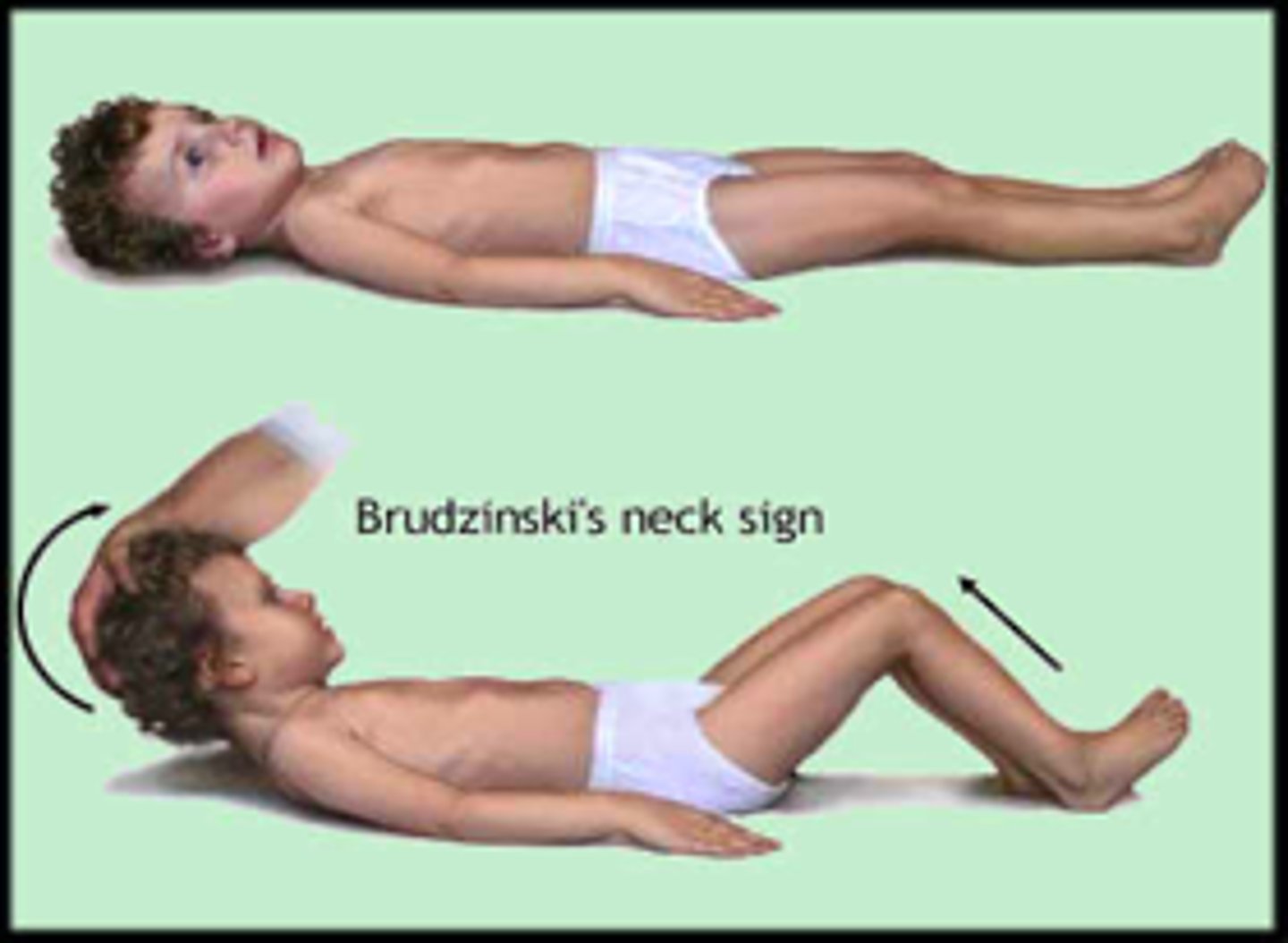
Budinski sign
Spontaneous flexion of hips during passive flexion of neck
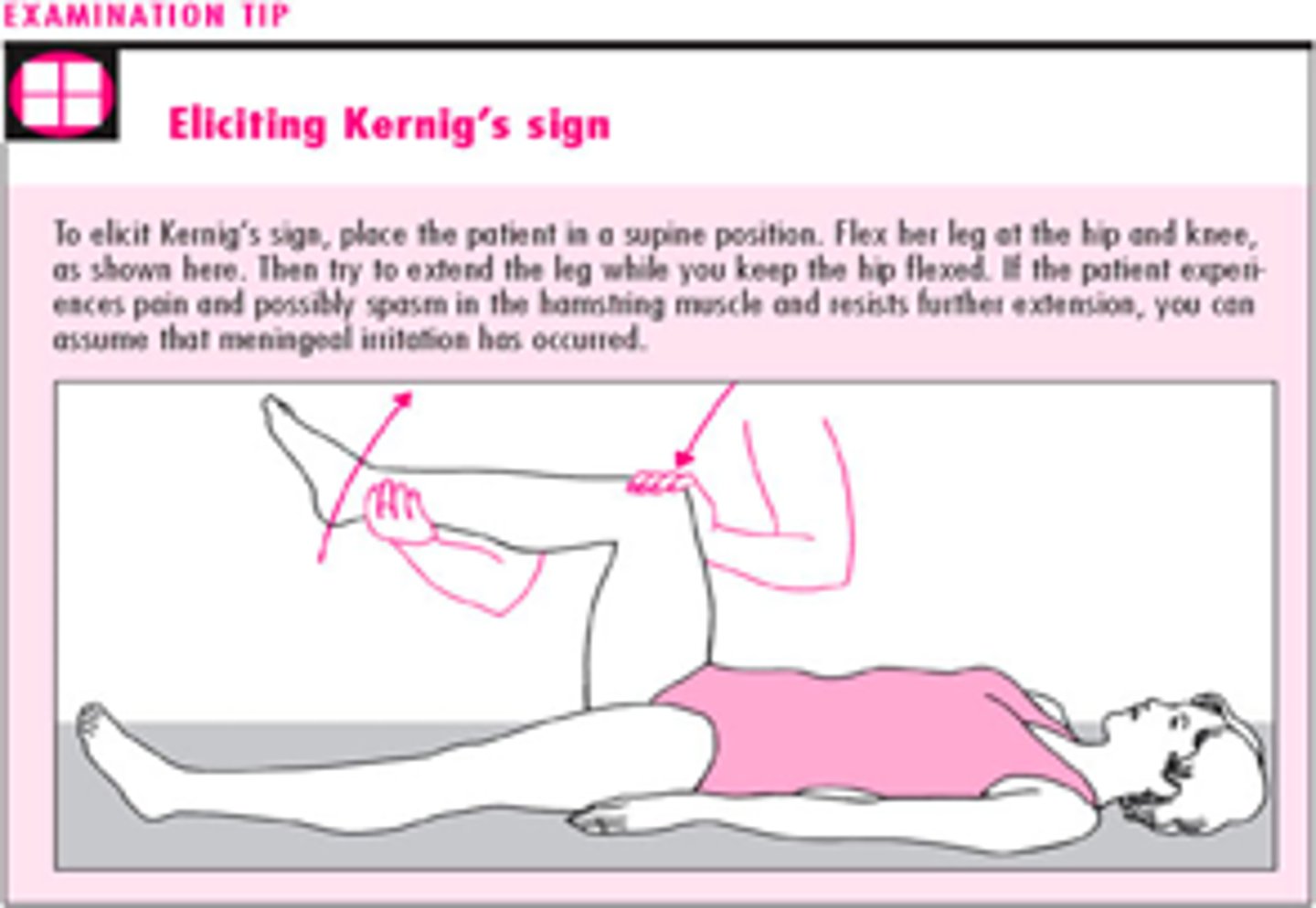
Kernig sign (meningitis)
inability to fully extend the knees with hips flexed 90 degrees
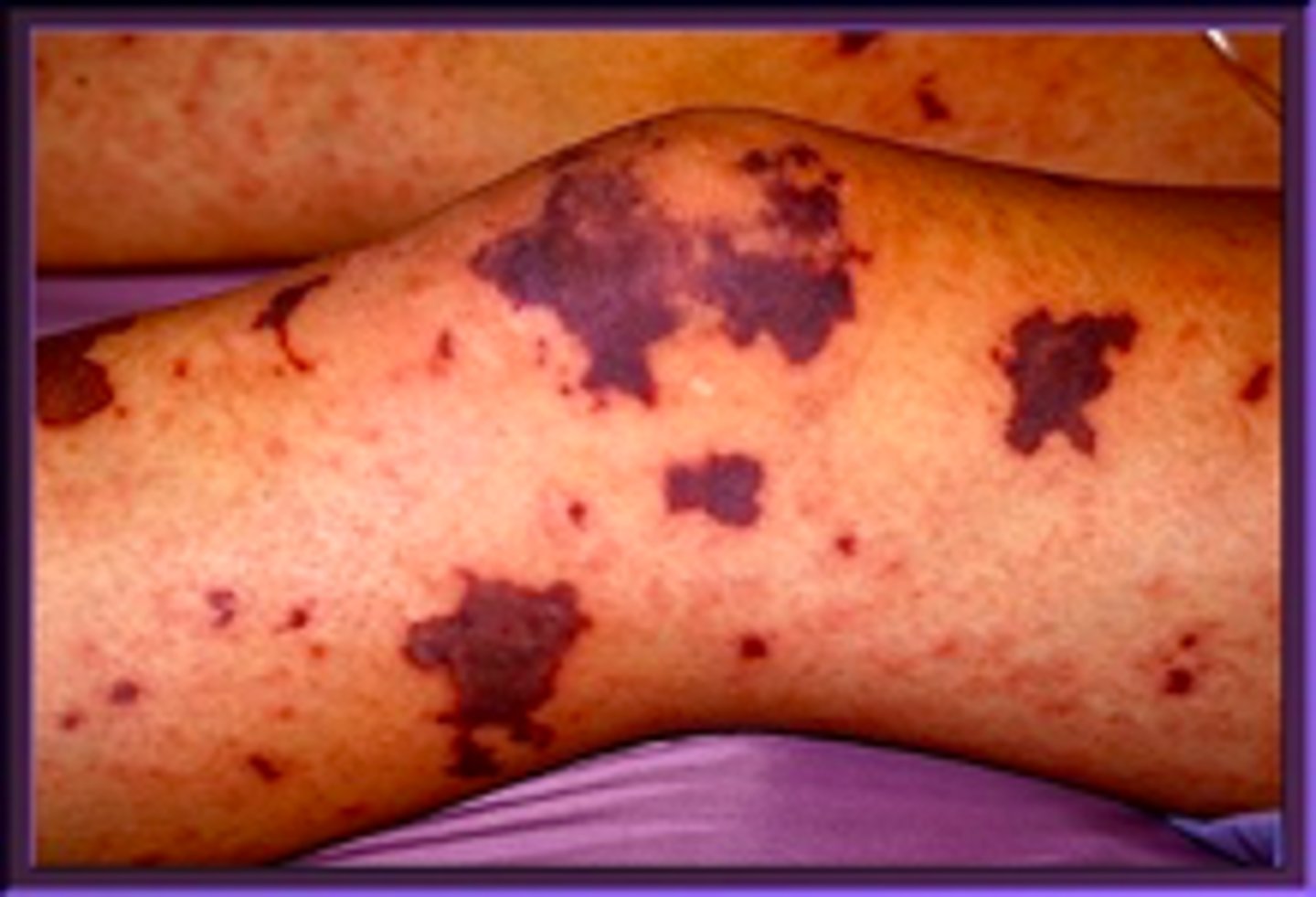
clinical manifestations of N. meningitis
- Rash: petechiae, palpable purpura, purpura fulminans
- Myalgias
- shock/DIC
clinical symptoms of Listeria meningitis
- Seizure
- Focal Neuro deficits
- Rhombencephalitis (Triad sx: ataxia, CN palsy, nystagmus)
Bacterial Meningitis: Diagnosis
labs/tests
PE: Assess for meningeal inflammation
•Blood tests
•CBC: leukocytosis/left shift, leukopenia, thrombocytopenia
•Coagulation studies: Assess for DIC
•Chemistry: AG, hyponatremia
•Blood cultures
What test is diagnostic for meningitis?
CSF Studies/Cultures – Lumbar Puncture
precautions of LP
- Raised intracranial pressure
- Thrombocytopenia/bleeding risk
- Suspected spinal epidural abscess
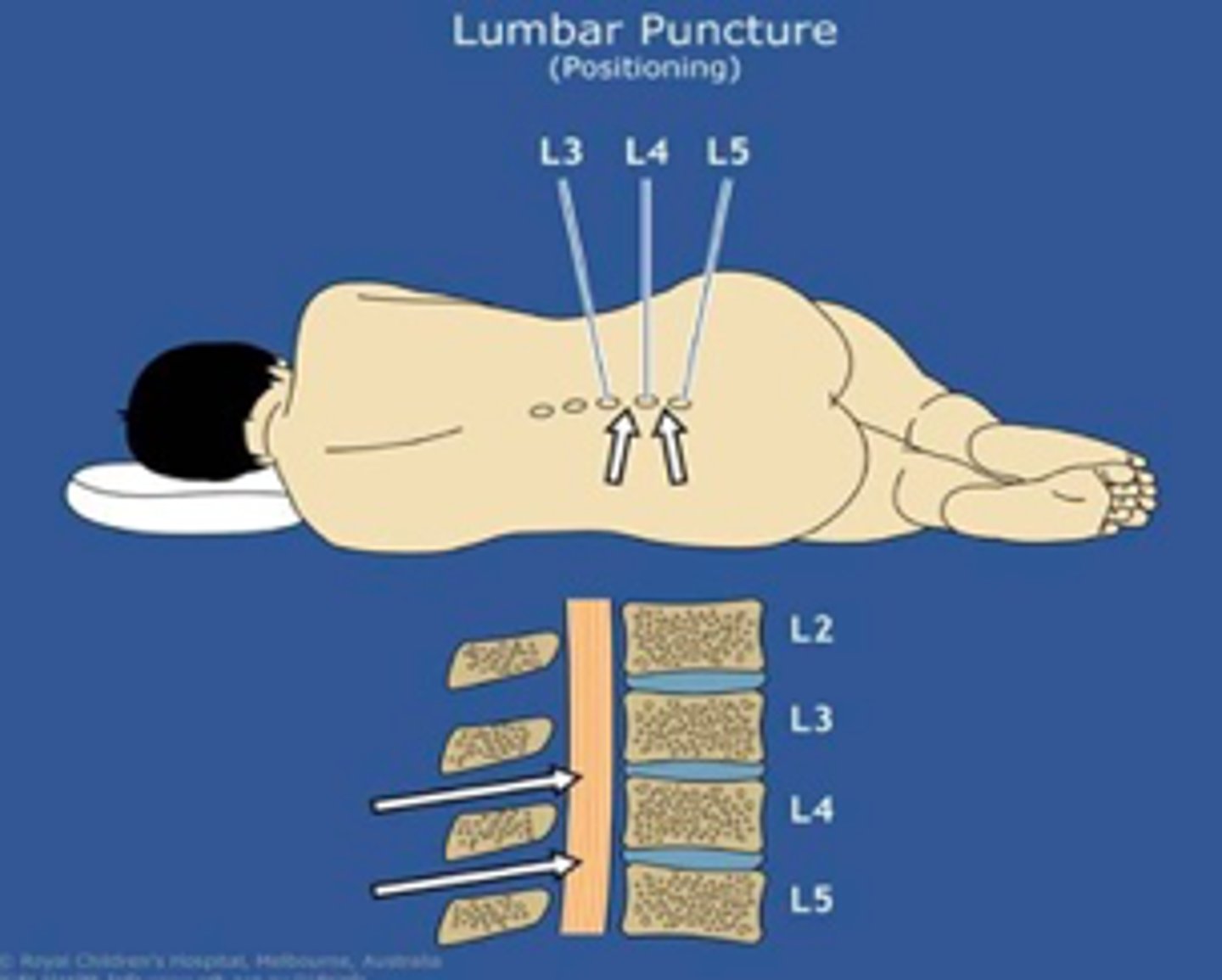
Reasons for CT before LP
- Immunocompromised (HIV, chemo, transplant)
- h/o CNS lesion
- New seizure
- Papilledema
- Abnormal level of consciousness
- Focal neurologic deficit
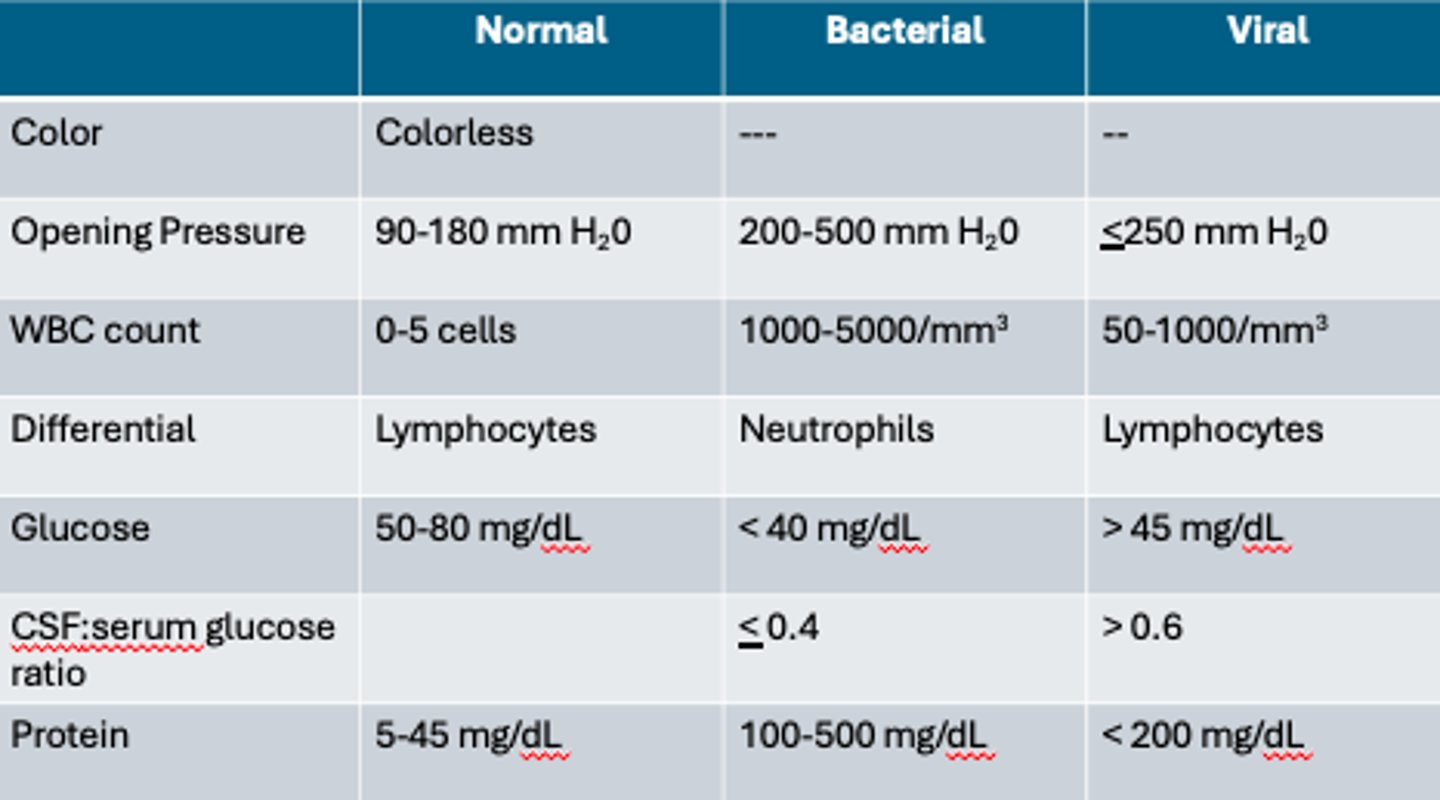
Cerebrospinal fluid analysis
Hallmarks:
- high WBC ct (neutrophil predominance)
- low glucose (bacteria eat glucose)
- protein may be elevated
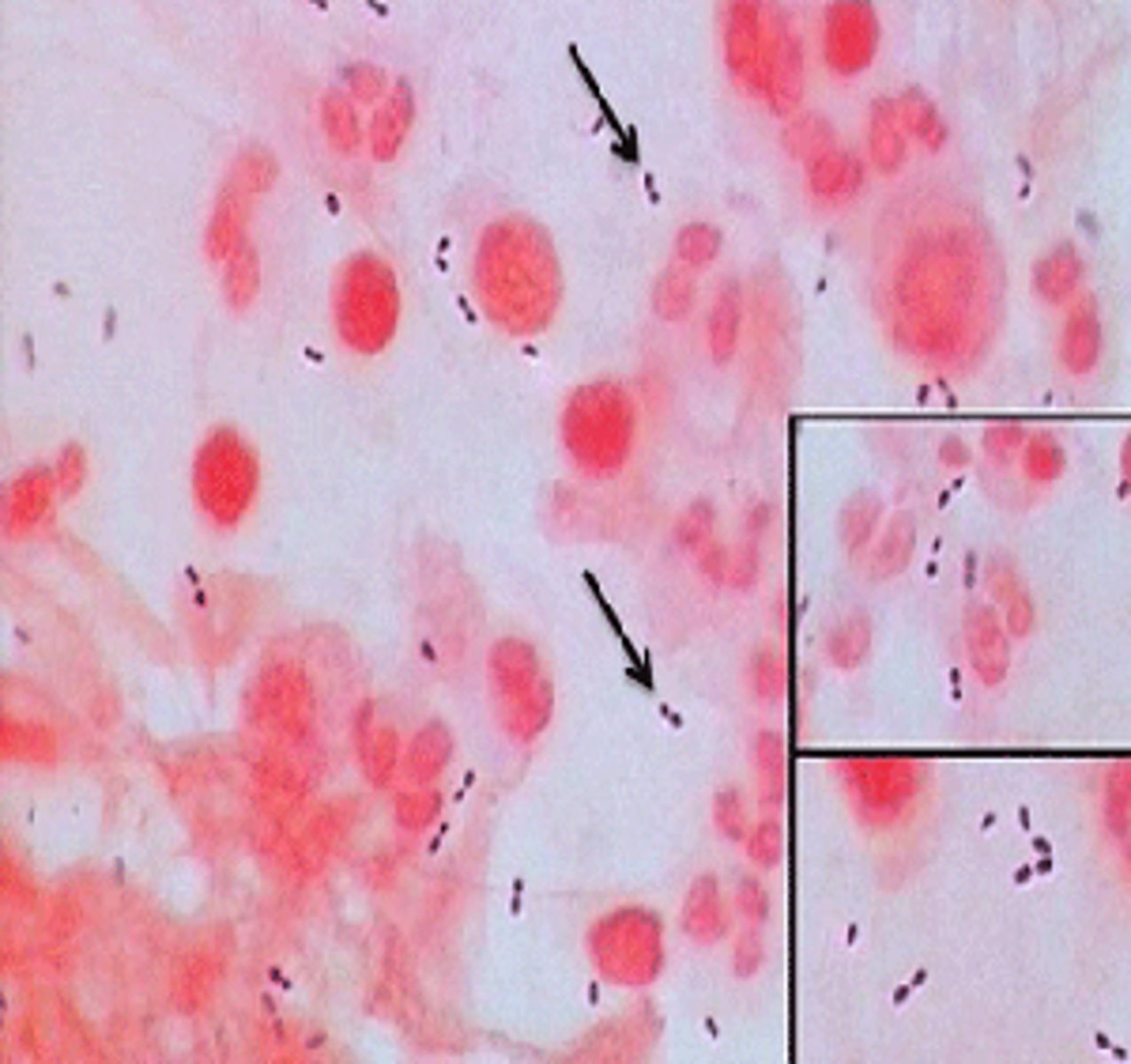
CSF gram stain results: Gram + diplococci
pneumococcus
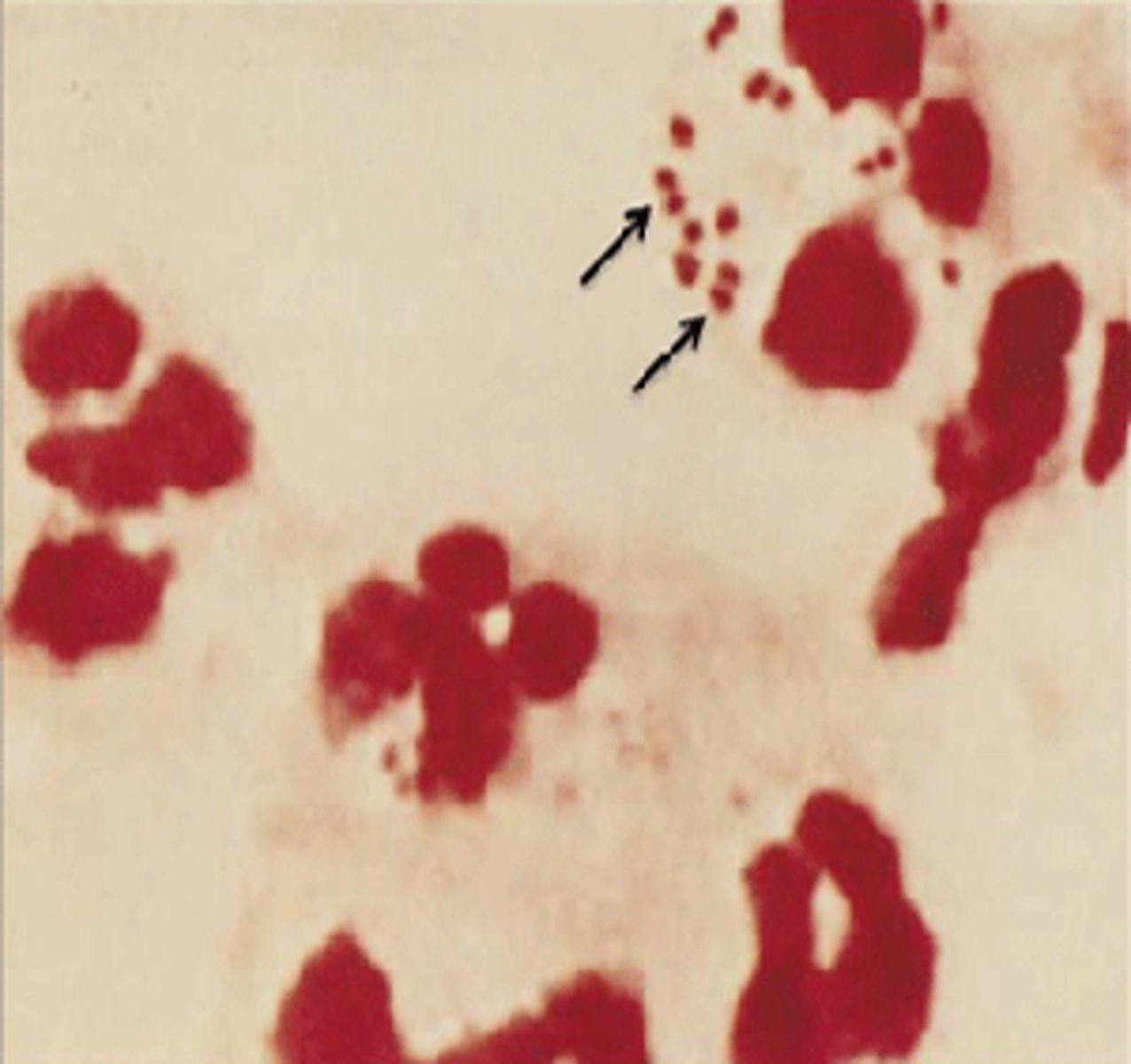
CSF gram stain results: gram - diplococci
meningococcus
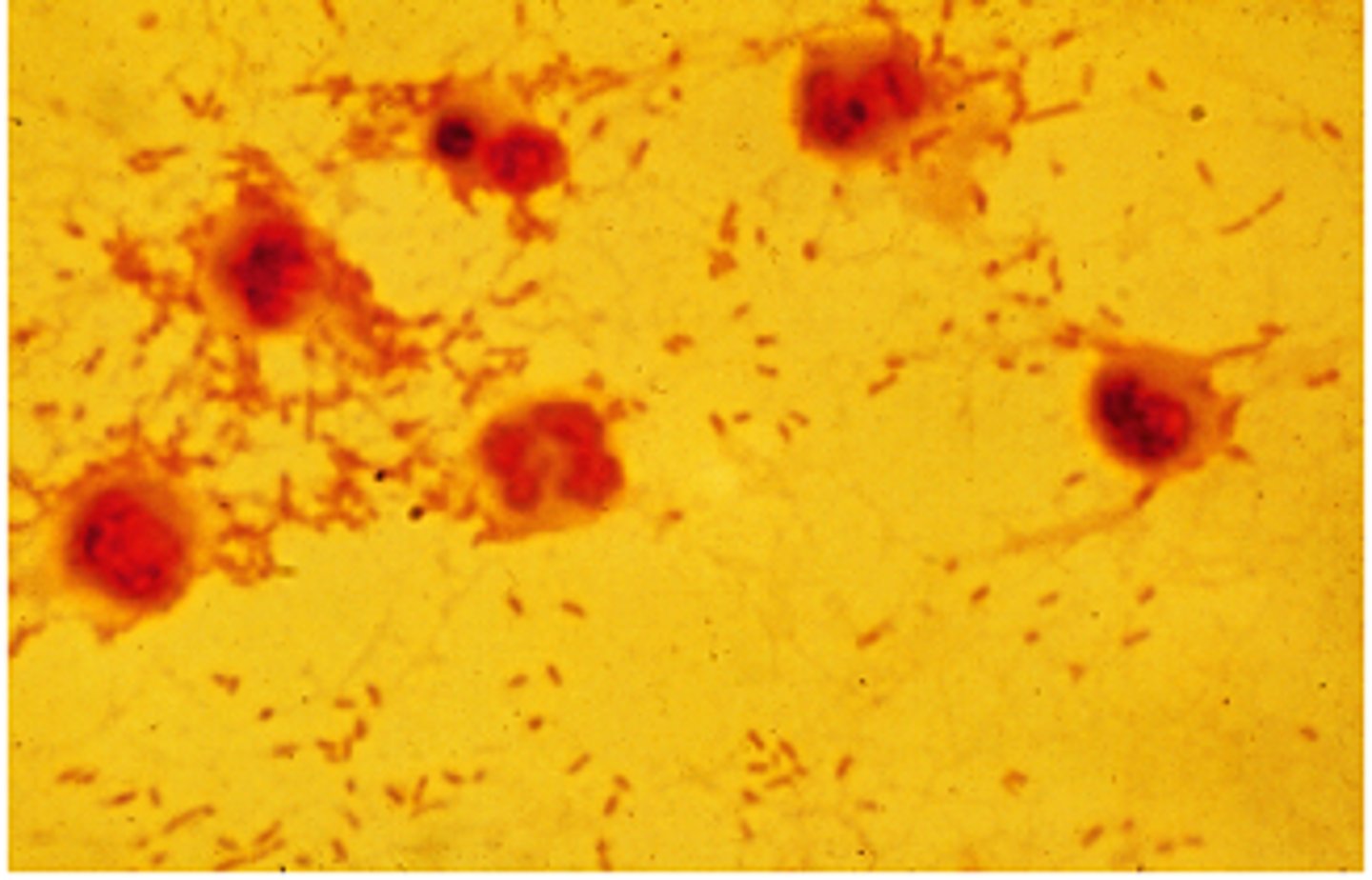
CSF gram stain results: small, pleomorphic, gram - coccobacillis
H. influenzae
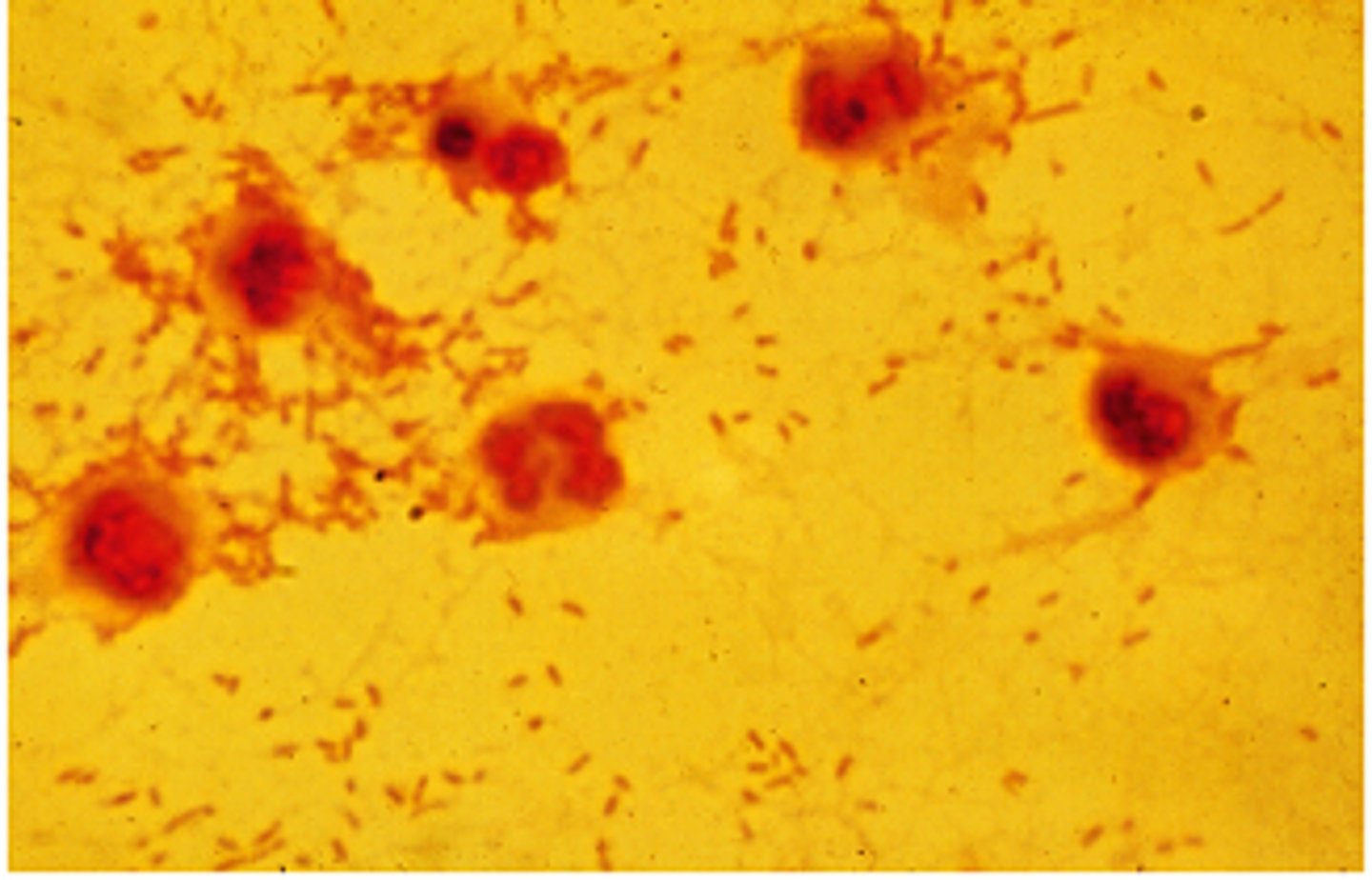
CSF gram stain results: Gram + rods/coccobacillis
Listeria
organism that target infants <1 month
Group B strep & Listeria
Ampicillin/penicillin targets
Listeria
Organisms that target infants 1-3 months
GBS & Strep. Pneumoniae
Organisms that target infants 3mo.-50years
GBS
Strep. Pneumoniae
Organism that targets older than 50 yrs
Listeria
Meningitis treatment: Antibiotics used in <1 month
Ampicillin & Cefotaxime
Cefotaxime targets what bacteria
Group B Strep
Meningitis treatment: Antibiotics used < 1 month
Ampicillin + cefotaxime
Meningitis treatment: Antibiotics used in 1-3 months
Ampicillin/cefotaxime
OR
Ceftriaxone (CTX)
Meningitis treatment: Antibiotics used in 3 months - 50 yrs
Vancomycin + Third Generation Cephalosporin
Meningitis treatment: Antibiotics used in >50 years
Vancomycin
+
Ampicillin
+
Third Generation Cephalosporin
Meningitis treatment: Antibiotics used in Immunocompromised
Vancomycin + Ampicillin + Meropenem/Cefepime
Meningitis treatment: Antibiotics used in Basilar skull fracture
Vancomycin + 3rd generation cephalosporin
Meningitis treatment: Antibiotics used in Head Trauma/ Post Neurosurgery
Vancomycin + ceftazidime or cefepime or meropenem
Meningitis treatment: Antibiotics used in CSF shunt/drain
Vancomycin + ceftazidime or cefepime or meropenem
Bacterial Meningitis: Organism Specific Therapy
Streptococcus pneumoniae
Penicillin, 3rd generation cephalosporin, Vancomycin
Bacterial Meningitis: Organism Specific Therapy
Neisseria
3rd generation cephalosporin, penicillin/ampicillin if susceptible
Bacterial Meningitis: Organism Specific Therapy
Streptococcus agalactiae (GBS)
Ampicillin, Penicillin, 3rd generation cephalosporin
Bacterial Meningitis: Organism Specific Therapy
Listeria
Ampicillin or Penicillin
when would you add dexamethasone for bacterial meningitis?
Attenuates subarachnoid space inflammatory response resulting from antimicrobial-induced lysis:
- HIB and pneumococcal meningitis (kids)
- pneumococcal meningitis (adult)
Meningitis Prophylaxis
only needed for? goal?
•Only needed for Neisseria
•Goal: Eliminate nasopharyngeal carriage that could lead to infection
at risk individuals - who to target for Meningitis prophylaxis?
Close contact with index case
•Household members
•Close intimate contact
Health care members
•Suctioning
•Mouth to mouth resuscitation
Meningitis Prophylaxis regimen
•Rifampin 2x/d for 2 days
•Ciprofloxacin 1x
•Ceftriaxone IM X1 (pregnant)
Aseptic Meningitis
meningitis caused by nonbacterial organisms
•More common than bacterial
•Prognosis is much better than bacterial
•Short, benign, self-limited course
Leading cause of aseptic meningitis
other causes?
Enterovirus (most common in US)
•Viruses: Enterovirus (most common in US), Herpes viruses, Polio viruses, Mumps virus, Arboviruses, Measles, Rotavirus
•Spirochetes: Syphilis, Lyme
•Immunizations
•Drugs: NSAIDS, Sulfonamides, TMP-SMX, Immunosuppresives
Aspetic Meningitis: Clinical Manifestations
•Sick but clearly not bacterial meningitis
•Fever
•Stiff neck (mild)
•Photophobia
•Lymphadenopathy
•No petechial rash
Aseptic Meningitis: CSF Findings
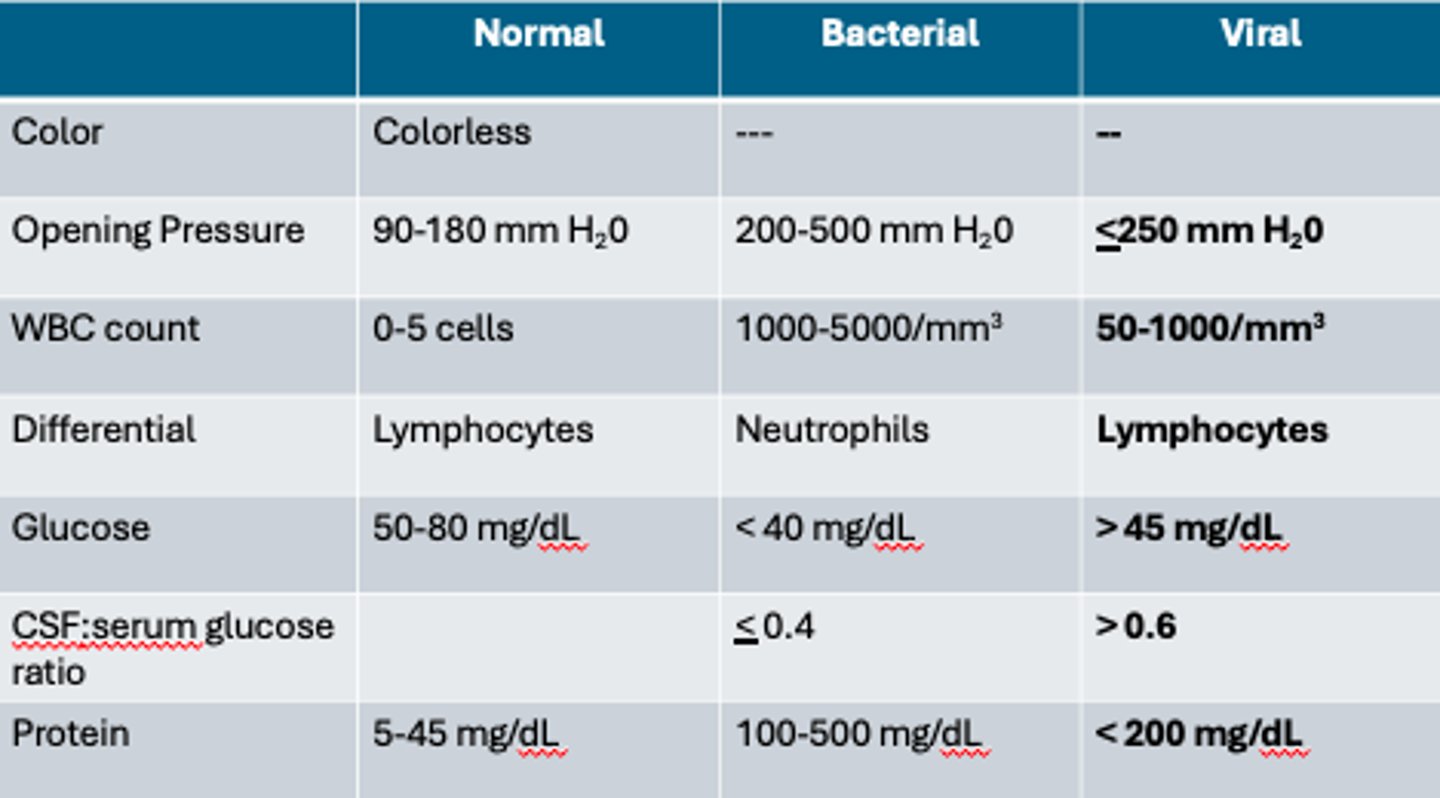
Meningitis Sequela include?
Bacterial Meningitis:
•Mortality: Over 20%
•Morbidity: Hearing loss, Cognitive impairment, Seizures
Viral Meningitis:
•Mortality: less than 1% with the greatest mortality among the elderly and neonates
Encephalitis: Epidemiology
•20,000 cases annually/US
•10% in USA is attributed to Herpes simplex
•Most no etiology identified
Meningitis vs Encephalitis
in encephalitis there are abnormalities in brain function (altered mental status, motor/sensory deficits, changes in behavior, speech and movement)
Encephalitis Etiology
•Viral: ex. HSV, Arboviruses, West Nile Virus
•Autoimmune
•Medications
•Unknown
Encephalitis: Clinical Manifestations
•Acute onset of fever
•Headache
•Altered level of consciousness ***
•Behavioral and speech disturbances
•Neurologic signs: hemiparesis, cranial nerve palsies, seizures
HSV Encephalitis - epidemiology and where in parenchyma affected specifically?
•Biphasic age distribution
•Characteristic temporal lobe disease
•Focal neurological finding
symptoms of HSV encephalitis
fever, personality change, dysphasia, autonomic dysfunction
diagnostics for HSV encephalitis
•EEG: periodic lateralizing eliptiform discharges
•MRI
•CSF: lymphocytic meningitis, RBCs, pleiocytosis, normal 5-10% on initial evaluation; PCR, if negative repeat in 3-7 days
Treatment of HSV encephalitis
IV acyclovir
outcome of HSV encephalitis
•70% Mortality with no/ineffective treatment
•Mortality 20-30%, morbidity 50%
Herpesviruses and associated findings
VZV, EBV, HHV6, B virus, CMV
•Varicella-zoster virus: +/- rash, focal neurologic deficits and seizures
•EBV: Encephalitis +/- transverse myelitis
•HHV 6: immunocompromised/children
•B virus: primate bite/scratch
•CMV: immunocompromised/HIV
arbovirus encephalitis
•Viruses spread animal-animal by bite of an infected arthropod (commonly ticks/mosquitoes taking blood meal)
•Most asymptomatic or mildly symptomatic
arboviruses - severe disease risk especially in?
Severe disease: Risk in immunocompromised and elderly
• May have encephalitis or viral meningitis like picture
• Example - Japanese encephalitis and West Nile
Most common cause of epidemic encephalitis
west nile virus
most common cause of epidemic viral encephalitis in the United States
Route of transmission of west nile
•Bite of mosquitoes (Culex) infected with West Nile Virus
•Mosquitoes become infected when they feed on infected birds
•Humans are incidentally infected
West Nile Virus: Clinical Syndromes
Presentation
• mostly asymptomatic
• West Nile Fever: acute febrile flulike illness
• fever, HA, fatigue, anorexia, myalgias, amd lymphadenopathy.
• maculopapular rash of trunk/limbs
Severe WNV Disease (1%) in what populations
Severe WNV Disease (1%) usually older (>60)
•Meningitis
•Encephalitis/Meningoencephalitis
•Poliomyelitis-like flaccid paralysis
West Nile Virus: Diagnosis
•Serum IgM antibody (8-14 d of onset)
•CSF --> lymphocytic pleocytosis and elevated protein; glucose is normal
•CSF IgM (preferred for CNS infection)
•CSF PCR (<60% sensitivity)
•Neuroimaging
West Nile Virus: Treatment
Supportive
Powassan Virus transmission
tick vector
Powassan Virus symptoms
1-3 day prodrome of fevers, chills, malaise, somnolence, N/V
-->
CNS symptoms with confusion, coma, seizures, paresis, facial palsies, etc
Powassan Virus Diagnosis
Serum and CSF IgM testing
Powassan Virus treatment
supportive
Case Fataility: 10% with high incidence of neurologic dysfunction in survival
Other Arboviruses
•St. Louis encephalitis virus - mosquito vector
•Japanese encephalitis virus - most common mosquito vector encephalitis worldwide
•Tickborne encephalitis virus - Tick vector
•La Crosse virus- mosquito vector
•Eastern equine encephalitis virus - mosquito vector
CNS Infections: Key Points
•Meningitis is caused by the inflammation of leptomeninges due to bacterial, viral or non-infectious etiologies
•Encephalitis is caused by inflammation of the brain parenchyma and noted by altered or depressed level of consciousness
•Bacterial meningitis has a high rate of morbidity and mortality and requires immediate empiric treatment based on risk/age group while undergoing diagnostic work-up
•Most cause of encephalitis have no identified cause
•Among the causes of viral encephalitis - only HSV has an antiviral treatment, most other causes the treatment is supportive