Science grade 9 exams prep
 Call Kai
 Learn
Learn Practice Test
 Spaced Repetition
 Match
Match Flashcards
 Knowt Play
1/118

There's no tags or description
Looks like no tags are added yet.
Name | Mastery | Learn | Test | Matching | Spaced | Call with Kai |
|---|
No analytics yet
Send a link to your students to track their progress
119 Terms
At midnight, what process are the cells of a plant doing?
cellular respiration
What do decomposers do for the environment
they convert large molecules into simpler molecules that can then be recycled
is fog a form of precipitation
no
what are all living things made up of
carbon
Is carbon the most abundant element in the universe
no
what does burning fossil fuels do with carbon dioxide
resleases more of it into the atmosphere
what does denitrifying bacteria do
return nitrogen to the atmosphere
What is an organism that eats producers or other consumers called
heterotroph (consumer)
What is a population
All the members of the SAME SPECIES living in the same ecosystem
What is a community
The collection of ALL THE POPULATIONS of the DIFFERENT SPECIES in an ecosystem
what is an ecosystem
A defined area where certain populations interact
what is a niche
a specific role/place occupied by an organism in the environment
what is a habitat
the conditions required for an orgainism to live
what is a tropical rainforest an example of
ecosystem
what is the muddy bottom of a pond an example of
habitat
All the dandelions growing on a school field are a…
population
the open ground where dandelions grow is a…
habitat
what is the word equation for photosynthesis
carbon dioxide+water+sunlight—>oxygen+sugar
what is the word equation for cellular respiration
glucose+oxygen—>carbon dioxide+water+energy
What happens in the carbon cycle
carbon atoms travel between four reservoirs
atmosphere, land, oceans, living organisms
plants absorb it from the atmosphere
animals get it from eating plants
fossil fuels combust to get released into the atmosphere
what happens in the nitrogen cycle
moves through atmosphere, soil, water, living organisms
bacteria fixes the atoms into plant roots
Animals can get the nitrogen from eating the plants
when biotics die the nitrogen returns to the soil
denitrifying bacteria returns the nitrogen into the atmosphere as a gas
in a series circuit, current is different everywhere
false
it is the same everywhere
how is voltage split in a series circuit?
proportional to resistance for each load
(V1=IxrR)
does a load get more voltage with higher resistance?
Yes
In a parallel circuit, do electrons only go through one loop each time they run the circuit?
Yes. They only can go through one each time they go around.
What does it mean if an electron can only loop through one circuit at a time in a parallel circuit for voltage?
it means they share all of the total voltage with the load in the loop
what is the equation for the total current in a parallel circuit
iT=i1=i2+…
in a parallel circuit, which path is an electron more likely to travel through?
the one of least resistance (1 ohm opposed to five ohms)
What is it called when the charge builds up and doesn’t move
static
What happens when one previously charged object touches a neutral object
The neutral object gets a charge
results in both having the same charge
What happens when a charged object is brought close to a neutral object
The charges in the neutral object rearrange so that the opposite of the charged object is closer to it.
Makes one side of the neutral object positive and one side negative
How do you make charging by induction permanent
Grounding the object (touching it against something so that the electrons can escape, and then taking away that thing so that the protons stay in the first object but not the electrons)
def of static electricity
the buildup of an electrical charge on the surface of materials caused by an imbalance between positive and negative charges
What happens if a positive object touches a neutral object
the positive object pulles
What are the three main hazard groups?
Physical
Health
Environmental
What are some examples of physical properties?
colour, melting point, boiling point, density, flexibility, strength, conduction of heat or electricity
(determined by looking or handling)
What are some examples of chemical properties?
flammability, ph (acidity), toxicity, reactivity
(determined by testing or chemical reactions)
What group are alkali metals in?
group 1
What group are halogens in?
group 7
what group are noble gases in?
group 8
What do periods determine in bohr diagrams?
the number of energy shells in the diagram
What are some physical properties of metals
high melting points
all solid (except mercury)
good conductors
high density
malleable
ductile
sonorous
What are some physical properties of non-metals
low melting points
solids, liquids, and gases
poor conductors
low density
non malleable
non ductile
non sonorous
alkali chem properties
Very reactive with water
halogen chemical properties
very reactive
very toxic
noble gas chem properties
non-flammable
unreactive in most cases
What is particle theory?
A way to describe the structure of matter and its behaviour.
all matter is composed of particles.
All particles have space between them
particles present in matter are always in motion
the particles in a substance attract each other
what is mass?
mass is a measure of the quantity of matter in an object
what is an atom?
the smallest part of an element that has all the element’s properties
what is atomic theory?
the study of the nature of atoms and how they combine to form all types of matter.
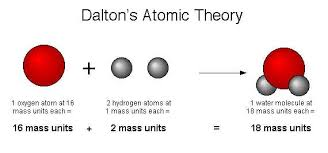
What did dalton add to atomic theory
he said atoms are small spheres with unique properties and they can be combined (billiard ball model)
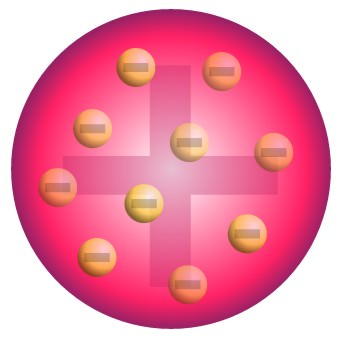
what did thomson add to atomic theory
found atoms are a combination of particles (electrons) which are negatively charged
(plum pudding model)
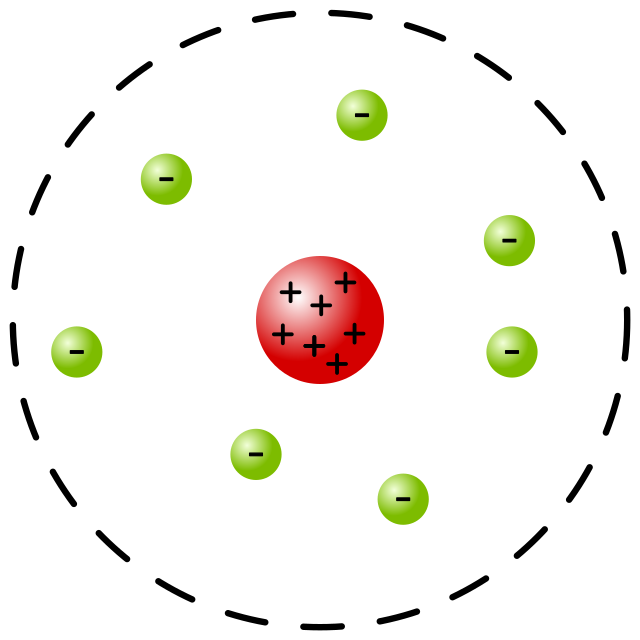
what did rutherford add to atomic theory?
conducted gold foil experiments and proved atoms are not spheres
they have a nucleus (positive) surrounded by electrons (negative)
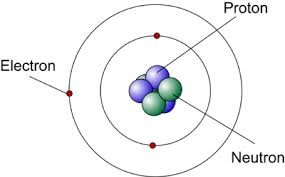
what did chadwick add to atomic theory
discovered that the nucleus has neutrons and protons
what did bohr add to atomic theory
found that electrons are on specific energy levels
they cannot be in the space between
they move by gaining or losing energy
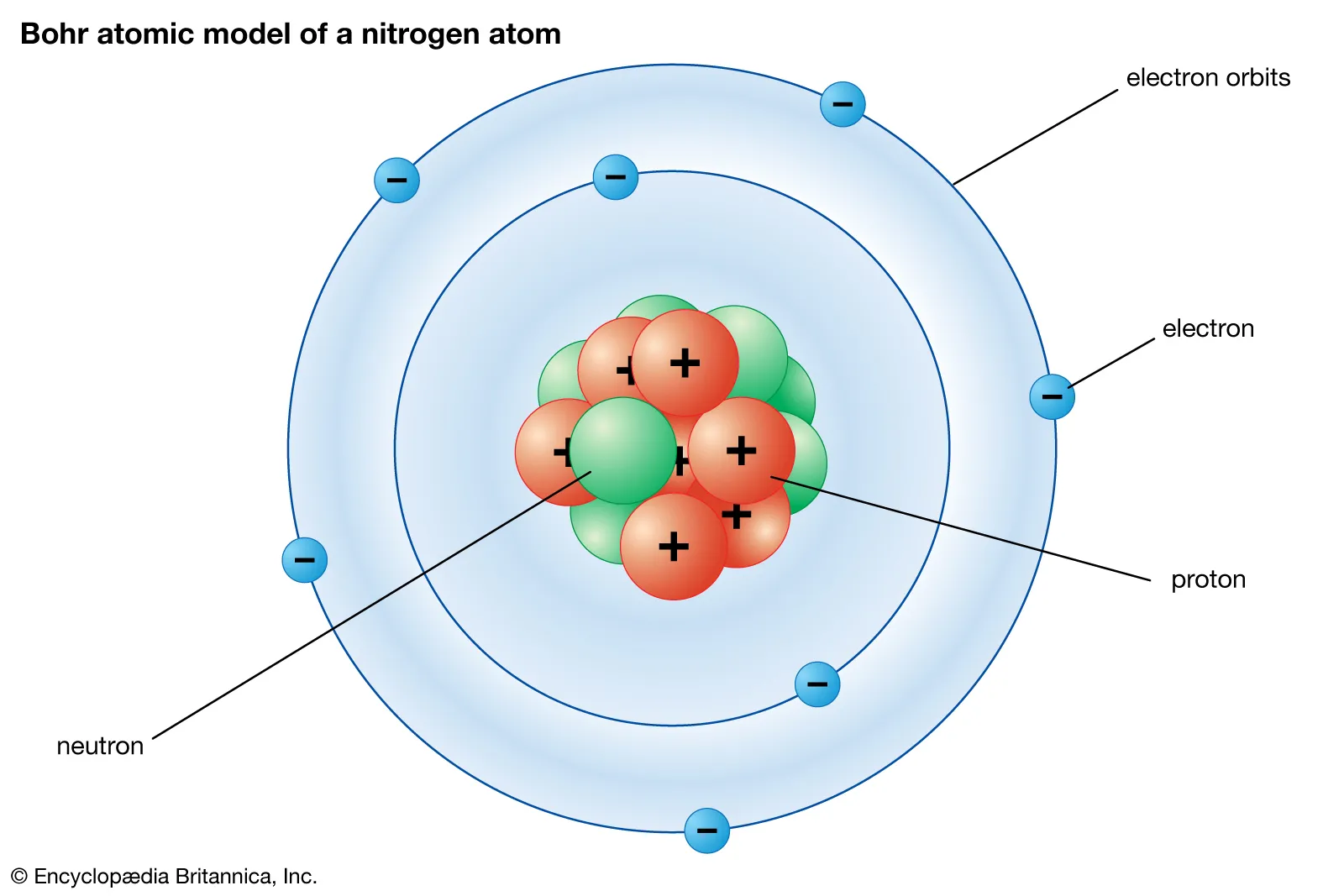
symbol
mass
charge
location (proton)
p+
1
+1
nucleus
symbol
mass
charge
location (neutron)
n0
1
0
nucleus
symbol
mass
charge
location (electron)
e-
~0
-1
energy levels around the nucleus
how many shells do elements in the first period have
1
how many shells do elements in the 2nd period have
2
what would [2,8,1] look like in a bohr diagram
2 electrons 1st shell
8 electrons 2nd shell
1 electron valence shell
what does the group number determine for bohr models
the number of valence electrons
identify the number of atoms
Cr²(CO^4)³
Chromium 2
carbon 3
oxygen 12
What is it called if an element loses an electron?
It is an ion of the element
Can an element lose a proton and still be the same element?
no, it will change.
Can an element lose an electron and still be the same element?f
yes, it will become an ion.
What is the chronological order of the researchers that studied atomic theory
Democritus
Dalton (thought of atoms as tiny solid balls)
Thomson (discovered electrons)
Rutherford (discovered protons)
Bohr (discovered energy shells)
Chadwick (discovered neutrons)
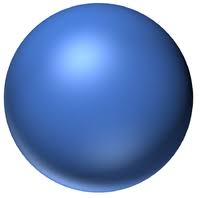
whose model
Dalton
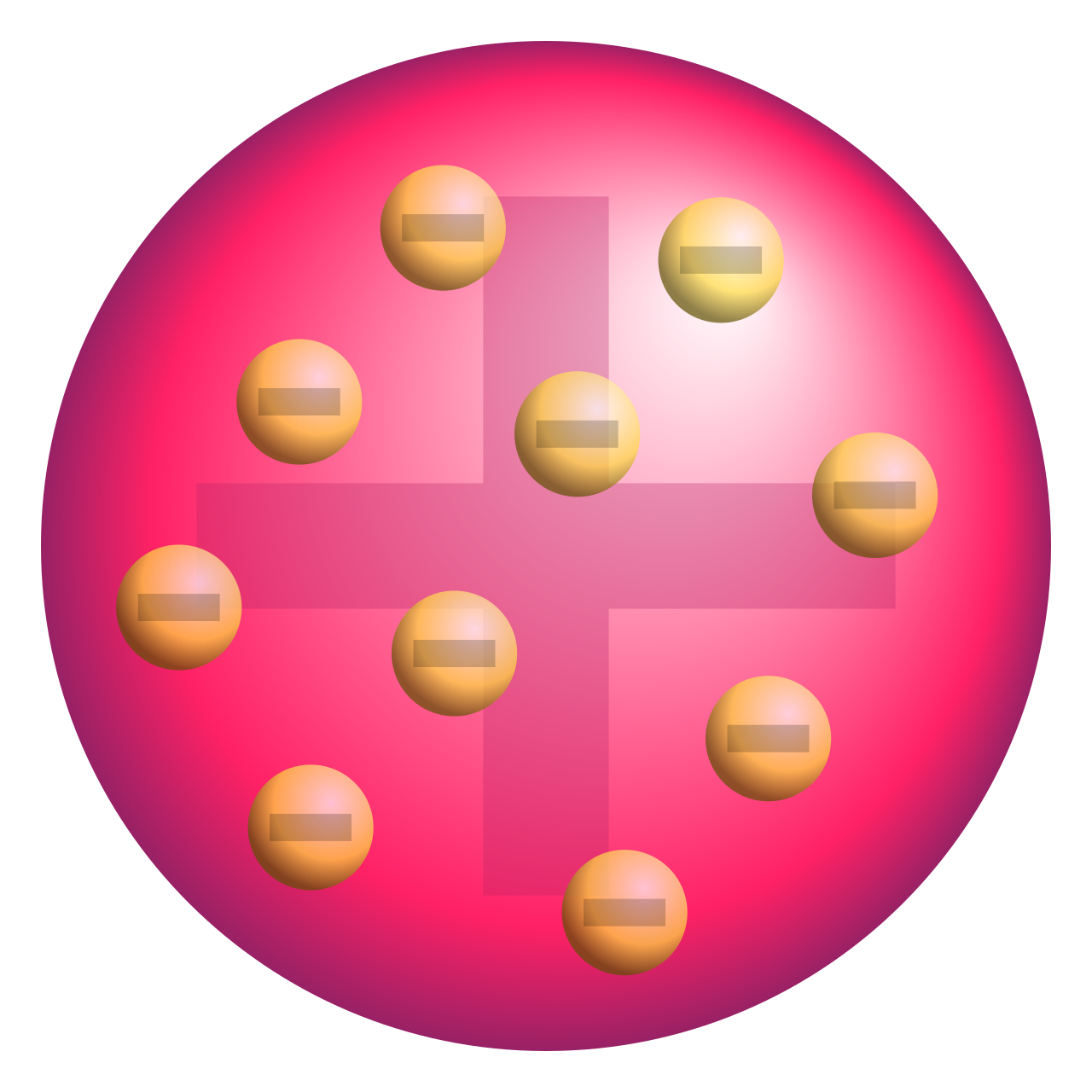
whose model
Thomson
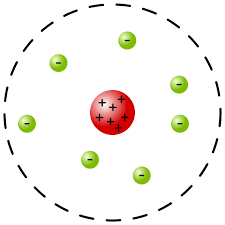
whose model
Rutherford
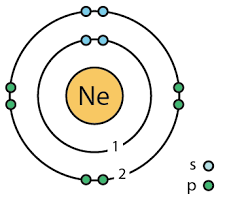
whose model
Bohr
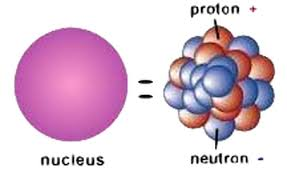
whose model
Chadwick
what are atoms with the same number of protons but a different number of neutrons?
isotope
does an elements atom change when an electron leaves?
No, it turns into an ion because the number of protons defines the element
What happens if a proton is taken from an element?
The element will change because the number of protons defines the element
True or false: the number of electrons defines the element
false: the number of protons defines the element
True or false: Rutherford discovered energy shells
false: he discovered protons (gold foil exp)
True or false: Dalton’s model is called the plum pudding model
Dalton’s model is called the billiard ball model
plum pudding = thomson
True or false: the period defines the number of energy shells
True
What does WHMIS stand for?
Workplace Hazardous Materials Information System
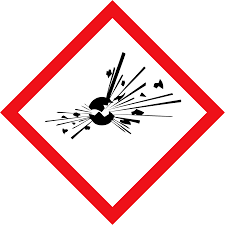
explosive
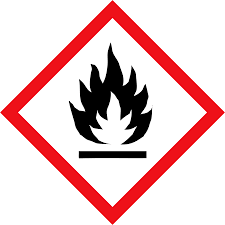
flammable
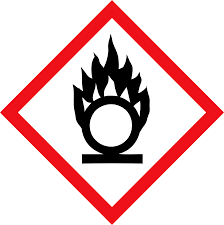
oxidizing-they give off oxygen that could fuel fire

gas cylinder-gases under pressure
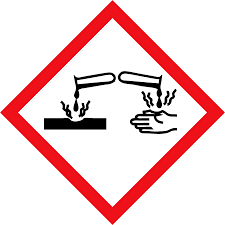
corrosive-burn through metals, skin, etc
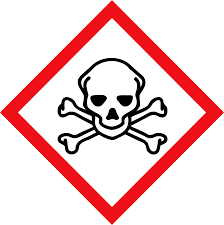
toxic/poison
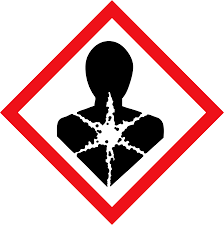
health hazard-may cause serious health effects
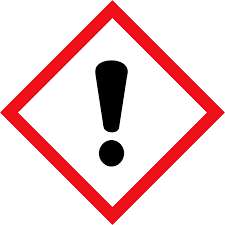
exclamation mark-may cause less serious health effects or damage the ozone layer
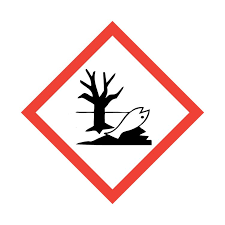
Environment-may cause damage to the aquatic environment
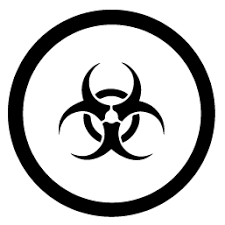
biohazardous infectious materials-organisms or toxins that can cause diseases
Hazard groups
physical, health, environmental

this CONTAINER can EXPLODE

This PRODUCT can BURN (CORROSIVE) on contact

This PRODUCT can CATCH FIRE

this PRODUCT can CAUSE ILLNESS OR DEATH (POISON) IF INGESTED
a TRIANGLE for hhps stands for
the container is hazardous
an OCTAGON for hpps stands for
the product is hazardous
hhps stands for
Hazardous Household Product Symbols
whmis stands for
Workplace Hazardous Materials Information System