NURS 307 Ch 9: Skin/Hair/Nails
 Call Kai
 Learn
Learn Practice Test
 Spaced Repetition
 Match
Match Flashcards
 Knowt Play
1/36

There's no tags or description
Looks like no tags are added yet.
Name | Mastery | Learn | Test | Matching | Spaced | Call with Kai |
|---|
No analytics yet
Send a link to your students to track their progress
37 Terms
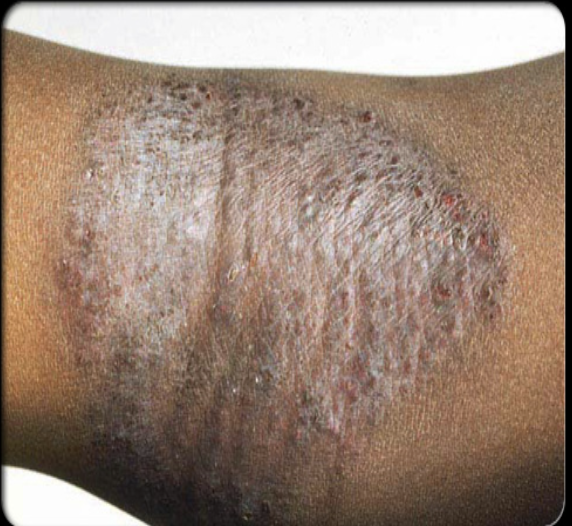
Eczematous Dermatitis
The most common inflammatory skin disorder; includes irritant, allergic, and atopic dermatitis.
Folliculitis
Inflammation and infection of a hair follicle and the surrounding dermis.
Furuncle (Boil)
Deep-seated infection of the pilosebaceous unit.
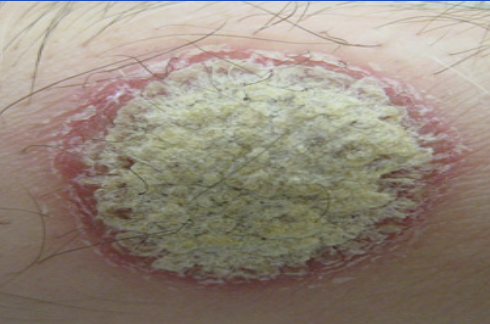
Psoriasis
Chronic autoimmune disorder of keratin synthesis characterized by silver-white scaling plaques.
Cellulitis
Diffuse, acute infection of the skin and subcutaneous tissue.
Tinea (Dermatophytosis)
Fungal infection involving the stratum corneum, hair, or nails.
Herpes Simplex Type 1 (HSV-1)
Usually associated with oral infections.
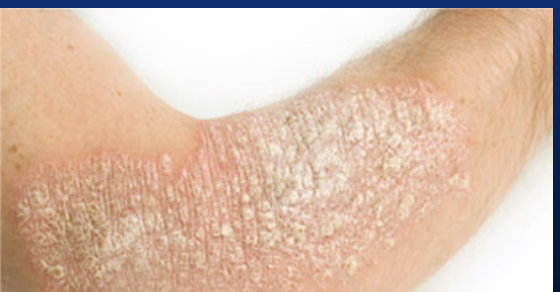
Herpes Simplex Type 2 (HSV-2)
Usually associated with genital infections.
Drug Eruptions
Immunologically mediated cutaneous reactions to medications.
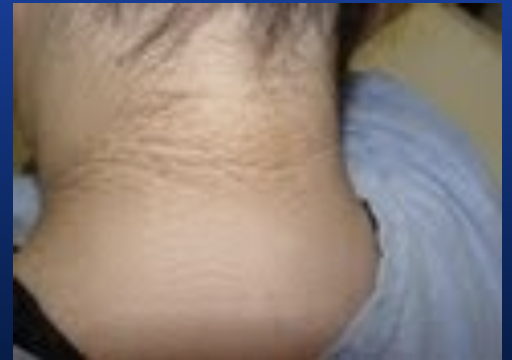
Acanthosis Nigricans
Nonspecific skin reaction associated with obesity, endocrine syndromes, malignancies, and inherited disorders.
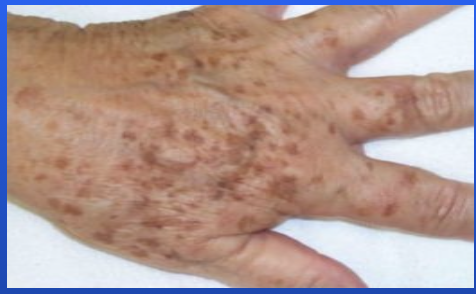
Lentigo
Brown skin spots caused by sun exposure.
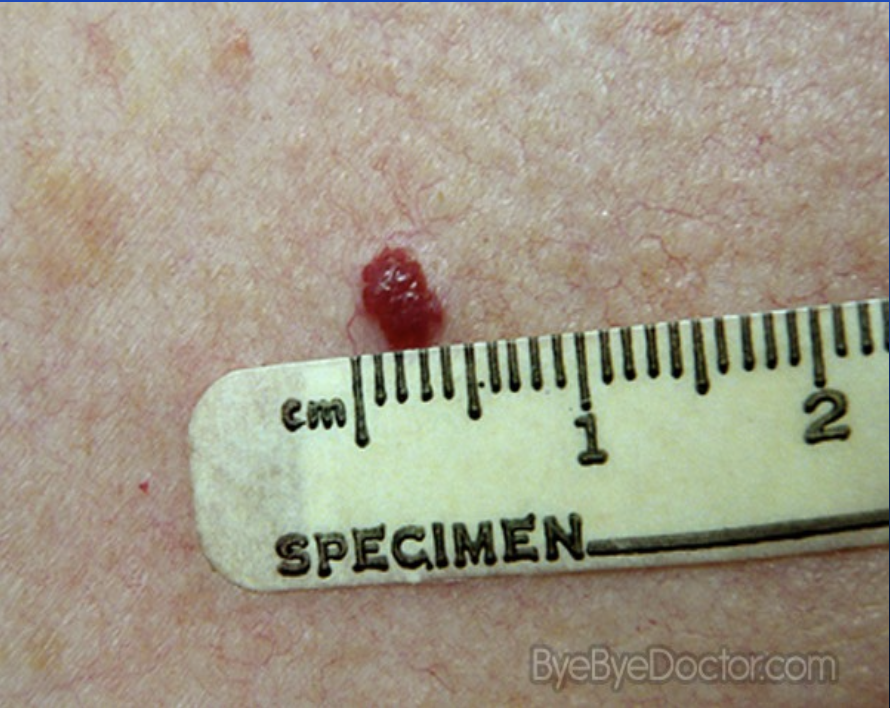
Cherry Angiomas
Harmless, age-related red vascular skin lesions.
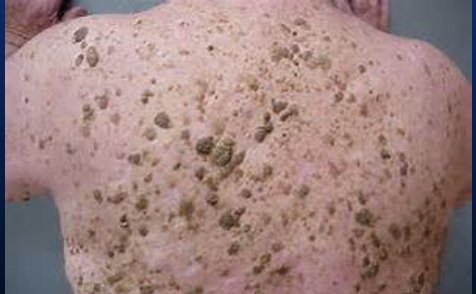
Seborrheic Keratosis
Benign brown, waxy or clay-like epidermal lesions. doesn't turn into cancer
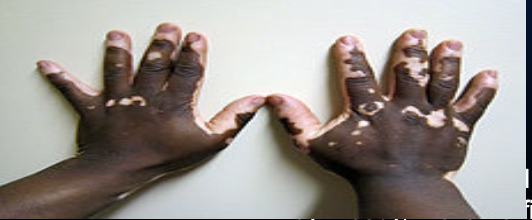
Vitiligo
Depigmentation of the skin due to loss of melanocytes.
Petechiae
Small red or purple spots often caused by platelet disorders. (<5 mm)
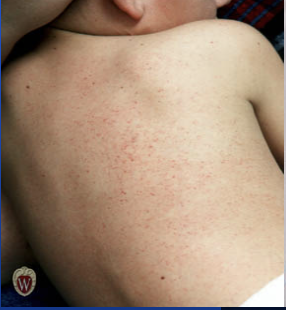
Purpura
Skin discoloration caused by inflammation of small blood vessels (vasculitis). (5 mm-1 cm)
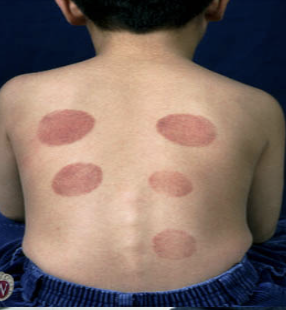
Ecchymosis
Bruising commonly associated with coagulation disorders. (>1 cm)
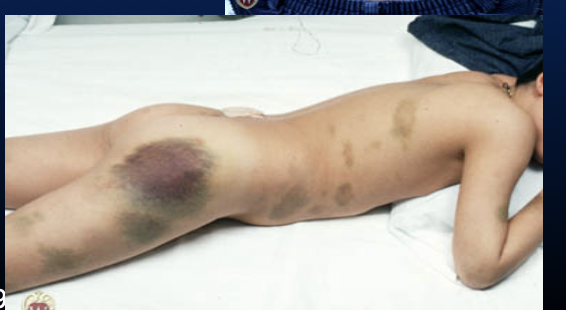
Basal Cell Carcinoma
Most common form of skin cancer.
Squamous Cell Carcinoma
Second most common form of skin cancer.
Malignant Melanoma
Lethal skin cancer arising from melanocytes.
Kaposi Sarcoma
Neoplasm of endothelial and epithelial skin tissues caused by Kaposi sarcoma-associated herpesvirus 8 (HHV-8); commonly associated with HIV.
Paronychia
Inflammation of the paronychium (tissue surrounding the nail).
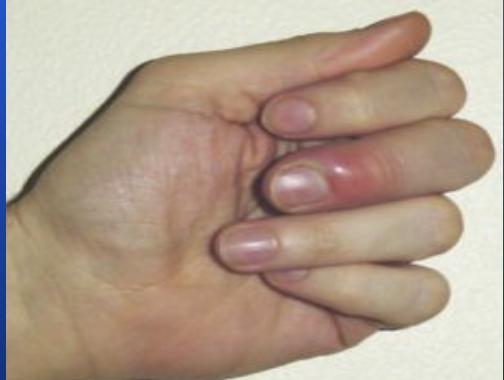
Onychomycosis
Fungal infection of the nail bed.
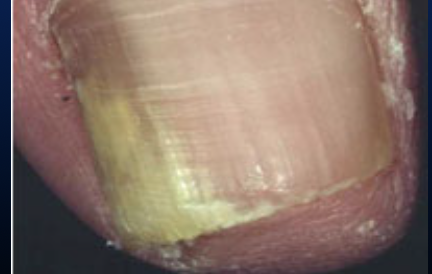
Ingrown Nail
Condition in which the nail pierces the lateral nail fold and grows into the dermis.
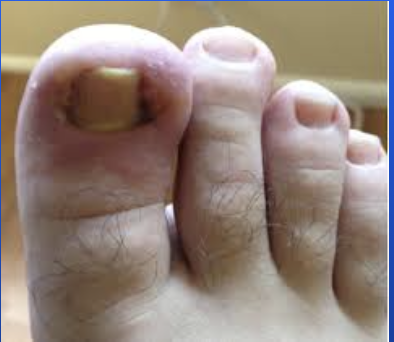
Subungual Hematoma
Bleeding beneath the nail plate caused by trauma, resulting in pain and discoloration.
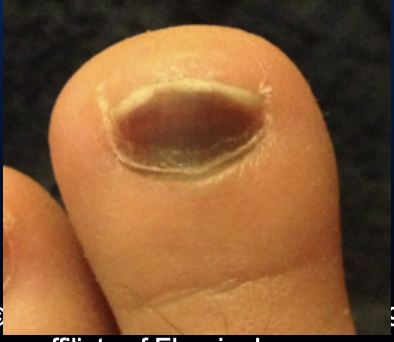
Koilonychia (Spoon Nails)
Nails with central depression and elevated edges; associated with iron deficiency anemia.
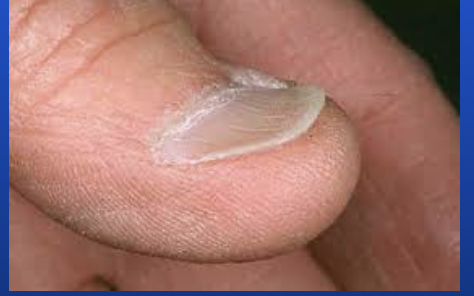
Beau Lines
Transverse depressions in the nail plate often caused by infection or decreased circulation.
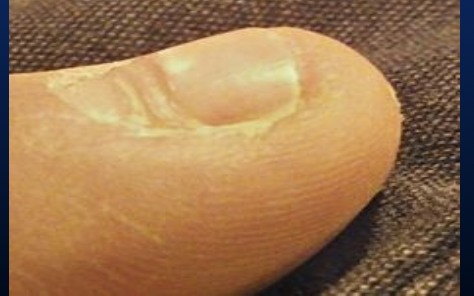
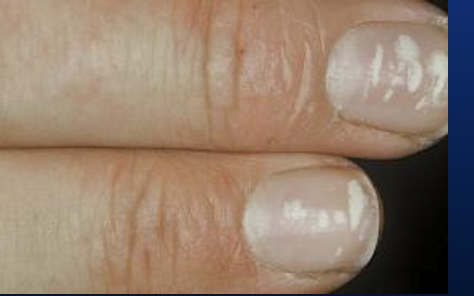
Leukonychia Punctata
White spots on the nail plate caused by low albumin levels or injury to the nail matrix.
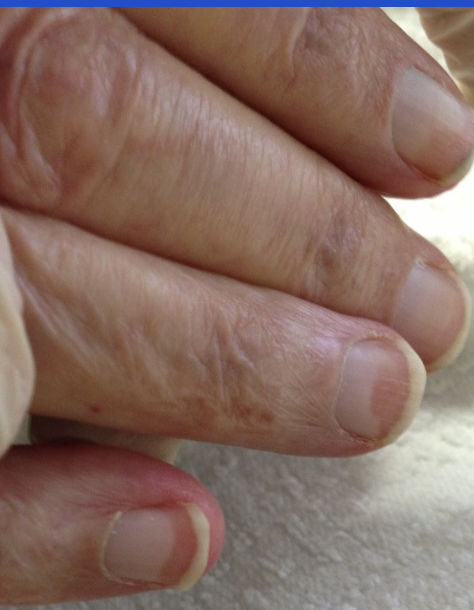
Terry Nails or White Banding
Transverse white nail bands with a distal brown arc; associated with aging, diabetes, heart failure, and liver disease.
Infant Seborrheic Dermatitis
Common dermatitis in infants, usually occurring within the first 3 months of life; etiology is not well understood.
Miliaria (Prickly Heat)
Skin eruption caused by sweat retention due to occluded sweat ducts in hot, humid conditions.
Impetigo
Common, contagious superficial bacterial skin infection.
Trichotillomania (Hair Pulling)
Loss of scalp hair due to repetitive pulling or manipulation.
Physical Abuse in Children
May present with bruises, burns, lacerations, scars, bony deformities, alopecia, retinal hemorrhages, dental trauma, and head or abdominal injuries.
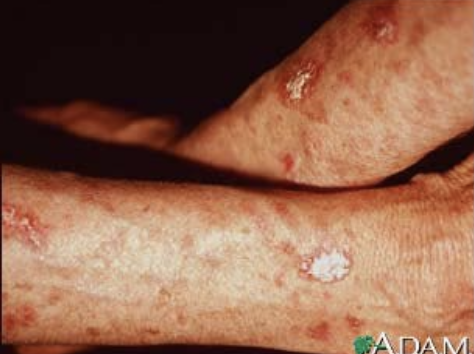
Stasis Dermatitis
Inflammation of the lower legs caused by chronic venous insufficiency.
Solar Keratosis (Actinic Keratosis)
Precancerous lesion caused by chronic sun damage; considered squamous cell carcinoma confined to the epidermis.
Physical Abuse in Older Adults
May present with bruising, burns, abrasions, or tenderness, especially in hidden areas such as the axillae, inner thighs, soles, palms, and abdomen.