AP Human Geography - Religion
 Studied by 0 people
 Call Kai
 Learn
Learn Practice Test
 Spaced Repetition
 Match
Match Flashcards
 Knowt Play
1/35

There's no tags or description
Looks like no tags are added yet.
Name | Mastery | Learn | Test | Matching | Spaced |
|---|
No study sessions yet.
36 Terms
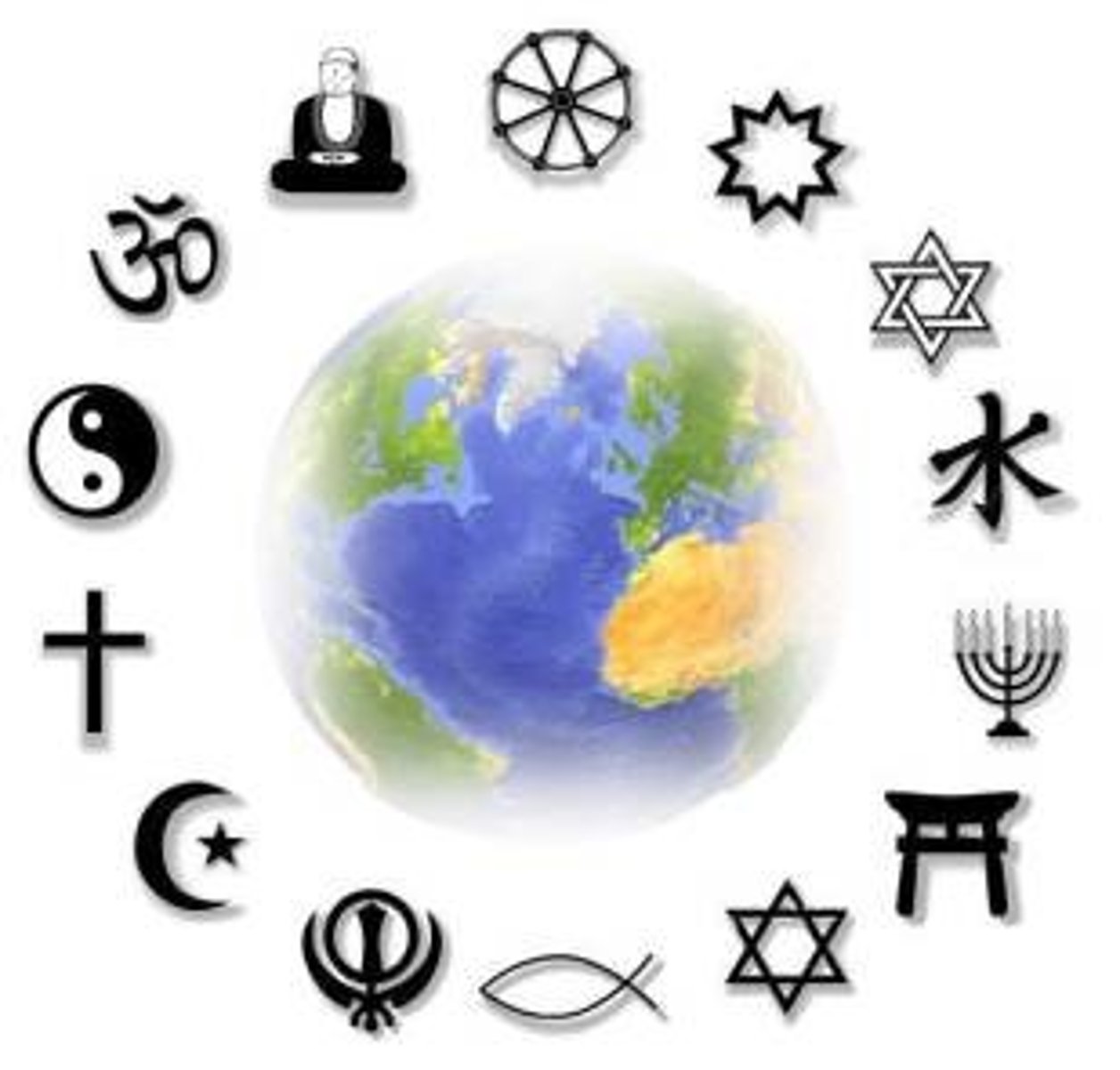
Religion
a system of beliefs and practices that attempts to order life in terms of culturally perceived ultimate priorities
Secularism
the idea that ethical and moral standards should be formulated and adhered to for life on Earth, not to accommodate the prescriptions of deity and promise of a comfortable afterlife.
Monotheistic Religion
belief system in which one supreme being is revered as creator and arbiter of all that exists in the universe

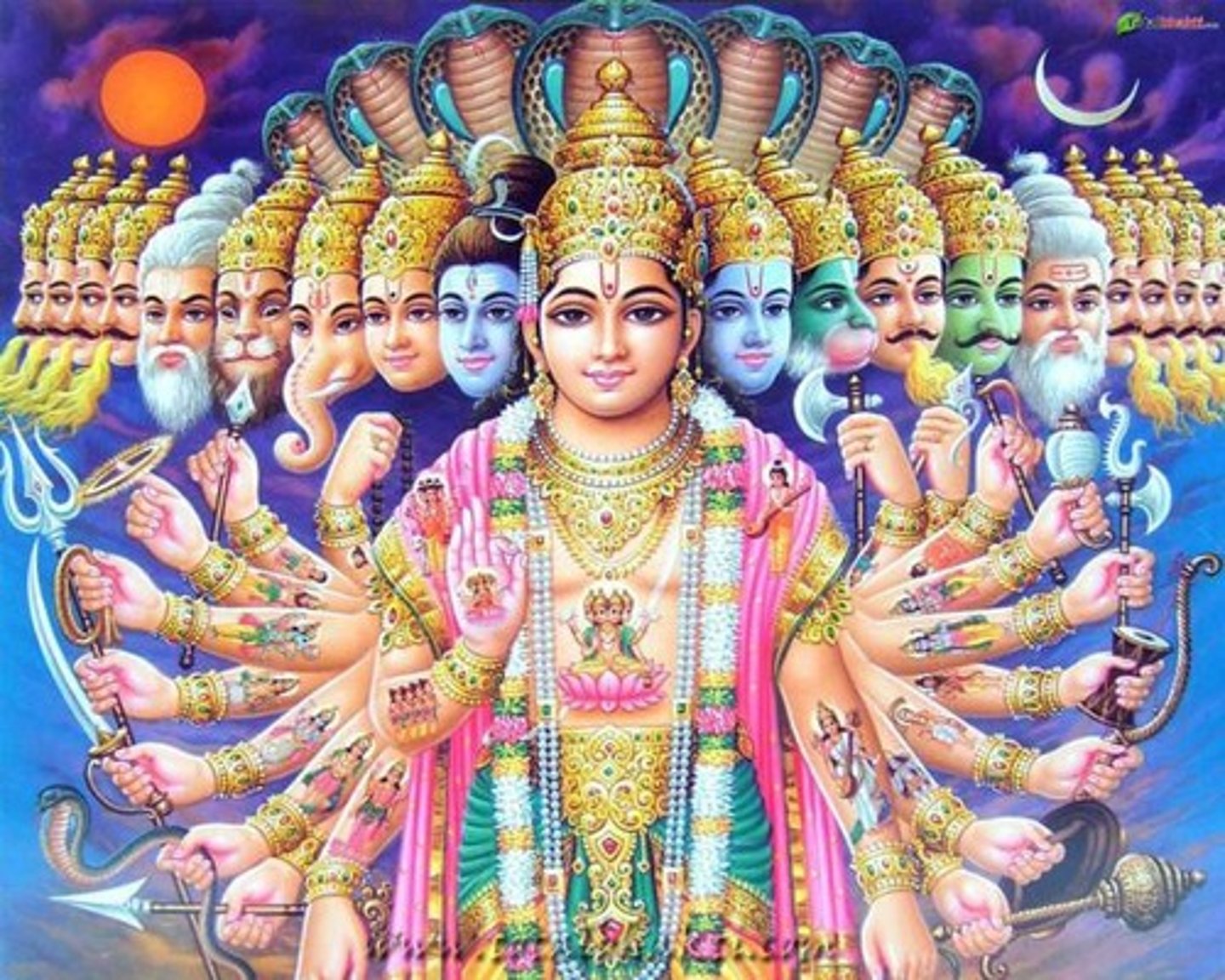
Polytheistic Religion
belief system in which multiple deities are revered as creators and arbiters of all that exists in the universe
Animistic Religion
the belief that inanimate objects, such as hills, trees, rocks, rivers, and other elements of the natural landscape, possess souls and can help or hinder human efforts on Earth
Universalizing Religion
a belief system that espouses the idea that there is one true religion that is universal in scope. Adherents of universalizing religious systems often believe that their religion represents universal truths, and in some cases great effort is undertake in evangelism and missionary work.
Ethnic Religion
a religion that is particular to one, culturally distinct, group of people.
Hinduism
one of the oldest religions in the modern world, dating back over 4000 years, and originating in the Indus River Valley of what is today part of Pakistan... is unique among the world's religions in that it does not have a single founder, a single theology, or agreement on its origins.

Caste System
the strict social segregation of people—specifically in India's Hindu society—on the basis of ancestry and occupation
Buddhism
religion founded in the sixth century BCE and characterized by the belief that enlightenment would come through knowledge, especially self-knowledge; elimination of greed, craving, and desire; complete honesty; and never hurting another person or animal.

Shintoism
religion located in Japan and related to Buddhism. .... focuses particularly on nature and ancestor worship.

Taoism
religion believed to have been founded by Lao-Tsu and based upon his book entitled "Tao-te-ching," or "Book of the Way." Lao-Tsu focused on the proper form of political rule and on the oneness of humanity and nature.

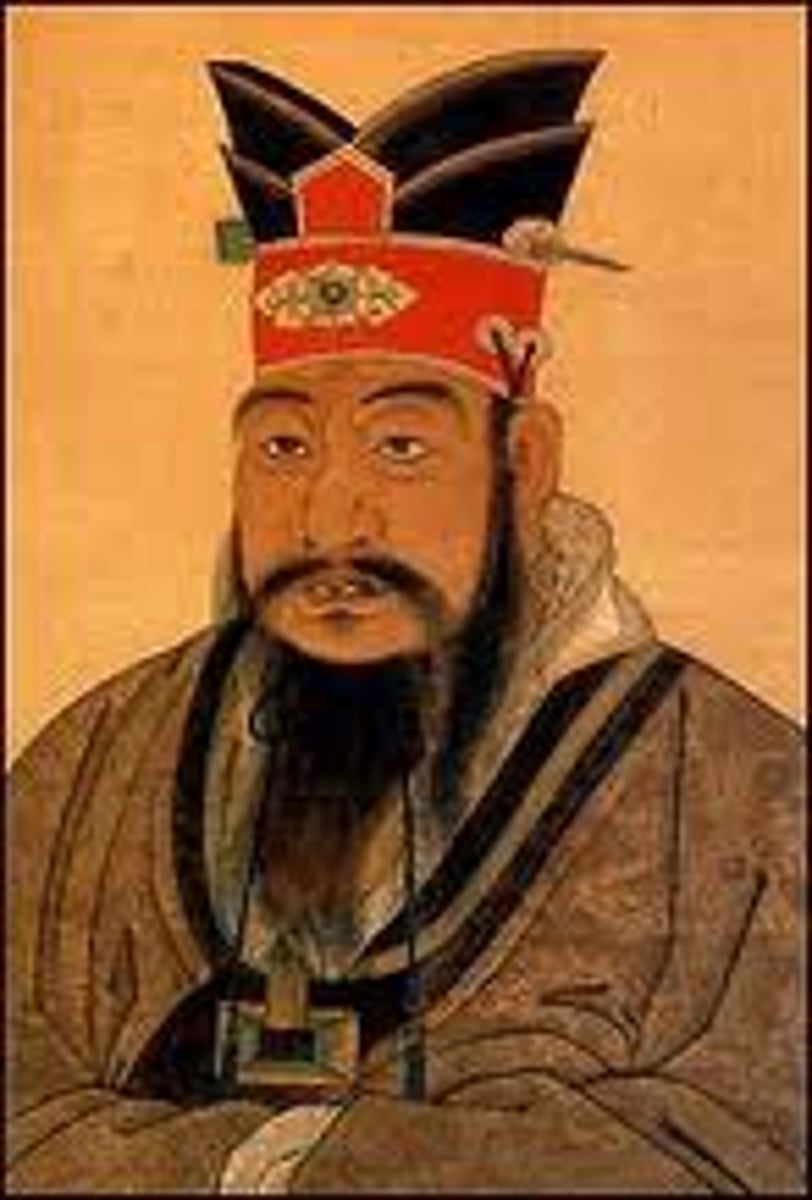
Confucianism
a philosophy of ethics, education, and public service based on the writings of Confucius and traditionally thought of as one of the core elements of Chinese culture.
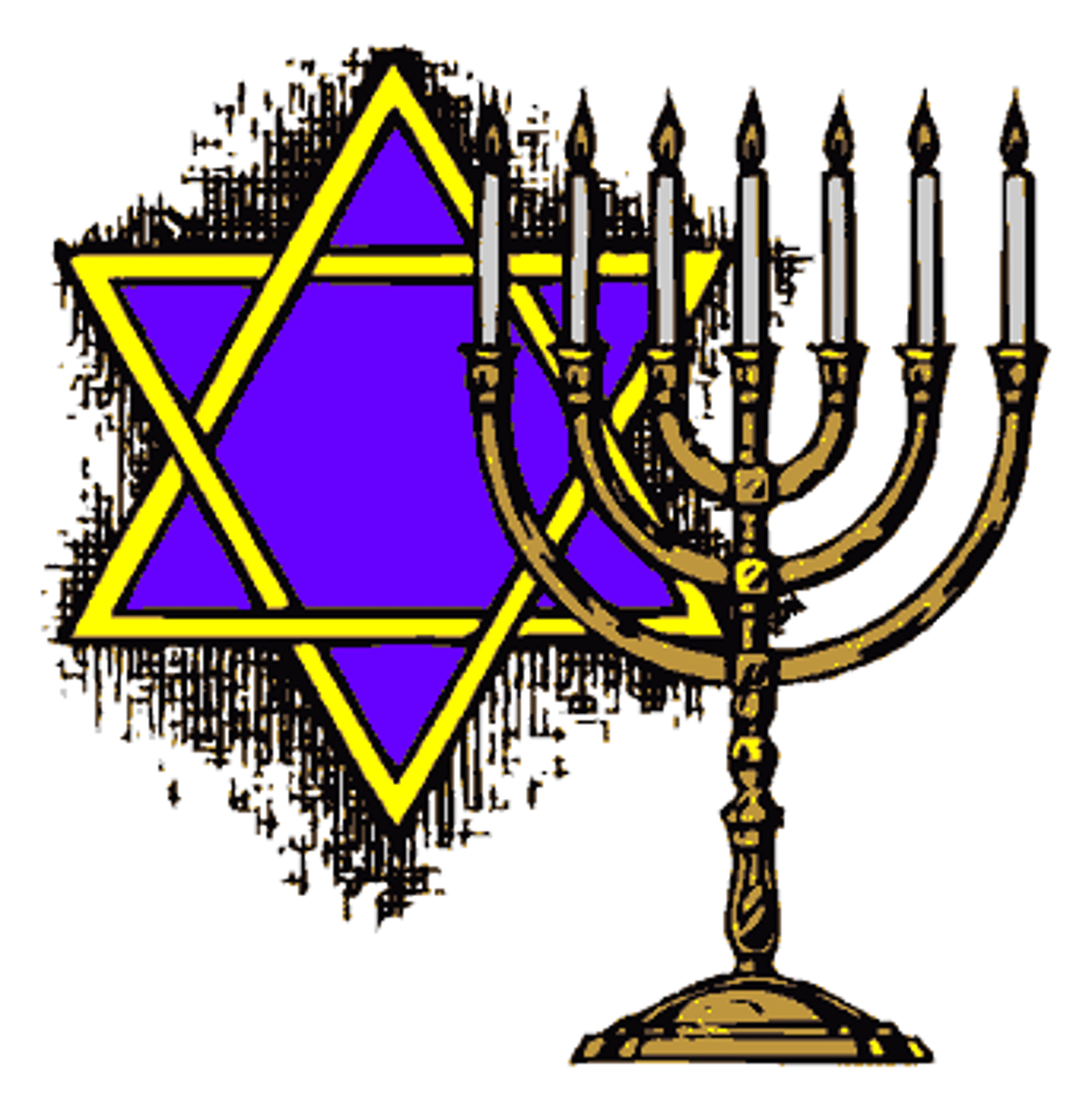
Judaism
religion with its roots in the teachings of Abraham (from Ur), who is credit with uniting his people to worship only one God. According to Jewish teaching, Abraham and God have a covenant in which the Jews agree to worship only one God, and God agrees to protect his chosen people, the Jews.
Diaspora
from the Greek "to disperse," a term describing forceful or voluntary dispersal of a people from their homeland to a new place. Originally denoting the dispersal of Jews, it is increasingly applied to other population dispersals, such as the involuntary relocation of Black peoples during the slave trade or Chinese peoples outside of Mainland China, Taiwan, and Hong Kong.
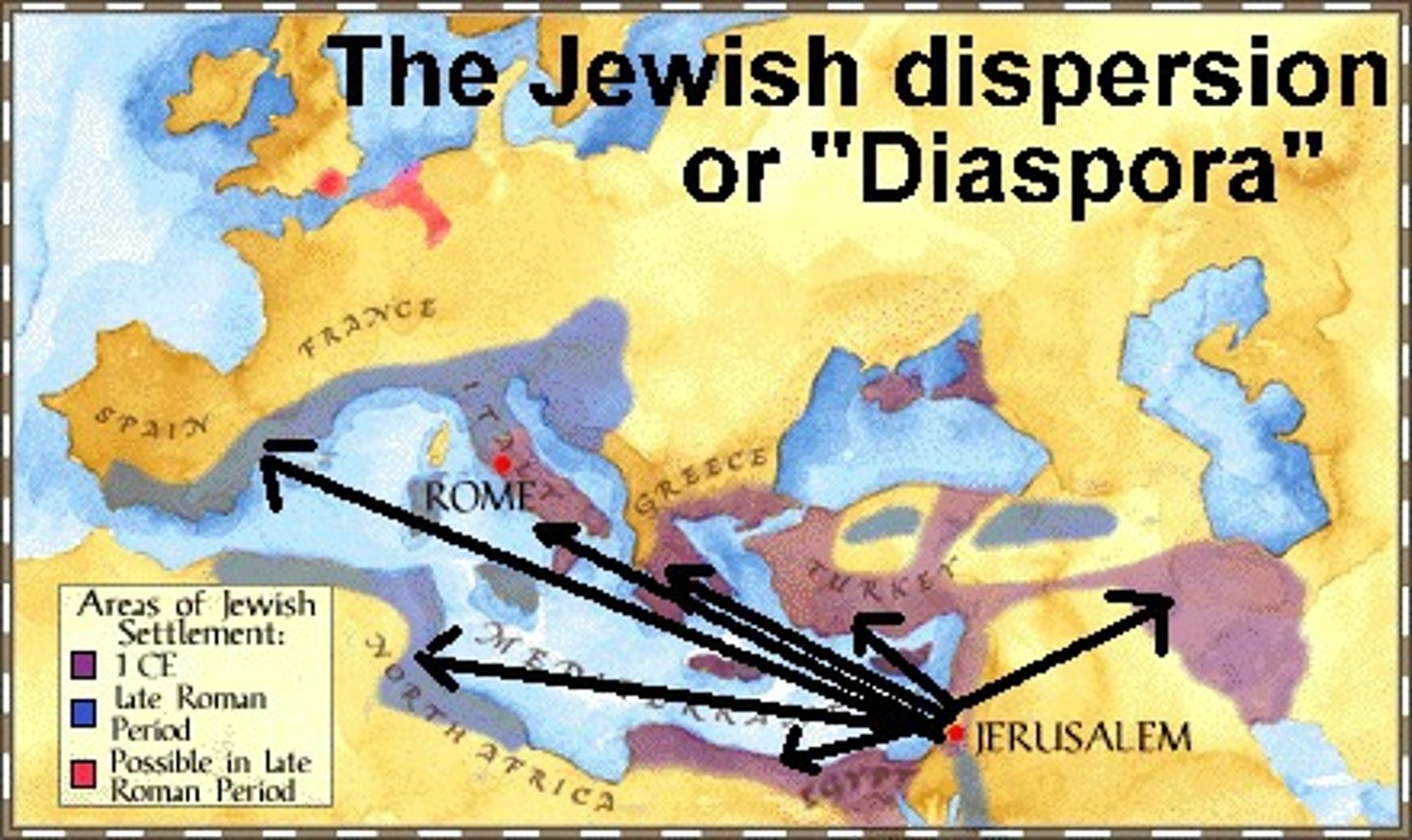
Zionism
the movement to unite the Jewish people of the diaspora and to establish a national homeland for them in the promised land
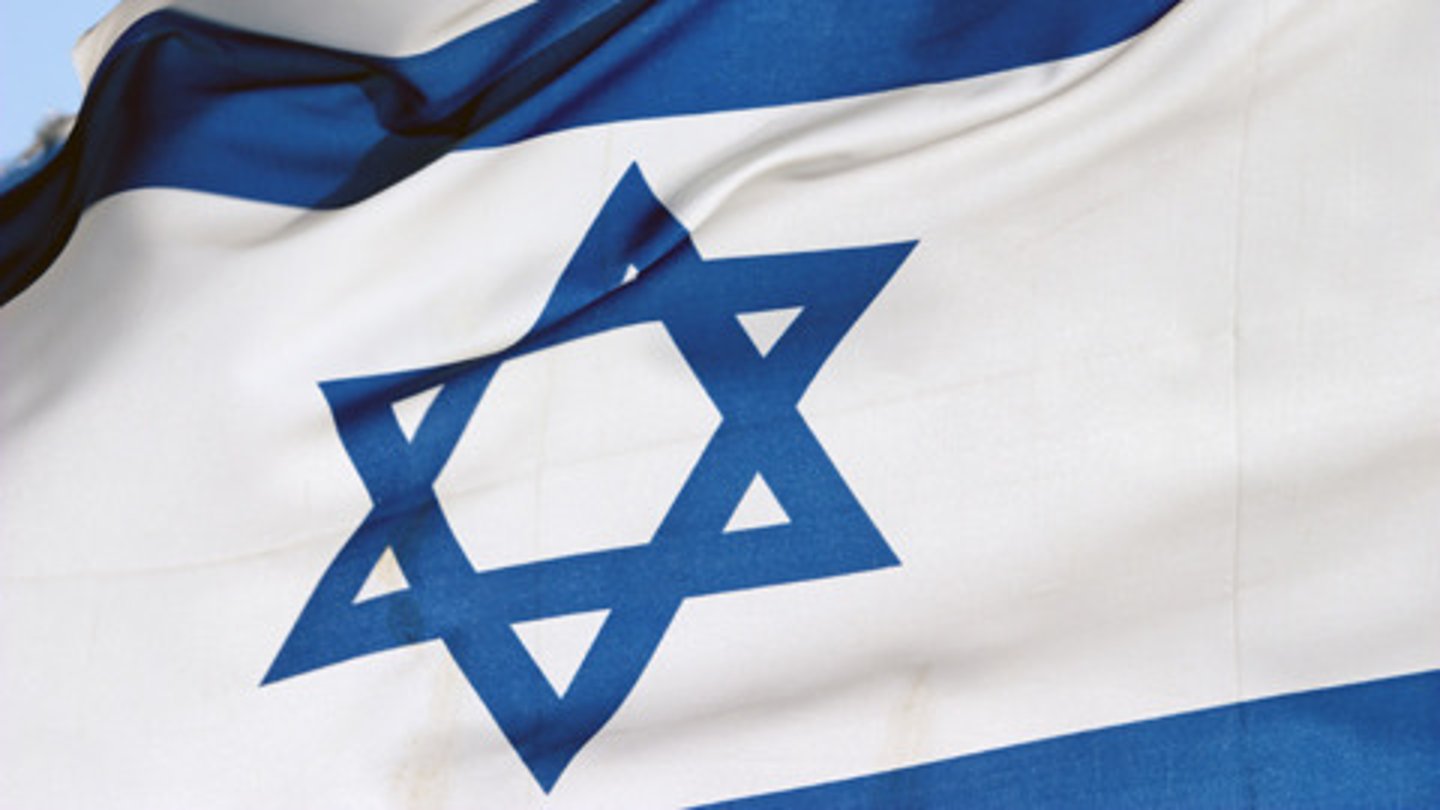
Christianity
religion based on the teachings of Jesus. According to Christian teaching, Jesus is the son of God, placed on Earth to teach people how to live according to God's plan
Eastern Orthodox Church (eoc)
one of the three major branches of Christianity, the EOC, together with the Roman Catholic Church, a second of the three major branches of Christianity, arose out of the division of the Roman Empire by Emperor Diocletian into four governmental regions: two western regions centered in Rome, and two eastern regions centered in Constantinople (now Istanbul, Turkey). In 1054 CE, Christianity was divided along that same line when the EOC, centered in Constantinople; and the Roman Catholic Church, centered in Rome, split.
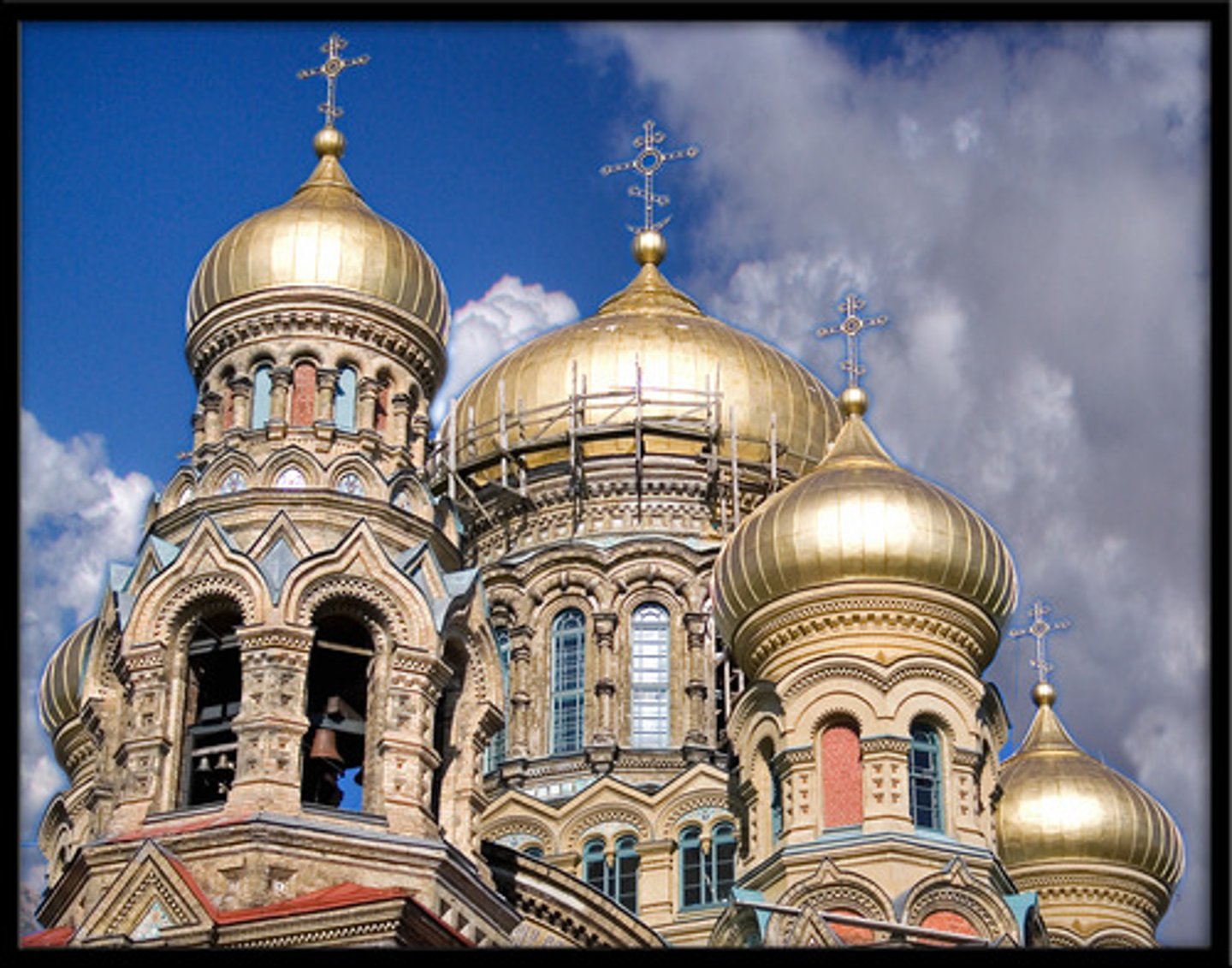
Roman Catholic Church (rcc)
one of the three major branches of Christianity, the RCC, together with the Eastern Orthodox Church, a second of the three major branches of Christianity, arose out of the division of the Roman Empire by Emperor Diocletian into four governmental regions; two western regions centered in Rome, and two eastern regions centered in Constantinople (now Istanbul). In 1054 CE, Christianity was divided along that same line when the EOC and the RCC split.
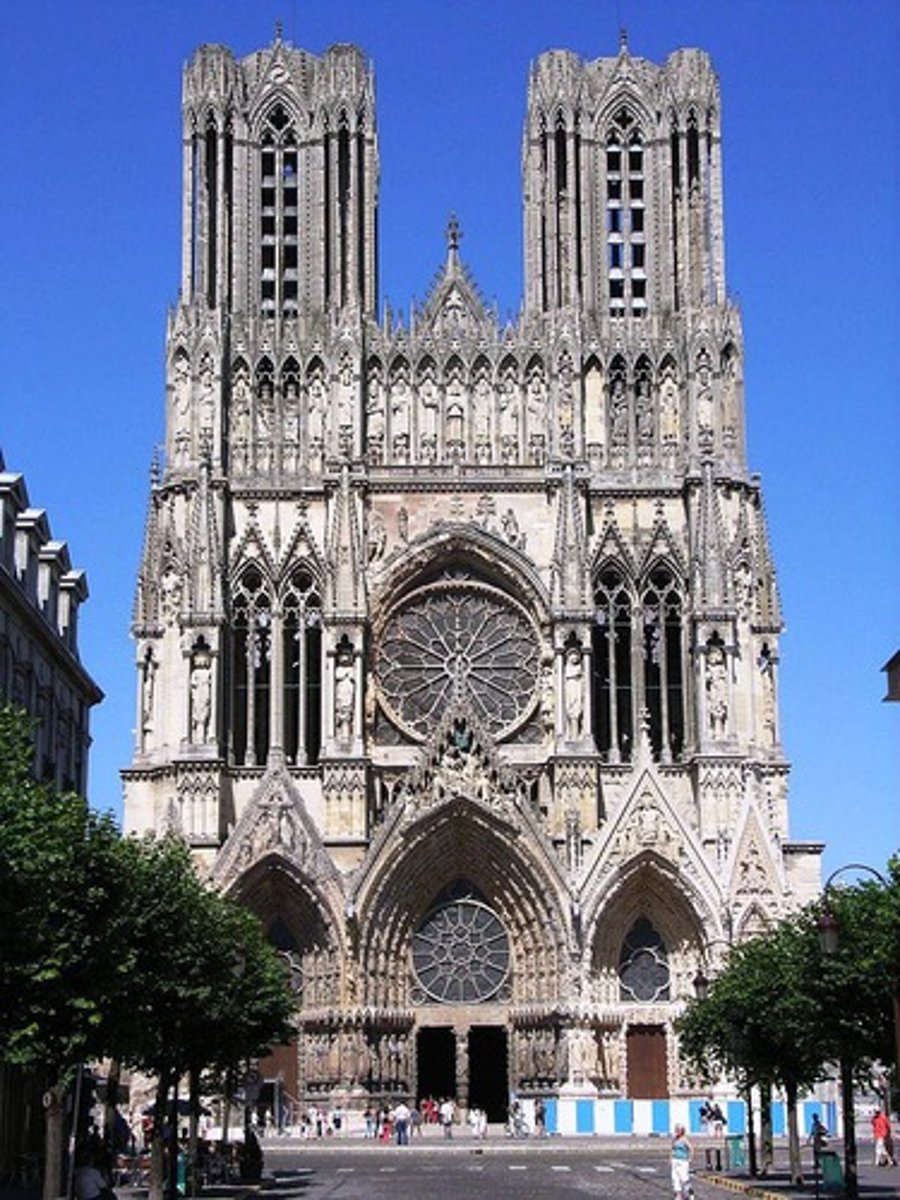
Protestant
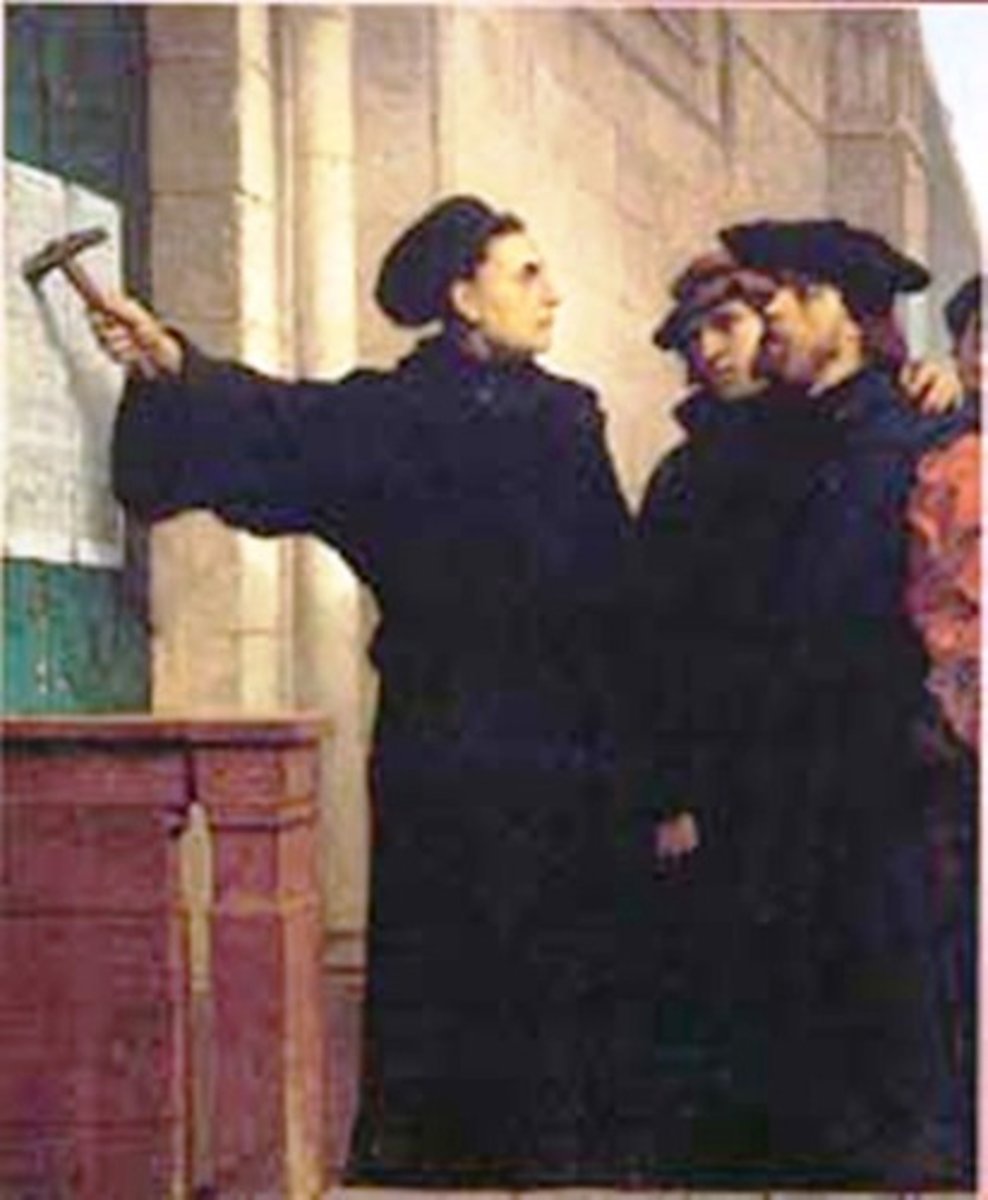
one of three major branches of Christianity (together with the EOC and the RCC). Following the widespread societal changes in Europe starting in the 1300s CE, many adherents to the RCC began to question the role of religion in their lives and opened the door to the Protestant Reformation wherein John Huss, Martin Luther, John Calvin, and others challenged many of the fundamental teachings of the RCC.
Islam
the youngest of the major world religions, Islam is based on the teachings of Muhammad, born in Mecca in 571 CE. According to the teaching, Muhammad received the truth directly from Allah in a series of revelations during which Muhammad spoke the verses of the Qu'ran (Koran), the Islamic holy book.

Sunnis
Adherents to the largest branch of Islam, called the orthodox or traditionalist. They believe in the effectiveness of family and community in the solution of life's problems, and they differ from the Shiites in accepting the traditions of Muhammad as authoritative
Shiites
adherents of one of the two main divisions of Islam.... represent the Persian (Iranian) variation of Islam and believe in the infallibility and divine right to authority of the Imams.
Indigenous Religions
belief systems and philosophies practiced and traditionally passed from generation to generation among peoples within a ... tribe or group
Pilgrimage
voluntary travel by an adherent to a sacred site to pay respects or participate in a ritual at the site
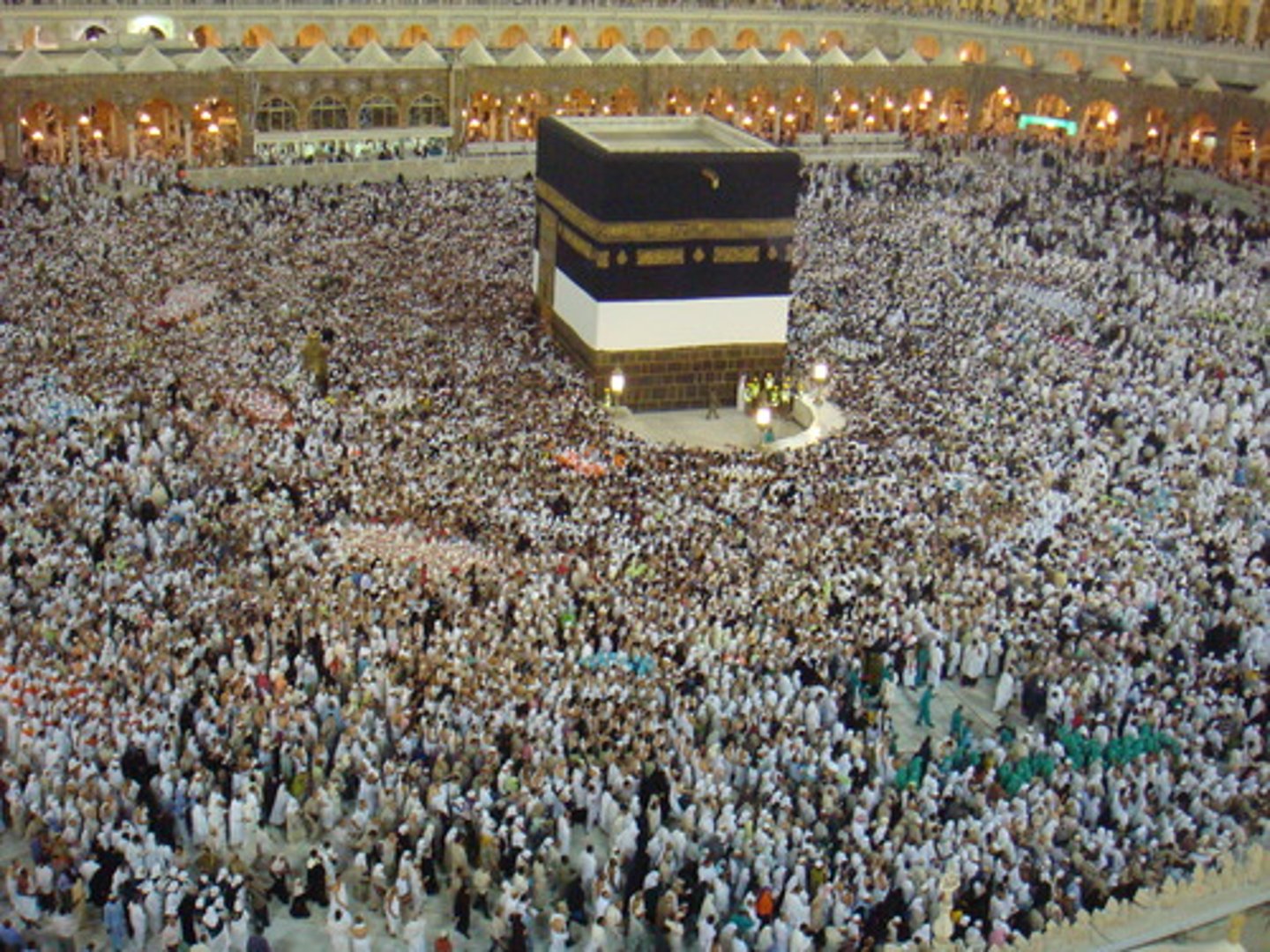
Sacred Sites
place or space people infuse with religious meaning
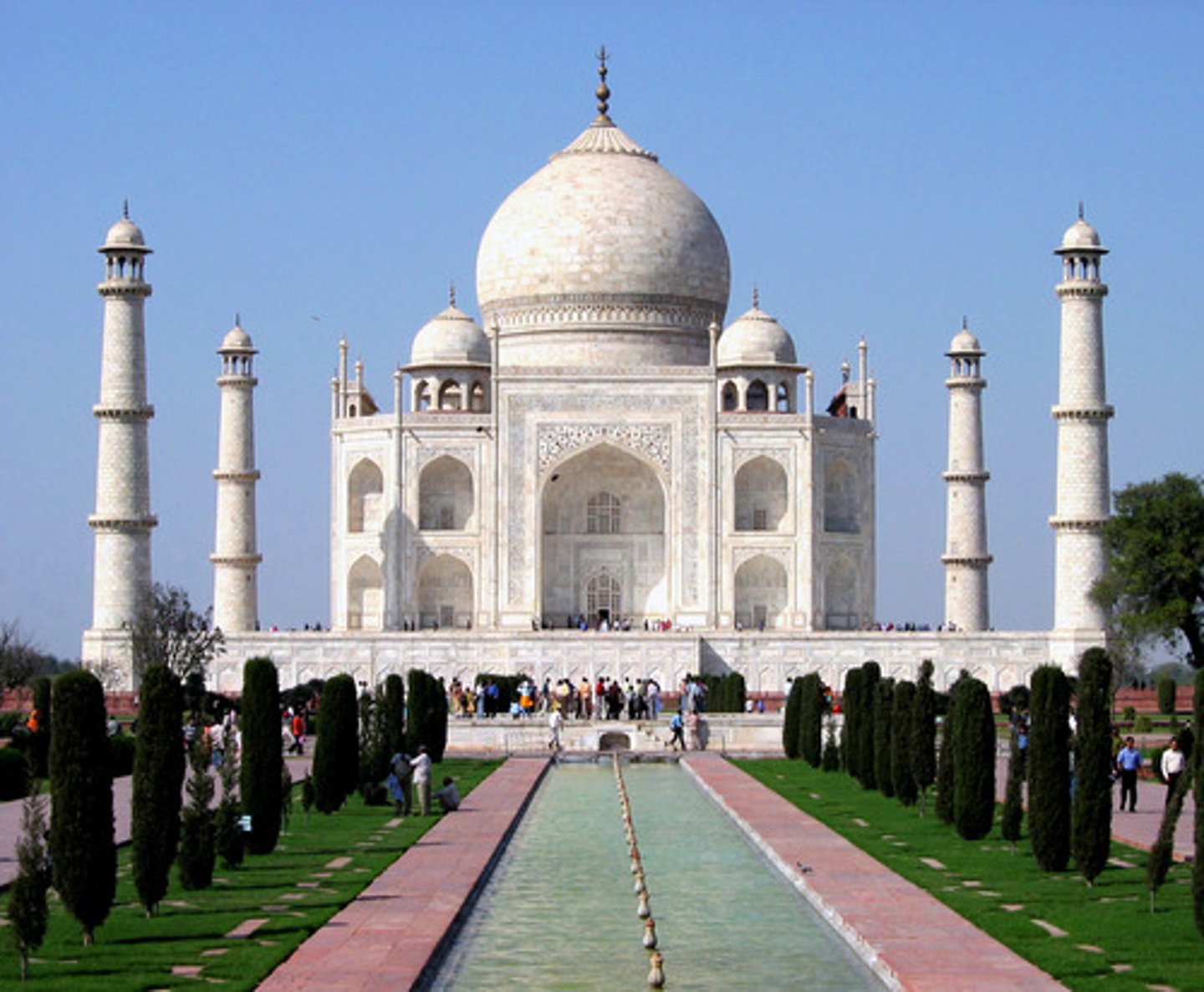
Minarets
tower attached to a Muslim mosque, having one or more projecting balconies from which a crier call Muslims to prayer
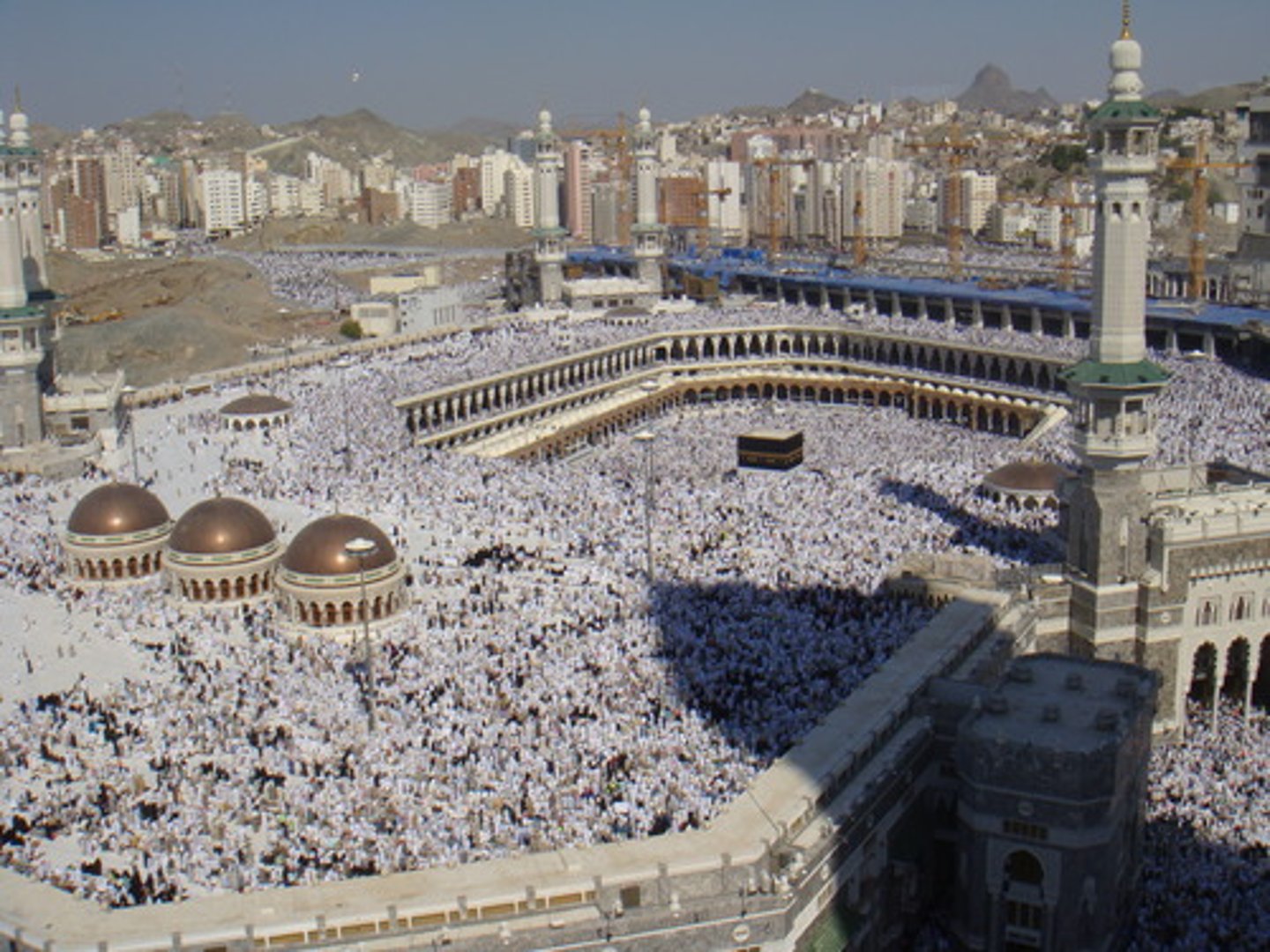
Hajj
the Muslim pilgrimage to Mecca, the birthplace of Muhammad
Interfaith Boundaries
boundaries between the world's major faiths
Intrafaith Boundaries
boundaries within a single major faith
Ethnic Cleansing
the systematic killing or extermination of an entire people or nation
Activity Space
the space within which daily activity occurs
Religious Fundamentalism
religious movement whose objectives are to return to the foundations of the faith and to influence state policy
Religious Extremism
religious fundamentalism carried to the point of violence
Shari'a Laws
The system of Islamic law, sometimes called Quranic law. Unlike most western systems of law that are based on legal precedence, sharia is based on varying degrees of interpretation of the Quran.
Jihad
a doctrine within Islam. Commonly translated as "Holy War," Jihad represents either a personal or collective struggle on the part of Muslims to live up to the religious standards set by the Qu'ran
 Note
Note  Flashcards (20)