Lecture 1 Anatomical Terms, Back & Shoulder
 Call Kai
 Learn
Learn Practice Test
 Spaced Repetition
 Match
Match Flashcards
 Knowt Play
1/75

There's no tags or description
Looks like no tags are added yet.
Name | Mastery | Learn | Test | Matching | Spaced | Call with Kai |
|---|
No analytics yet
Send a link to your students to track their progress
76 Terms
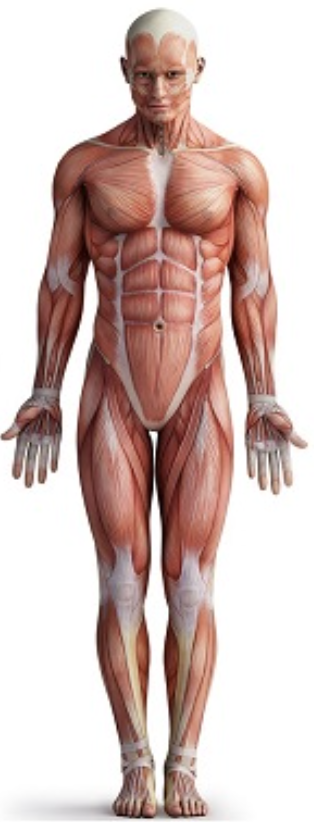
Anatomical Position
Standing, Facing forward (anterior), Upper limbs at side of body, Palms forward (anterior), Toes forward (anterior)
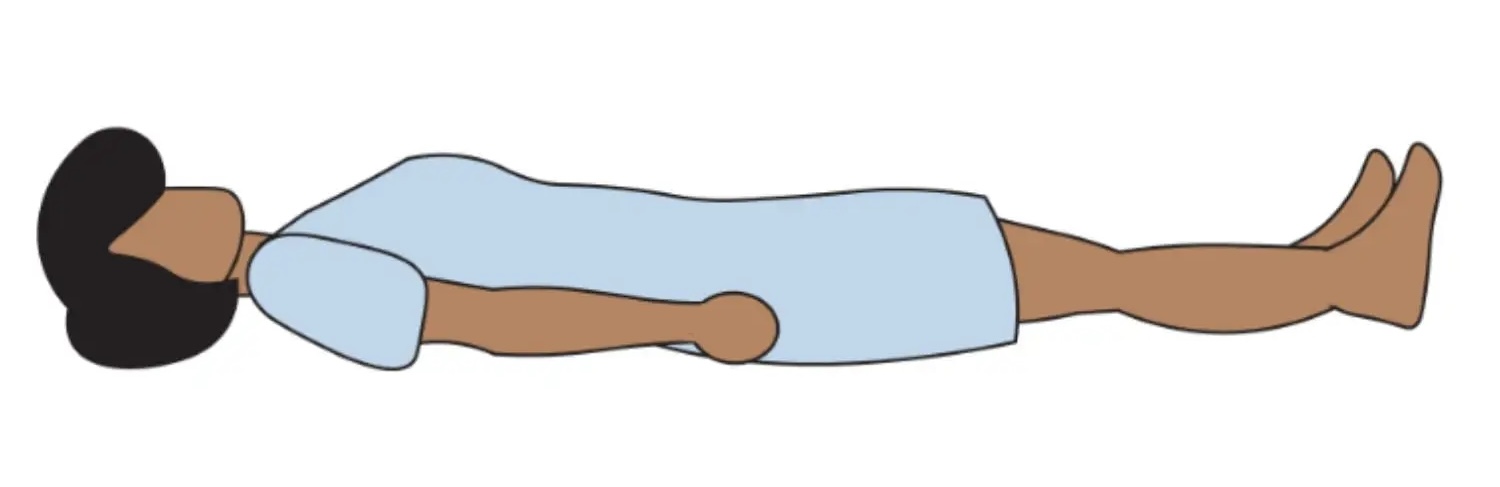
Supine
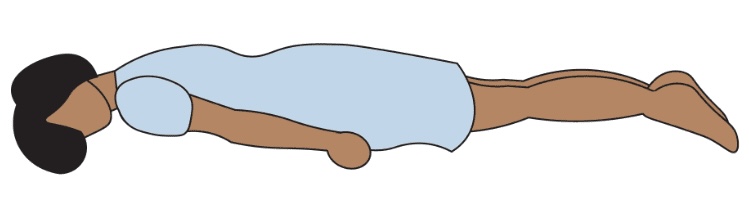
Prone
Median sagittal plane
Vertical plane passing through center of body (divide into left and right halves)
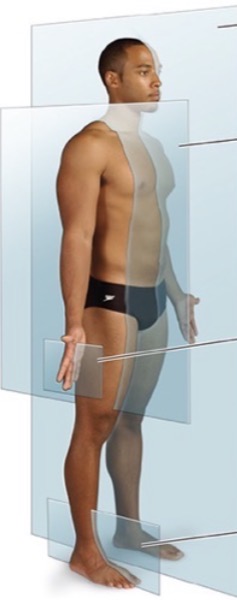
Sagittal Plane
Any vertical plane parallel to the median plane
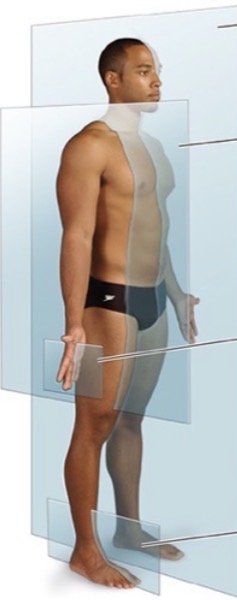
Coronal Plane
Any vertical plane perpendicular to median sagittal plane (divide into front and back)
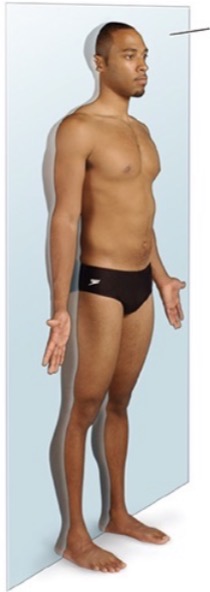
Transverse Plane
Any vertical plane perpendicular to both sagittal and coronal planes (divide into top and bottom)
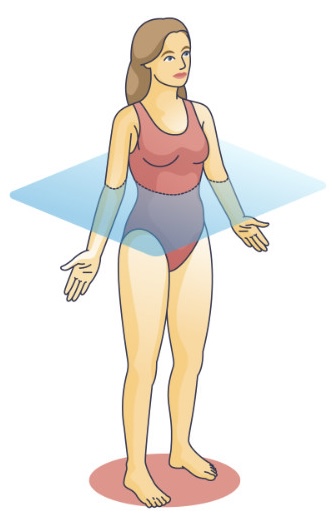
Superior
nearer to head
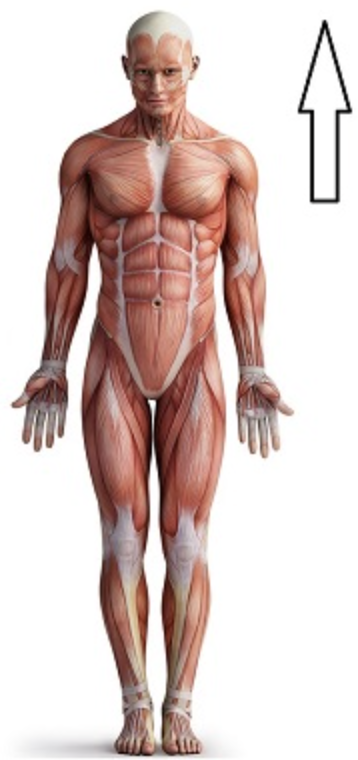
Inferior
nearer to feet
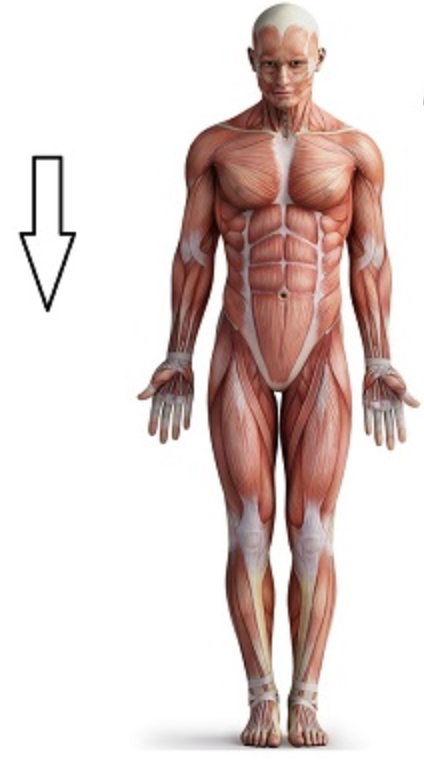
Medial
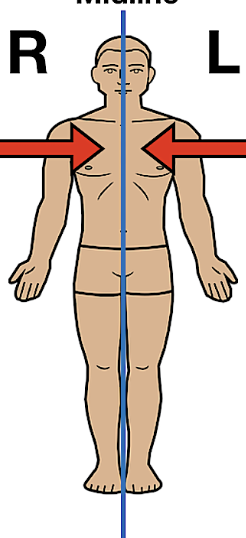
Lateral
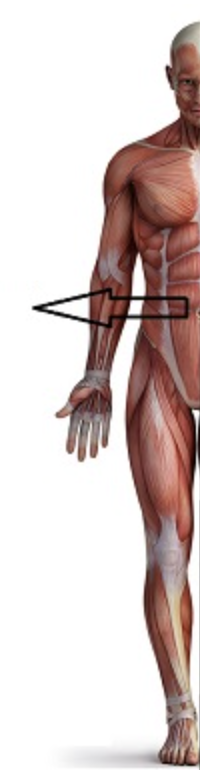
Proximal
nearer to trunk or point of origin
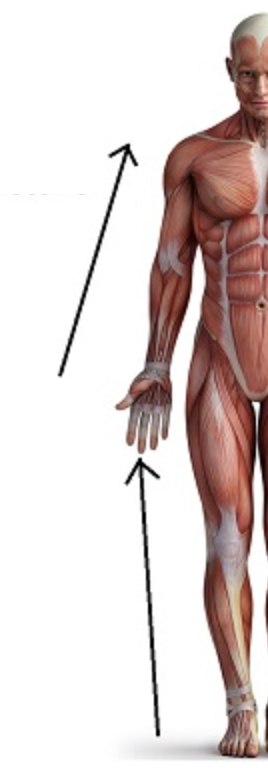
Distal
further from trunk or point of origin
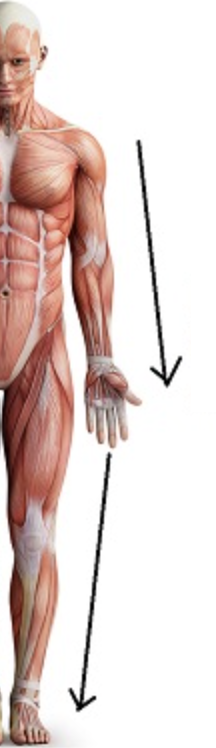
Anterior
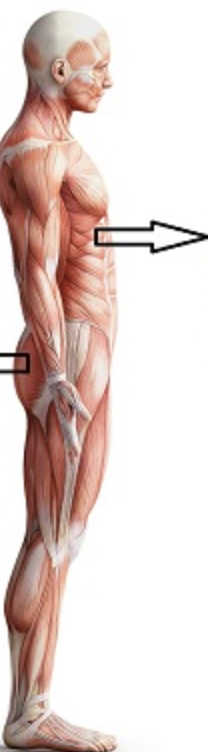
Posterior
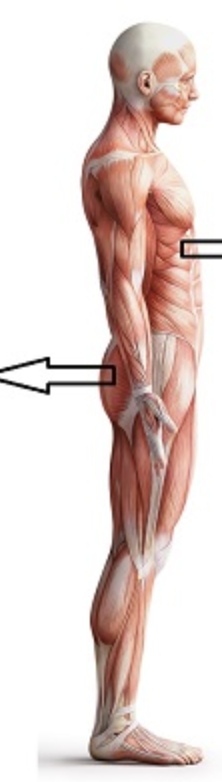
Superficial
nearer to surface
Deep
further from surface
Bilateral
on both sides (paired)
Unilateral
on one side
Ipsilateral
on the same side
Contralateral
on the opposite side
Ventral
inferior side/abdominal surface
Dorsal
superior side/back surface of anything that protrudes anteriorly from the body
Palmar
palm side of hand
Plantar
sole side of the foot
Abduction
moves a limb away from the midline
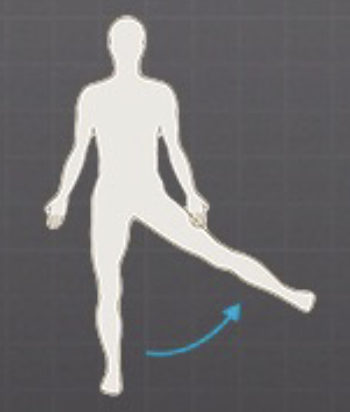
Adduction
moves a limb toward the midline
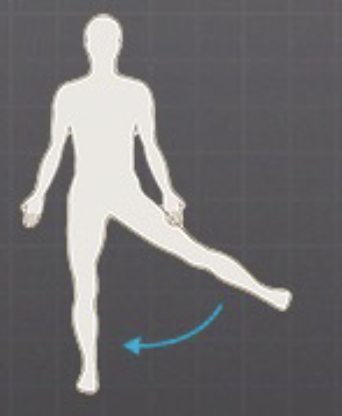
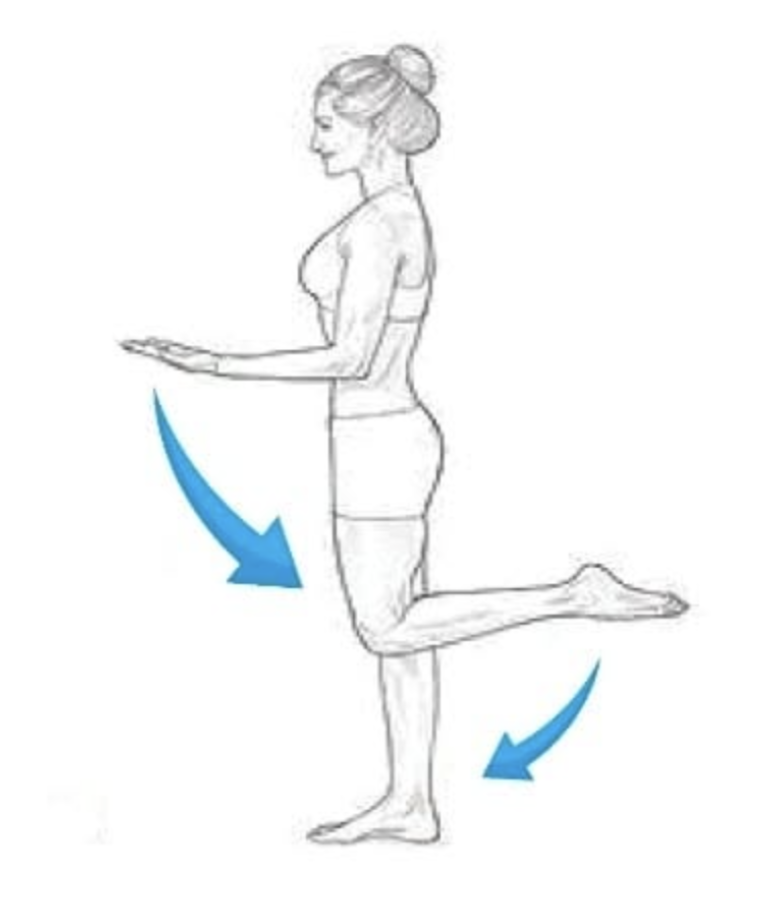
Flexion
Decreases the angle between two body parts (folding or bending)
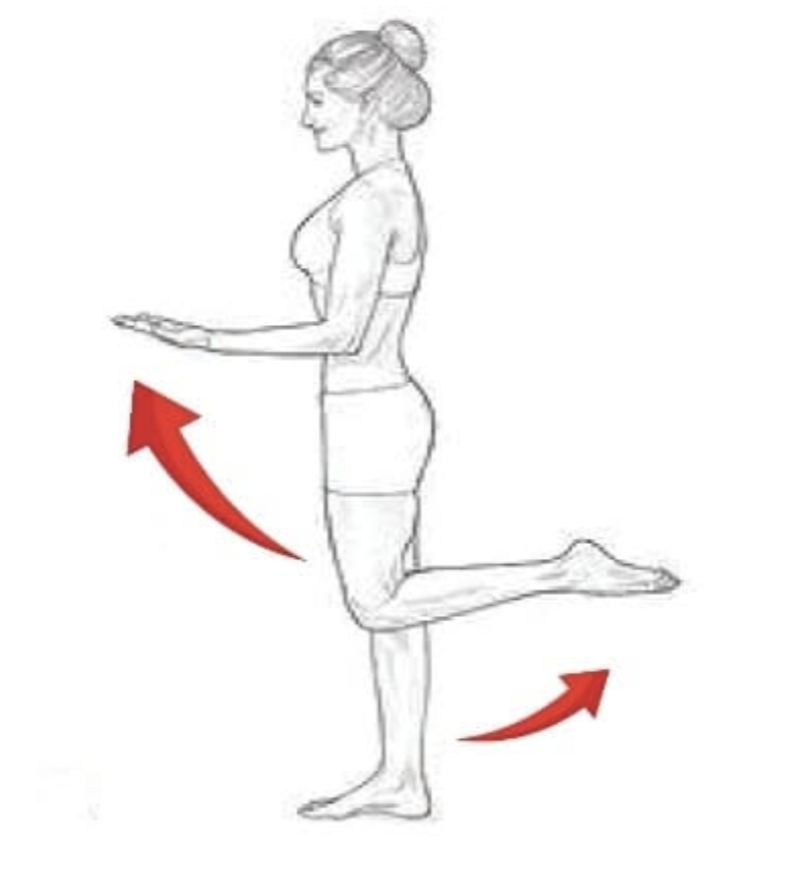
Extension
Increases the angle between two body parts (straightening)
Medial Rotation
rotation brings the anterior surface of a limb toward the body's midline
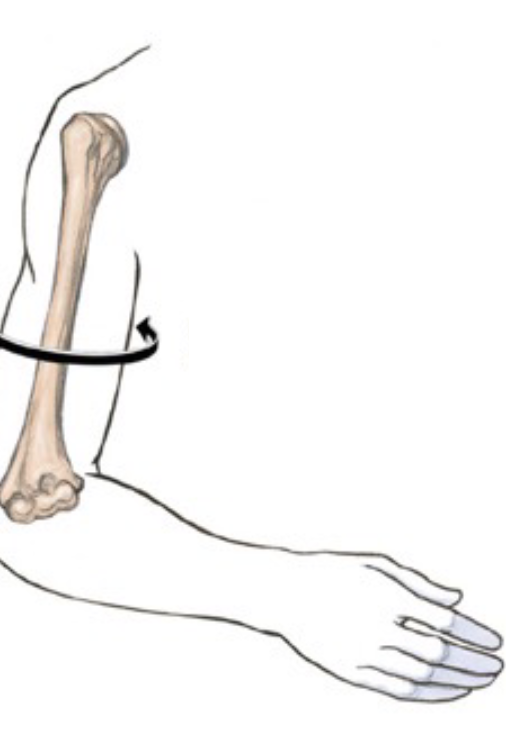
Lateral Rotation
rotation moves the anterior surface away from the midline
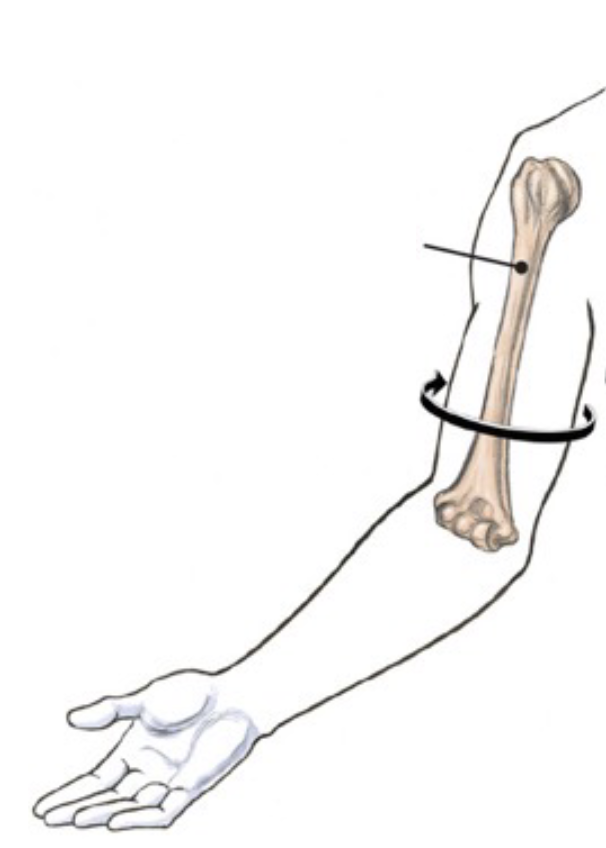
Pronation
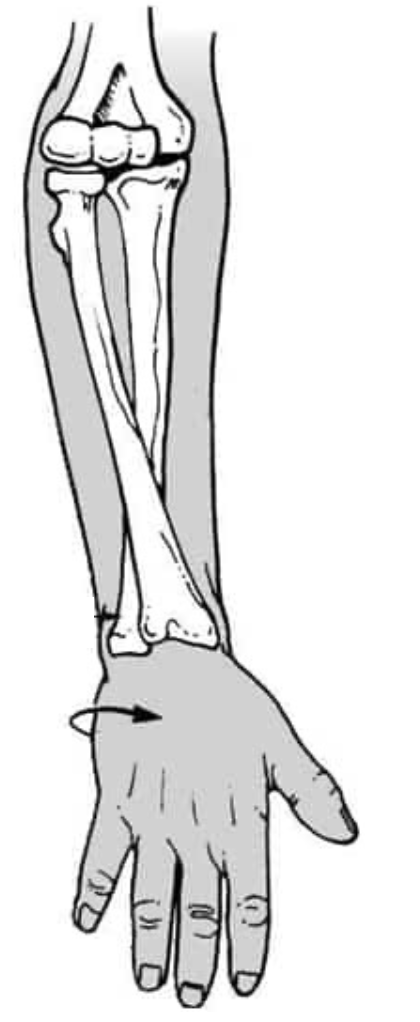
Supination
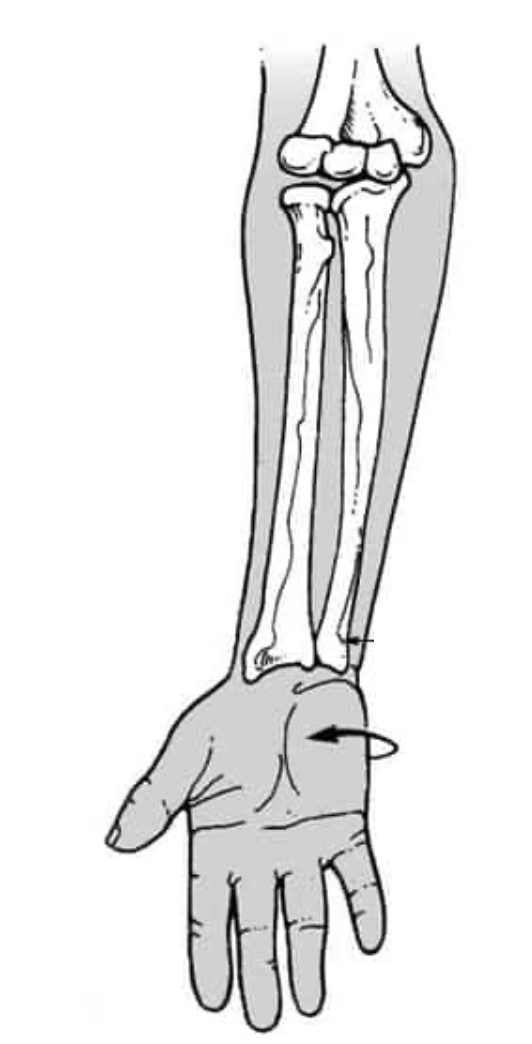
Inversion
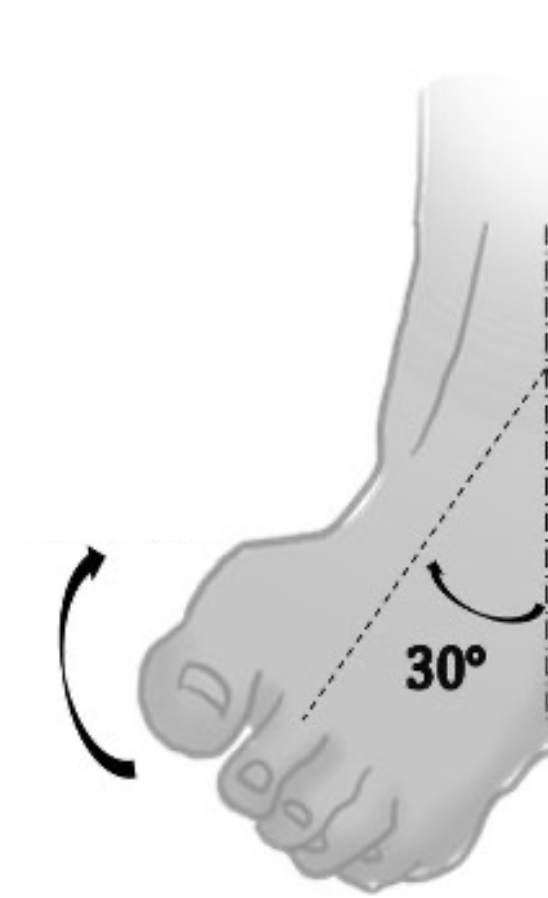
Eversion
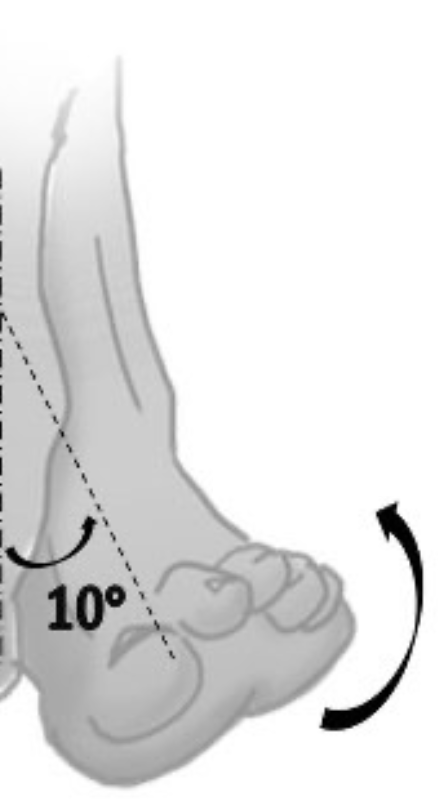
Dorsiflexion
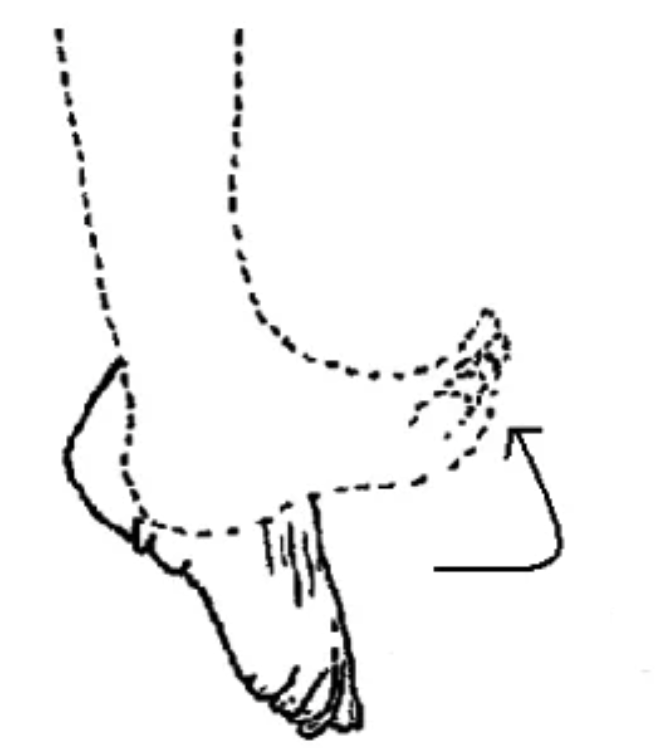
Plantarflexion
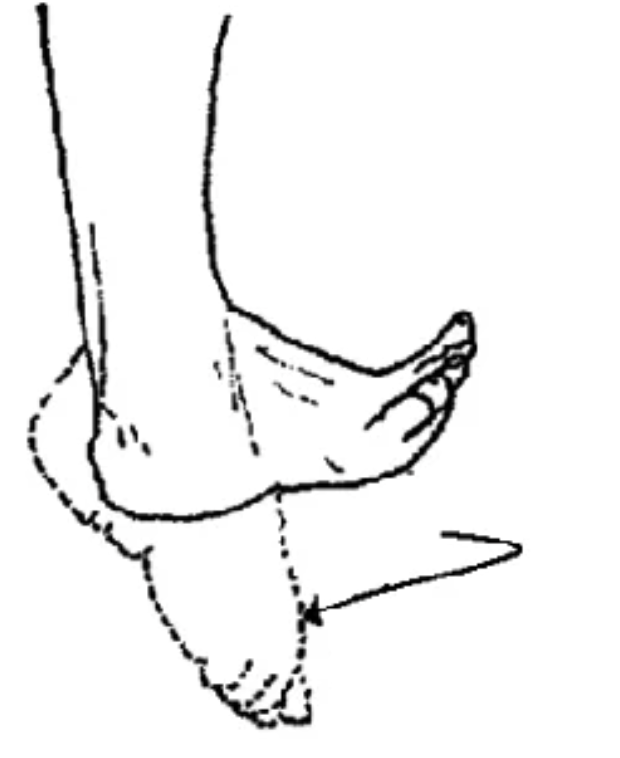
Elevation
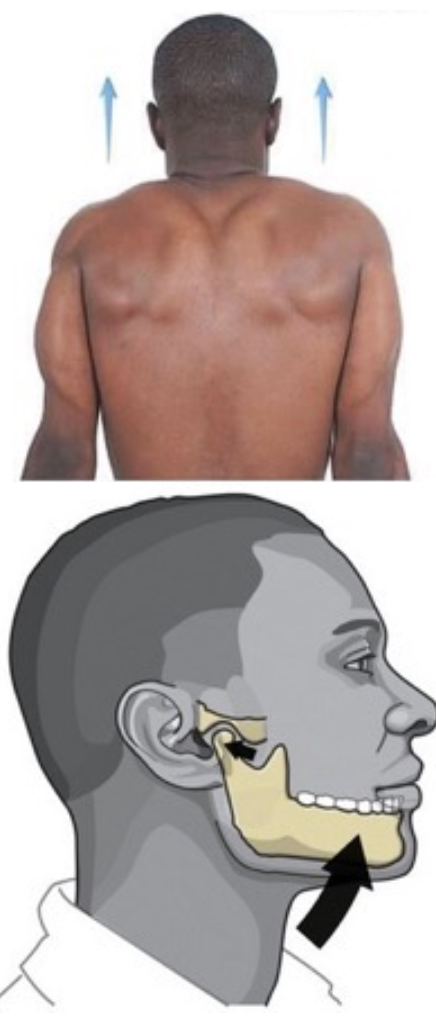
Depression
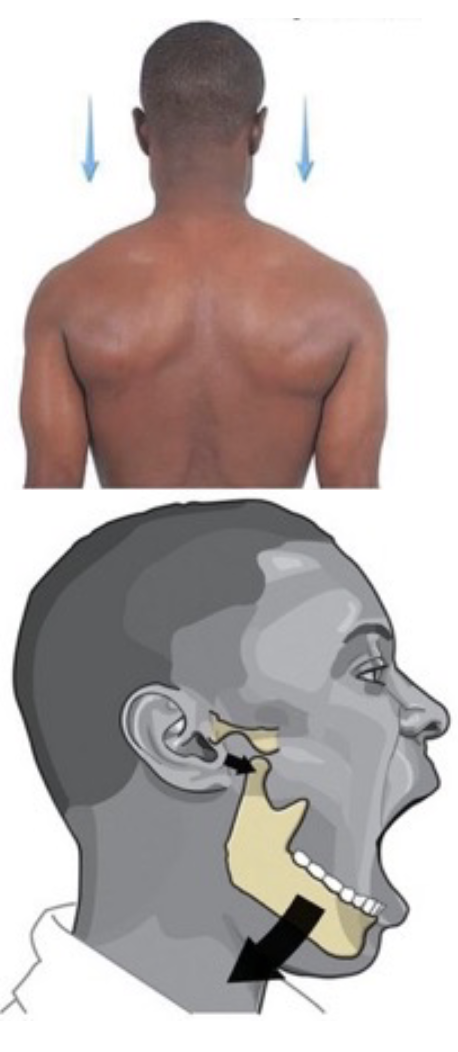
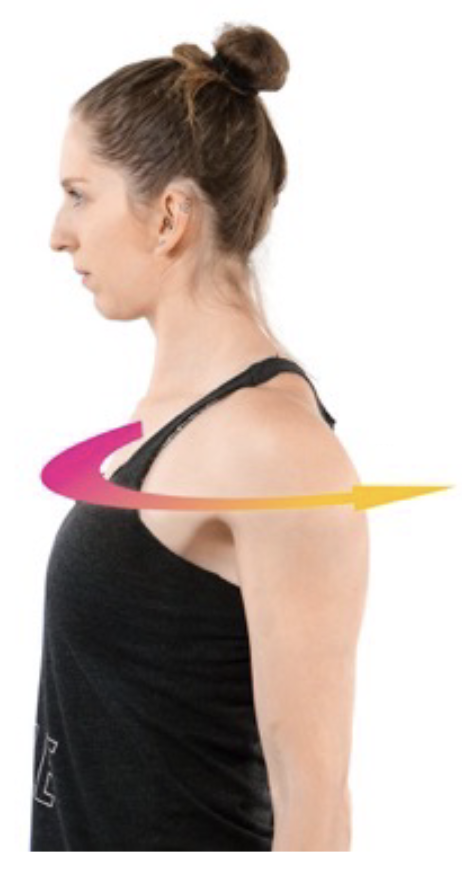
Protraction
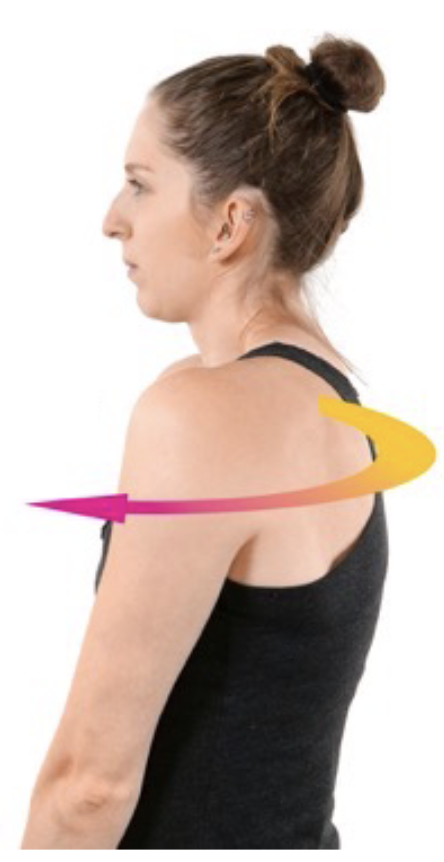
Refraction
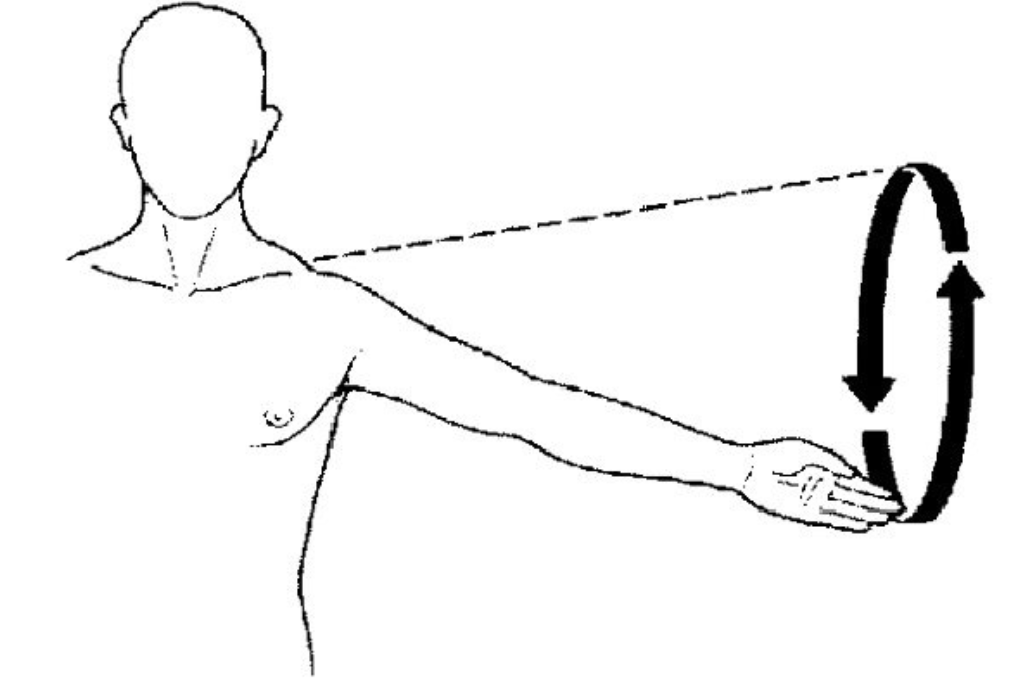
Circumduction
Digit Flexion
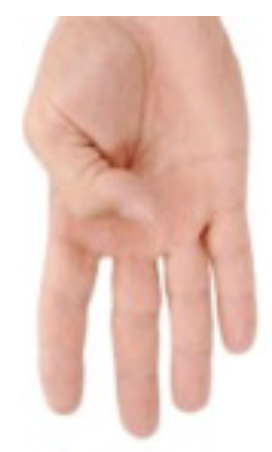
Digit Extension
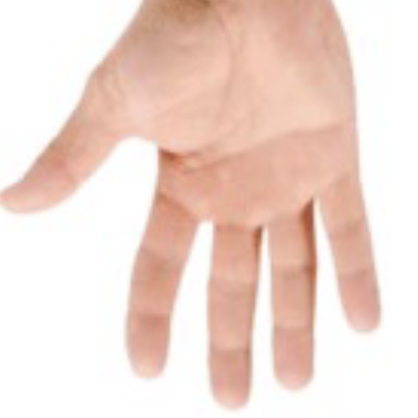
Digit Abduction
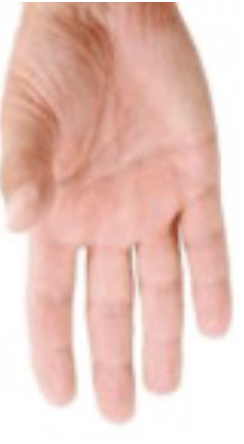
Digit Adduction
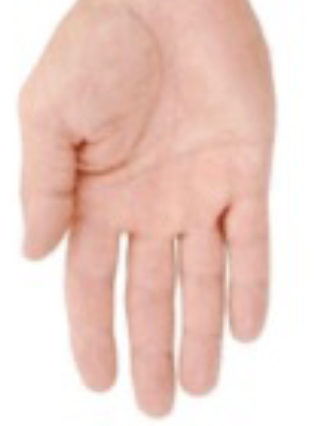
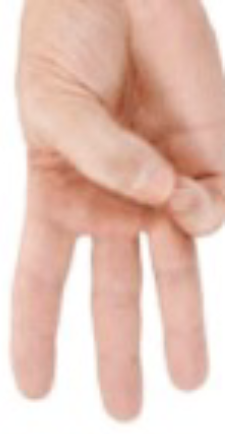
Digit Opposition
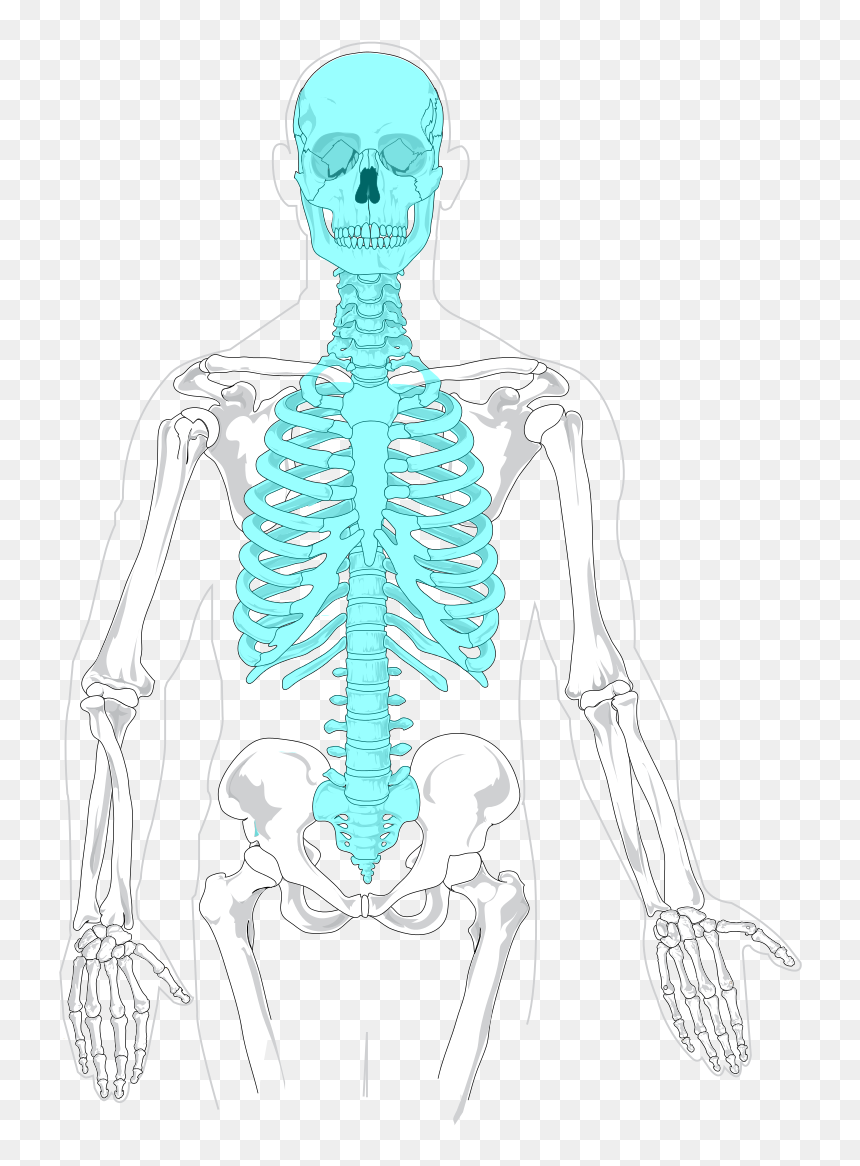
What does the axial skeleton consist of?
The Skull, Vertebrae, Ribs, Sternum
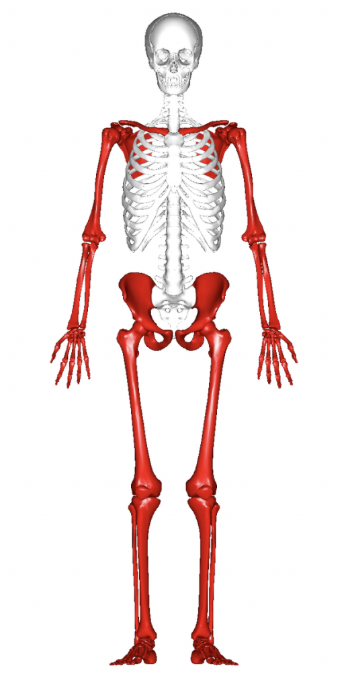
What does the appendicular skeleton consist of?
The Clavicle, Scapula, Upper limb bones, Pelvis, Lower limb bones
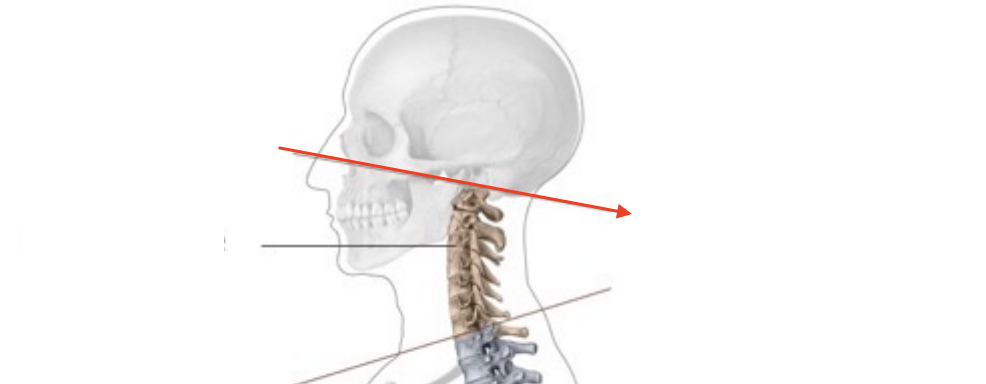
What is this structure?
Craniocervical junction
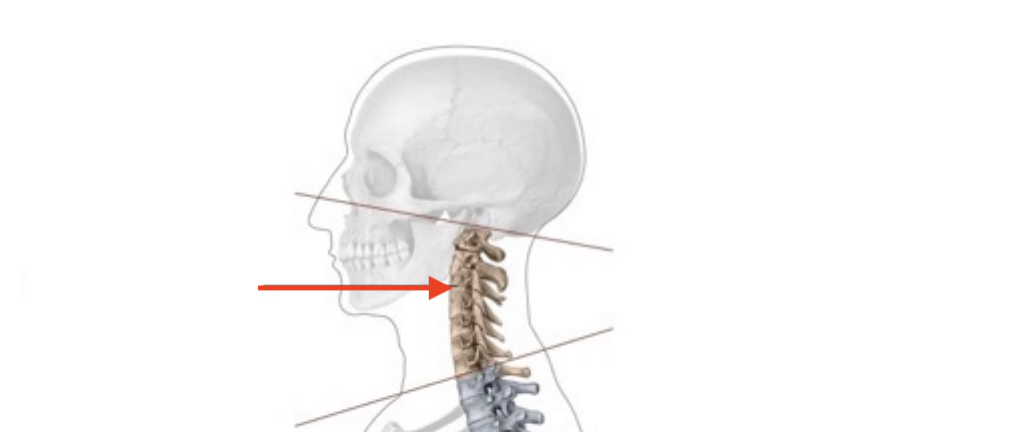
What is this structure?
Cervical Spine
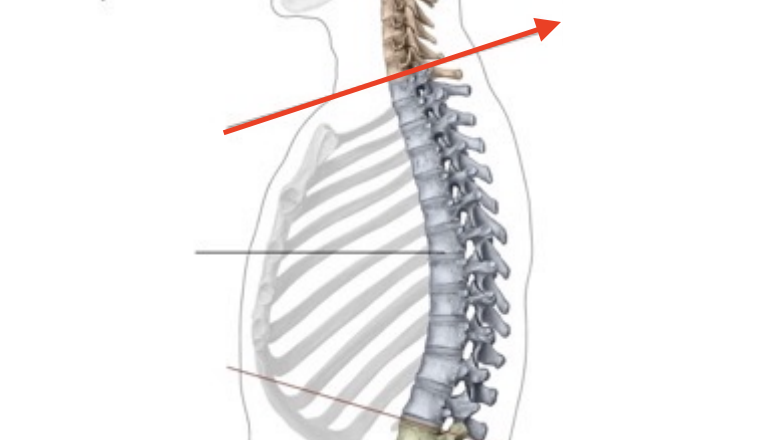
What is this structure?
Cervicothoracic Junction
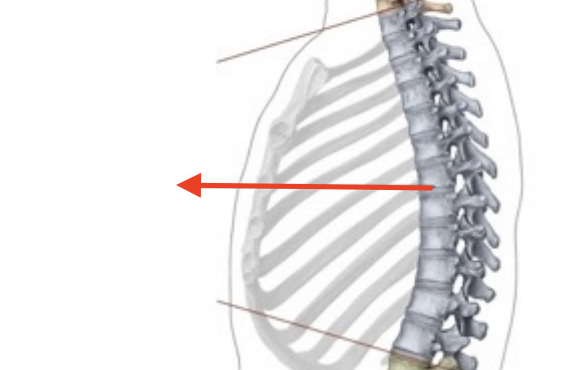
What is this structure?
Thoracic Spine
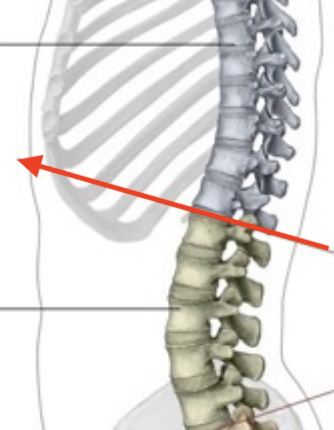
What is this structure?
Thoracolumbar Junction
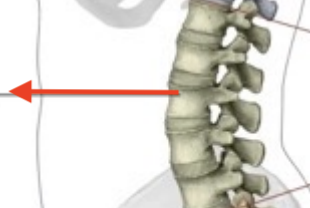
What is this structure?
Lumbar spine
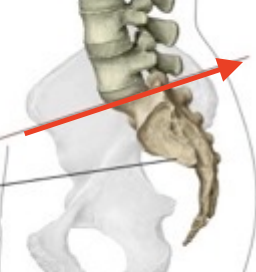
What is the structure?
Lumbosacral junction
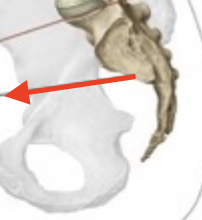
What is the structure?
Sacrum
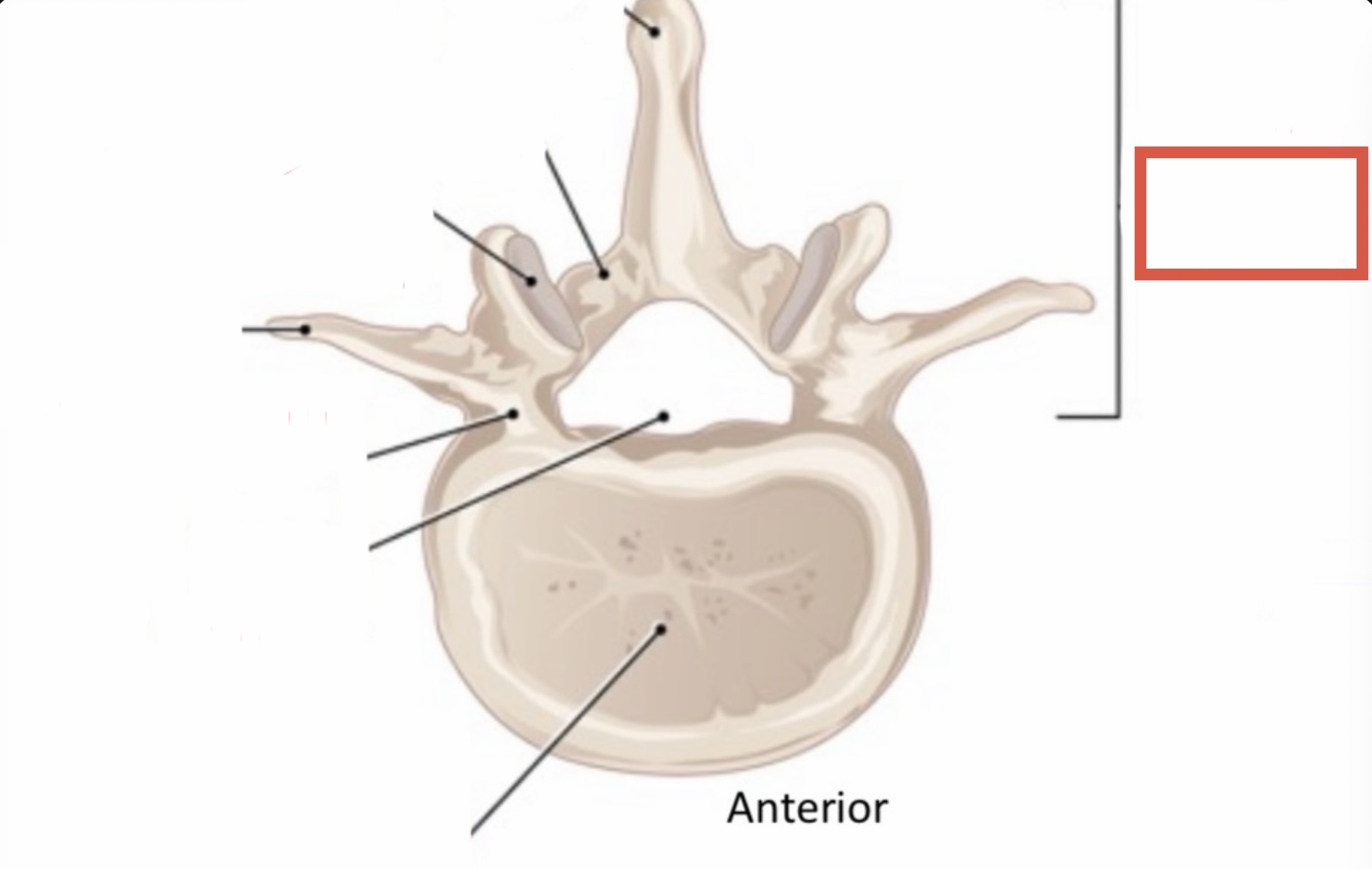
Vertebral arch
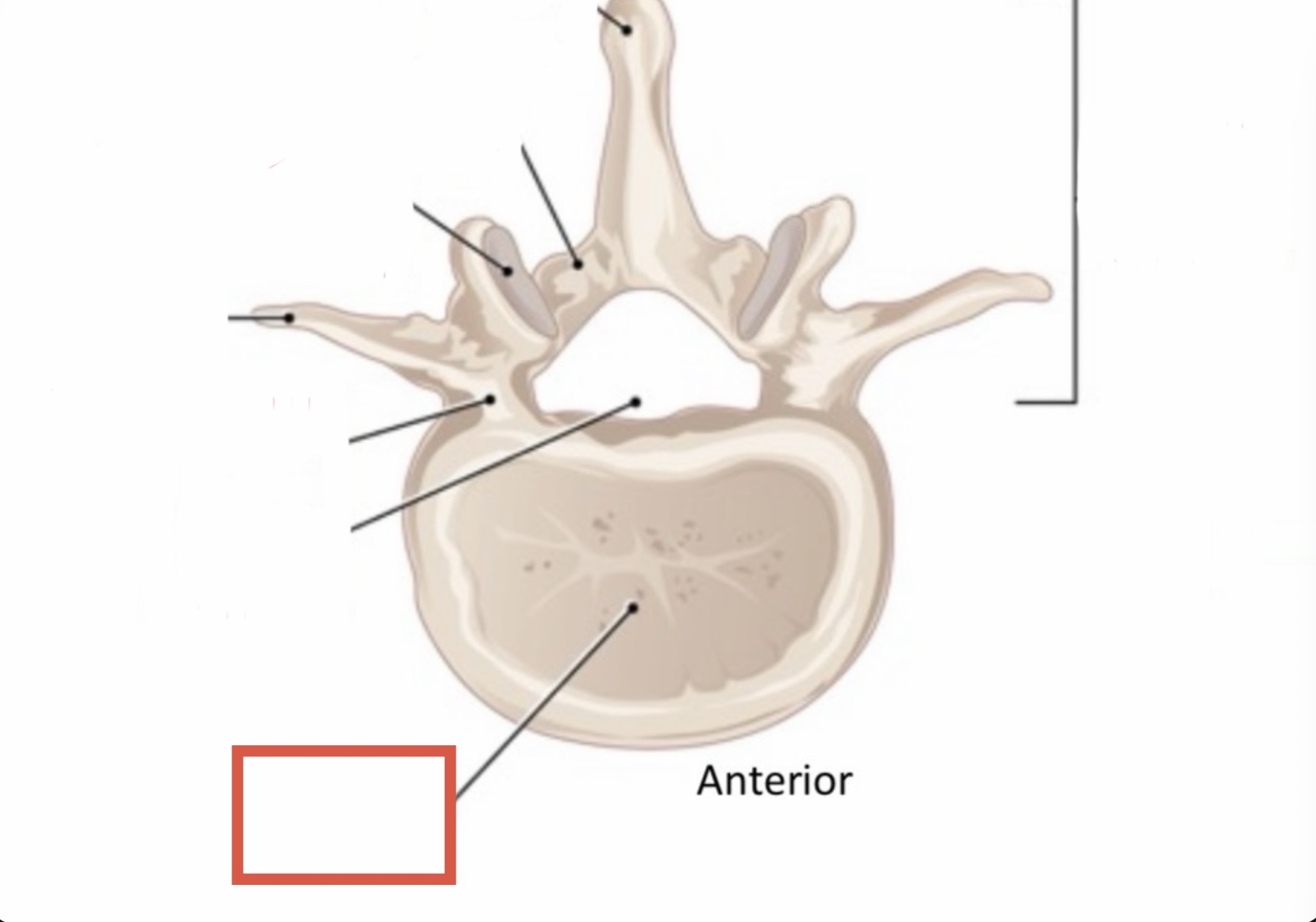
Body
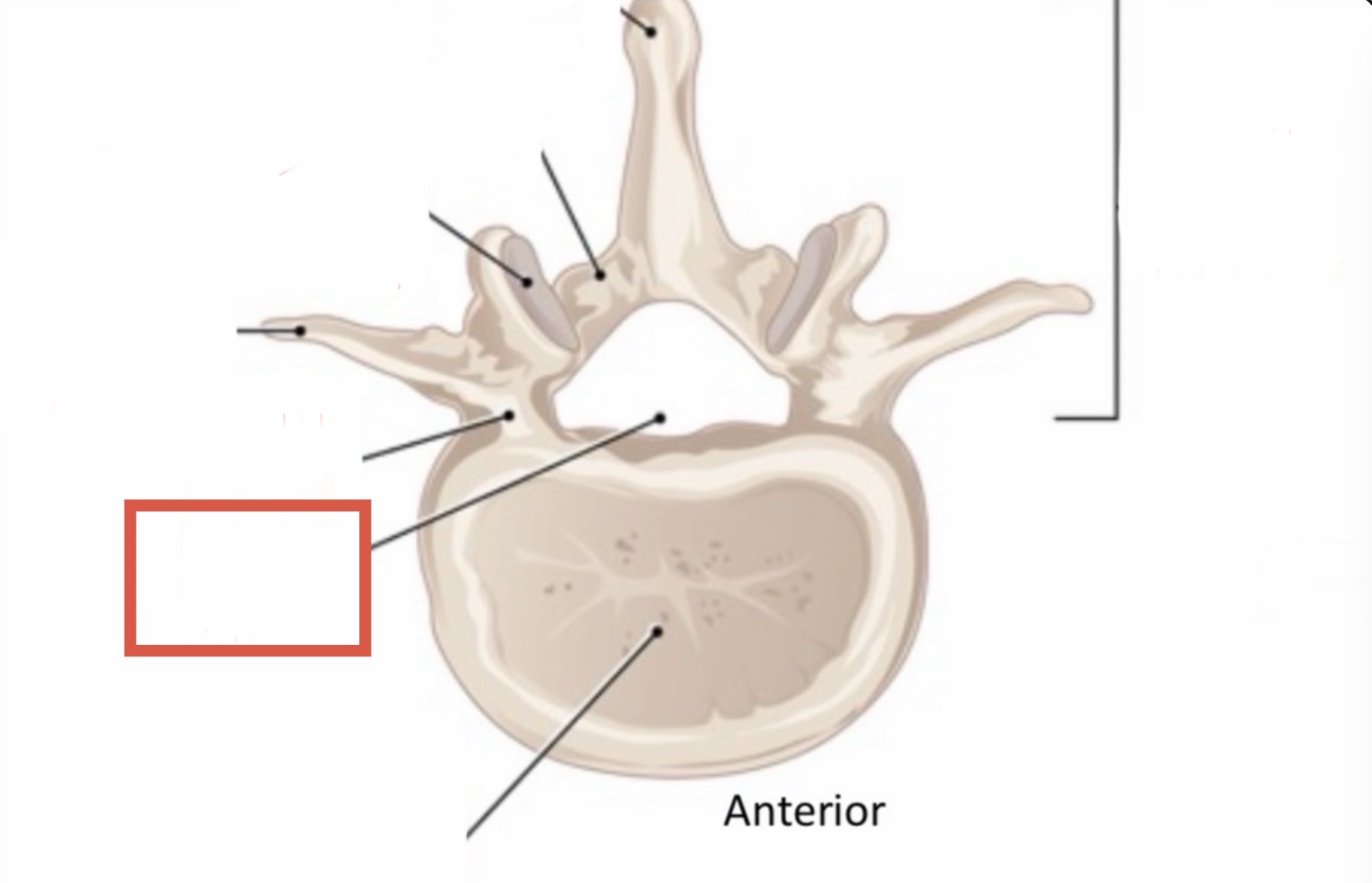
Vertebral foramen
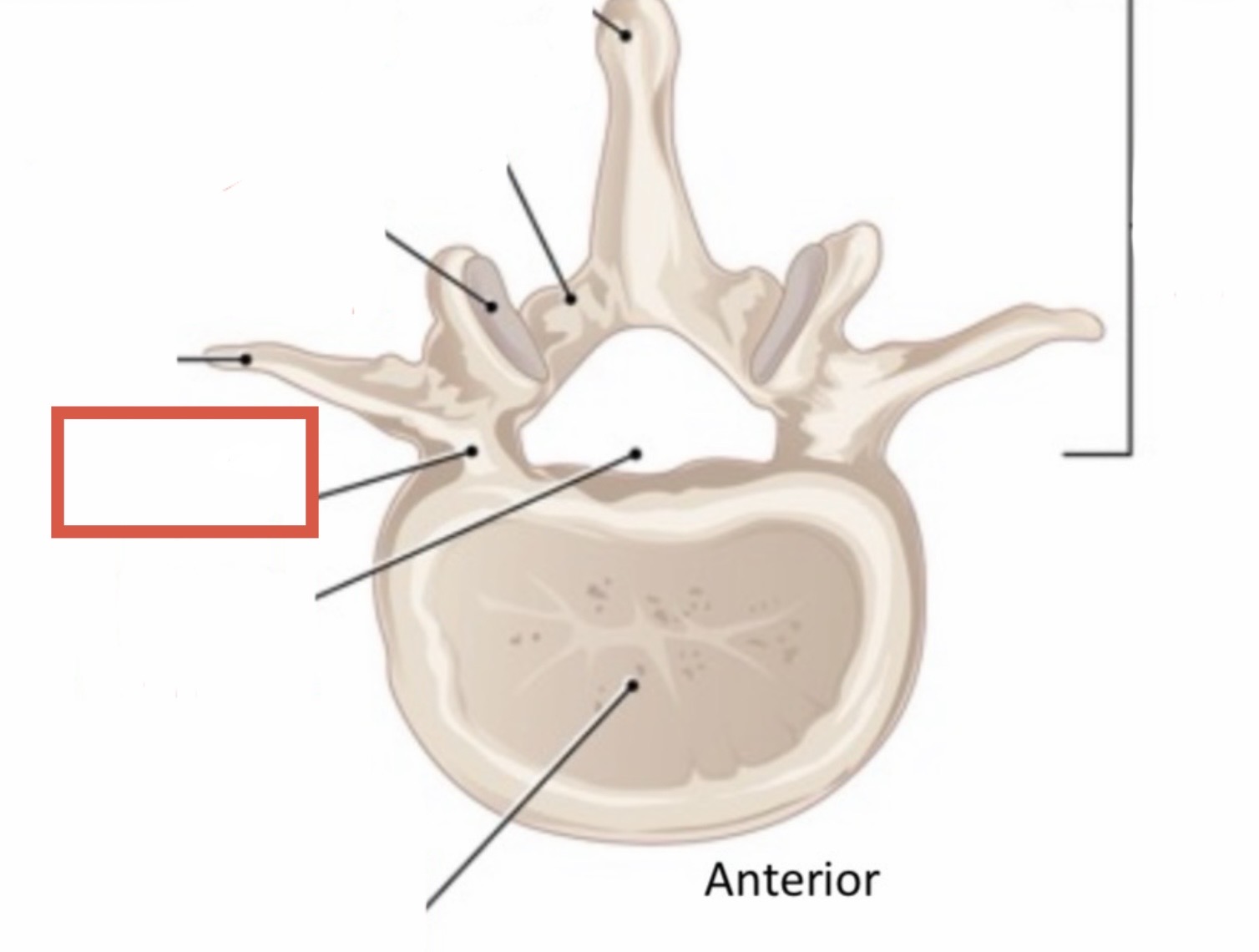
Pedicle
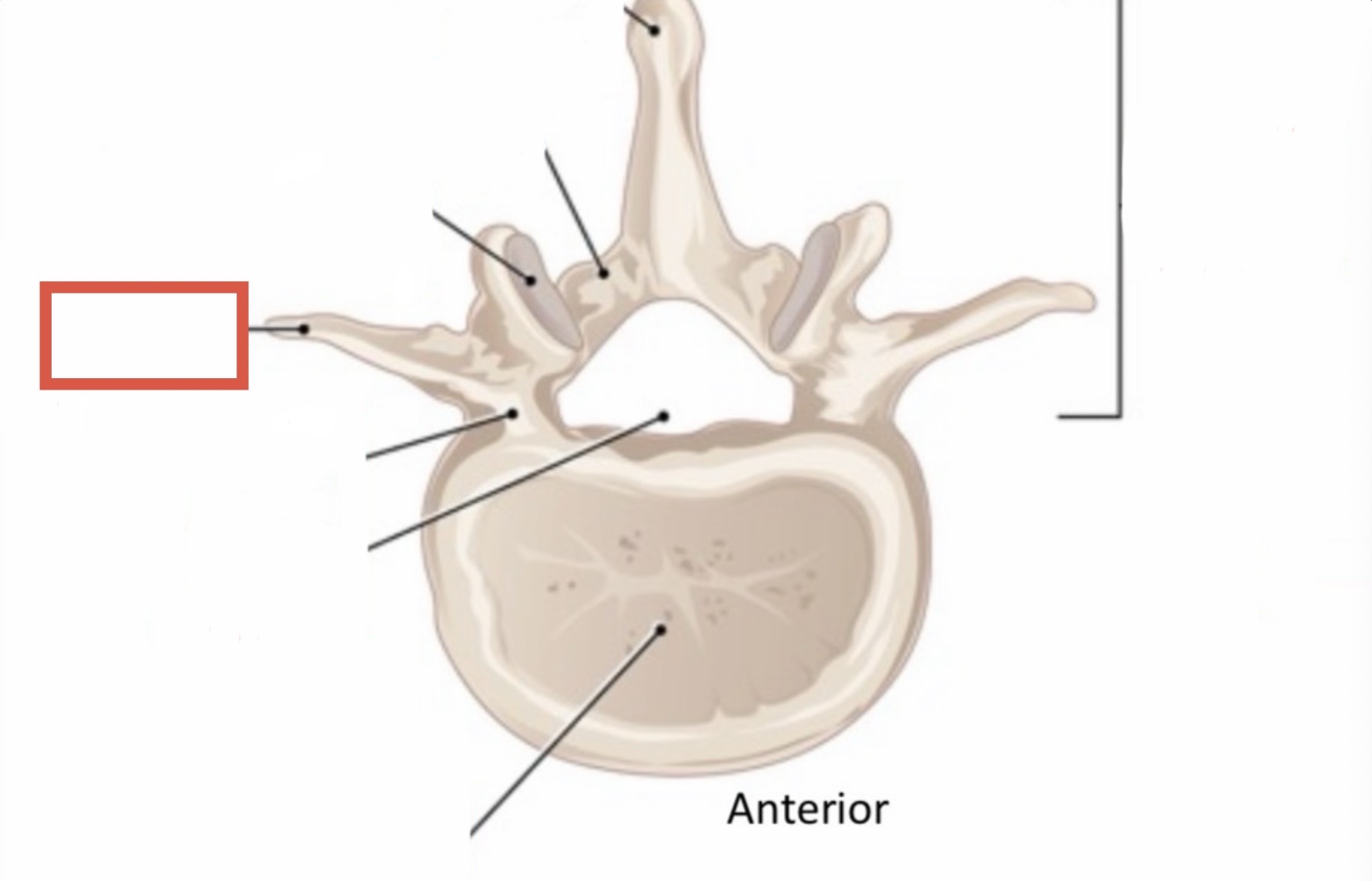
Transverse process
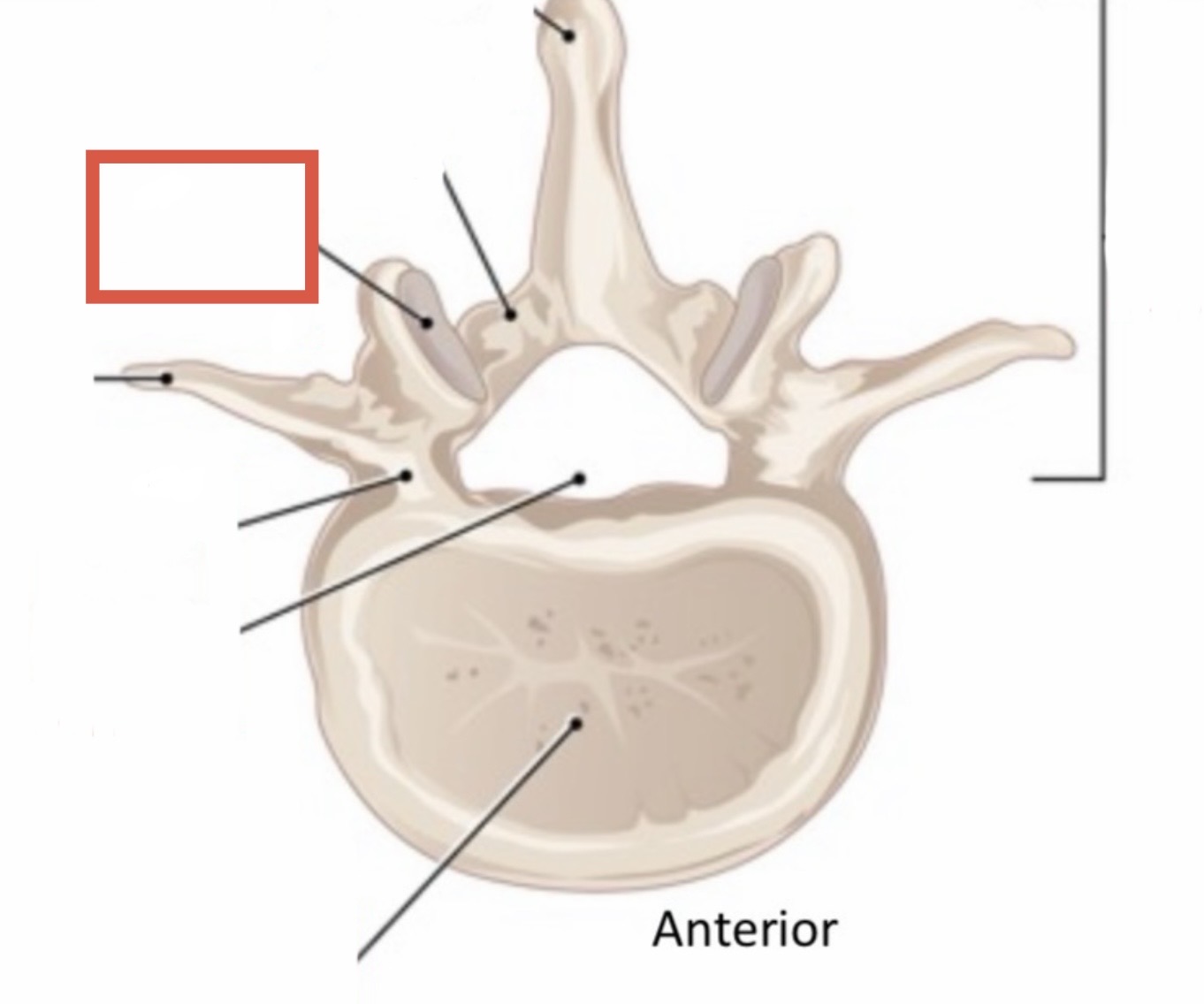
Superior articular process
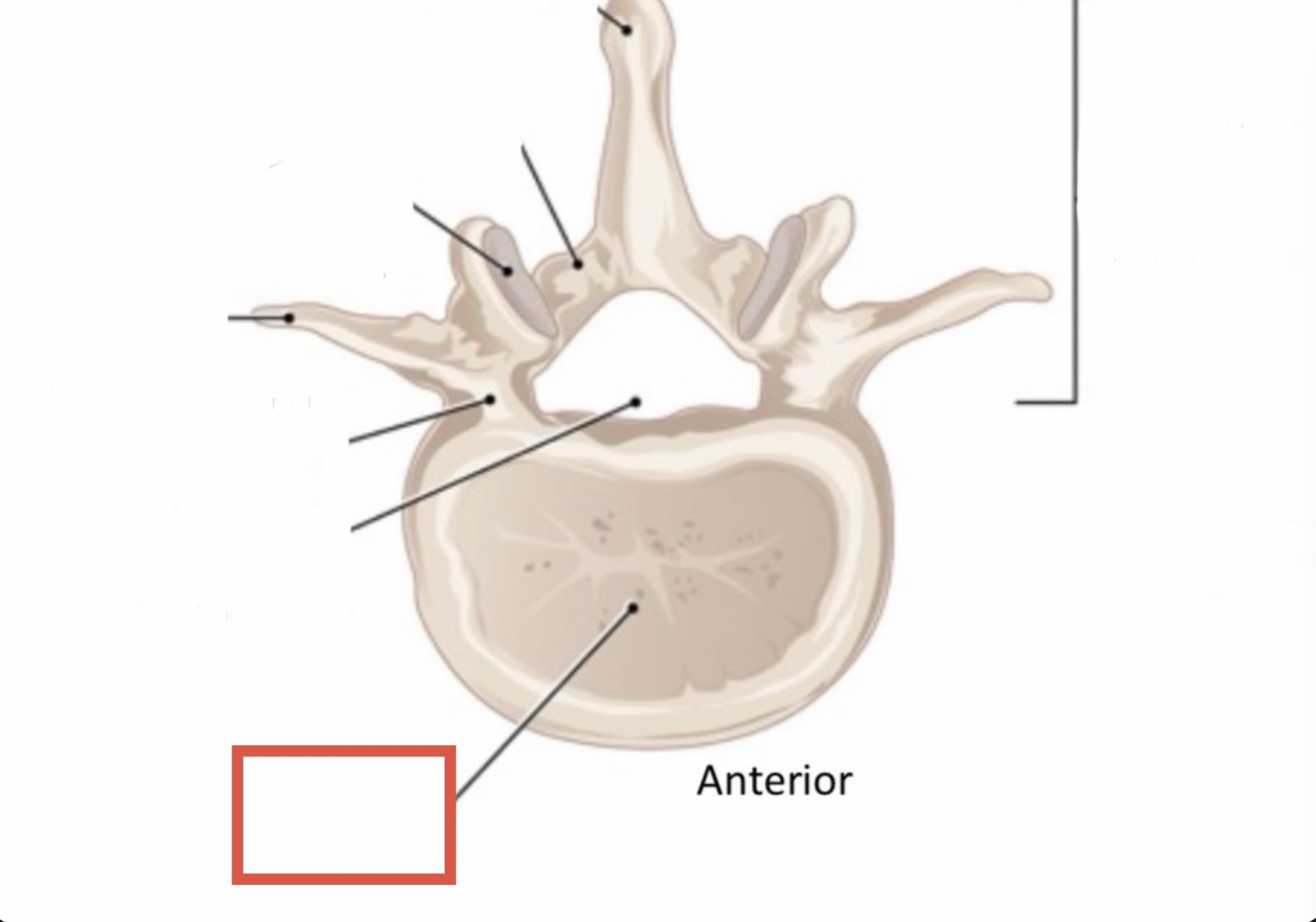
Lamina
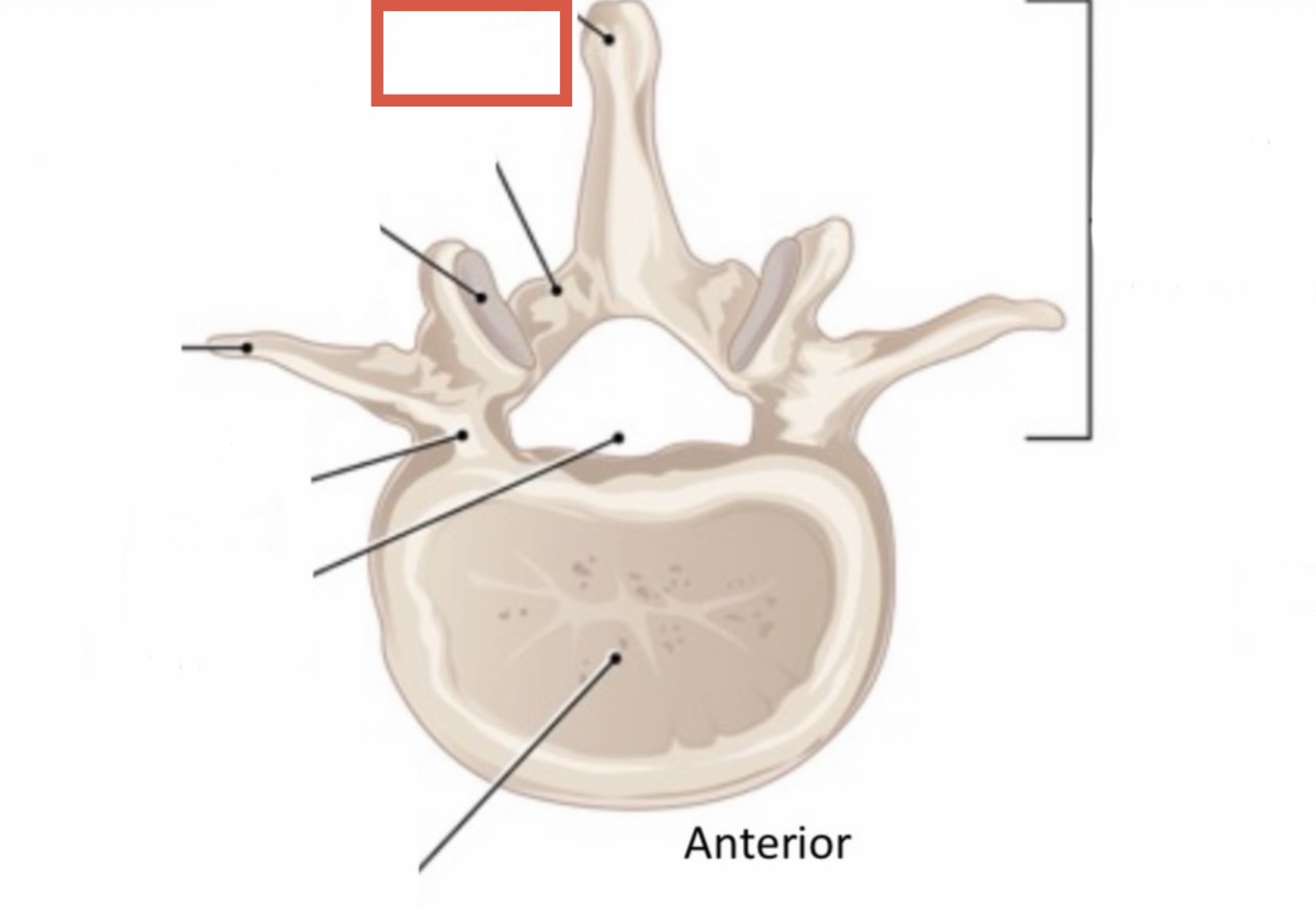
Spinous process
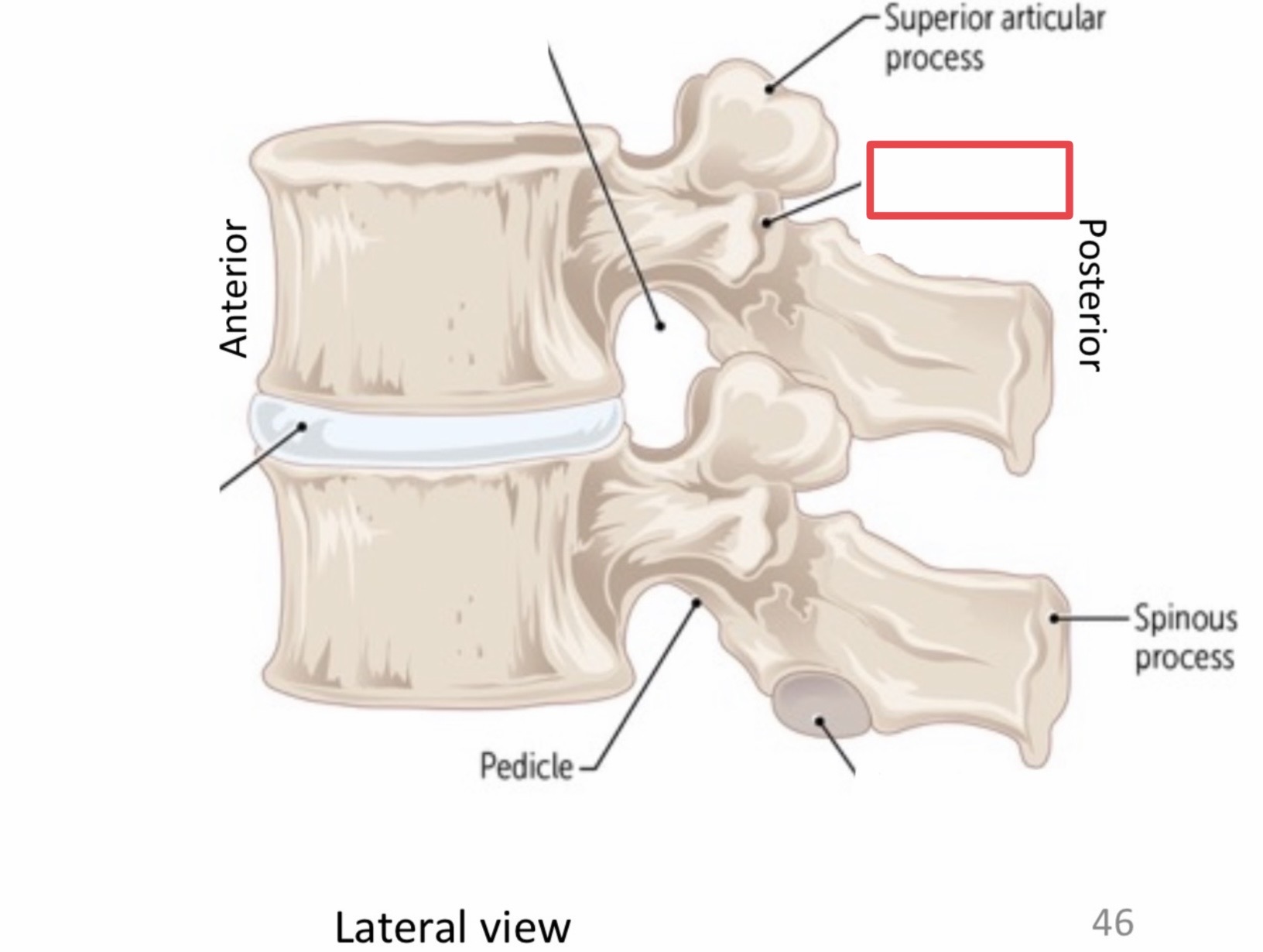
Transverse process
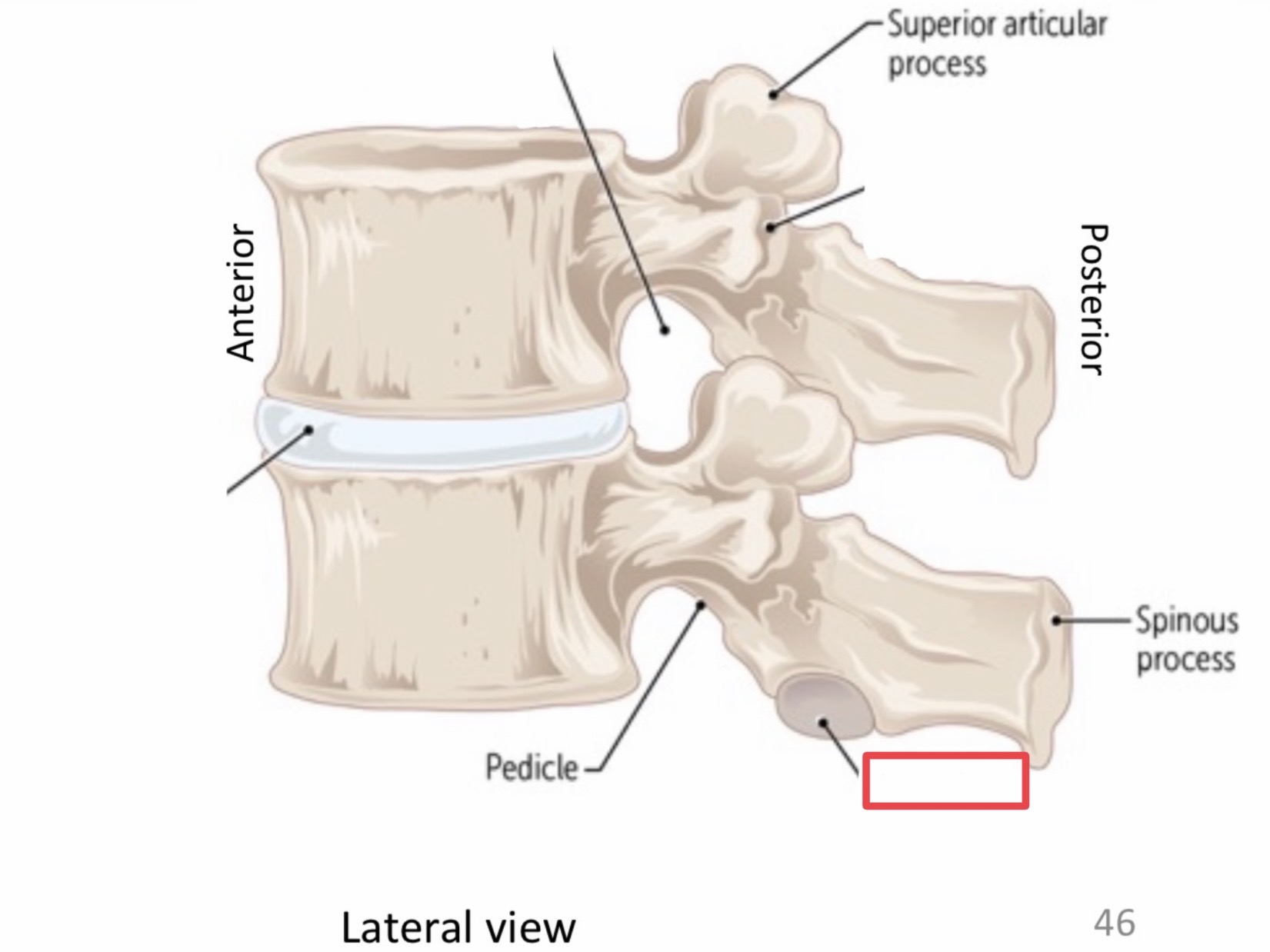
Inferior articular process
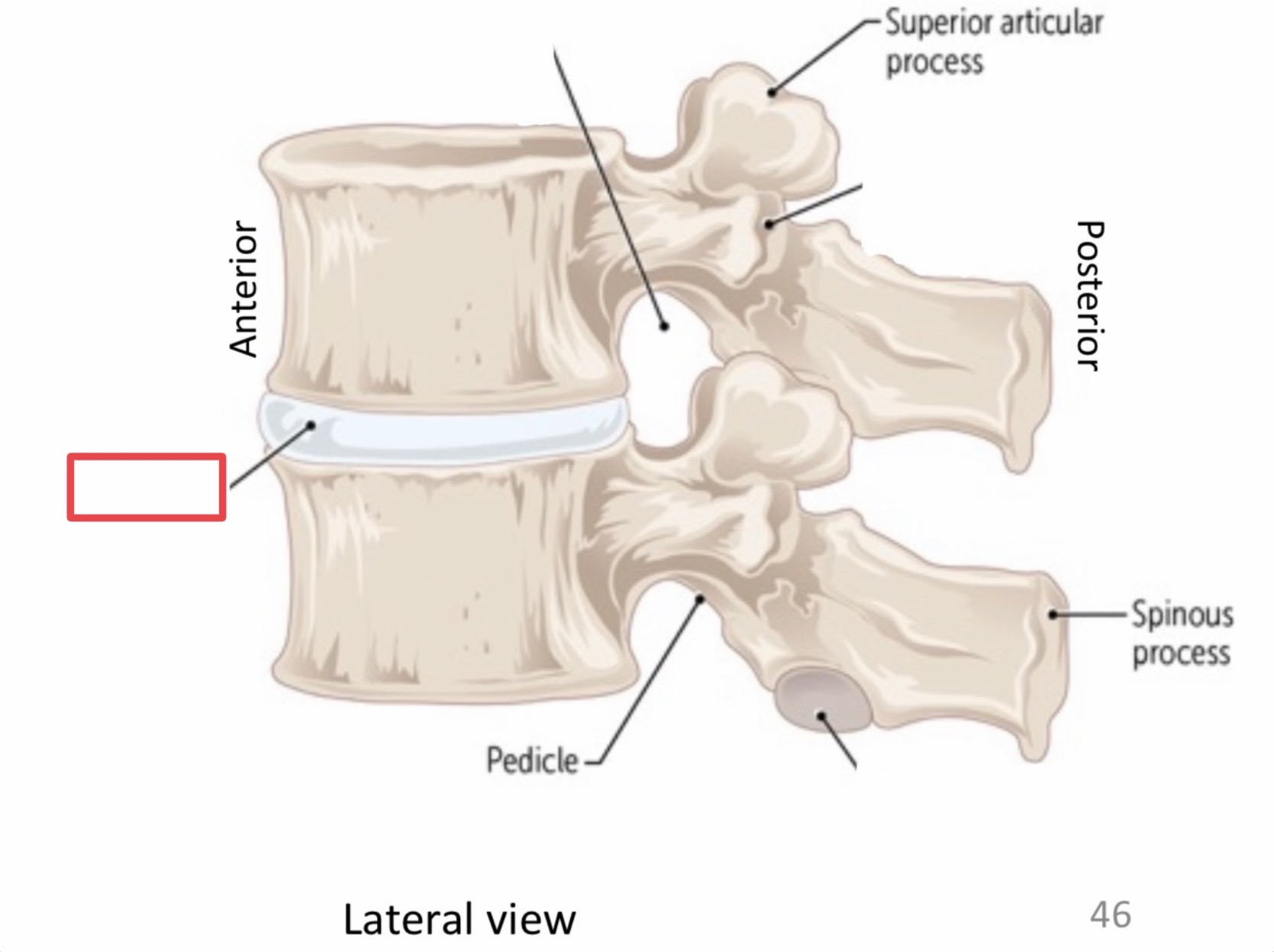
Intervertebral disk
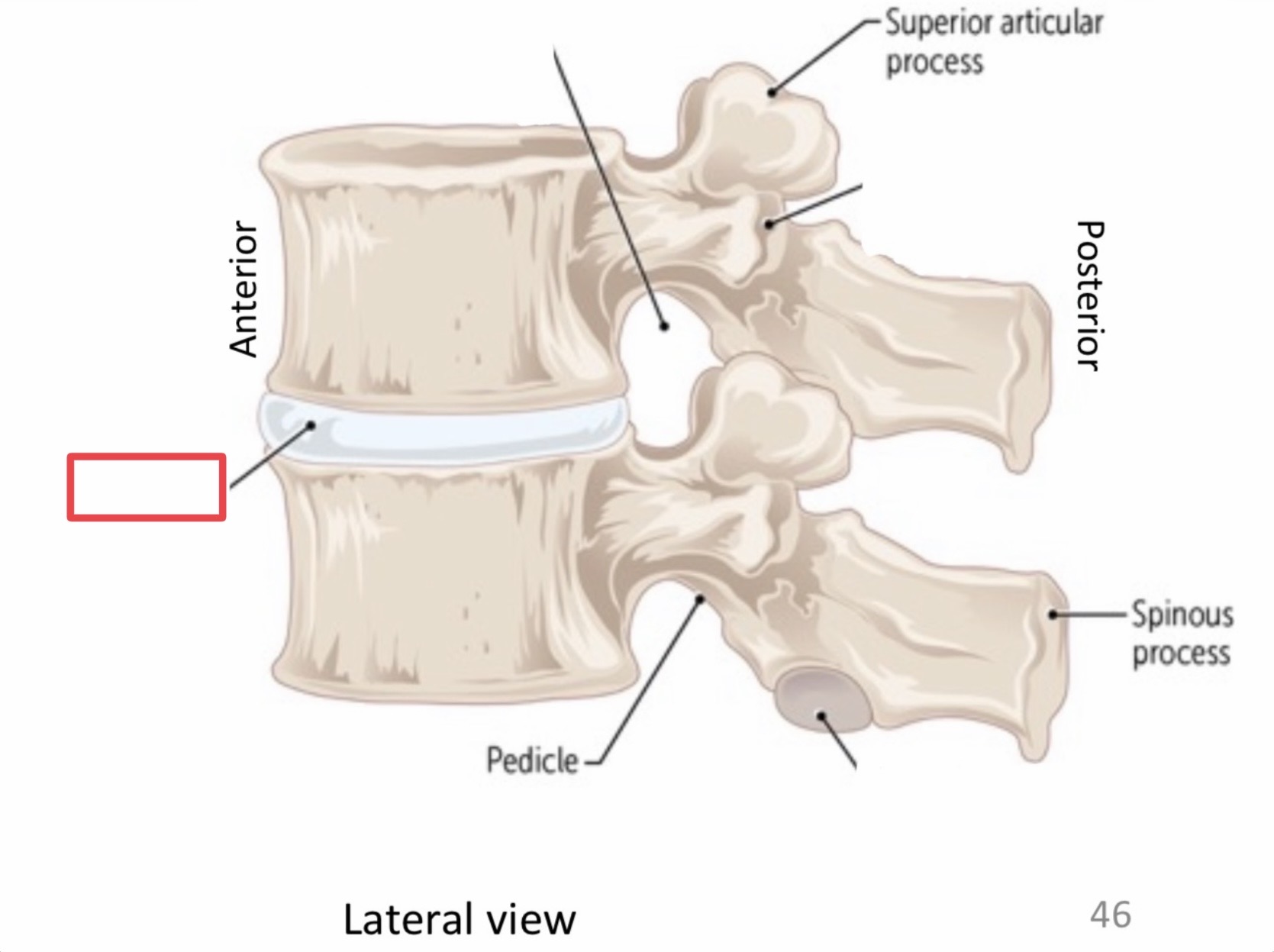
Intervertebral foreman
Cervical Vertebrae
consist of 7 vertebrae, dorsal curve (lordosis), small vertebral bodies, transverse foramina
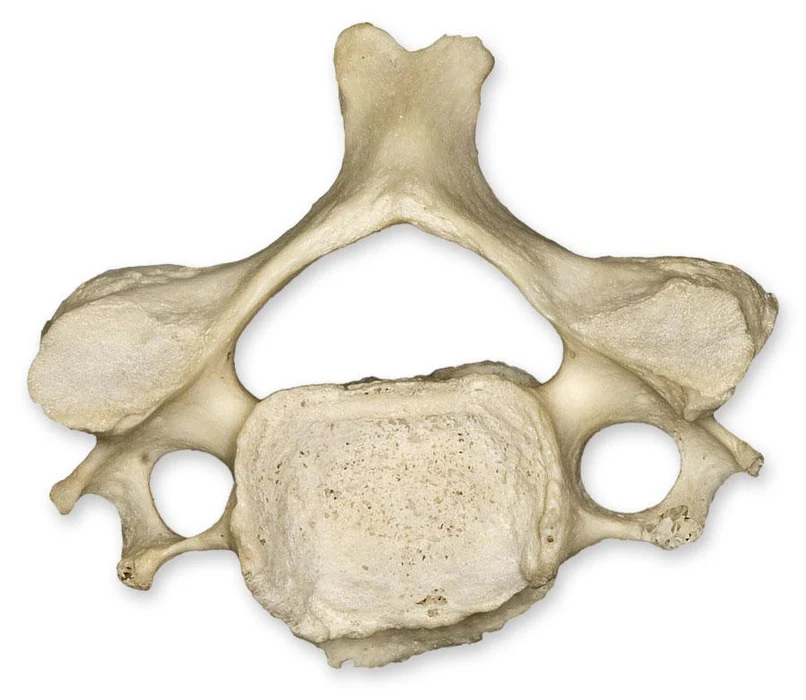
atlas (C1)
first cervical vertebrae
axis (C2)
second cervical vertebrae

Bifid spinous process
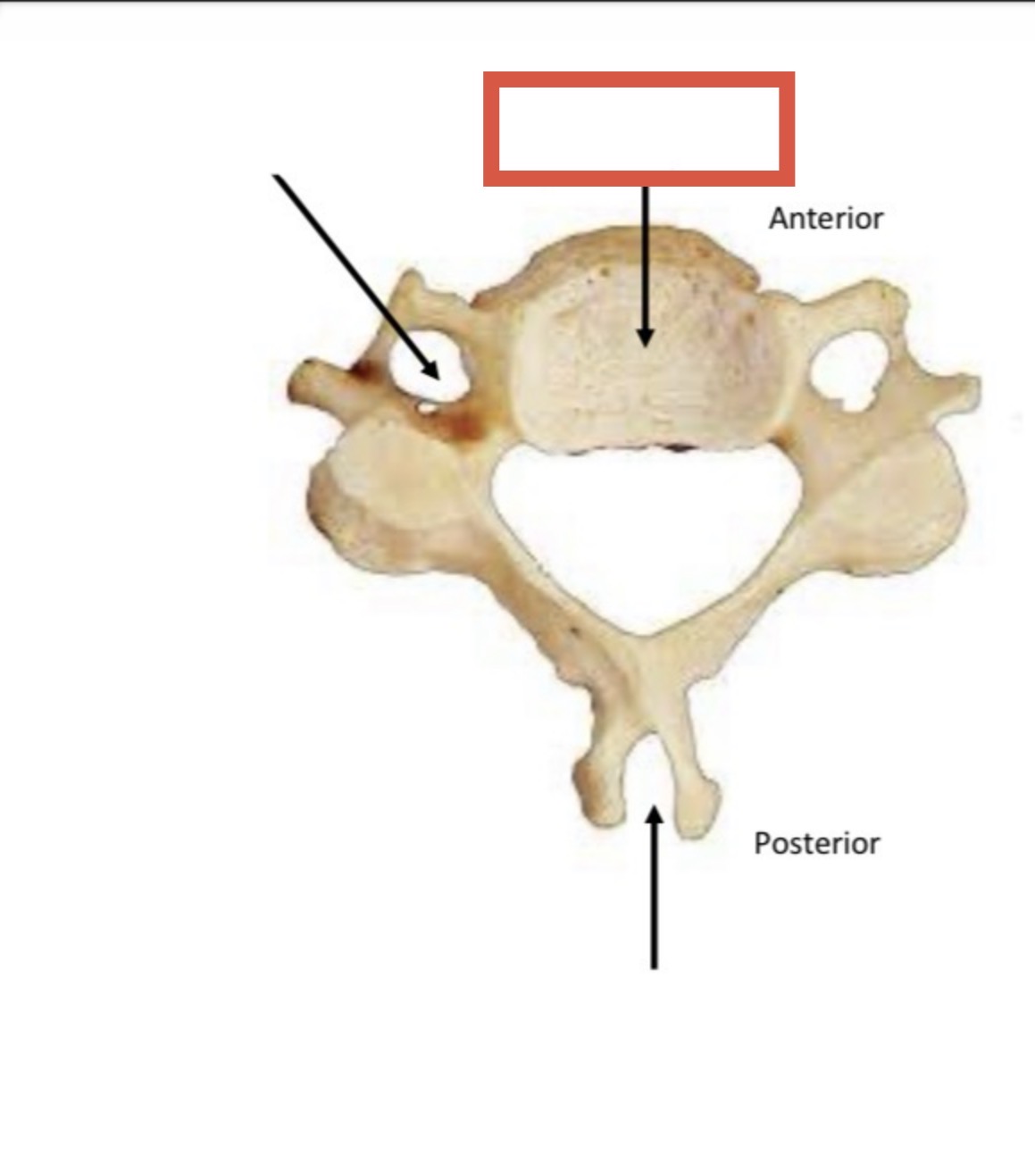
Body
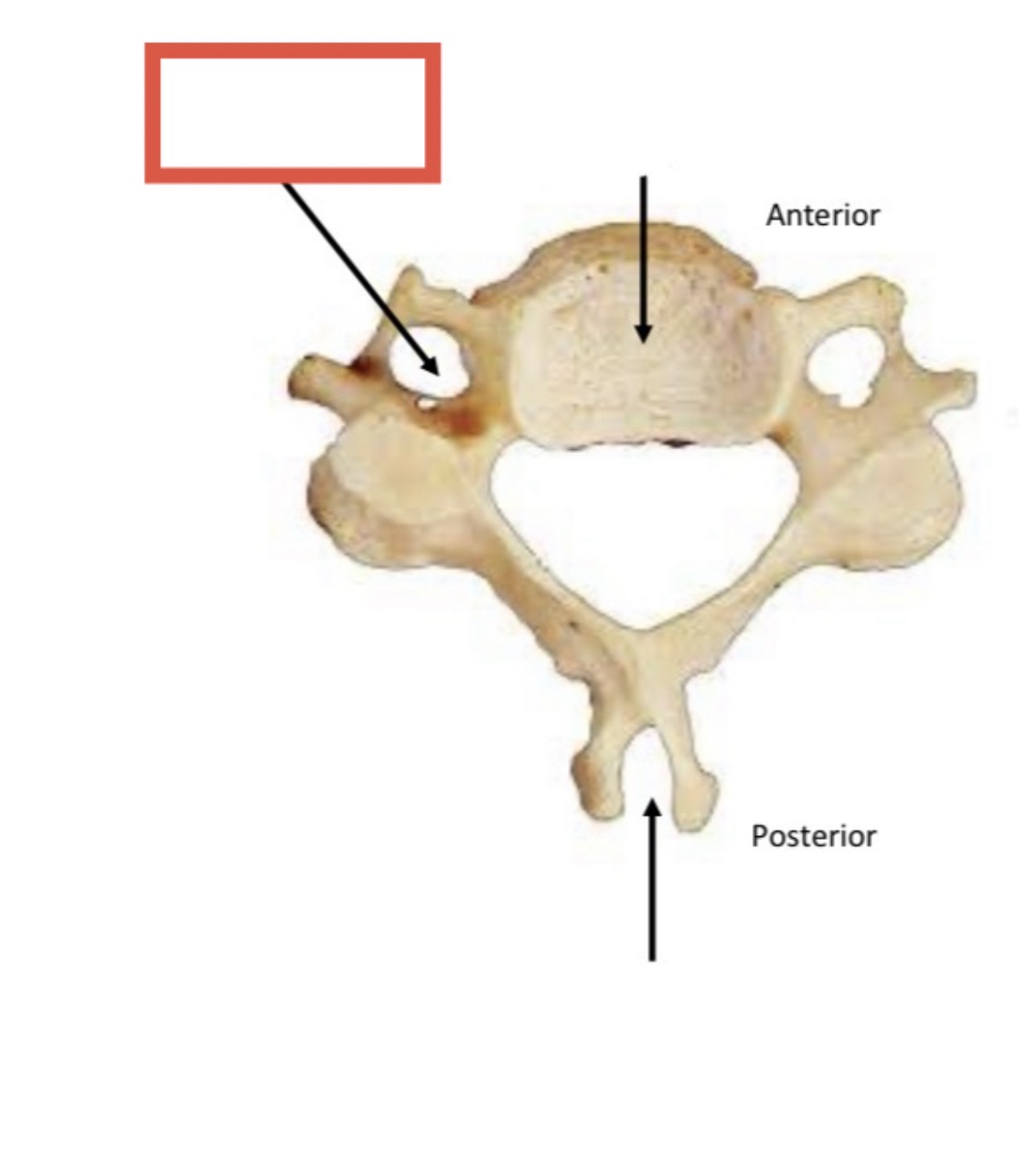
Transverse foreman
intervertebral foramen
the space between the pedicles of adjacent vertebrae – each contains a spinal nerve and dorsal root ganglion