Asian Art - Chapter 11
 Studied by 0 people
 Call Kai
 Learn
Learn Practice Test
 Spaced Repetition
 Match
Match Flashcards
 Knowt Play
1/22

There's no tags or description
Looks like no tags are added yet.
Name | Mastery | Learn | Test | Matching | Spaced |
|---|
No study sessions yet.
23 Terms
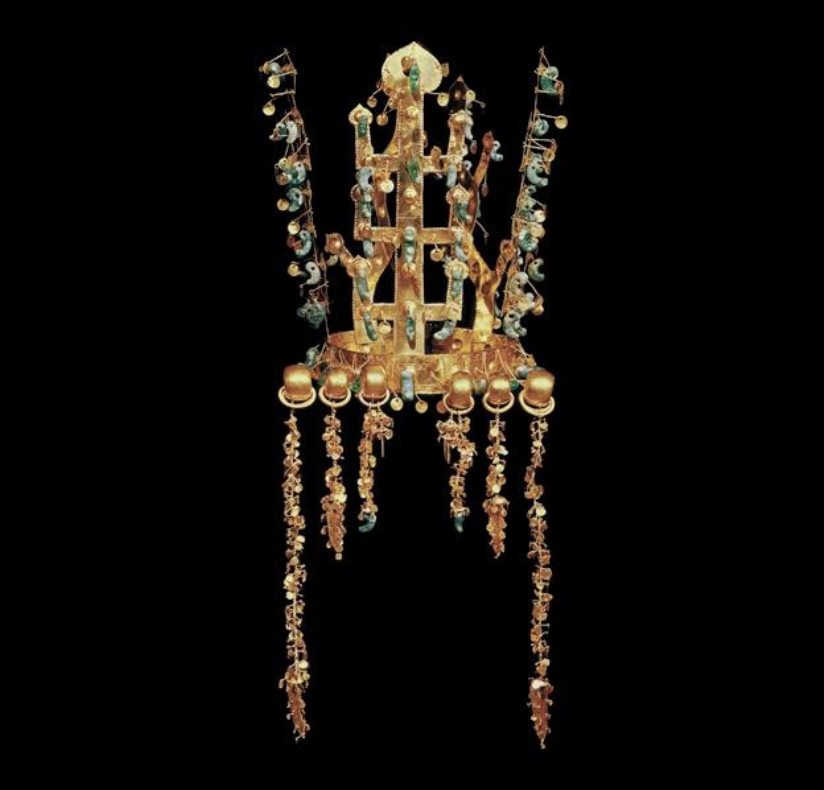
Crown, Three Kingdoms Period, Silla kingdom, 5th-6th century CE, gold and jade
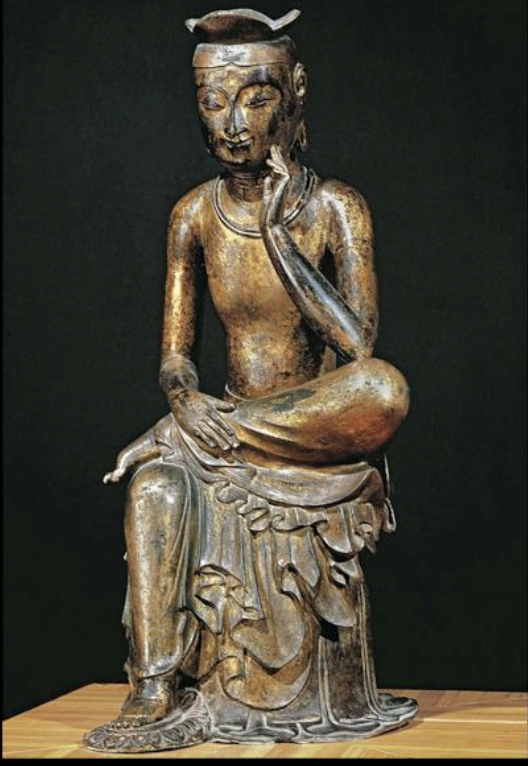
Bodhisattva seated in Meditation, Silla Kingdom, 6th-7th century CE, gilt bronze
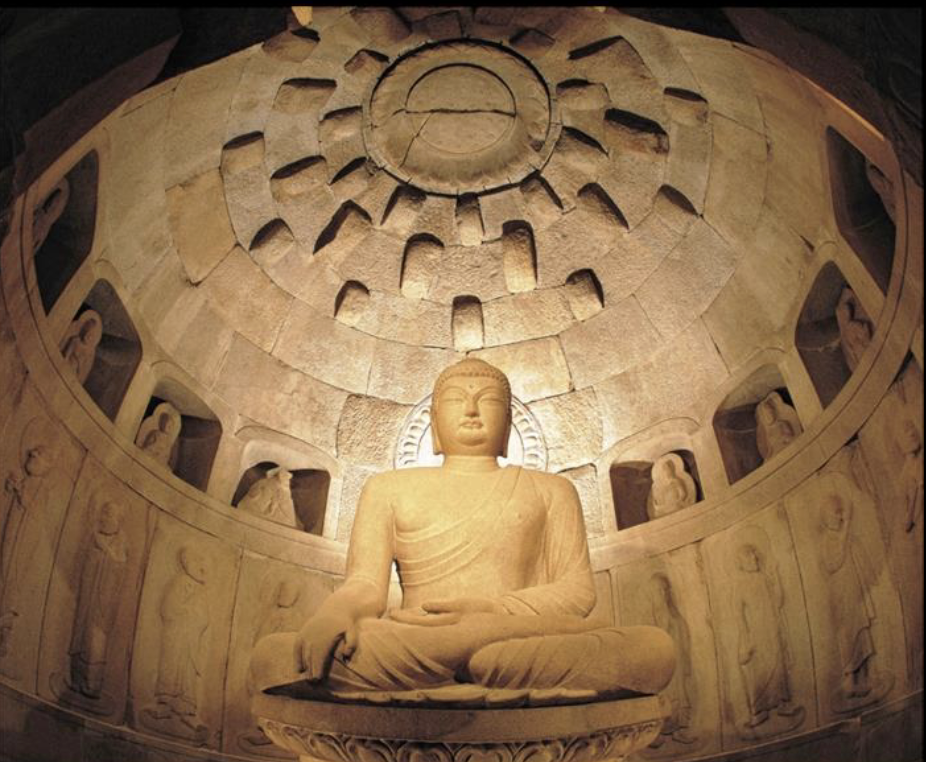
Seated Buddha at Seokguram Cave Temple, Unified Silla Period, 751 CE, granite
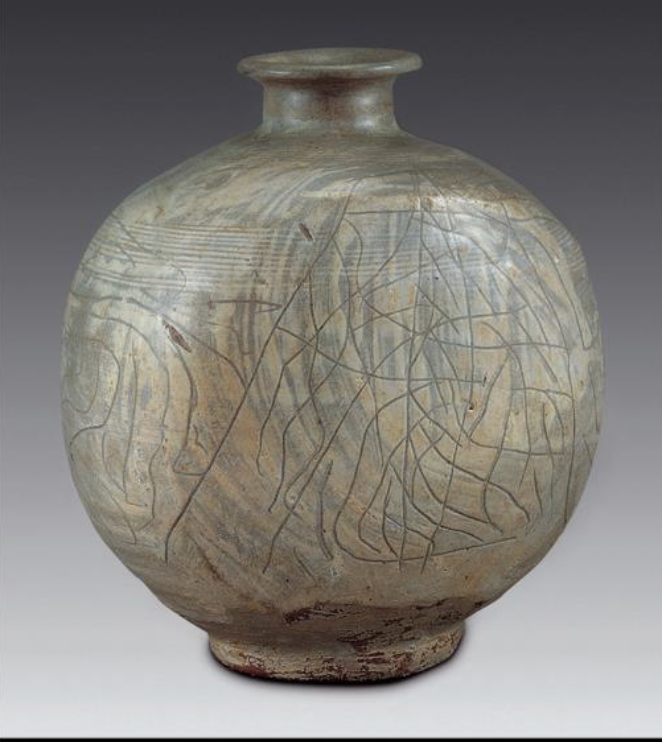
Bottle With Abstract Decoration, Joseon Dynasty, early 16th century CE, light gray stoneware with incised design on white slip ground
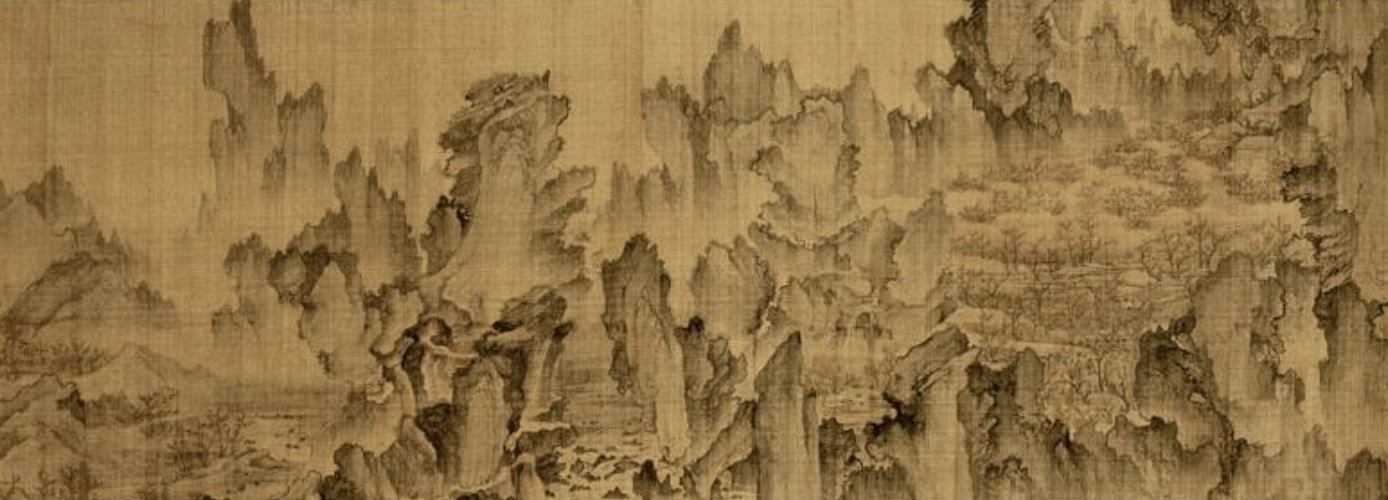
An Gyeon, Dream Journey to Peach Blossom Land, Joseon Dynasty, 1447, handscroll, ink and color on silk
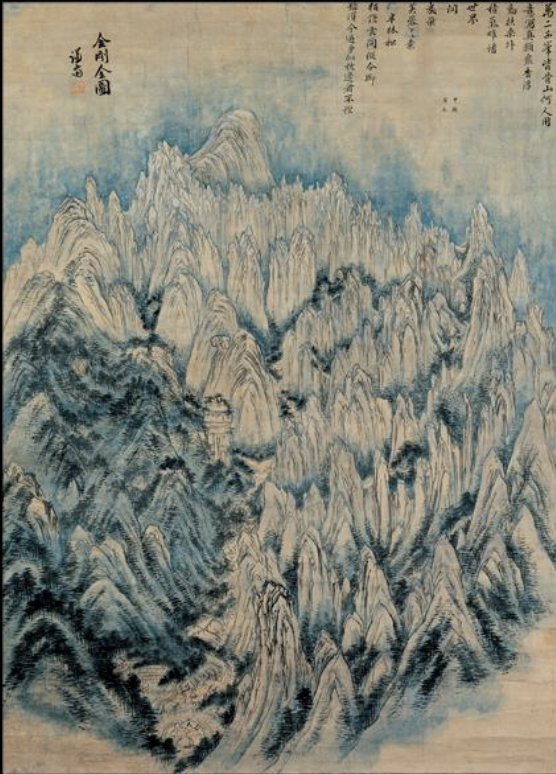
Jeong Seon, Panoramic View of the Diamond Mountains, Joseon Dynasty, 1734, hanging scroll, ink and color on paper
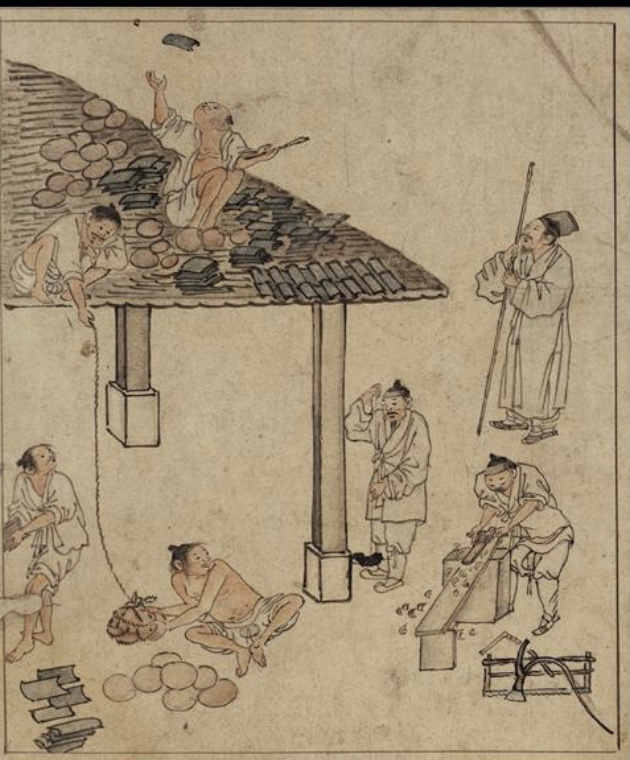
Kim Hongdo, Roof Tiling, Joseon Dynasty, 18th century, album leaf, ink and color on paper
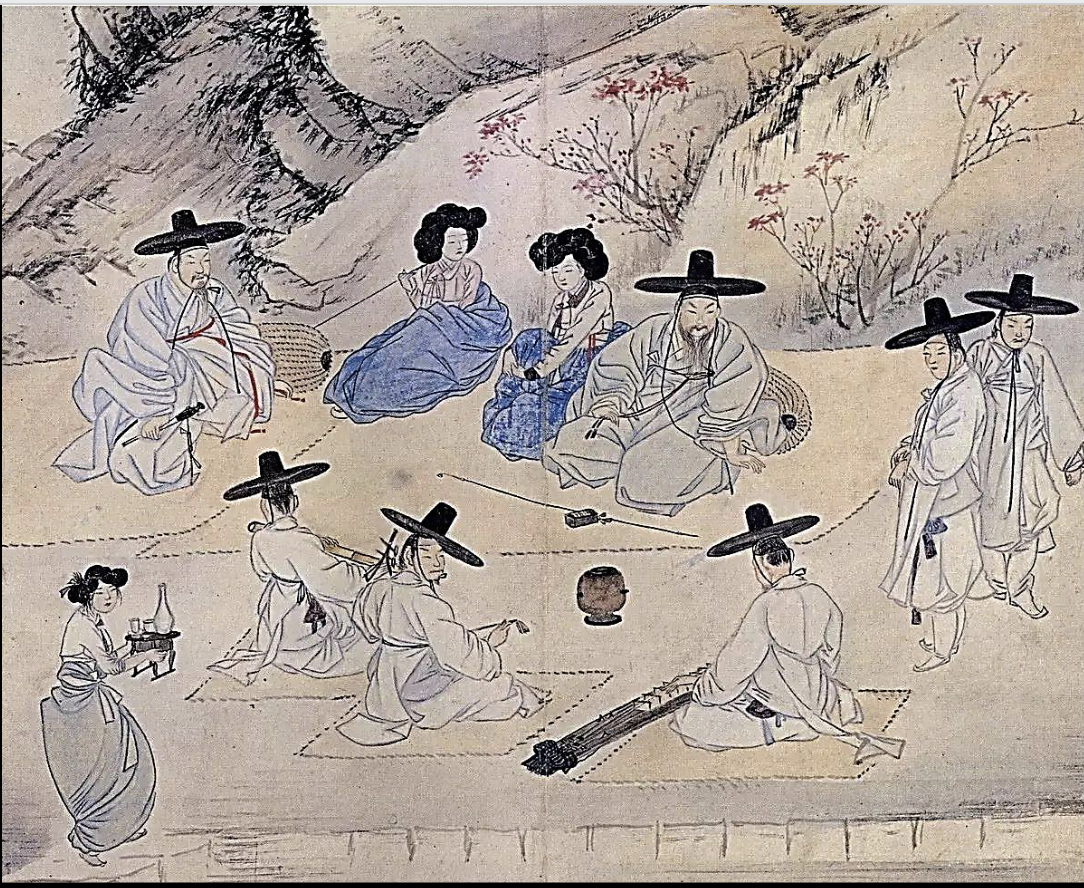
Sin Yunbok, An Amusing Day in a Field in Spring, Joseon Dynasty, 18th century, album leaf, ink and color on paper
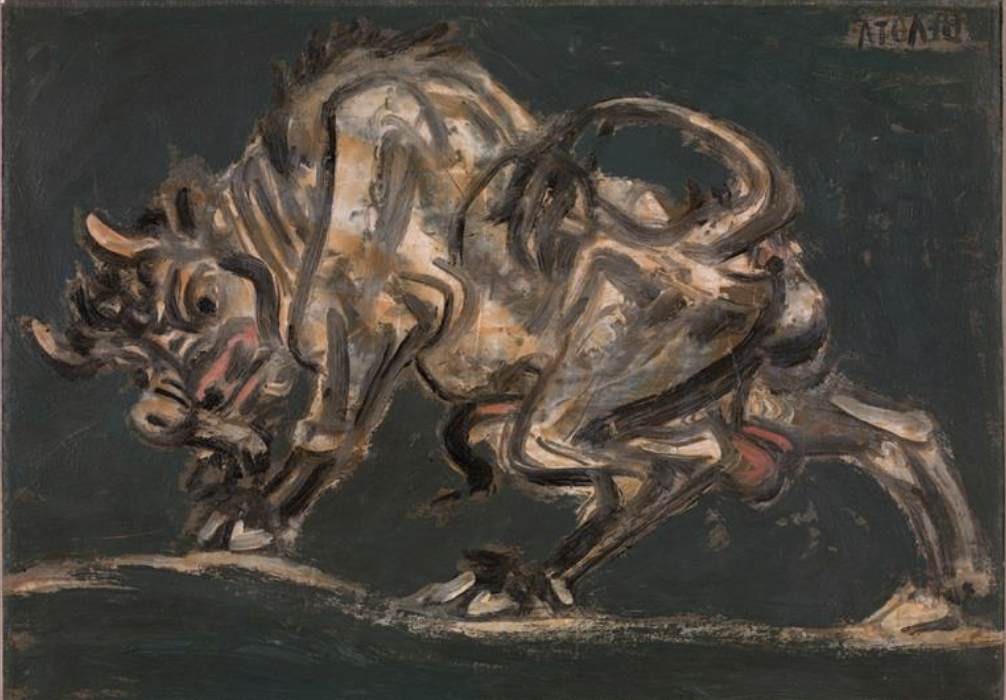
Lee Joong-sup, The Bull, 1953, oil on paper
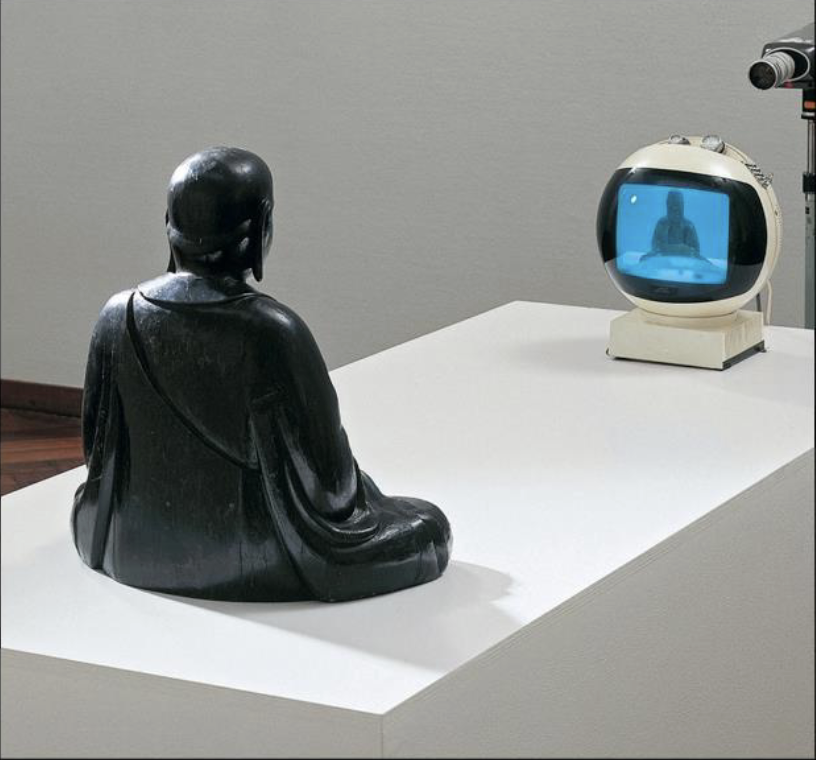
Paik Nam June, TV Buddha, `974, video installation with bronze buddha statue
shamanism
belief system focused on the shaman, a person believed to communicate with spirit world via altered state to heal the sick, practice divination, and control the future
patina
a crusty surface
hangul
Korean phonetic alphabet and Korea’s official writing system since the late 19th century.
pagoda
East Asian version of a stupa
animistic
genre painting
paintings about daily life, common people.
grave goods
objects buried with a body for sustenance its in the afterlife
lacquer
medium made from pigments of heated sap of lacquer tree, used to paint wood, cloth or paper
inlay / underglaze / slip
design element created by creating recesses in surface and pouring material into space they leave / decoration, typically in slip, applied to ceramic object before glazing / mixture of clay and water used to join clay parts or decorate ceramics
animistic
relating to the belief that everything has a soul or spirit, including natural phenomenon and ininanimate objects
register
vertical level
woodblock
print made from one or more carved wooden blocks. In japan they were made using multiple blocks carved in relief usually with a block for each color in finished print.
mural / tumulus
wall painting / funerary mound