Design Thinking I Test 2
 Call Kai
 Learn
Learn Practice Test
 Spaced Repetition
 Match
Match Flashcards
 Knowt Play
1/34

Earn XP
Description and Tags
U of A IRAD
Name | Mastery | Learn | Test | Matching | Spaced | Call with Kai |
|---|
No analytics yet
Send a link to your students to track their progress
35 Terms
Interior use of Metals
Metals are used in interiors for structure, finishes, furniture, fixtures, hardware, railings, lighting, and decorative elements.
Common metals include steel, aluminum, brass, copper, and stainless steel.
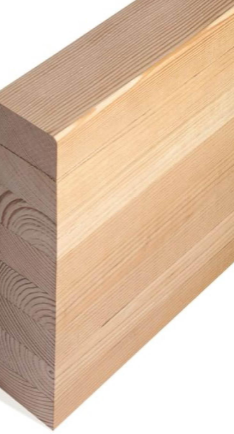
Solid wood
Used for structure, cladding, and flooring, pine is common in the south
Rapidly renewable; moderate durability
2×4, 2×6 common sizes for studs 1×6 common flooring size
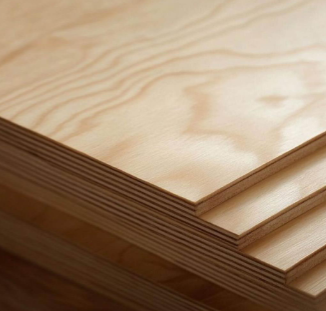
Plywood
Tree sliced into sheets
Many layered sheets
4’ x 8’ common size
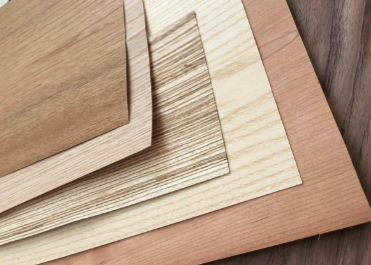
Veneer
Tree sliced into sheets
Single sheet of expensive or high quality wood
Applied to backer board
Sustainability and Materials
Rapidly renewable materials
Materials harvested in 10 year cycle
Bamboo, cork, cotton, wool, straw, etc
Recyclable materials
Materials that can be recycled
Metals, glass, and concrete
Healthy materials
Materials with no toxic substances or off-gases
Asbestos, Lead, and VOCs are common toxic substances
Sustainability Principles in Interiors
Adaptive Reuse
Reuse existing buildings
Design Efficiency
Do more with less
Healthy Materials
Specify healthy, renewable materials
Constraints [Foundations in Technology]
The limitations, boundaries, or restrictions in a design project that
guide the creative process and ensure solutions are practical and
meet project objectives
External Constraints
The boundaries that are provided by the client and context
These are limits outside of our control that must be accepted and consciously responded to in the design
Common external constraints in design
Location
Solar orientation
Climate
Timeline
Client
Scope
Budget
Functional
Regulatory
Physical
Rules [Foundations in Technology]
Specific guidelines designers develop to make decisions
Rules bring…
Rigor
Clarity
Consistency
Logic
Comprehension
Principles [Foundations in Technology]
Fundamental, general truths
Four common brick patterns
Crosshatch, Stack Bond, Traditional Herringbone, and Running Bond
Le Corbusier’s Ronchamp
Chapel was designed by Le Corbusier, It is known for…
Sculptural form
Thick curved walls
Dramatic natural light
Organic shapes rather than strict geometry
Ceramic Tile
Most popular
Kiln-fired clay with glaze, used in backsplashes and bathroom walls
Porcelain Tiles
Very durable
Denser, highly water-resistant, heavy traffic, and outdoor areas
Natural stone, glass, terrazzo, cement, mosaics
Clay
Natural earth material used to make ceramics
Brick
Made from Clay; formed into blocks, dried, and fired in a kiln
Soft when wet, hard when dry
3-5/8” x 2-1/4 × 7-5/8” common size
Very durable
Tile
Popular surface material
Made from many materials (ceramic, porcelain, cement)
Many colors, finishes, and patterns
Very durable
Material strategy
A Material Strategy is a type of rule that helps us make decisions
about how and where to use what materials
Often tied to function, zoning, and spatial requirements
Prospect
Prospect spaces are where a person is elevated, feels open, looks
out and at the world around us
Refuge
Refuge spaces are where a person feels calm, safe and internally
focused
Associated with heavy, dark spaces
Designing with material units/modules
Creating designs using repeating standardized pieces (bricks, tiles, panels, blocks) to improve efficiency, reduce waste, and create visual order
Editing in Design
Clarifying the design to its essence helps the project in many ways
Less expensive
Easier to build
Clearer design strategy
Heavy Materials
Having great weight, of weighty import
Thick, dense
Characterized by depth of intensity: profound
Examples of heavy materials
Metals (Steel, brass, copper, etc)
Concrete
Brick
Tile
Stone
Light Materials
Create feelings of openness, movement, and transparency
Glass
Fabric
Thin metal
Screens
Translucent material
A material or substance that allows light to pass through, but
diffuses it so that objects on the other side cannot be seen clearly
Translucent Materials Examples
Glass
Glass Block
Channel Glass
Acrylic
Polycarbonate
ETFE
Fabrics
Examples of Screens
Wood screens
Shoji screens
Perforated metal
Expanded metal
Bar grate
Metal mesh
Brick screen walls
Concrete block
Screens Are Great When...
The space needs physical separation
A level of privacy
Need for light, air, and view to penetrate
The Four Elements of Architecture
Hearth
Metallurgy, ceramics
Roof
Carpentry
Enclosure
Textile, weaving
Mound
Earthwork
Villa Muller (Raumplan)
Designed by Adolf Loos
Uses Raumplan ("space plan")
Rooms have different heights and levels based on function
Spaces are interconnected vertically
Barcelona Pavilion (Free Plan)
Designed by Ludwig Mies van der Rohe
Uses Free Plan
Few structural walls
Open, flexible spaces
Walls do not determine the building's structure
Update after the upcoming color lectures
TBD