Asian Art Chapter 8
 Studied by 0 people
 Call Kai
 Learn
Learn Practice Test
 Spaced Repetition
 Match
Match Flashcards
 Knowt Play
1/21

There's no tags or description
Looks like no tags are added yet.
Name | Mastery | Learn | Test | Matching | Spaced |
|---|
No study sessions yet.
22 Terms
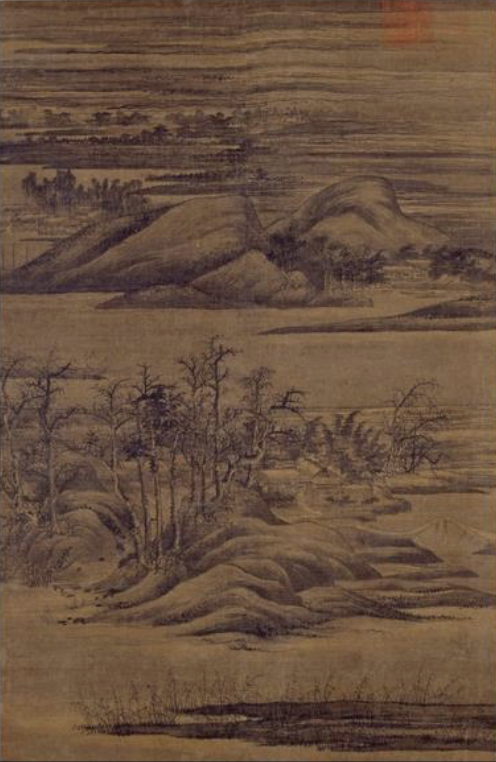
Dong Yuan, Wintry Groves and Layered Banks, Southern Tang Dynasty, 950 CE, hanging scroll, ink and color on silk
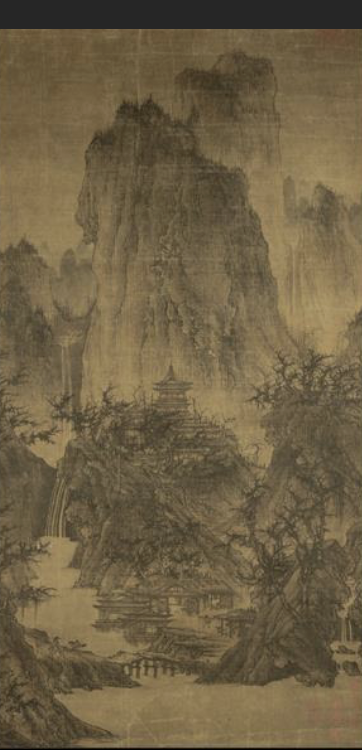
Li Cheng, A Solitary Temple Amid Clearing Peaks, Northern Song Dynasty, 960 CE, hanging scroll, ink and color on silk
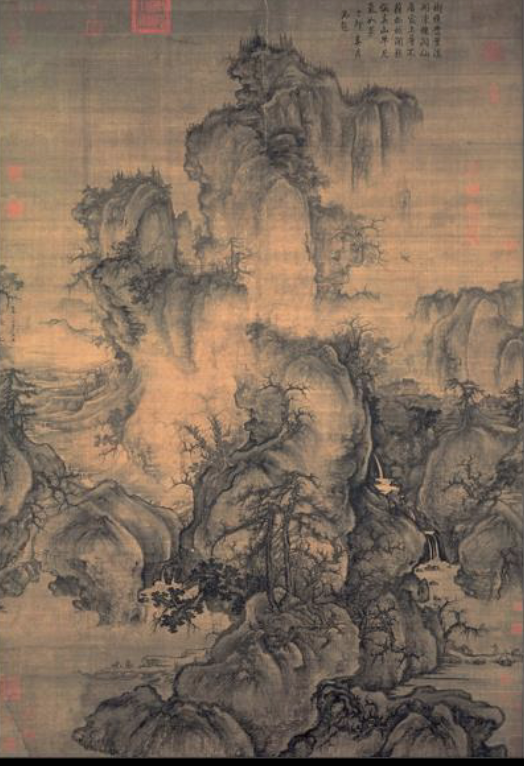
Guo Xi, Early Spring, Northern Song Dynasty, 1072 CE, hanging scroll, ink and color on silk
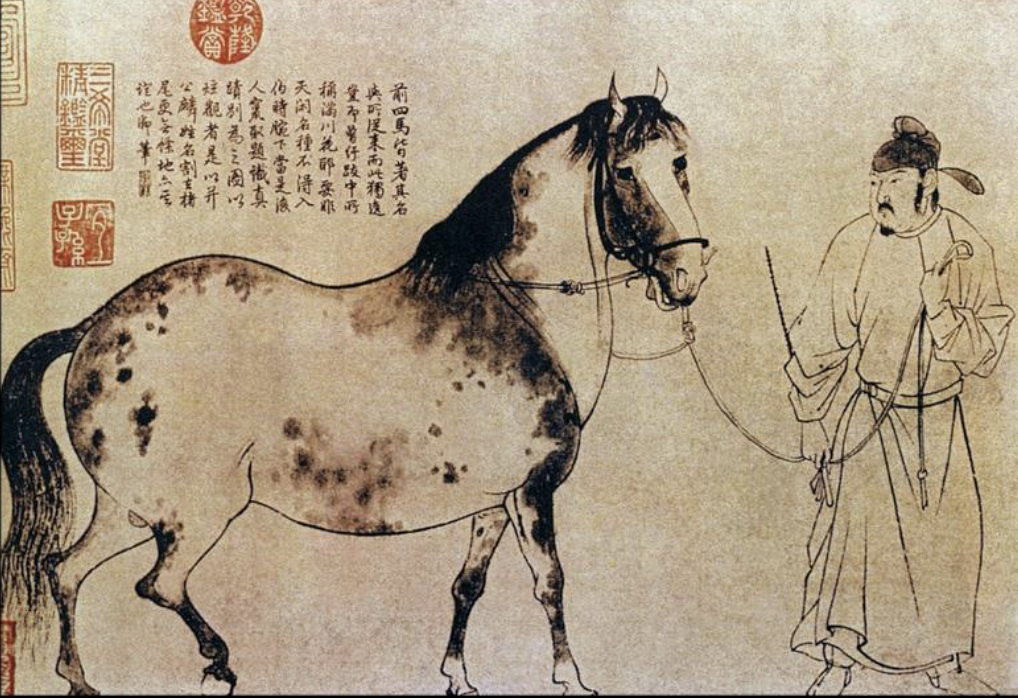
Li Gonglin, Five Tribute Horses, Northern Song Dynasty, 1090 CE, handscroll, ink on paper
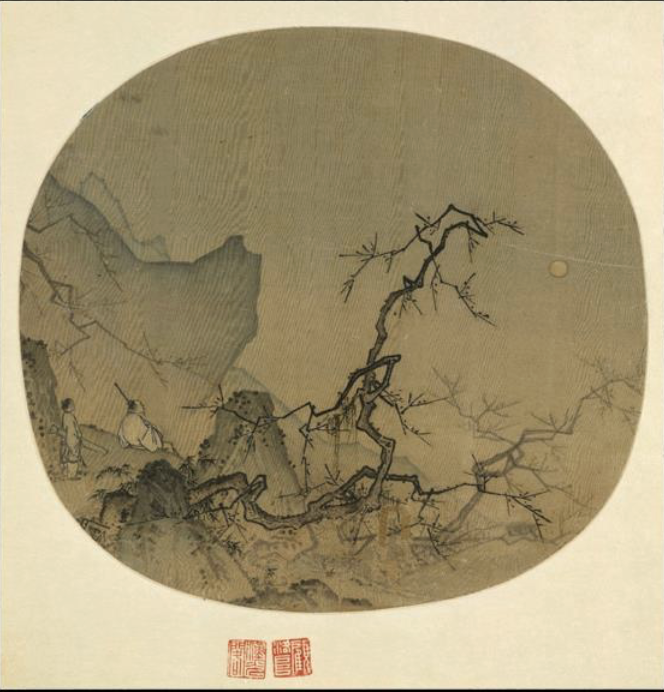
Ma Yuan, Viewing Plum Blossoms by Moonlight, Southern Song Dynasty, fan mounted as album leaf, ink and color on silk
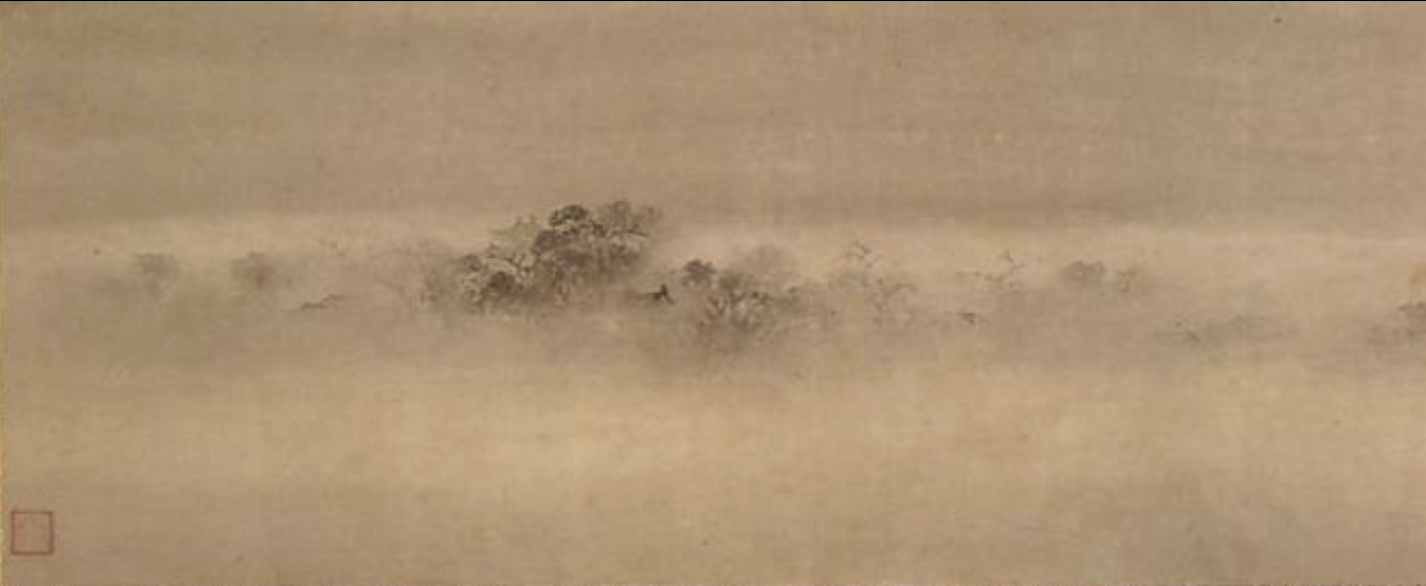
Fachang Muqi, Evening Bell From Mist-Shrouded Temple, Southern Song Dynasty, handscroll, ink on paper
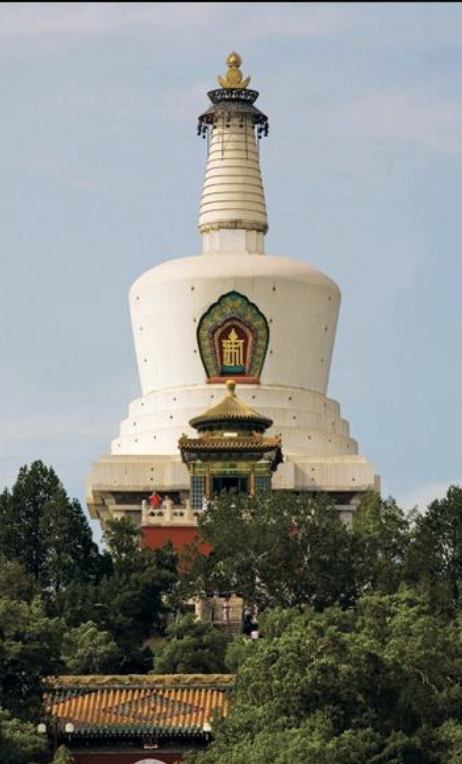
Angie, White Stupa, Yuan Dynasty, 1279, stone with stucco and bronze
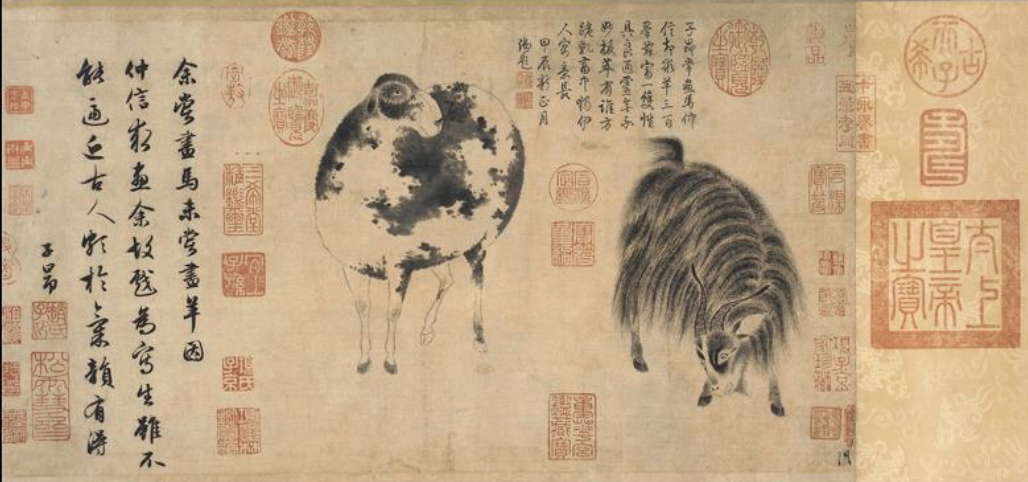
Zhao Mengfu, Sheep and Goat, Yuan Dynasty, 1300-1305 CE, handscroll, ink on paper

Huang Gongwang, Dwelling in The Fuchun Mountains, Yuan Dynasty, 1347-50 CE, handscroll, ink on paper
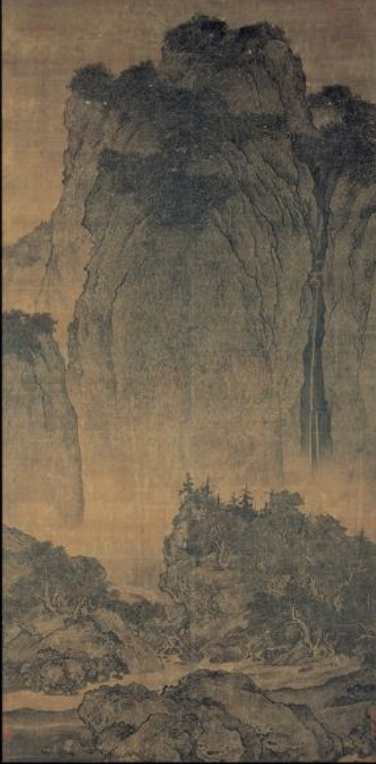
Fan Kuan, Travelers Among Mountains and Streams, Northern Song Dynasty, 1000 CE, hanging scroll, ink and color on silk
colophon
inscription mounted after a painting
mineral pigments
colored media that come from mineral sources such as azurite, malachite, cinnabar
Landscape
a painting composed of mountain and water elements
Dong-Ju Tradition
named for Dong Yuan and Juran, feature hemp-fiber strokes, alum lumps to indicate vegetation and tree trunks exposed from root to tip
hemp-fiber strokes
long ropy brushstrokes used to indicate texture in Dong-Ju tradition
alum lumps
rock formations in Dong-Ju painting tradition that resemble lumps of potassium aluminum sulfate
Li-Guo Tradition
painting tradition named after Li Cheng and Guo Xi, features serpentine mountain ridges, trees with crab-claw branches and representations of level distance
ruled line style
method of using straight-edges to depict buildings in paintings
plain-outline style
originated with Li Gonglin, elements are depicted with simple outlines and no color.
Ma-Xia School
group of painters influenced by Ma Yuan and Xia Gui that used one corner composition, ink wash, axe-cut stroke and angular branches
one-corner composition
composition weighted towards one of the bottom corners leaving negative space in opposite corner for inscription
axe-cut stroke
triangular brushstroke that suggests texture of wood chopped by axe