Comprehensive Guide to Sudden Cardiac Arrest in Athletes: Causes, Screening, and Prevention
 Call Kai
 Learn
Learn Practice Test
 Spaced Repetition
 Match
Match Flashcards
 Knowt Play
1/49

There's no tags or description
Looks like no tags are added yet.
Name | Mastery | Learn | Test | Matching | Spaced | Call with Kai |
|---|
No analytics yet
Send a link to your students to track their progress
50 Terms
What is Sudden Cardiac Arrest (SCA)?
A sudden loss of heart function, leading to collapse and loss of consciousness.
Name a famous athlete who died from SCA at age 27.
Reggie Lewis, who had cardiomyopathy.
What condition did 'Pistol' Pete Maravich have that led to his death?
A previously undetected coronary artery anomaly.
What is the average incidence of SCA in the general population per year?
1 in 100,000.
What is the incidence of SCA in high school athletes per year?
1 in 80,000.
How many athletes die from SCA each year in the United States?
About 200-400.
What is the incidence of SCA in NFL and NBA athletes?
As high as 1 in 3000.
What percentage of sudden deaths in sports is cardiac-related?
About 75%.
What is an EKG?
A tracing of the electrical impulse of the heart.
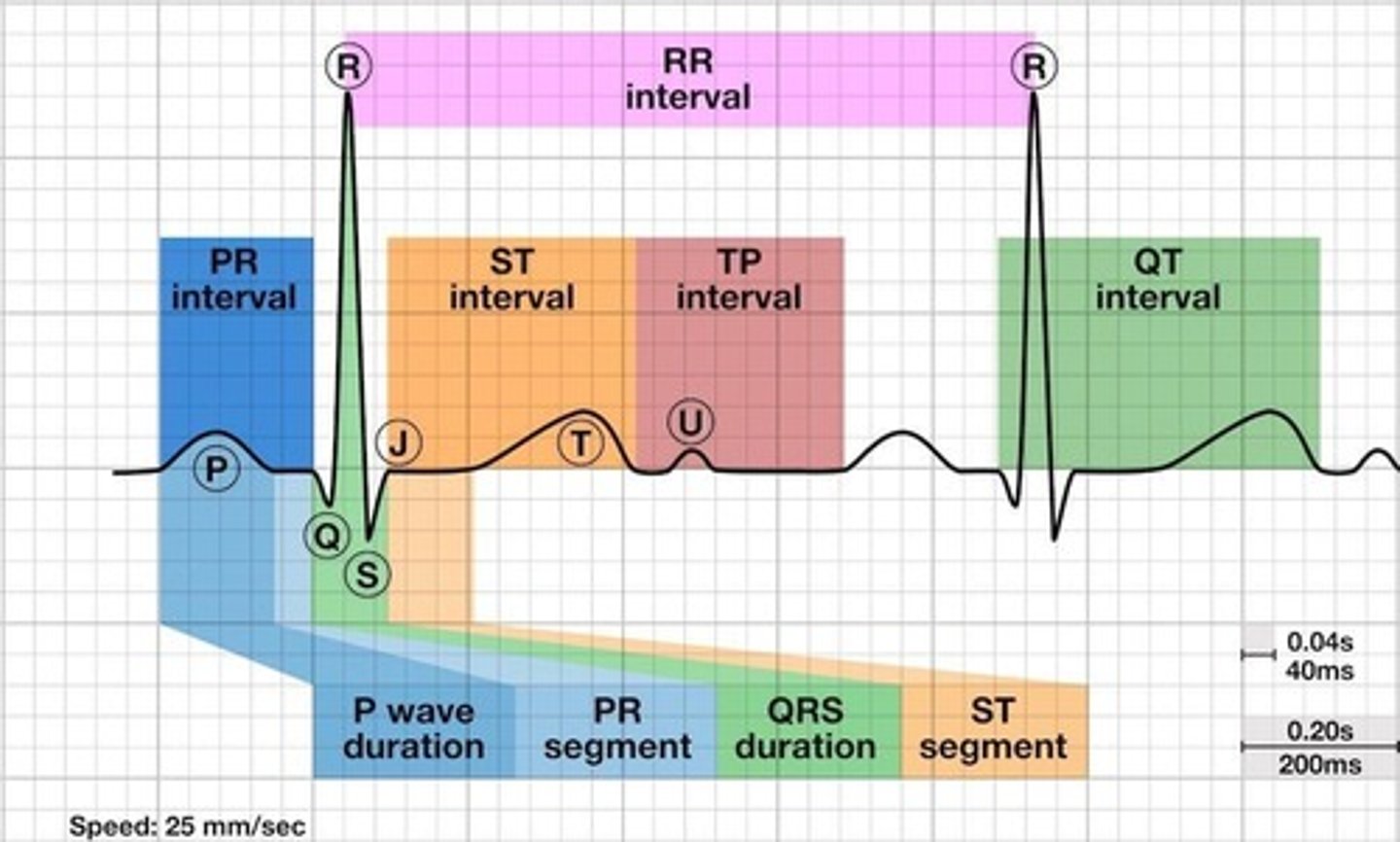
What does the P wave in an EKG represent?
Atrial depolarization.
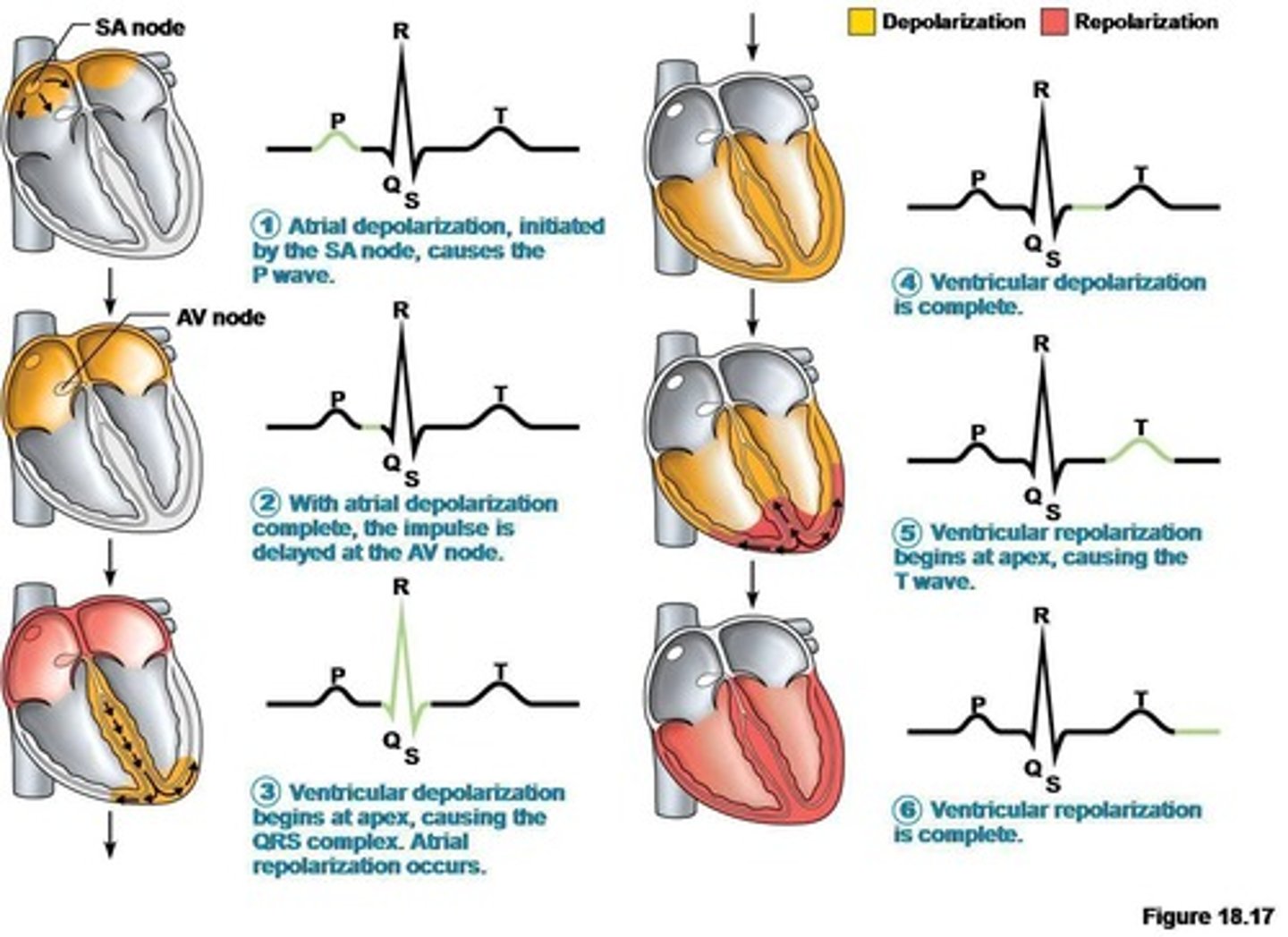
What does the QRS complex in an EKG indicate?
Ventricular depolarization.
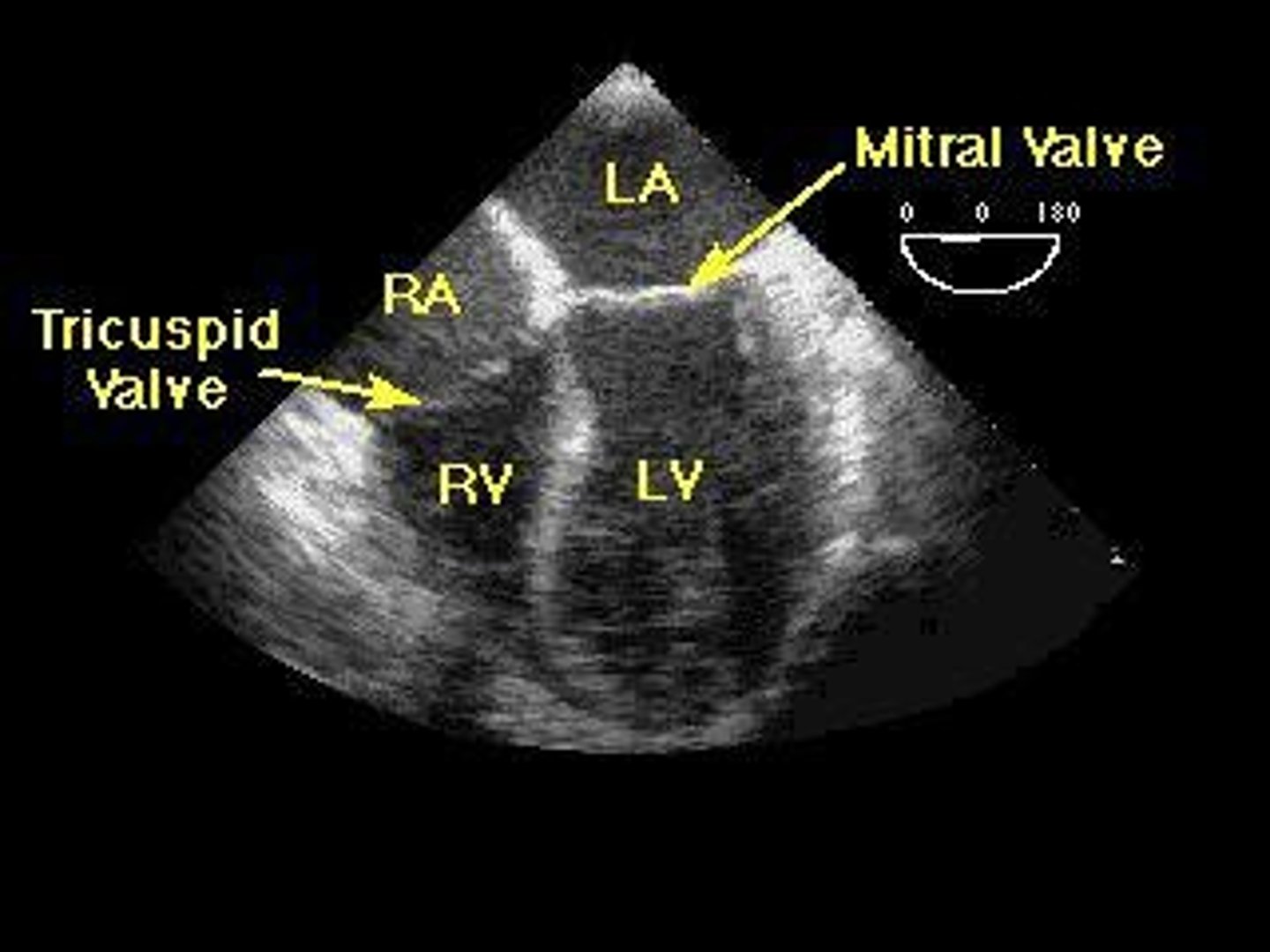
What is an Echocardiogram?
A transthoracic ultrasound of the heart's structure.
What are some symptoms of heart abnormalities in athletes?
Chest pain upon exertion, unexplained fainting, excessive fatigue, and shortness of breath.
What is the overall sensitivity of history and physical exam in detecting silent cardiac conditions?
10 to 20%.
What is the significance of the NEJM Aug 2018 study on British football players?
It identified 42 players with heart conditions at risk of sudden death, with 8 dying despite normal cardiac screenings.
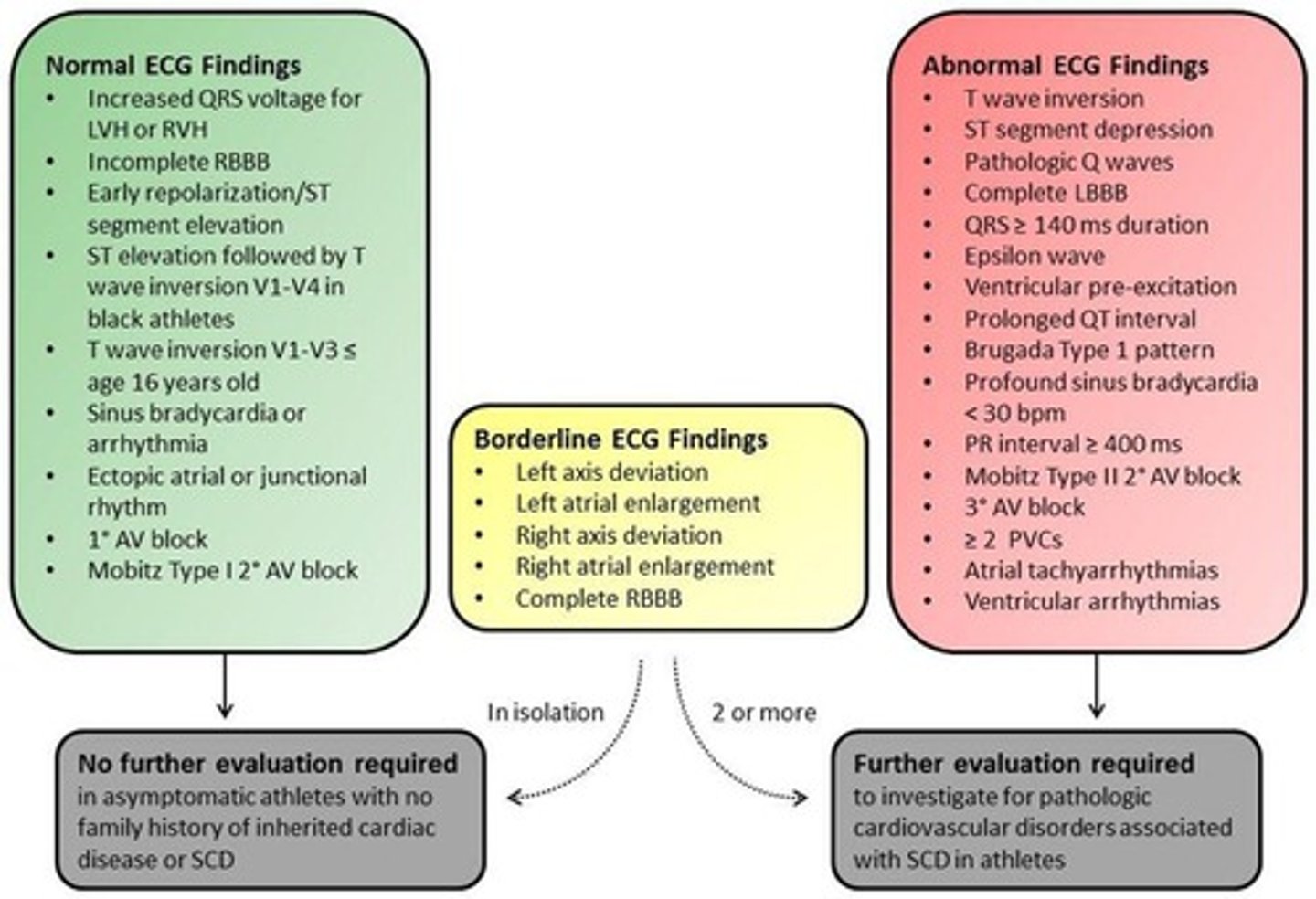
What is the false positive rate for updated EKG criteria published in March 2017?
3%.
What is the false negative rate for updated EKG criteria?
Negligible.
What is the role of electrolytes in cardiac function?
They fluctuate in and out of cardiac myocytes to create heart contractions.
What is the purpose of screening for SCA in athletes?
To identify potential heart conditions that could lead to sudden death.
What are some common heart conditions that can lead to SCA in athletes?
Hypertrophic cardiomyopathy (HOCM), myocarditis, and coronary artery anomalies.
What is the significance of family history in SCA screening?
It is one of the key components in assessing risk during screening.
What does the term 'Marfan Stigmata' refer to in cardiac screening?
Physical signs associated with Marfan syndrome, which can increase the risk of cardiac issues.
What is the incidence of SCA in male basketball players?
1 in 5000.
What is the most common cause of sudden cardiac death in young athletes?
Hypertrophic Cardiomyopathy
What condition is characterized by a blow to the chest leading to cardiac arrest?
Commotio Cordis
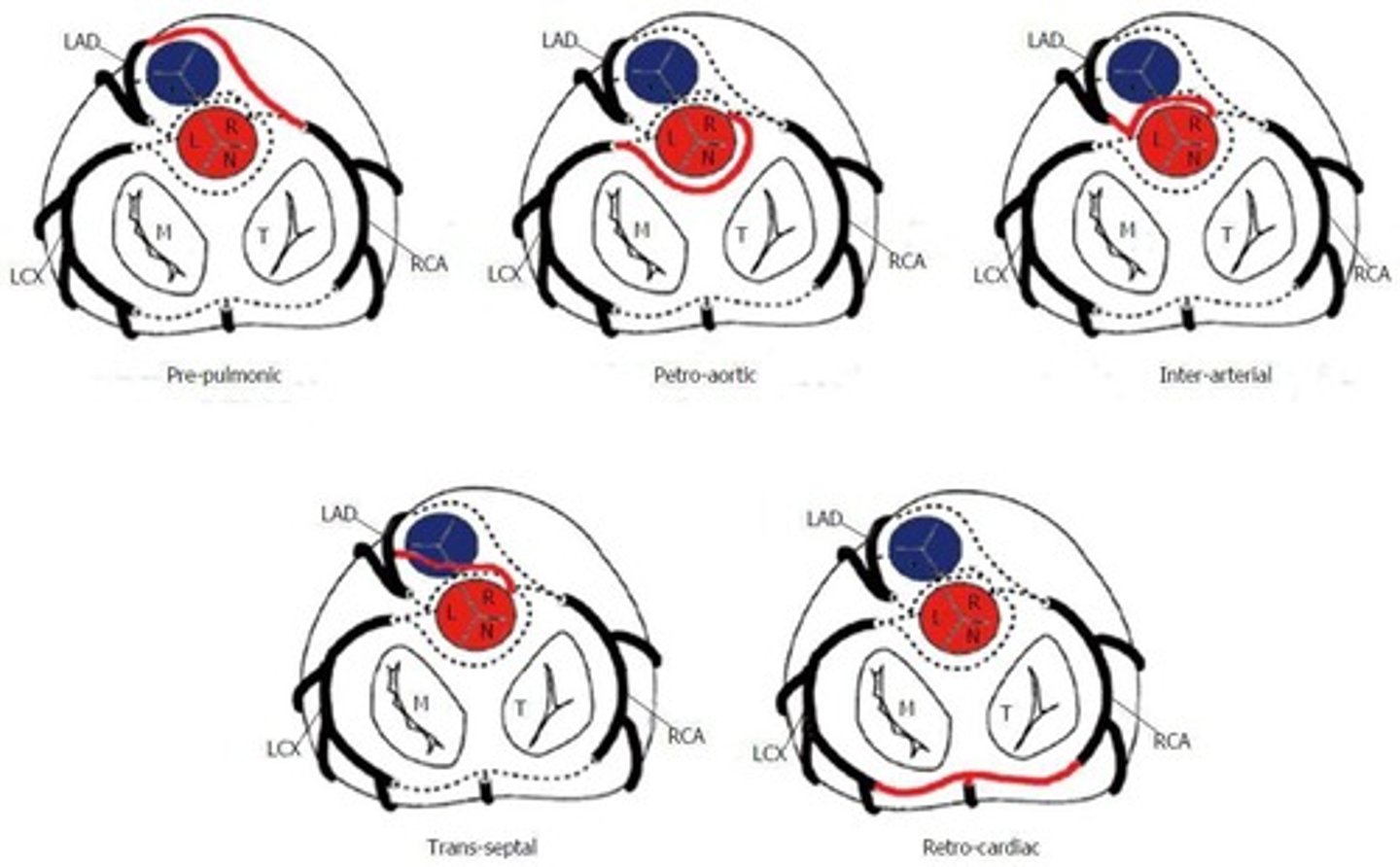
What are coronary artery anomalies?
Abnormalities in the number or exit location of coronary arteries from the aortic valve.
What condition involves the replacement of heart muscle with fatty or disorganized tissue?
Arrhythmogenic Right Ventricular Cardiomyopathy (ARVC)
What is myocarditis?
An inflammation of the heart muscle, often post-viral.
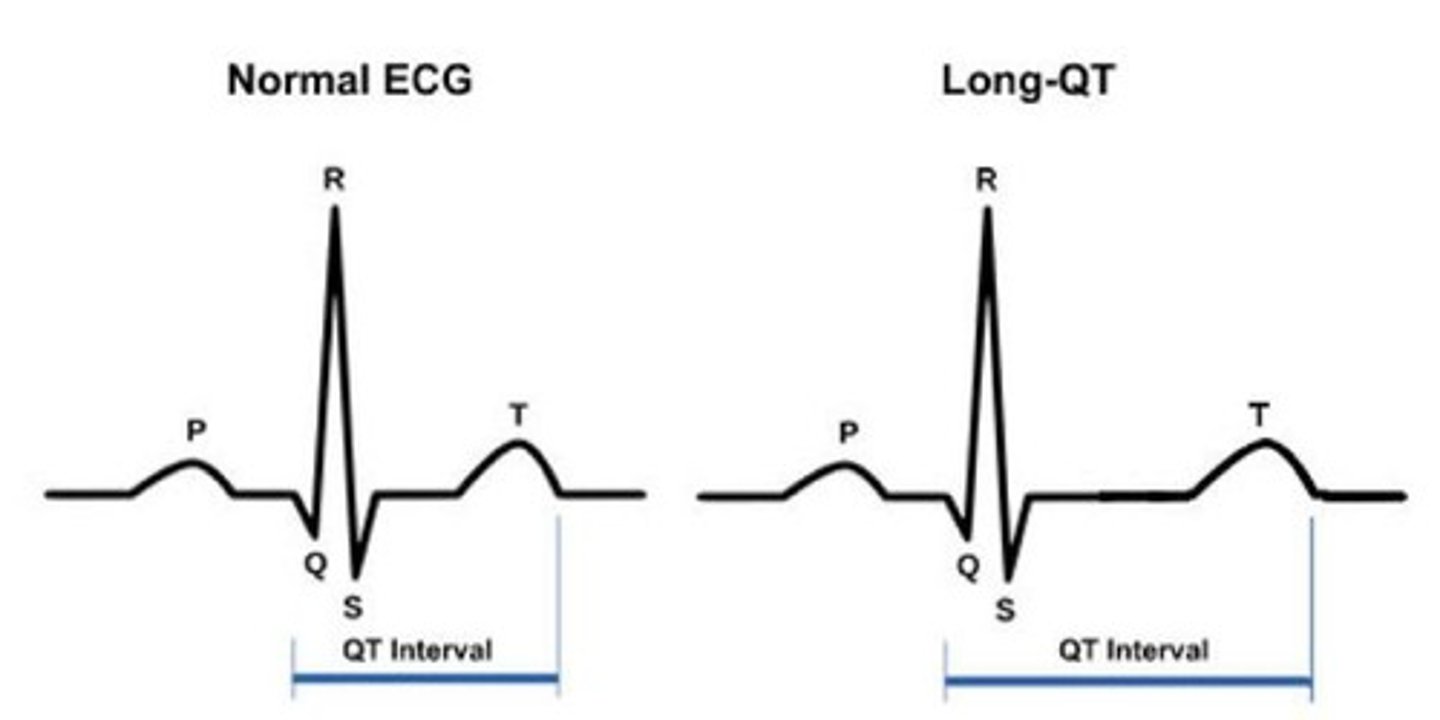
What syndrome is associated with prolonged QT intervals on an EKG?
Long QT Syndrome
What screening method is effective for detecting Hypertrophic Cardiomyopathy?
EKG Screening
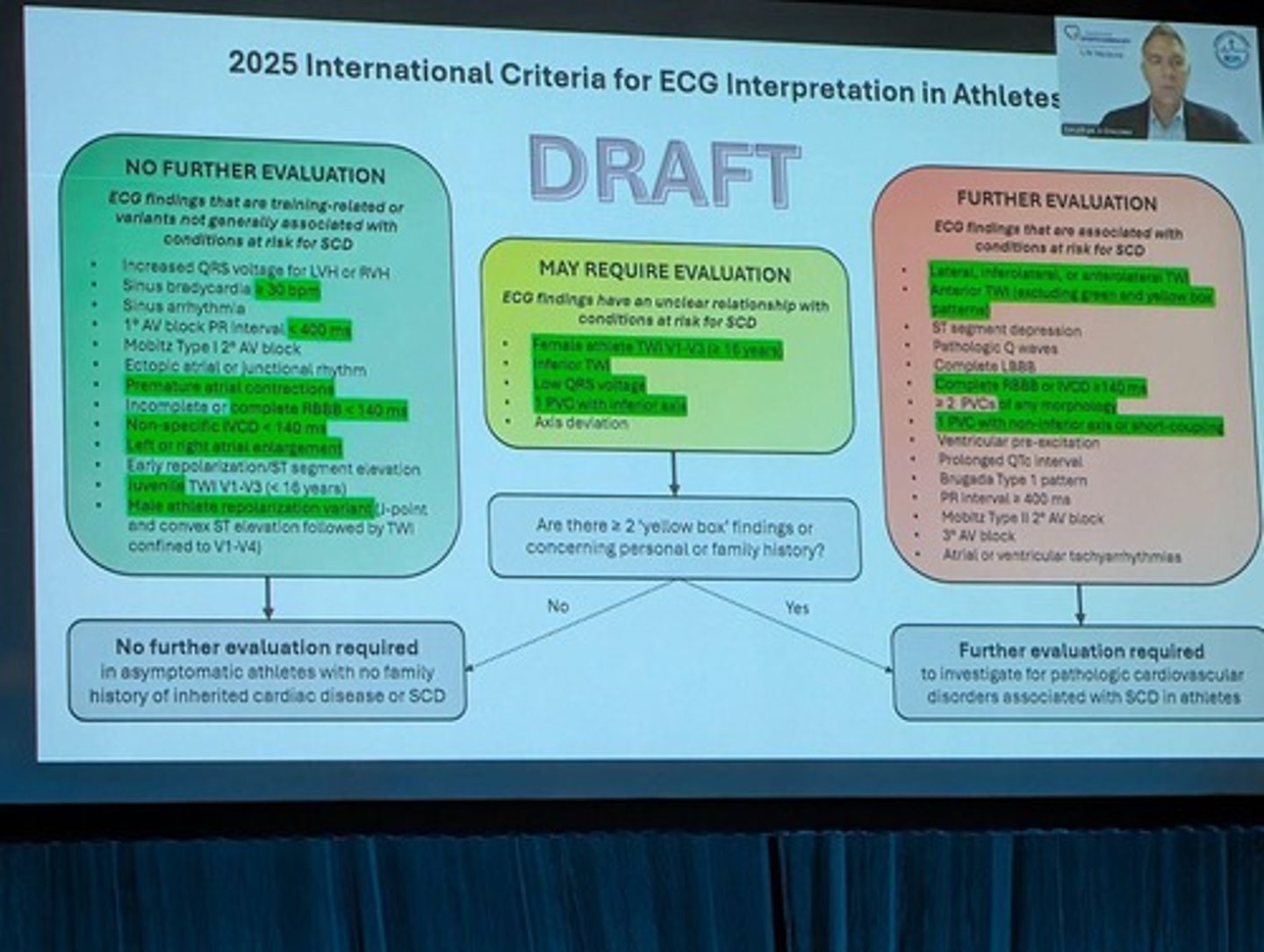
What is the role of cardiac MRI in evaluating Hypertrophic Cardiomyopathy?
It is the study of choice for evaluation and is more sensitive than echocardiography.
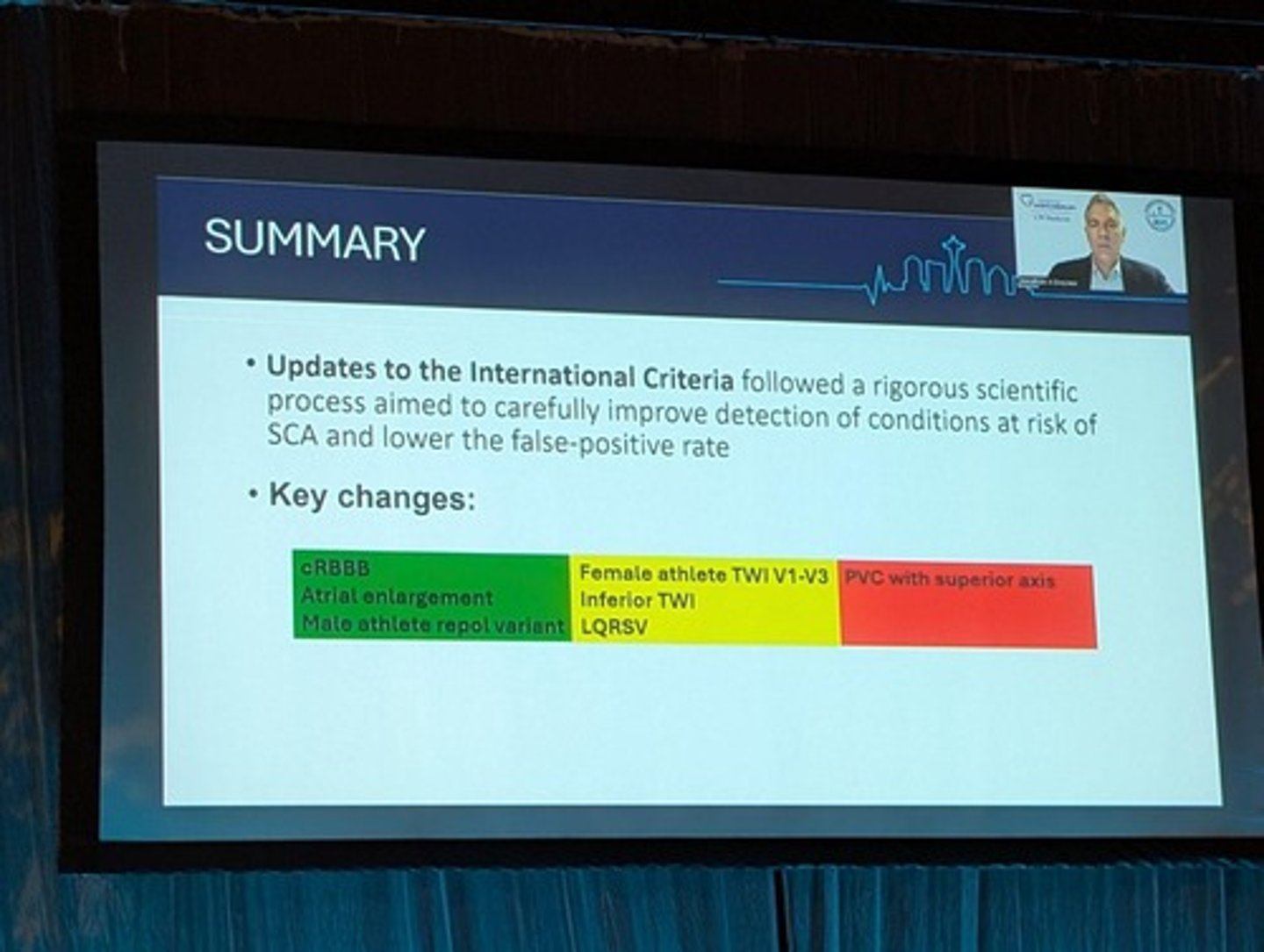
What are the downsides of cardiac MRI?
Accessibility, cost, time to read, and potential for false positives.
What are the common EKG findings in Left Ventricular Hypertrophy (LVH)?
Dagger Q waves, deeply inverted T waves, tall QRS, wide P waves.
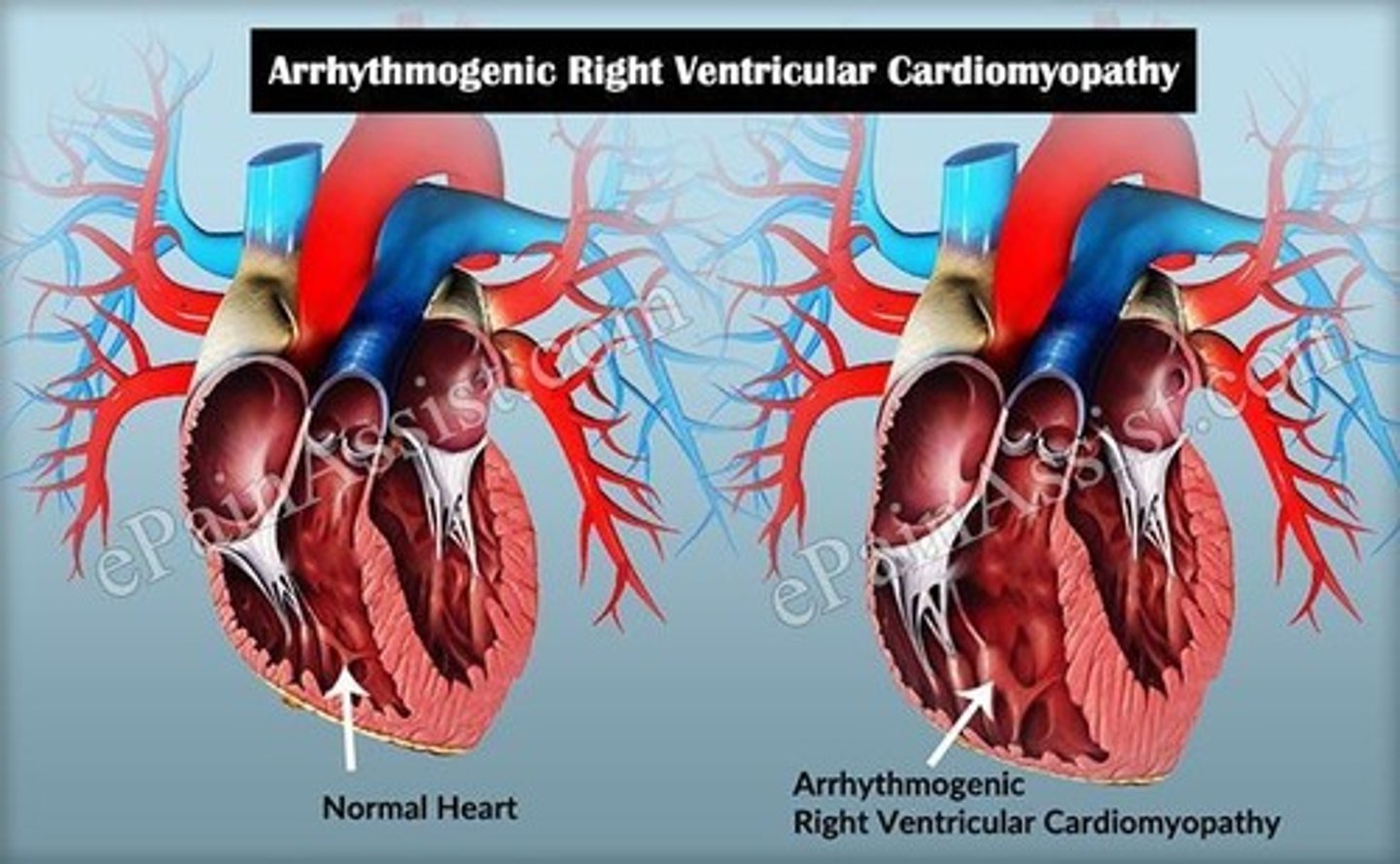
What is the most specific EKG finding for Arrhythmogenic Right Ventricular Cardiomyopathy?
Epsilon wave, seen in 30% of patients.
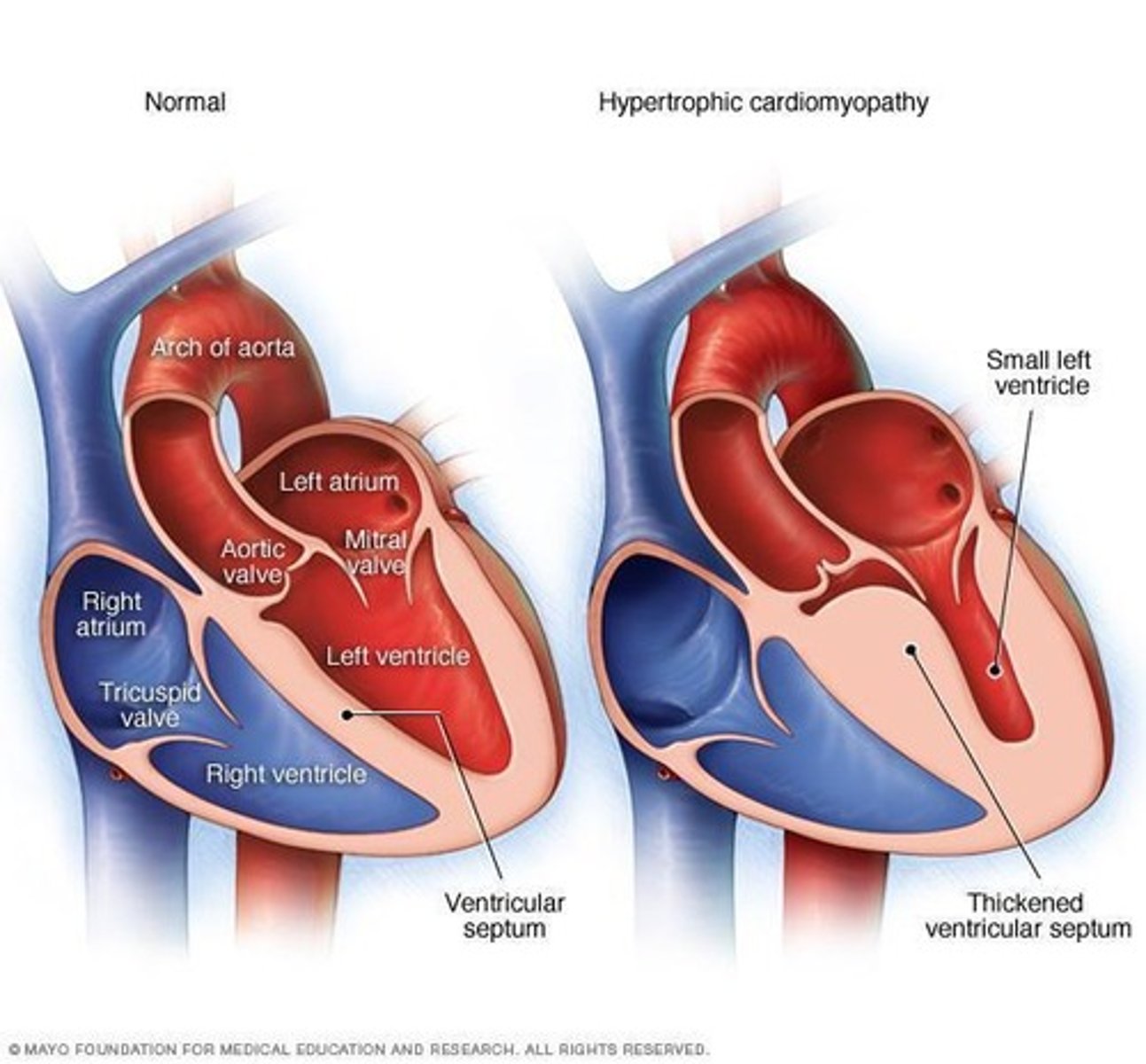
What is the prevalence of Hypertrophic Cardiomyopathy in the general population?
1 in 500.
What is the recommended treatment for Hypertrophic Cardiomyopathy?
Implantable Cardioverter Defibrillator (ICD) and Septal Myomectomy.
What is the Bethesda Criteria?
A guideline for evaluating athletes with potential cardiac conditions.
What is the significance of shared decision-making in sports participation?
It allows for individualized risk assessment and management of athletes with cardiac conditions.
What is the impact of COVID-19 on myocarditis in athletes?
Increased incidence of myocarditis symptoms and prior myocardial injury post-COVID.
What is the recommended follow-up for athletes with myocarditis and preserved left ventricular function?
Return to sports within 4-6 weeks.
What is the role of AEDs in sudden cardiac arrest situations?
They significantly improve survival rates from 11-21% to up to 78%.
What is the recommended approach for athletes with Wolff-Parkinson-White (WPW) syndrome?
Electrophysiology study to assess risk pathways and potential ablation.
What are the potential symptoms of myocarditis?
Chest pain, shortness of breath, atypical heartbeats.
What is the significance of the 2018 study in Japan regarding AEDs?
It demonstrated 100% survival in SCA cases during an endurance race with rapid AED deployment.
What are the common EKG changes associated with myocarditis?
ST or T wave changes, QT prolongation, blocks, PR segment depression.
What is the recommended screening for athletes with coronary artery disease?
Clearance from a primary care physician or cardiologist.
What is the prevalence of myocarditis in elite athletes during viral infections?
Up to 38% may show myocardial inflammation during illness.
What is the impact of genetic variants on Arrhythmogenic Right Ventricular Cardiomyopathy?
There are 400 different genetic variants that can cause this condition.
What is the purpose of the JACC study regarding genetic conditions and athletic participation?
To assess the rate of events in athletes with genetic predispositions to cardiac death.
What is the importance of recognizing sudden cardiac events in athletes?
It is crucial for implementing timely CPR and AED use to save lives.