Chapter 2 - Atoms, Ions + Compounds
 Call Kai
 Learn
Learn Practice Test
 Spaced Repetition
 Match
Match Flashcards
 Knowt Play
1/18

Earn XP
Description and Tags
Name | Mastery | Learn | Test | Matching | Spaced | Call with Kai |
|---|
No analytics yet
Send a link to your students to track their progress
19 Terms
element
a substance that is made up of one type of atom
atom
the basic unit that makes up all matter
relative atomic mass (RAM)
the weighted average mass of one atom of an element/compound relative to the 1/12 of the mass of one atom of carbon-12
weighted mean/average mass
takes into account the relative abundances of all the isotopes
molecule
simple structure made up of 2 or more atoms that are chemically combined
relative molecular mass (Mr)
used to describe simple molecules
formula unit
simplest ratio of each type of atom in a giant lattice
relative formula mass
used to describe compounds with giant structures/lattice
isotope
atoms of the same element with the same number of protons but different numbers of neutrons
relative isotopic mass
the mass of one atom of an isotope compared with 1/12 of the mass of one atom of carbon-12
-is the same as the mass number
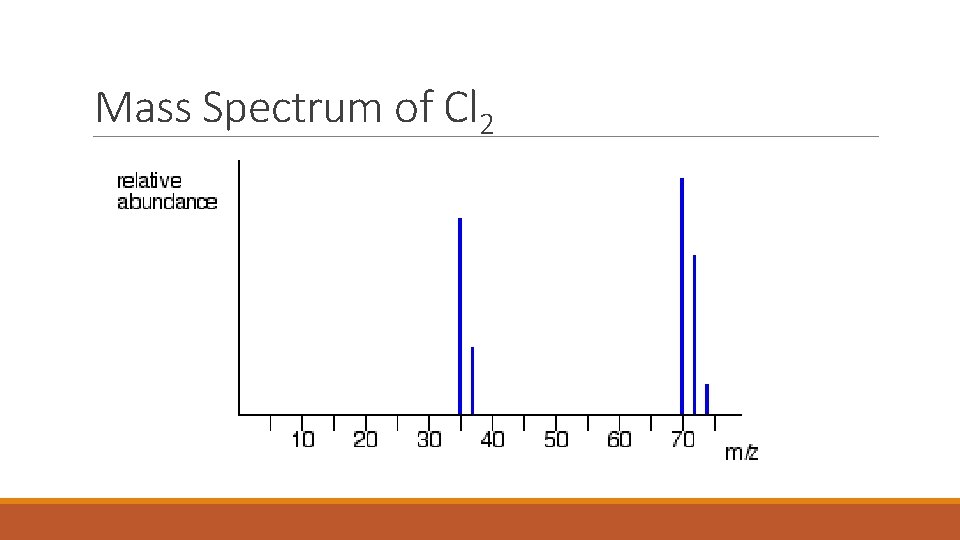
mass spectrometry
used to work out the relative atomic mass
-shows the percentage abundances for each isotope
-number of peaks = number of isotopes
example = chlorine - has 2 sections as chlorine is diatomic, the abundance for Cl72 is higher than normal as there are 2 different ways it can be formed 35-37 or 37-35
IONS FORMULAE -nitrate
NO3-
-carbonate ion
CO32-
-sulfate ion
SO42-
-phosphate ion
PO43-
-hydroxide ion
OH-
-ammonium ion
NH4+
EXCEPTIONS of ions where their group numbers do not match their charge
-silver (Ag) = Ag+
-zinc (Zn) = Zn2+
molecular ions
groups of covalently bonded atoms that can gain or lose electrons - charge is shared out across whole molecule