Andropov’s suppression of dissidents (under Brezhnev) 1967-82
 Call Kai
 Learn
Learn Practice Test
 Spaced Repetition
 Match
Match Flashcards
 Knowt Play
1/29

Earn XP
Description and Tags
Name | Mastery | Learn | Test | Matching | Spaced | Call with Kai |
|---|
No analytics yet
Send a link to your students to track their progress
30 Terms
When did the KGB form to perform surveillance of perceived enemies?
1953
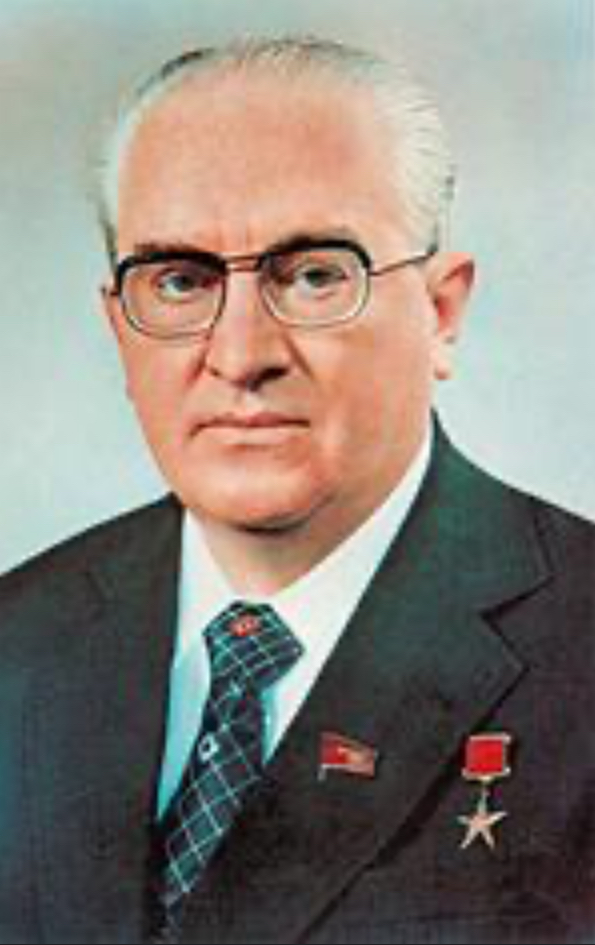
When did Yuri Andropov start to head the KGB?
1967
What does the term dissident mean?
This term was applied to those who criticised the Soviet state or system and included a diverse range of people.
Why were the government worried about Intellectuals?
Their high status in society had encouraged them to think independently which threatened the regime’s stability as they could possibly protest communism and other ideas set out by the Soviet Union. They could become disillusioned with the ideas of the regime.
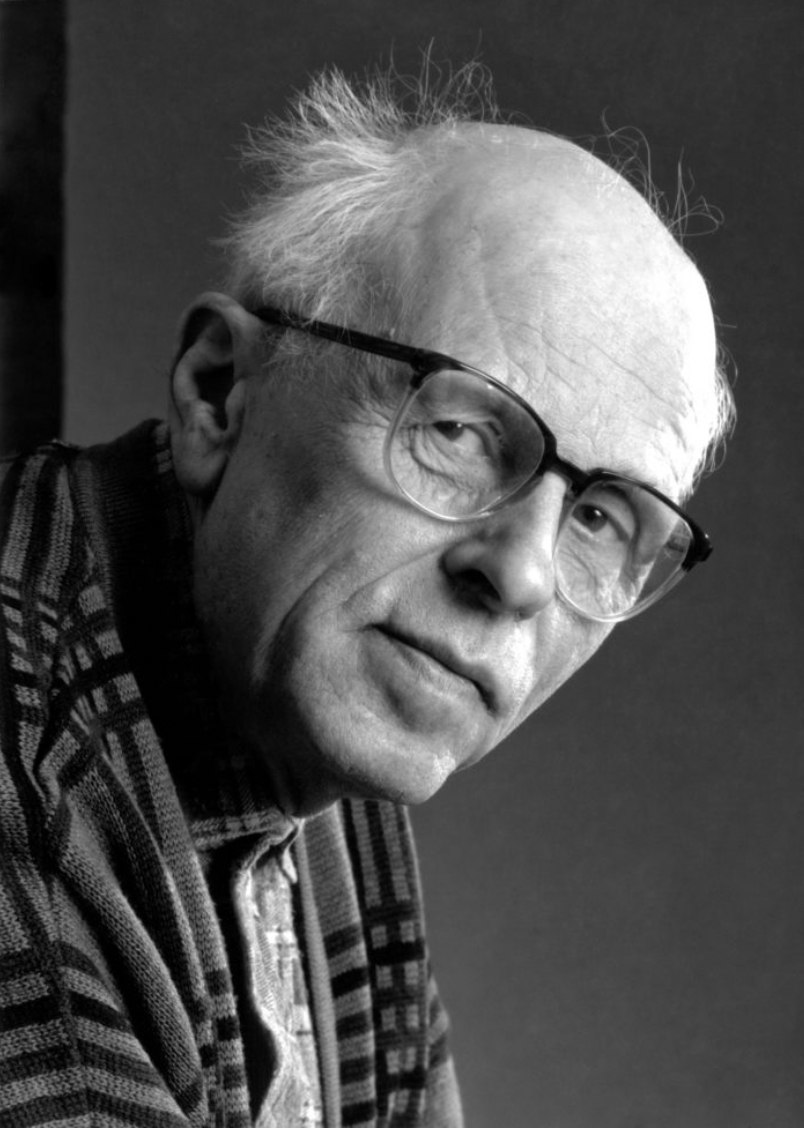
Who was Andrei Sakharov and what did he do?
He was a nuclear scientist who was frustrated with the system as the field of science involved the exchanging of ideas with foreign colleagues, reading foreign research papers and using foreign equipment all of which were restricted.
He wrote a letter to Brezhnev in 1970 detailing his annoyance and as a result the authorities banned him from further military research.
How were intellectuals mainly suppressed?
They were threatened with expulsion from their professional organisations
They may have been denied permission to publish or they might be dismissed from their post
The label of dissident would mark them out of civilian life, with discrimination at work, failure to gain a place at university, and continued surveillance and harassment
Houses were searched and any material or apparatus that could be used to produce or spread material was confiscated.
How many political prisoners were there estimated to be in the mid-1970s?
Amnesty International estimated that there were at most 10,000 political prisoners, a small but not insignificant number.
Why did political dissidents worry the government?
They were people who tried to hold the government to the account of its own laws. These groups were usually concerned with abuses of human rights that broke soviet law and international agreements set out by the USSR.
What did the political dissidents do?
Groups were established to monitor the Soviet Union application of the UN Declaration of Human Rights signed in 1948 and the Helsinki Accord of 1975.
What was the UN declaration on Human rights?
This committed all member states to promote human rights and fundamental freedoms for all, including freedom of speech and religion. The USSR was a member of the UN.
What were the Helsinki Accords?
An agreement to respect basic human rights, such as freedom of speech and freedom of movement. The USSR signed up to this agreement.
Who were the nationalists?
Groups of Ukrainians, Latvians, Lithuanians and Georgians that called for greater status for their own languages and cultures and some independence from the USSR.
How were the nationalists suppressed in Ukraine? Give an example
Authorities tired to ban celebrations of the 150th anniversary of the Ukrainian poet, Taras Shevchenko, in 1964. At the same time a mysterious fire destroyed the Ukrainian archive at the Academy of sciences. The police arrested 20 leading nationalists in an attempt to deter further displays of dissent
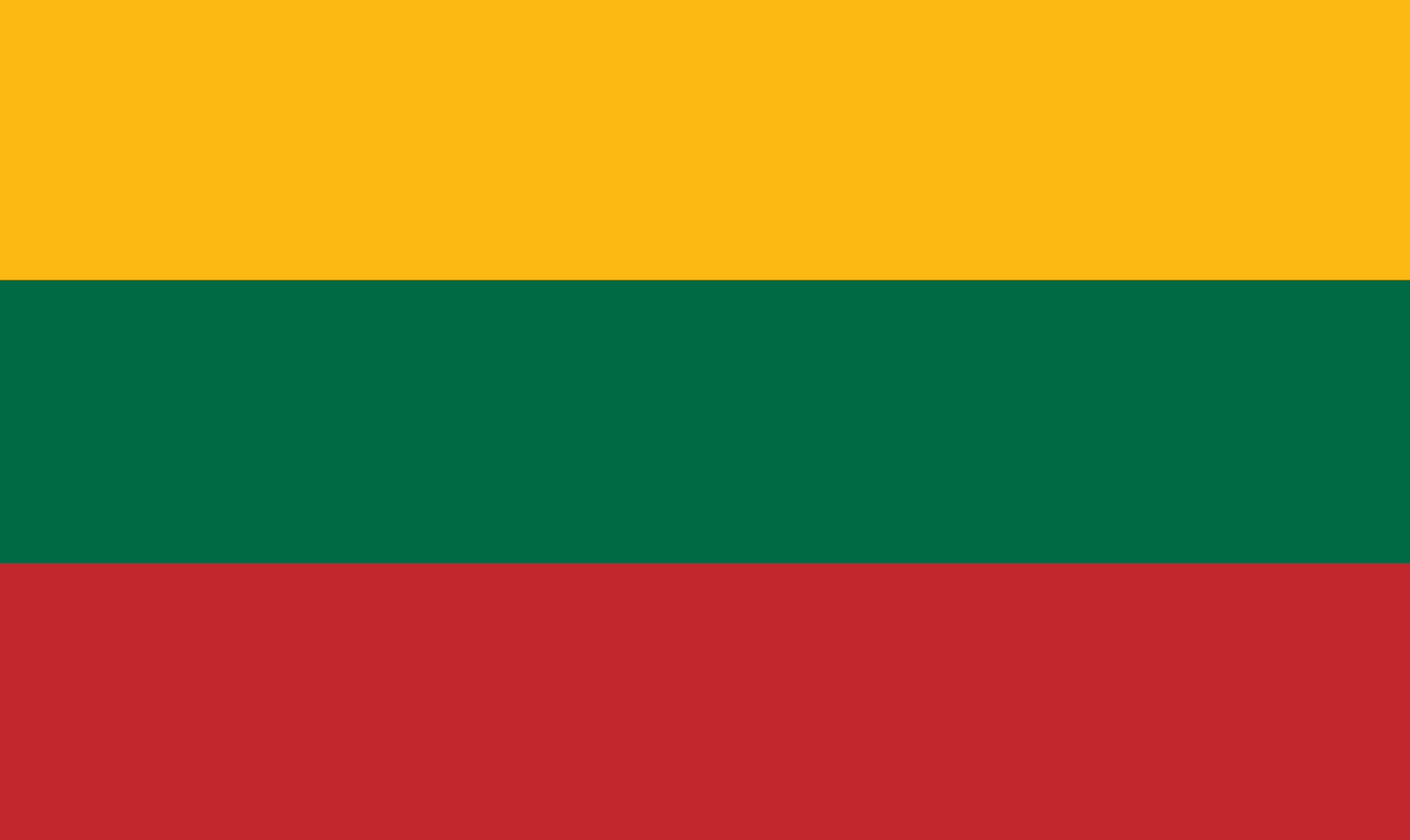
Give an example of some nationalist groups in Lithuania and what they protested for
In 1974, four Lithuanian groups joined together to form a National Popular Front, calling for Lithuanian to be the recognised language of their republic and calling for an end to Soviet colonisation
What were the main groups of religious dissidents and why was the government worried about them?
The Catholics and Baptists worried the government because people were more loyal to their religion than the regime and followed their beliefs more than the ideology of communism. They threatened the stability of the regime as the government could not control them through ideological propaganda.
How were religious dissidents suppressed?
They faced restrictions on their worship and religious practices.
Who were the refuseniks?
A prominent group of Soviet Jews who had been denied their wish to emigrate to Israel. This group had strong support in the US Congress and remained a difficult issue at international summits between the leaders of the USA and the USSR.
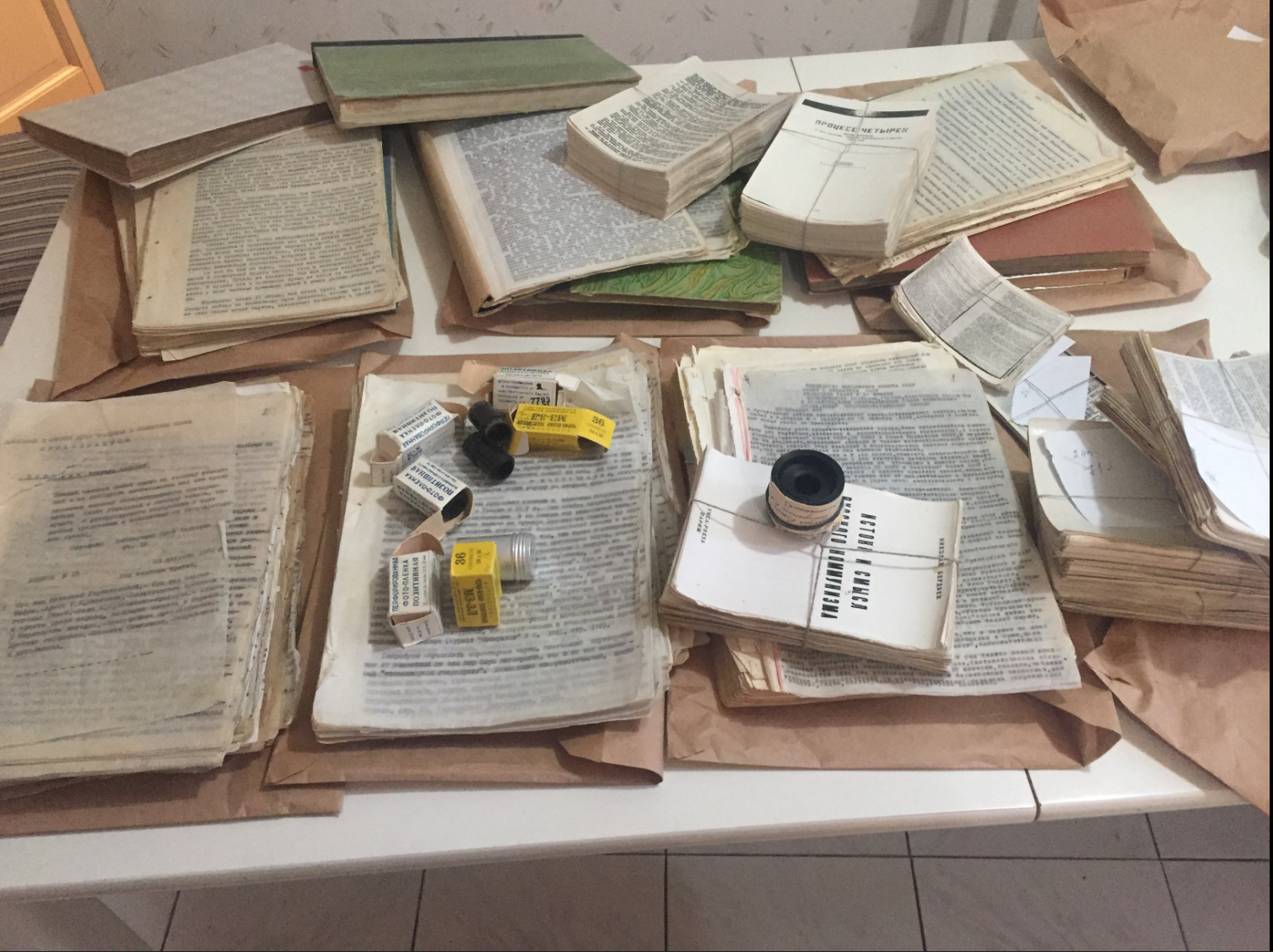
What were samizdat?
Illegal, self published materials which critiques the government became popular in the late 1960s. They contained poems, handwritten newsletters and transcripts of Voice of America radio broadcasts.
What was one of the most well known samizdat materials?
The ‘Chronicle of Current Events’ an underground newsletter that highlighted human rights abuses and the treatment of dissidents.
What was the new criminal code in 1960? How was this code different then preceding arrangements?
It abolished night time interrogations and limited the power of the KGB.
This code was more liberal but article 70 provided the authorities with the useful catch all powers of dealing with anything considered ‘anti-Soviet agitation and propaganda’
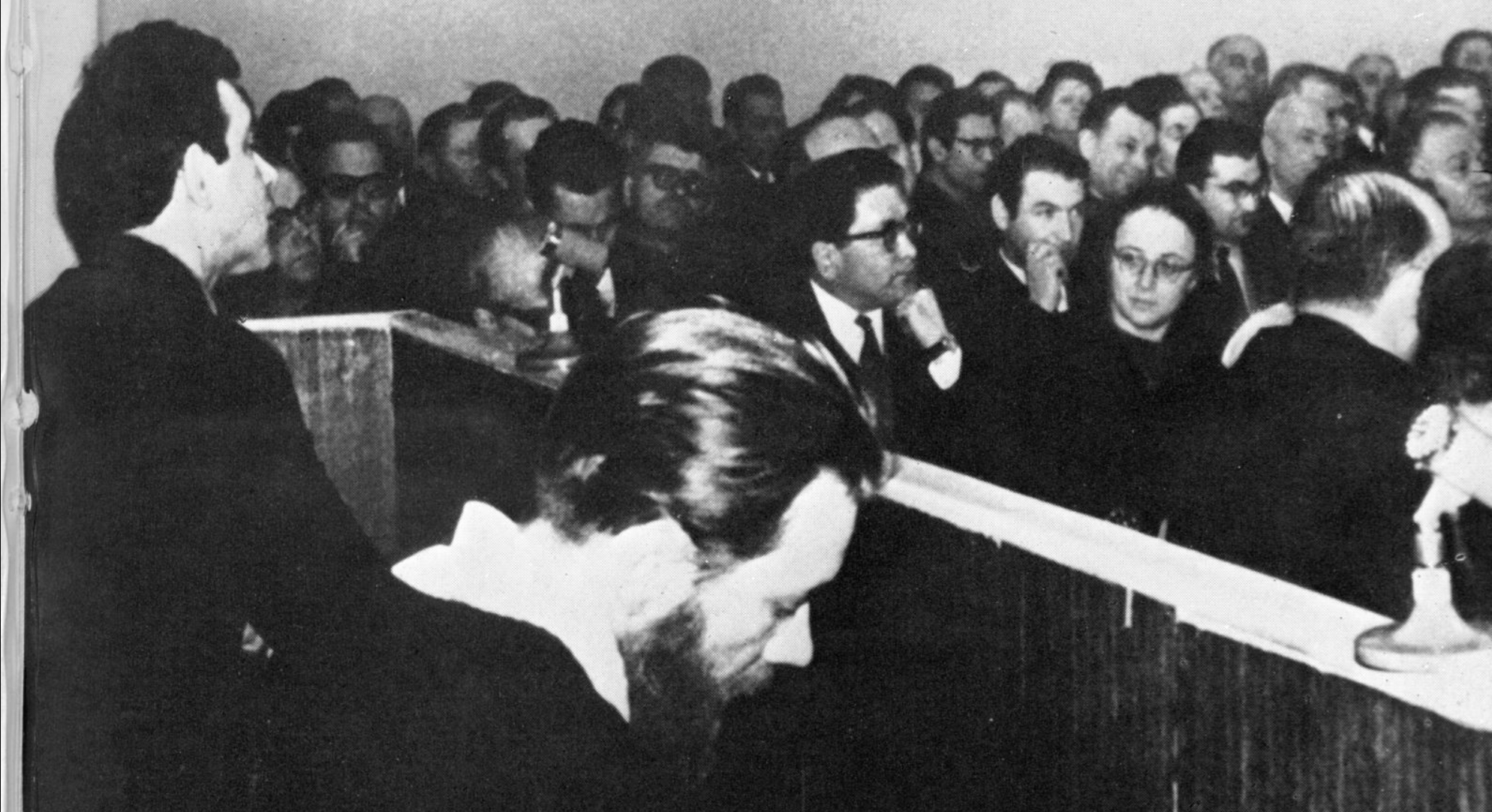
What trial revealed the difficulties in applying the new code? What happened as a result
The trial of Andrei Sinyavsky and Yuli Daniel, two dissident writers, in 1966 which revealed the need for intent when accusing them of anti-soviet activity.
New articles were added to the criminal code in 1966 that dropped this requirement.
What was a common method of dealing with leading dissidents?
The use of psychiatric hospitals run by the NKVD where ‘patients were held until they were ‘cured’ which usually meant they agreed to change their views and opinions of the soviet state. Those who refused were ‘treated’ with electric shocks and drugs.
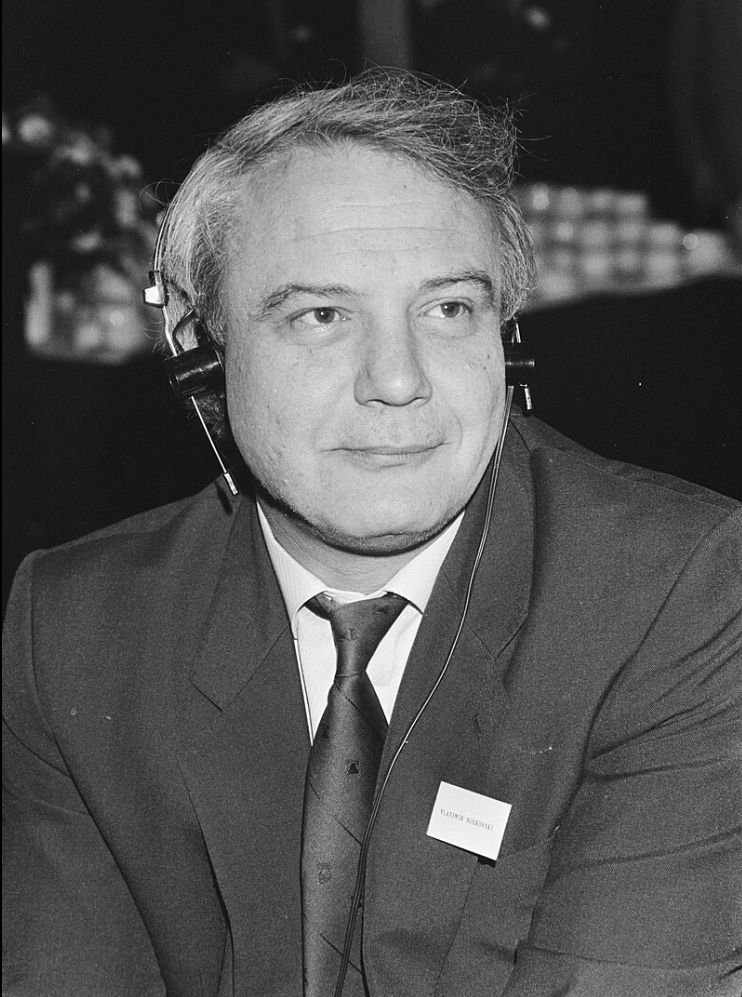
What leading dissident did the Politburo agree to send to a ‘special mental hospital’? When did they send him there?
Vladimir Bukovsky a human rights activist and writer in 1967
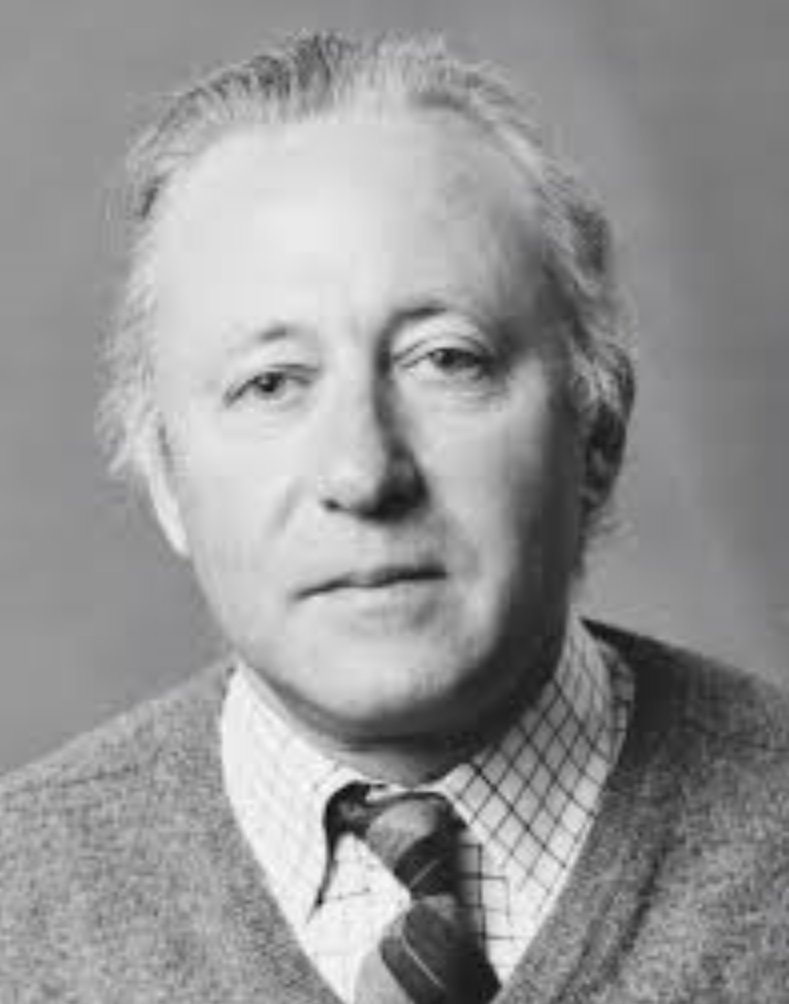
How was the writer and scientist Zhores Medvedev treated in a psychiatric hospital?
He was diagnosed with ‘sluggish schizophrenia’ and sent for treatment. The conditions in the hospitals were overcrowded and unhygienic and did little to improve the international reputation of the USSR.
What was another method used to limit the impact of dissidents?
Send them into internal exile.
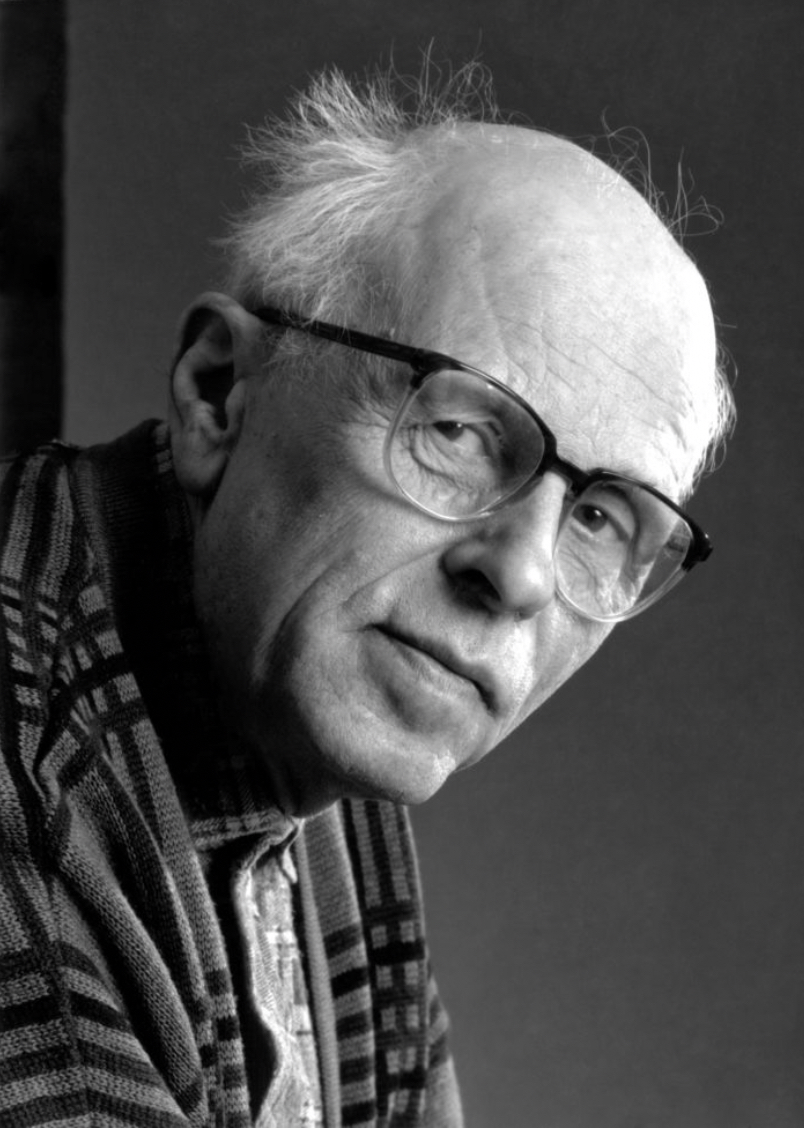
Give an example of a dissident who was exiled
In 1980, Sakharov was sent to Gorky a city closed to foreigners
How did the dissidents impact international relations?
Records of court cases were smuggled out of the USSR and used by human rights groups in the west. This generated bad publicity for the soviet government who has become increasingly concerned with the USSR’s international reputation and wanting to maintain diplomacy.
How did the general public feel about the dissidents?
They gave little support to the dissidents as people feared the secret police which meant the dissidents were mainly a collection of individuals and never a coherent group.
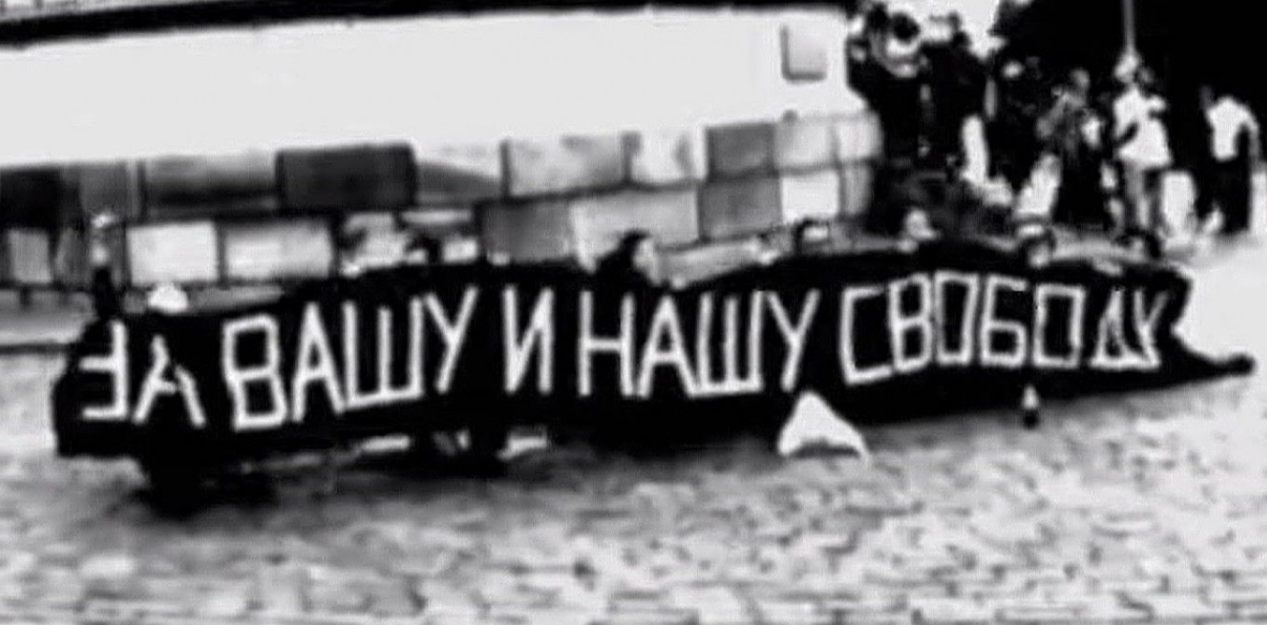
Give an example of a public demonstration organised by the dissidents
In 1968 a protest was organised against the Soviet invasion of Czechoslovakia in Red Square, Moscow but only 7 people turned up due to fears of the secret police
What was the overall impact of the dissidents?
By the end of the 1970s Andropovs measures has succeeded in keeping the dissident groups small and divided and in a state of mutual mistrust. His methods of dealing with them were more subtle then Stalin’s and more sophisticated with new surveillance technology.