Yr 7 Tr 4 Moon Phases
 Studied by 0 people
 Call Kai
 Learn
Learn Practice Test
 Spaced Repetition
 Match
Match Flashcards
 Knowt Play
1/21

Earn XP
Description and Tags
Moon phases!
Name | Mastery | Learn | Test | Matching | Spaced |
|---|
No study sessions yet.
22 Terms
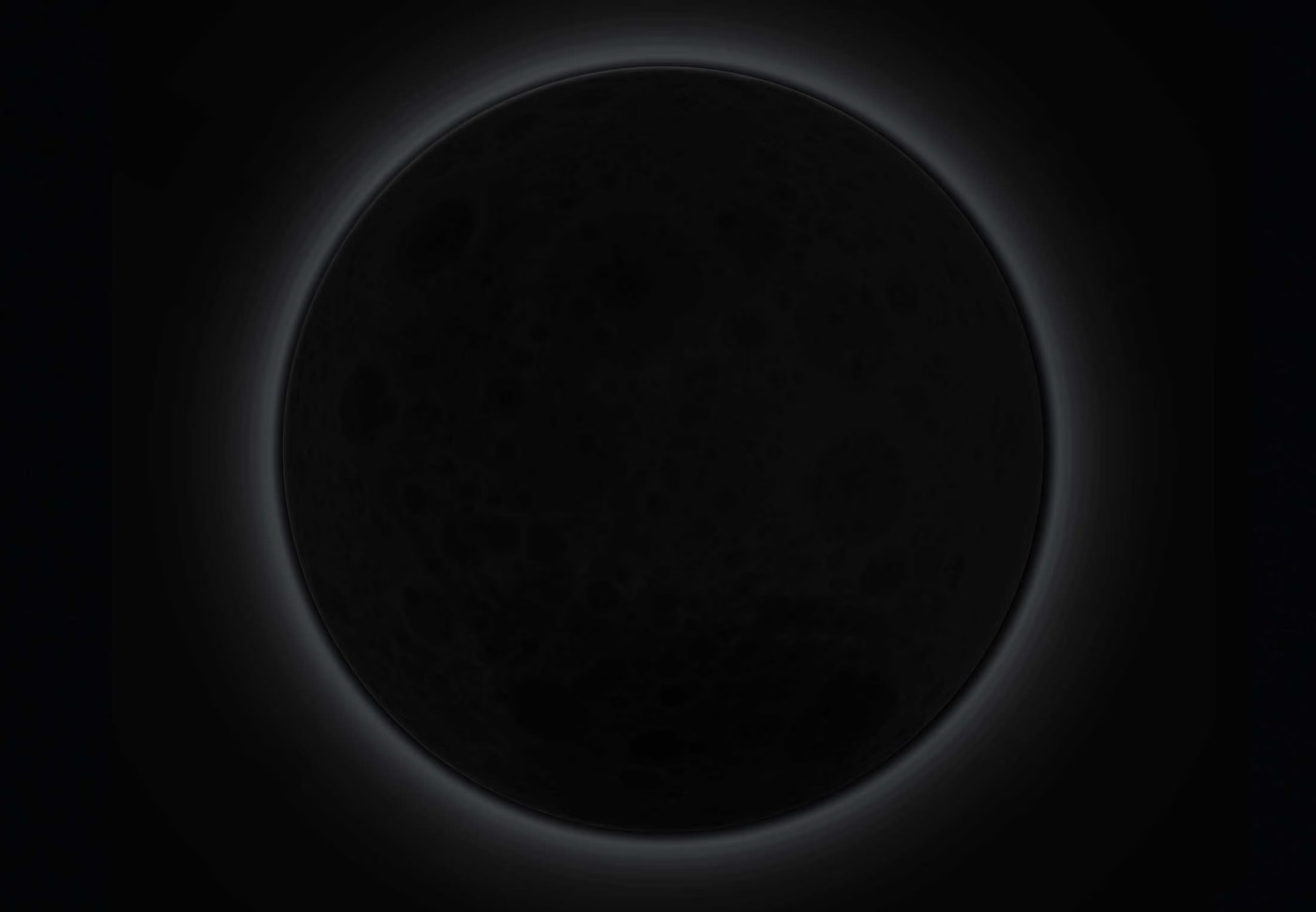
What moon is this?
When does this moon appear?
New Moon
comes first in the moon cycle?
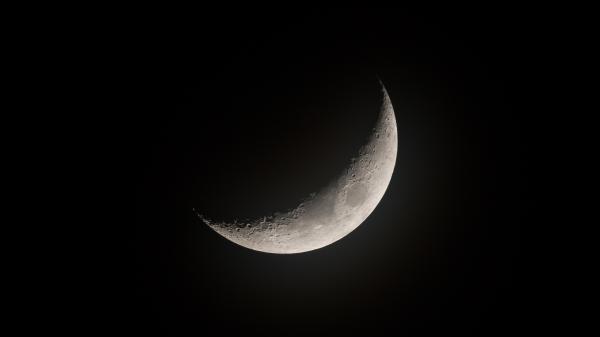
What moon is this?
when does this moon appear?
Waxing crescent
appears after new moon 2nd
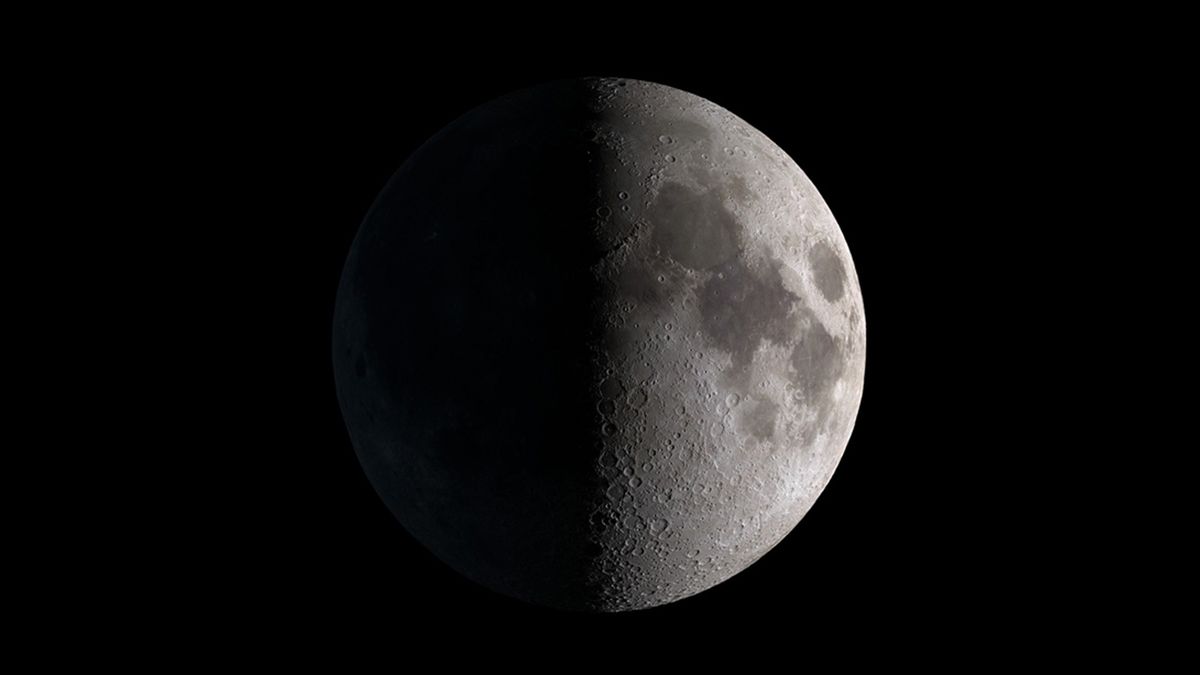
What moon is this?
when does this moon appear?
third Quarter
third moon
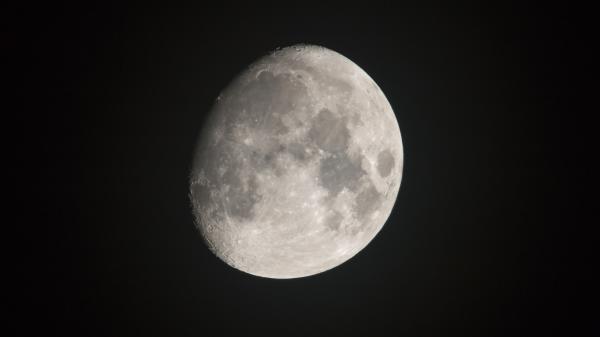
What moon is this?
when does this moon appear?
Waxing gibbous
fourth moon
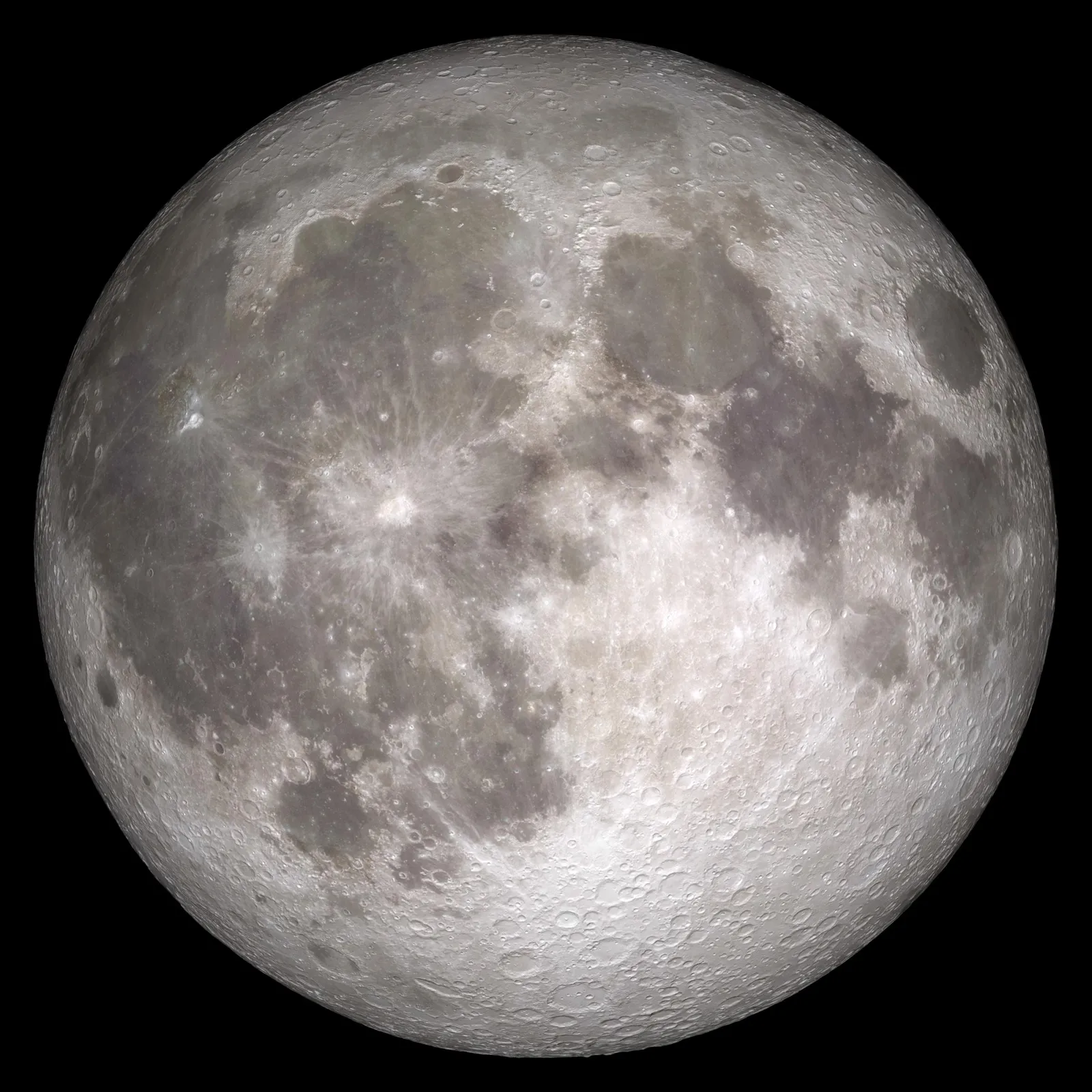
What moon is this?
when does this moon appear?
Full Moon
fifth moon (middle of cycle)
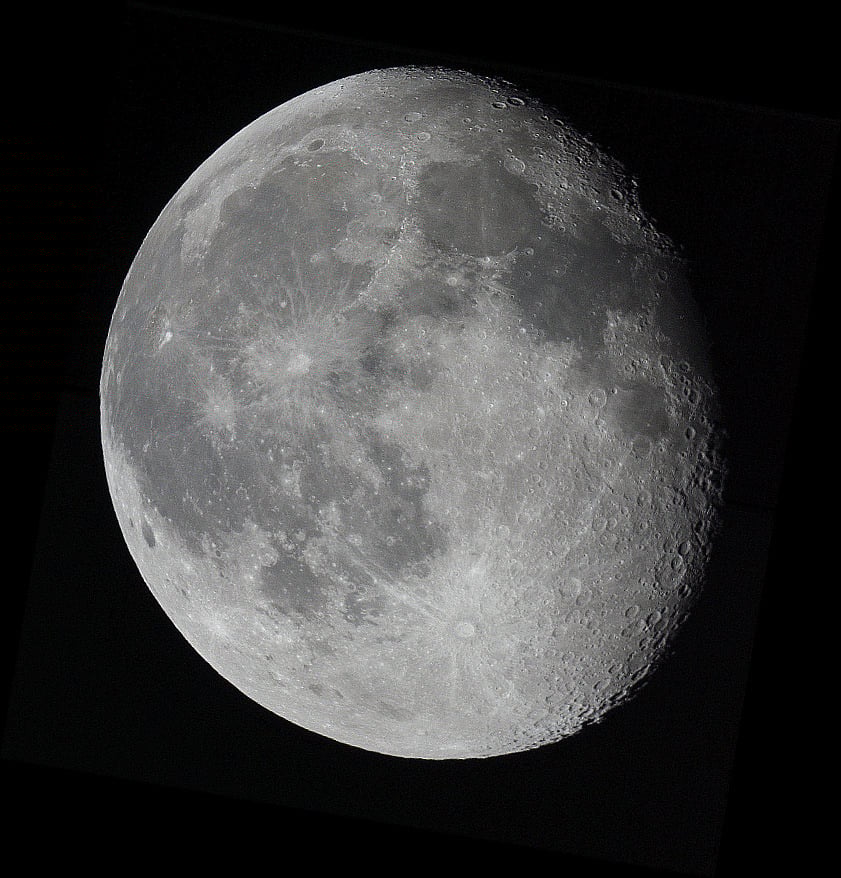
What moon is this?
when does this moon appear?
Waning Gibbous
sixth moon
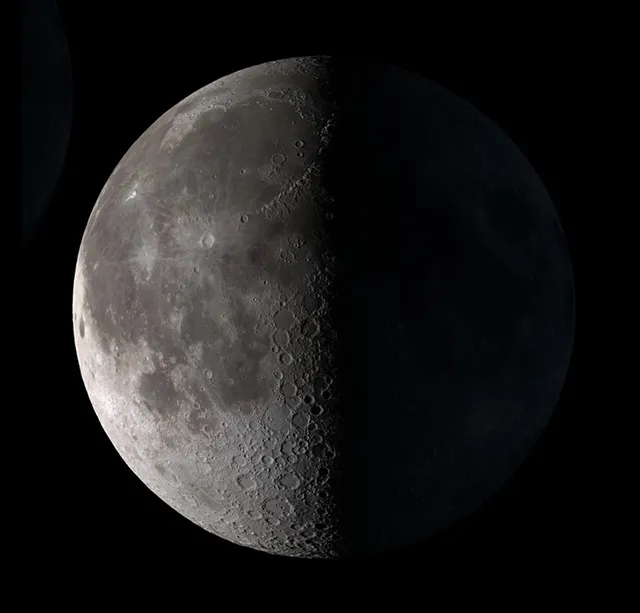
What moon is this?
when does this moon appear?
last Quarter
7th moon, last quarter
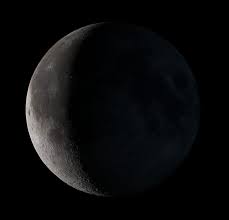
What moon is this?
when does this moon appear?
waning crescent
last moon
How does the moon get it’s light?
It doesn’t; it gets its light from the sun
Which way does the moon orbit the earth?
counterclockwise direction (left)
How long does it take for the moon to go through all it’s moon phases
29.5 days, (a month)
What makes a planet?
A celestial body becomes a planet by meeting three criteria: it must orbit a star, be massive enough for its gravity to pull it into a nearly round shape, and have enough gravity to "clear its neighborhood" of other objects along its orbital path
What do rocky (terrestrial) planets have
Rocky (Terrestrial) Planets
Composition: Made mainly of rock and metal.
Examples: Mercury, Venus, Earth, and Mars.
Characteristics: Solid, rocky surfaces, and generally smaller than giant planets.
A gas giant is a large planet mostly made of hydrogen and helium, like Jupiter and Saturn. These planets lack a solid surface and are defined by their massive, swirling gaseous atmospheres that gradually get denser toward a core, which can be rocky or metallic.
Whats a gas giant?
Gas Giants: Made primarily of hydrogen and helium.
Examples: Jupiter and Saturn.
What is an ice giant
Ice Giants: Composed of a higher concentration of "ices" like water, methane, and ammonia, with thick atmospheres of hydrogen and helium.
Examples: Uranus and Neptune.
An ice giant is a large, gas-heavy planet like Uranus and Neptune that is primarily made of elements heavier than hydrogen and helium, such as oxygen, carbon, nitrogen, and sulfur
Whats a neap tide?
A neap tide is a smaller tide that happens when the sun and moon are at a right angle to each other, like a "T" shape. This makes the high tide not as high and the low tide not as low. You can think of it as the sun's gravity pulling the water in a different direction from the moon's gravity, which makes the tides less extreme than usual.
What’s a spring tide?
A spring tide happens when the sun, moon, and Earth are lined up, causing their gravity to pull together and create higher high tides and lower low tides. This happens twice a month, during the new moon and the full moon, and has nothing to do with the season of spring.
How are seasons made?
Seasons happen because the Earth is tilted as it orbits the Sun. When a part of the Earth is tilted towards the Sun, it gets more direct sunlight and has summer with warmer, longer days. When it's tilted away from the Sun, it receives less direct sunlight, leading to winter with cooler, shorter days. In between these two points, when neither hemisphere is tilted toward or away, it's spring or autumn. This tilt is also why opposite seasons happen at the same time in the Northern and Southern Hemispheres.
Lunar Eclipse
A lunar eclipse is an astronomical event where Earth passes between the Sun and the Moon, casting a shadow on the Moon. This happens only during a full moon when the Sun, Earth, and Moon are aligned. During this time, the Moon can appear dim or take on a striking red color, sometimes called a blood moon.
solar eclipse
A solar eclipse is a celestial event where the Moon passes between the Sun and Earth, casting a shadow on Earth and blocking the Sun's light. This can cause the Sun to be partially or completely obscured, and while it's a spectacular sight, it's crucial to view it safely using proper eye protection like certified eclipse glasses, unless during the brief moment of totality for a total eclipse.
What causes day and night
Earth's rotation: The Earth spins on an imaginary line called its axis, completing one full spin approximately every 24 hours.
Daytime: The side of the Earth that is facing the Sun receives sunlight, and this is when we have daytime.
Nighttime: As the Earth continues to spin, a location moves from the sunlit side to the side that is in shadow, experiencing nighttime.
Sunrise and sunset: The apparent movement of the Sun across the sky is a result of the Earth's rotation, making the Sun appear to rise in the east and set in the west.