AP Human Geography Unit 4
 Studied by 0 people
 Call Kai
 Learn
Learn Practice Test
 Spaced Repetition
 Match
Match Flashcards
 Knowt Play
1/55

There's no tags or description
Looks like no tags are added yet.
Name | Mastery | Learn | Test | Matching | Spaced |
|---|
No study sessions yet.
56 Terms
Nation-State
a politically organized and recognized territory composed of a group of people who consider themselves to be a nation
Democracy
government where power resides in the majority
Autocracy
A country that is run according to the interests of the ruler rather than the people
multinational state
a country with various ethnicities and cultures living inside its borders
Unitary State
An organization of a state in which power is concentrated in a central government
Federal State
the organization of a state in which power is shared between the federal government and its internal regional units
Irredentism
attempts by a state to acquire territories in neighboring states inhabited by people of the same nation by provoking coups or separatist movements
Imperialism
A push to create and empire by extending a country's power and influence through diplomacy or military force.
Colonialism
Attempt by one country to establish settlements and to impose its political, economic, and cultural principles in another territory.
Colony
A country or area under the full or partial political control of another country, typically a distant one, and occupied by settlers from that country.
Landlocked States
A state that does not have a direct outlet to the sea.
Sovereignty
the right of individual states to control political and economic affairs within their territorial boundaries without external interference
State
A politically organized independent territory that is administered by a sovereign government, has defined borders and is recognized by the international community.
Microstate
A state that encompasses a very small land area.
Balkanization
Process by which a state breaks down through conflicts among its ethnicities
Command Economy
An economic system in which the government controls a country's economy.
mixed economy
An economy in which private enterprise exists in combination with a considerable amount of government regulation and promotion.
market economy
economic system in which decisions on production and consumption of goods and services are based on voluntary exchange in markets
Nation
a cultural entity made of up people who have forged a common identity through a shared language, religion, heritage or ethnicity - often all four of these.
antecedent boundary
a boundary that existed before the cultural landscape emerged and stayed in place as the area became settled
consequent boundary
a boundary line that coincides with some cultural divide, such as religion or language
subsequent boundary
a boundary that has been drawn in an area that has been settled and where cultural landscapes already exist.
superimposed boundary
a border drawn without regard to previously existing accepted borders by an outside or conquering force
Relict/relic boundary
boundary that ceases to have an official function, however the imprint of the boundary still remains on the
landscape.
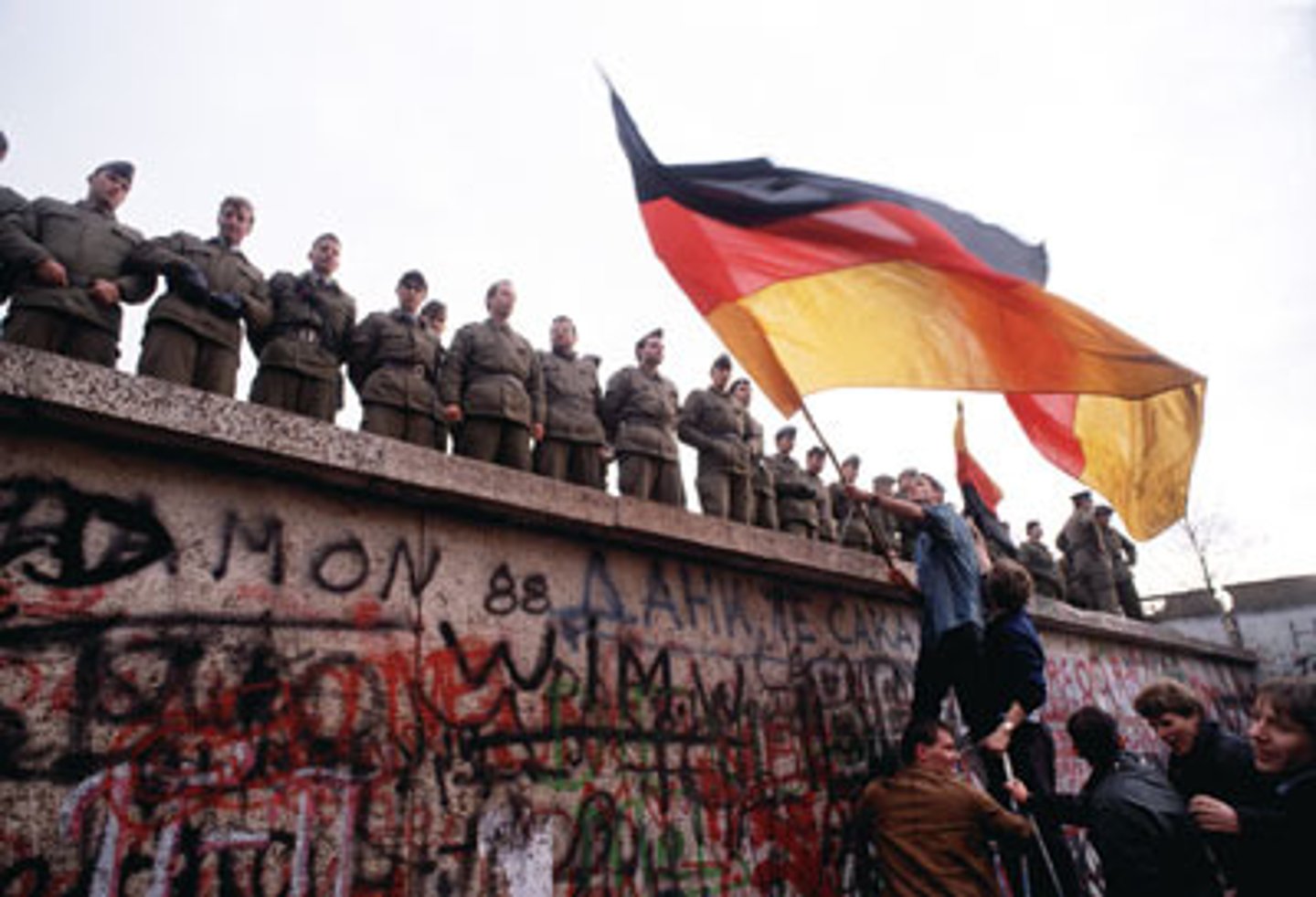
geometric boundary
Political boundaries that are defined and delimited by straight lines or arc.
state-less nation
a people united by culture, language, history and tradition but do not possess a state.
Geopolitics
study of government and its policies as affected by physical geography
Multiethnic state
A state that contains more than one ethnicity
apartheid
Laws (no longer in effect) in South Africa that physically separated different races into different geographic areas.
Heartland Theory
Hypothesis proposed by Halford MacKinder that held that any political power based in the heart of Eurasia could gain enough strength to eventually dominate the world.
Genocide
the deliberate mass killing of a large group of people, especially those of a particular ethnic group or nation.
devolution
the transfer of political power and responsibilities from the federal government to the states mainly along regional lines.
blockbusting
Illegal practice of inducing homeowners to sell their properties by telling them that a certain people of a certain race, national origin or religion are moving into the area
Rimland Theory
Nicholas Spykman's theory that the domination of the coastal fringes of Eurasia would provided the base for world conquest.
Race
Identity with a group of people descended from a common ancestor.
European Union
An international organization of European countries formed after World War II to reduce trade barriers and increase cooperation among its members.
Shatterbelt
an area of instability between regions with opposing political and cultural values
ethnic cleansing
Process in which more powerful ethnic group forcibly removes a less powerful one in order to create an ethnically homogeneous region
supranational organization
Organization of three or more states to promote shared objectives.
Ethnicity
A social division based on national origin, religion, language, and often race.
electoral geography
the study of the geographical elements of the organization and results of elections
Gerrymandering
Process of redrawing legislative boundaries for the purpose of benefiting the party in power.
Redistricting
The redrawing of congressional and other legislative district lines following the census, to accommodate population shifts and keep districts as equal as possible in population.
Law of the Sea
Law establishing states rights and responsibilities concerning the ownership and use of the earth's seas and oceans and their resources.
Territorial Sea
states' navigational and economic sovereign territory extending 12 nautical miles (1 nautical mile = 1.15 statute miles) from the coast (since 1982); foreign ships (both military and civilian) are allowed innocent passage through it; sovereignty also extends to the airspace over and seabed below.
Contiguous Zone
Between 12 and 24 nautical miles from shore, a state may enforce laws concerning pollution, taxation, customs, and immigration
Exclusive Economic Zone (EEZ)
the seazone extending 200 nautical miles from the coast over which a state has special rights as to the exploration and use of marine resources
International waters (high seas)
open to all states - coastal or landlocked - to explore and use marine resources (freedom of the seas)
Neocolonialism
Also called economic imperialism, this is the domination of newly independent countries by foreign business interests that causes colonial-style economies to continue, which often caused monoculture (a country only producing one main export like sugar, oil, etc).
Cold War (1945-1991)
A war of words and threats between the United States and the Soviet Union that was marked primarily by a political and economic, rather than military, struggle between the two nations.
Satellite states/nations
The Eastern European countries of Poland, Czechoslovakia, Hungary, Romania, and Bulgaria, as well as the eastern portion of Germany who were controlled by the Soviet Union
Reapportionment
The process of reallocating seats in the House of Representatives every 10 years on the basis of the results of the census.
Transnational Corporation
A company that conducts research, operates factories, and sells products in many countries, not just where its headquarters or shareholders are located.
subnationalism
the feeling that one owes primary allegiance to a traditional group or nation rather than to the state
Democratization
A process of transition as a country attempts to move from an authoritarian form of government to a democratic one.
electorate
All the people in a country or area who are entitled to vote in an election.
 Note
Note  Flashcards (20)