Christian Attitudes to Other Faiths - Christianity, Migration & Religious Pluralism
 Call Kai
 Learn
Learn Practice Test
 Spaced Repetition
 Match
Match Flashcards
 Knowt Play
1/13

There's no tags or description
Looks like no tags are added yet.
Name | Mastery | Learn | Test | Matching | Spaced | Call with Kai |
|---|
No analytics yet
Send a link to your students to track their progress
14 Terms
Christian Attitudes to Other Faiths
- Exclusivism
- Inclusivism
- Karl Rahner & "Anonymous Christians"
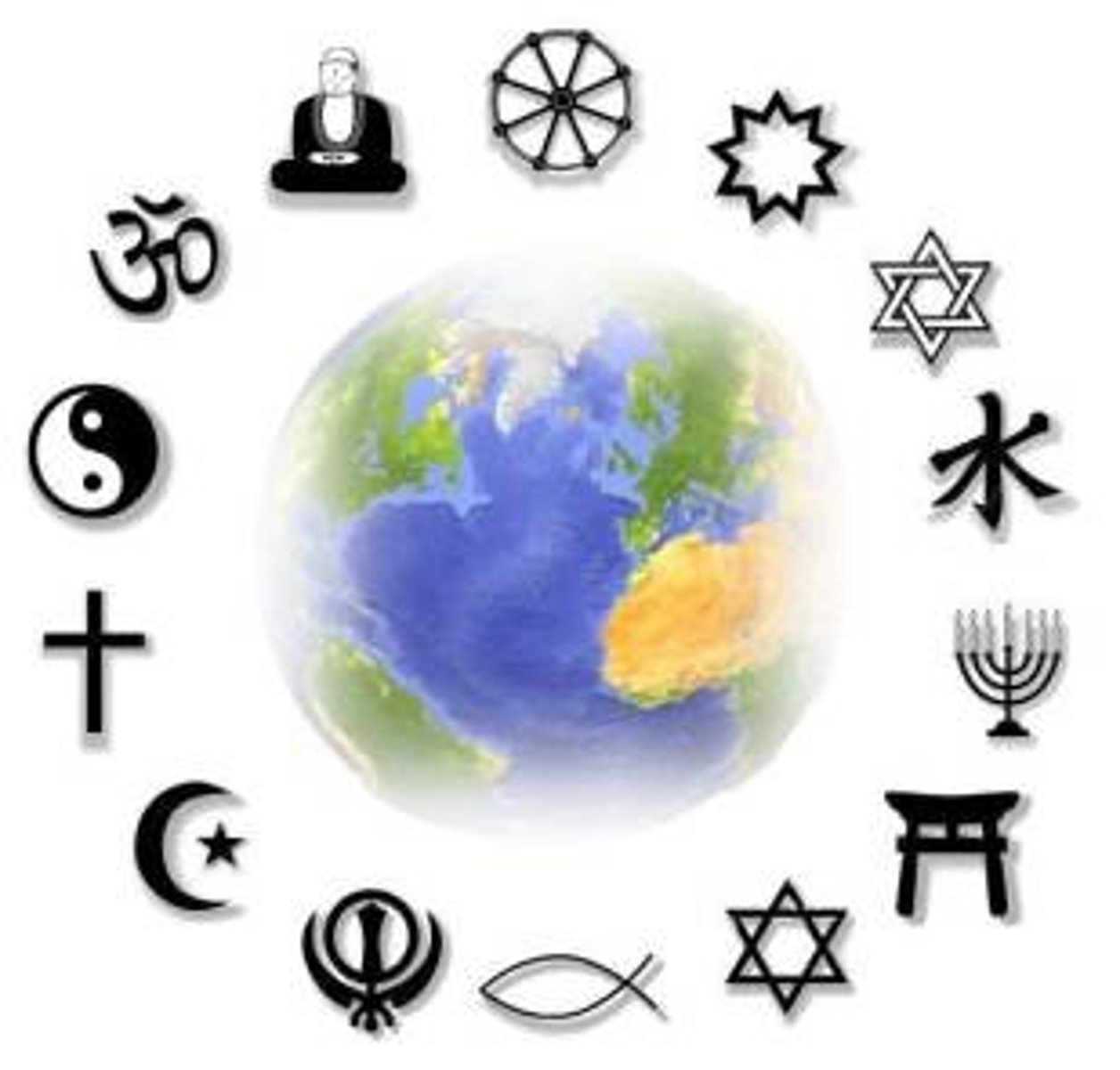
Exclusivism
Only one religion is true, all others are false

Quote supporting exclusivism
"I am the way and the truth and the life. No one comes to the Father except through me."
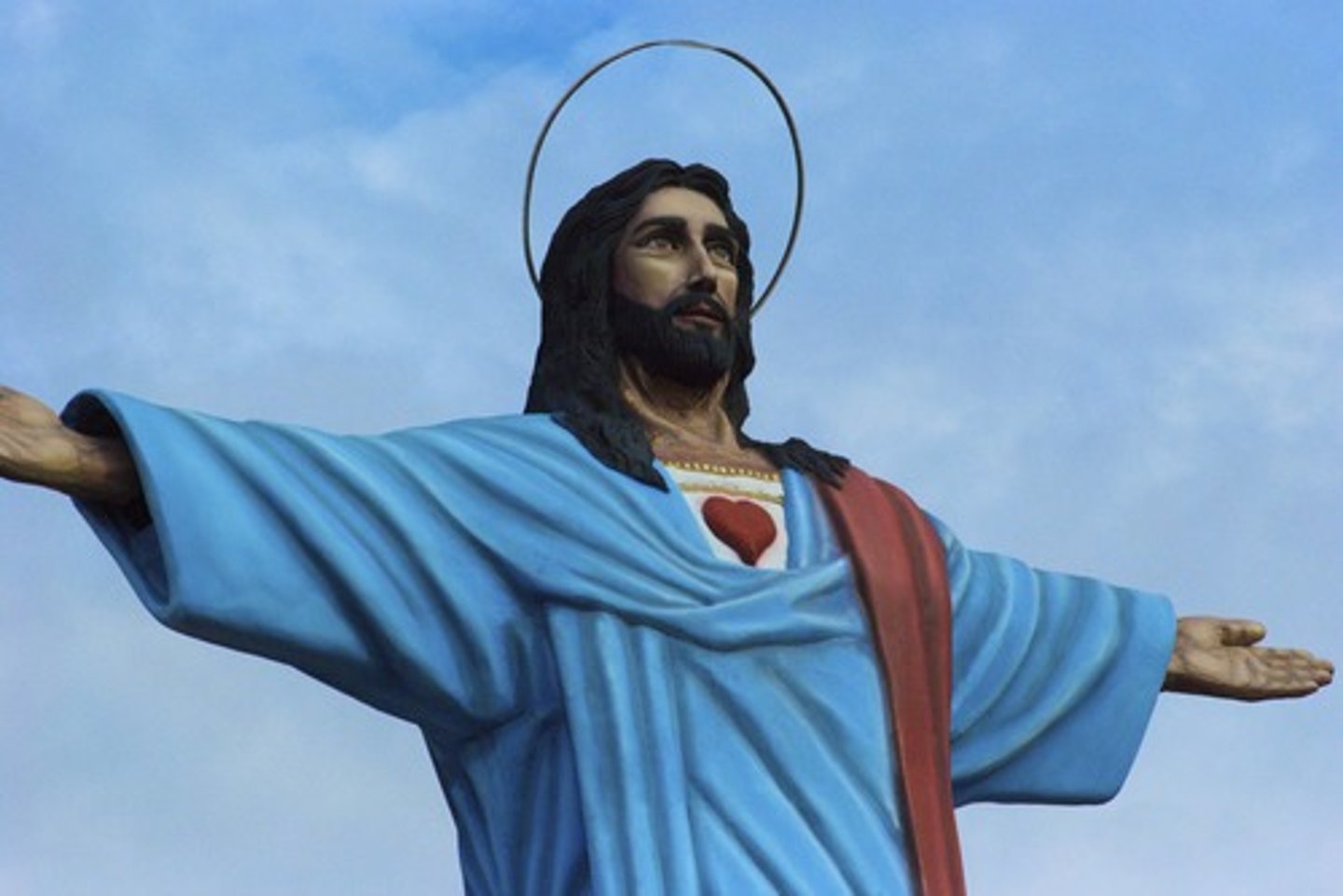
Which exceptions do some exclusivists make?
- Children who die before they are able to make this commitment
- Those who die never having heard about Jesus will be judged on the conformity of their lives with Natural Moral Law

Fundamentalist Exclusivism
- Salvation depends on declared belief in Christ, which means that Evangelism is an absolute priority
- The belief that God was uniquely revealed in Christ is seen as a central truth of Christianity that is threatened by any dilution of exclusivism

Exclusivism Criticisms
- Limits God's unconditional love & forgiveness
- Lacks balance
- Suggests the New Testament is a product of the Church, written by members of Christian communities who had absorbed the outlook & teachings of these communities

Inclusivism
Other religions may have aspects of belief that are the same or compatible with Christianity, and are therefore themselves "true".

Types of Inclusivism
- Closed Inclusivism
- Open Inclusivism
Closed Inclusivism
One religion does contain all truth, but other religions have some aspects of this truth

Open Inclusivism
One religion has a better grasp of the truth than others, but not all aspects, so it can learn from others.

Interpretations of Inclusivism
- Salvation is open to all: It is based on people's adherence to morality that is an inbuilt feature of the world
- Barth's view suggests all human nature was corrupted by the Fall, so regardless of religion, we are all dependent on God for salvation
- Karl Rahner's "Anonymous Christians"
Karl Rahner's "Anonymous Christians"
- God's power transcends human limitations caused by ignorance, error and evil inclinations
- God's grace is at work in all people; it is not limited to Christians
- Non-Christians may be saved through good moral conduct, which is non-dependent on belief in Christ -> Reminiscent of justification by works
- Non-Christian religions have much in common with Christianity

Aim of Rahner's concept
To reflect the inclusive teaching & lifestyle of Jesus, as seen in the Gospels

Criticisms of Rahner's Anonymous Christians
- Fundamentalists have condemned its inclusivist approach
- Liberal Christians, e.g. Hick, have accused it of paternalism; other religions should be respected in their own right and not solely in relation to Christianity & it implies other religions are flawed