Chemistry Flashcards
 Call Kai
 Learn
Learn Practice Test
 Spaced Repetition
 Match
Match Flashcards
 Knowt Play
1/130

There's no tags or description
Looks like no tags are added yet.
Name | Mastery | Learn | Test | Matching | Spaced | Call with Kai |
|---|
No analytics yet
Send a link to your students to track their progress
131 Terms
Which macromolecule is primarily responsible for hereditary information?
Nucleic acids-DNA and RNA store genetic information.
What type of reaction does a catalyst affect?
Activation energy-Catalysts lower activation energy to speed reactions.
Which type of protein structure involves multiple polypeptide chains?
Quaternary structure- Quaternary structure forms when multiple protein chains join together.
What type of bond is formed between the amino group of one amino acid and the carboxyl group of another?
Peptide bond-Peptide bonds connect amino acids to build proteins.
What is the maximum number of hydrogen bonds that water can form?
4-One water molecule can bond with four others.
What term describes the attraction between a partially positive hydrogen atom and a strongly electronegative atom?
Hydrogen bond-Hydrogen bonds form due to weak attractions between polar molecules.
Which of the following best describes enzymes?
Biological catalysts-Enzymes speed up chemical reactions.
The main function of carbohydrates is to provide
Energy-Carbohydrates are the body’s main quick energy source.
Which part of the nucleotide contains the genetic information
Nitrogenous base-The sequence of bases carries genetic code.
Which of the following macromolecules serves as a primary energy storage for plants?
Starch-Plants store glucose as starch.
Which property of water explains the phenomenon of capillary action?
Cohesion and adhesion-Water sticks to itself (cohesion) and other surfaces (adhesion).
An atom with an unequal number of protons and electrons is known as a(n)
Ions- have a charge because electrons ≠ protons.
In which type of solution is the concentration of solutes greater outside the cell than inside?
Hypertonic solution-More solute outside causes water to leave the cell.
What type of reaction forms the bonds between amino acids in a protein?
Dehydration synthesis-Water is removed to join amino acids together.
What type of bond is formed when electrons are shared between atoms?
Covalent bond-Covalent bonds happen when atoms share electrons.
What property of water allows it to stabilize temperature changes in the environment?
High specific heat-Water absorbs lots of heat before changing temperature.
Which element is a key component of all organic molecules?
Carbon-Organic molecules are carbon-based.
Which molecule is considered a polar molecule?
Water-unequal bonds cuz two hydrogen and one oxygen
What are the building blocks of lipids?
Fatty acids and glycerol-Lipids like fats are made from these components.
1. What is an example of artificial selection?
Breeding dogs for specific traits
Why: Humans choose which traits are passed down.
What is adaptive radiation?
Diversification into different ecological niches- One species evolves into many forms adapted to different environments.
What do fossils show?
Evidence of evolutionary change over time
Why: Fossils show how organisms changed through history.
What is true about genetic drift?
It changes allele frequencies by chance in small populations
Why: Random events affect small populations more strongly.
What is coevolution?
Two or more species evolving in response to each other
Why: Species influence each other’s evolution.
Galapagos finches are an example of what?
Divergent evolution- One ancestral species evolved into many different species.
Which factor does NOT increase genetic diversity?
Inbreeding
Why: Inbreeding reduces variation.
8. What is the role of random mutation?
Introduces new genetic variation-Mutations create new traits for natural selection to act on.
Which is a mechanism of evolution?
Genetic drift-It changes allele frequencies over time.
What type of selection favors average traits?
Stabilizing selection-Extreme traits are selected against.
What is gene flow?
Transfer of genetic material between populations-Genes move when organisms migrate and reproduce.
What is convergent evolution?
Unrelated species evolving similar traits-Similar environments lead to similar adaptations.
What is an example of a vestigial structure?
The human appendix-It has little or no current function.
What is the main cause of variation in populations?
Genetic mutations-Mutations create new alleles.
What drives natural selection?
Environmental factors favor certain traits-Helpful traits improve survival and reproduction.
What describes evolutionary change?
It occurs over generations and can form new species-Evolution happens gradually in populations over time.
Hardy-Weinberg conditions
Large population
Random mating
No mutation
No migration/gene flow
No natural selection
What is common descent?
All organisms share a common ancestor- Life evolved from shared ancestral forms.
Difference between sympatric and allopatric speciation?
Sympatric occurs without physical barriers allopatric involves geographic isolation
What most likely leads to speciation?
Geographic isolation-Separation prevents interbreeding over time.
What is evolution?
Change in the genetic makeup of a population over time-Evolution happens across generations.
What is DNA’s main function?
Store and transmit genetic information- DNA contains hereditary instructions.
What do proteins do?
Build cells and perform many functions Proteins act as enzymes, structure, transport, and more.
What is ecology?
Study of interactions between organisms and the environment Ecology examines relationships in nature.
Which is a characteristic of life?
Organisms adapt to their environment-Living things evolve and respond to surroundings.
What is homeostasis?
Maintaining stable internal conditions Organisms regulate balance like temperature and pH.
Another characteristic of life?
All living things respond to stimuli-Organisms react to environmental changes.
Simplest level of biological organization?
Cell-Cells are the basic unit of life.
How do organisms primarily obtain energy?
Through consumption of food -Organisms need energy for life processes.
What is a species?
A group that can interbreed and produce fertile offspring -Biological species can reproduce successfully together.
What does the theory of evolution explain?
How populations change over time through natural selection and adaptation
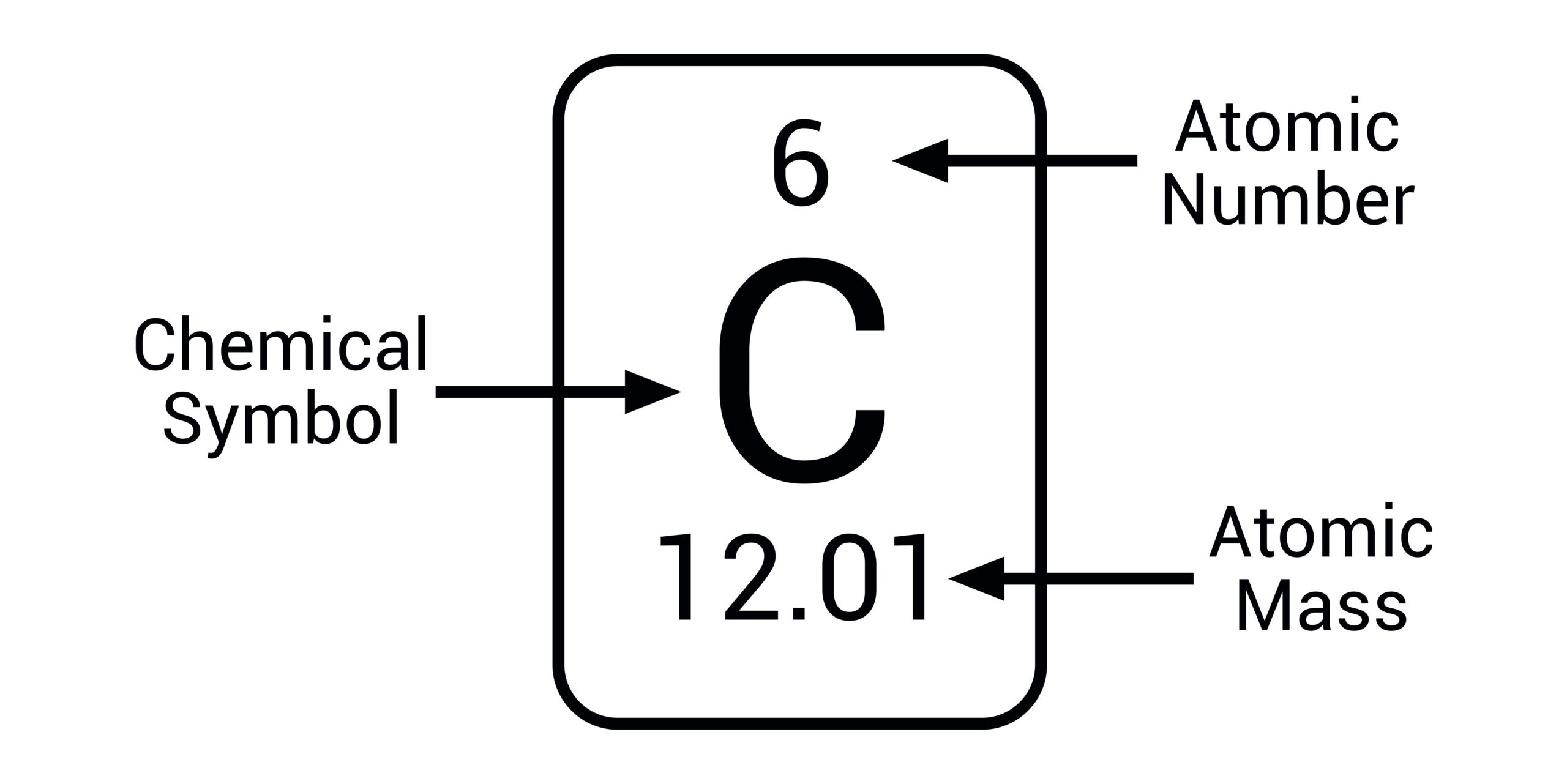
Atomic Number
Number of Protons
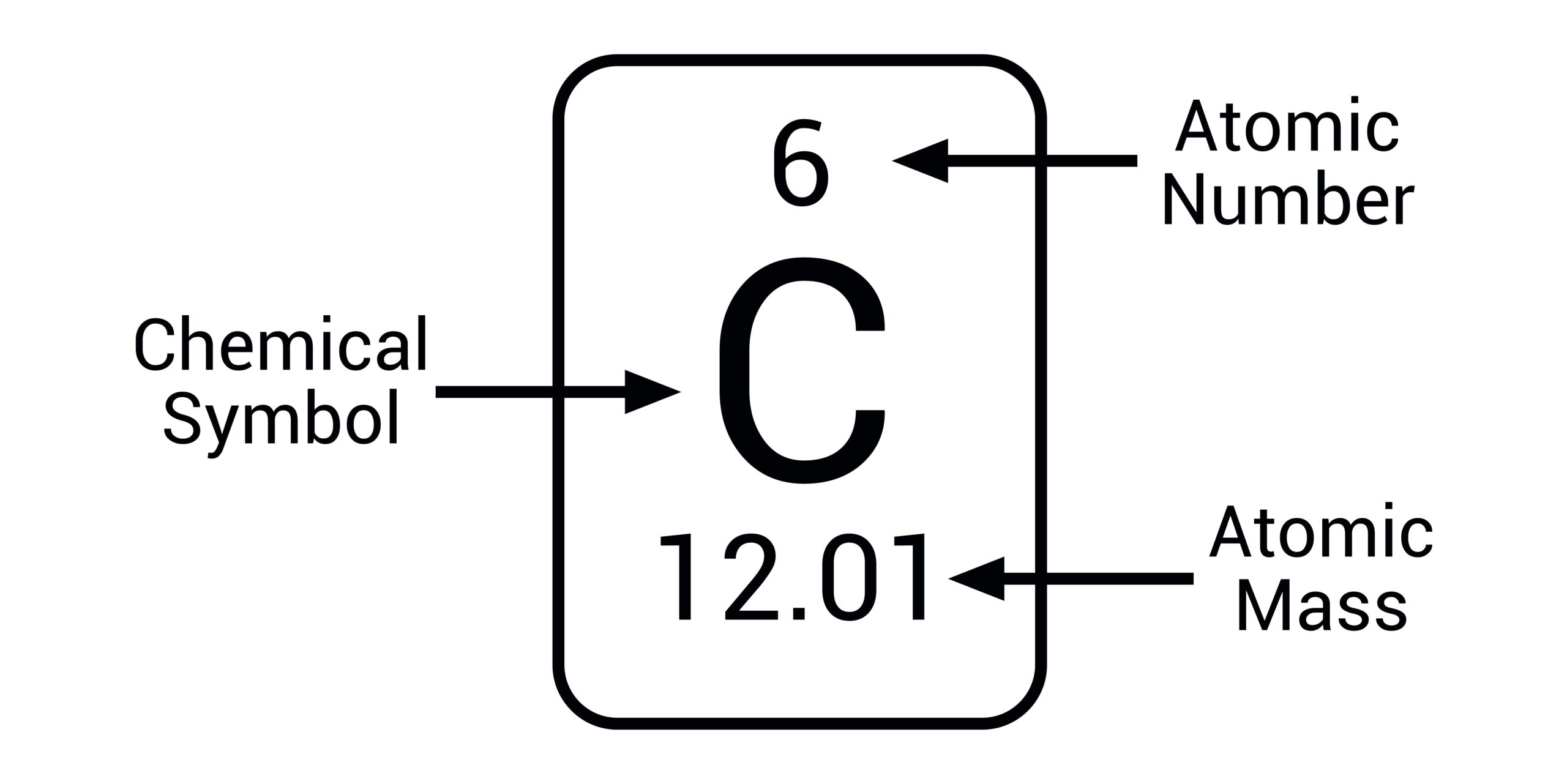
Atomic Mass Number
Number of Protons + Neutrons
Isotopes
Amount of neutrons
Protons
Postive
Electrons
Negative
Neutrons
Neutral charge
Carbon Dating
Amount of c.14 in an object
Shell Requirments for Shell 1
2
Shell Requirements for shell 2
4 and total has to be 11
Molecules
Two or More Atoms
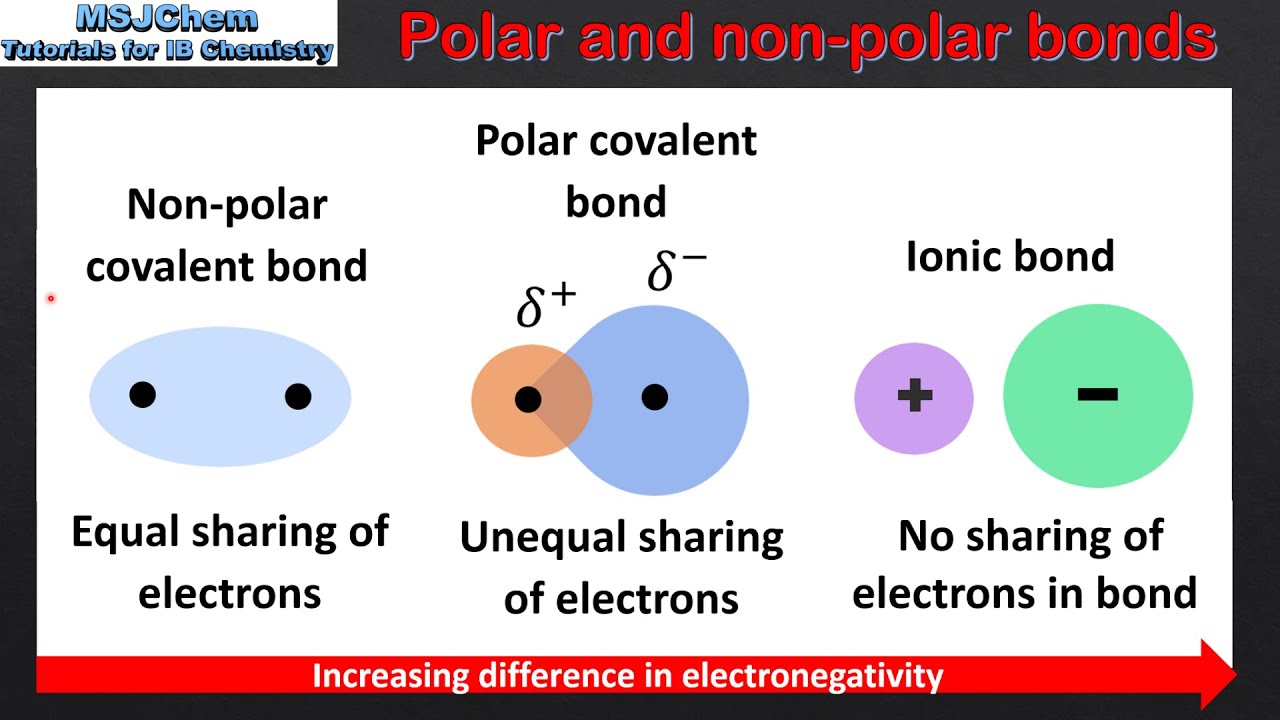
Ionic Bonds
No sharing of electrons between atoms
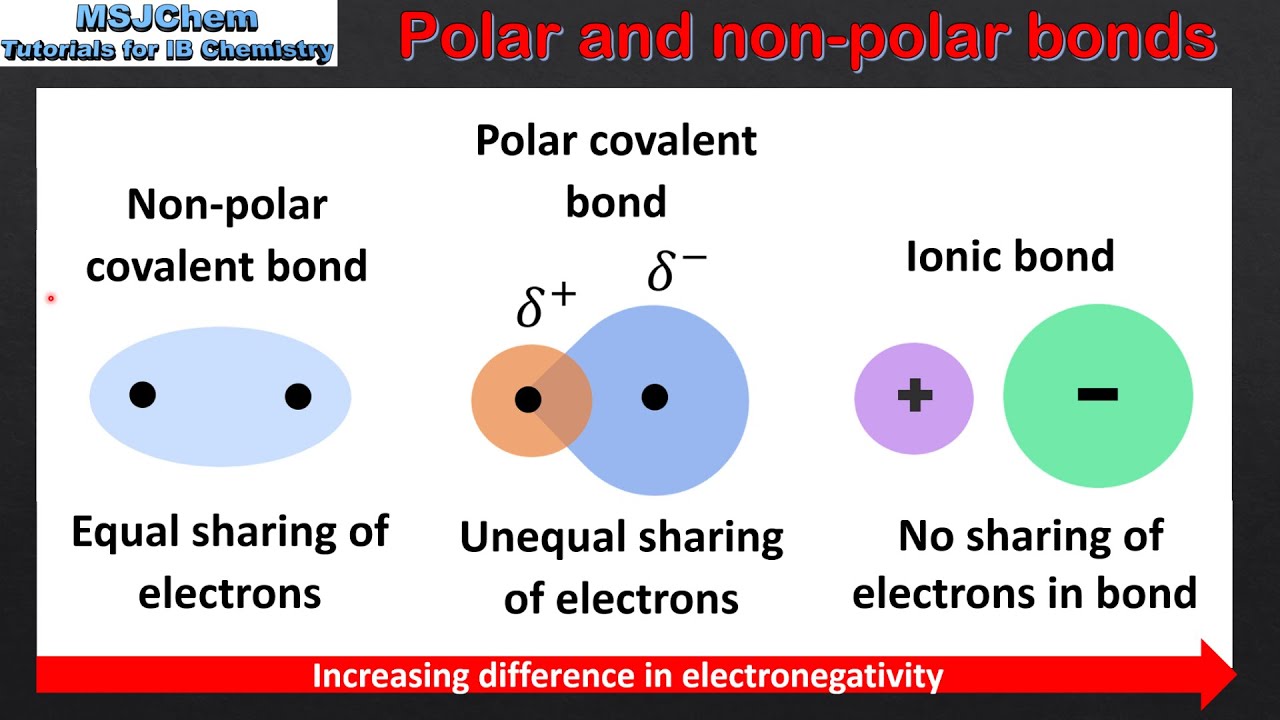
Covalent Bonds
Shared Bonds
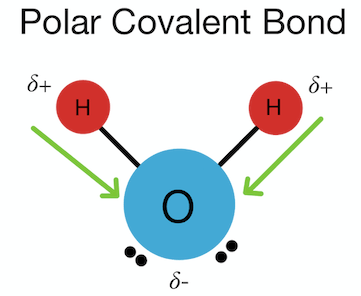
Polar Covalent Bonds
bond where electrons are shared unequally between two atoms
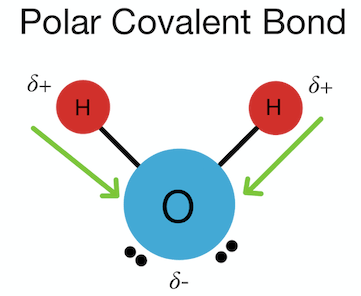
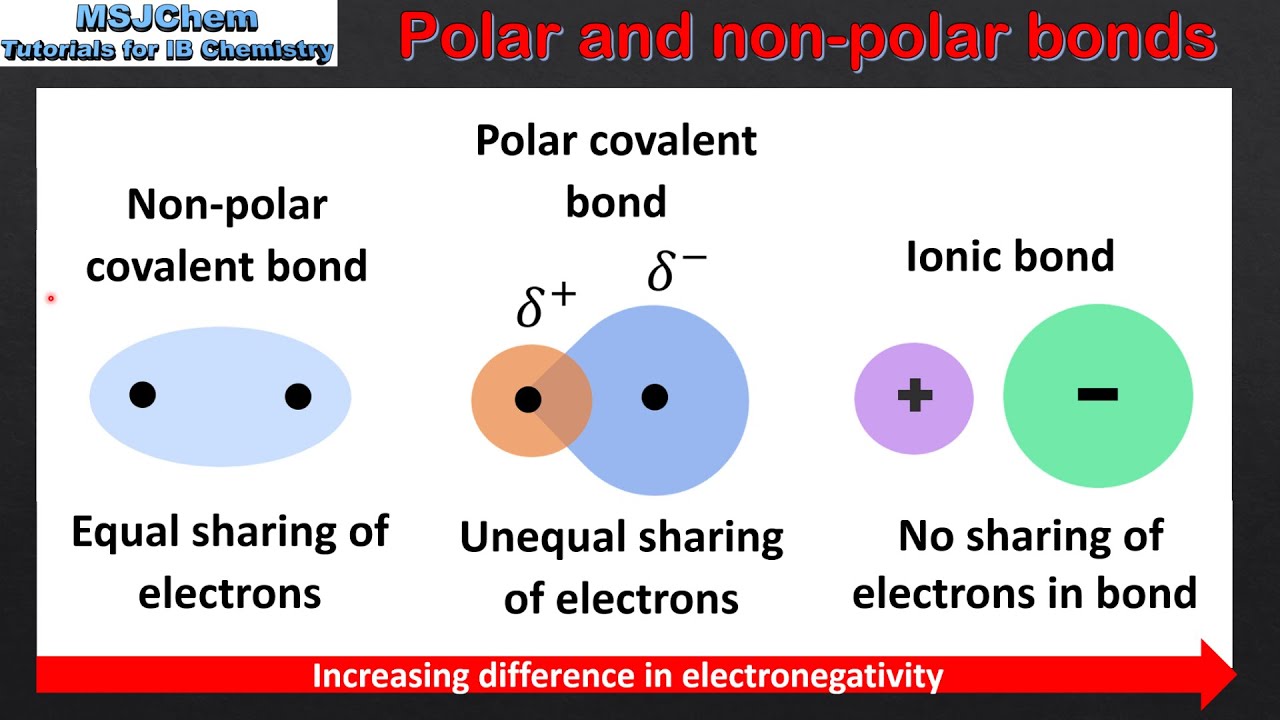
NonPolar Covalent Bonds
Equal Sharing of Electrons
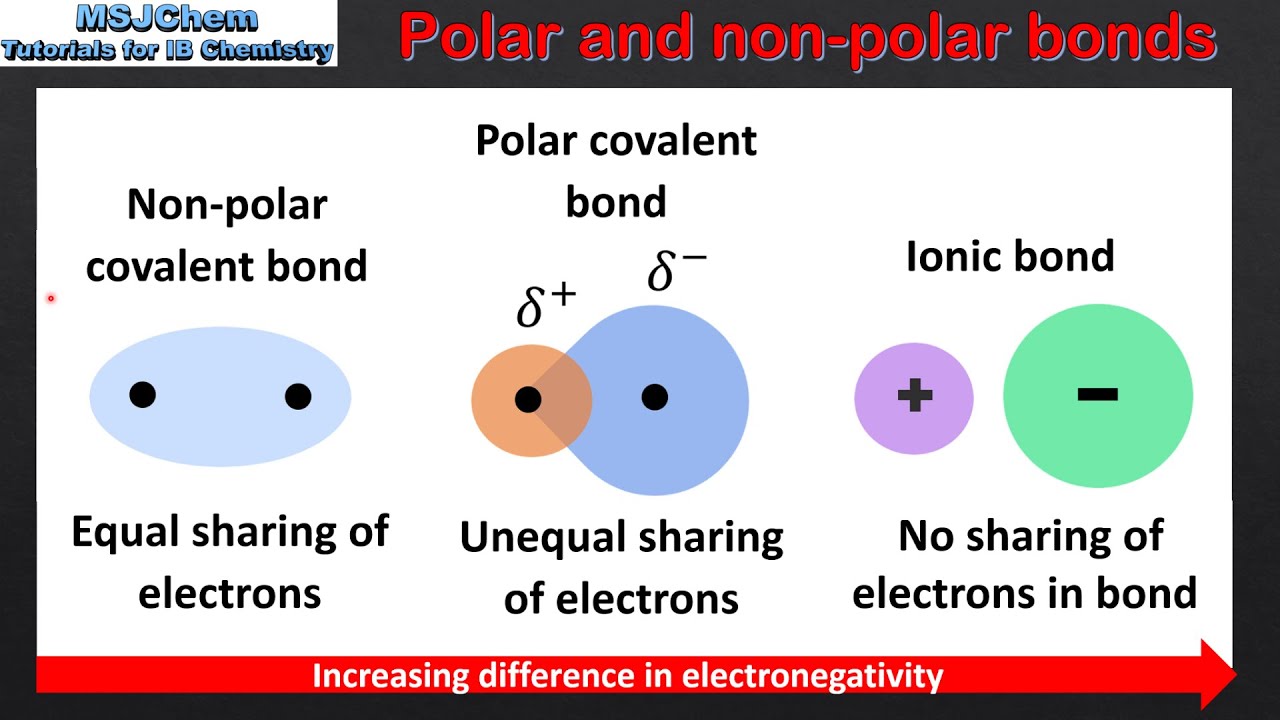
Hydrophilic
Likes/bonds with water
Hydrophobic
Doesnt like/ doesnt bond with water
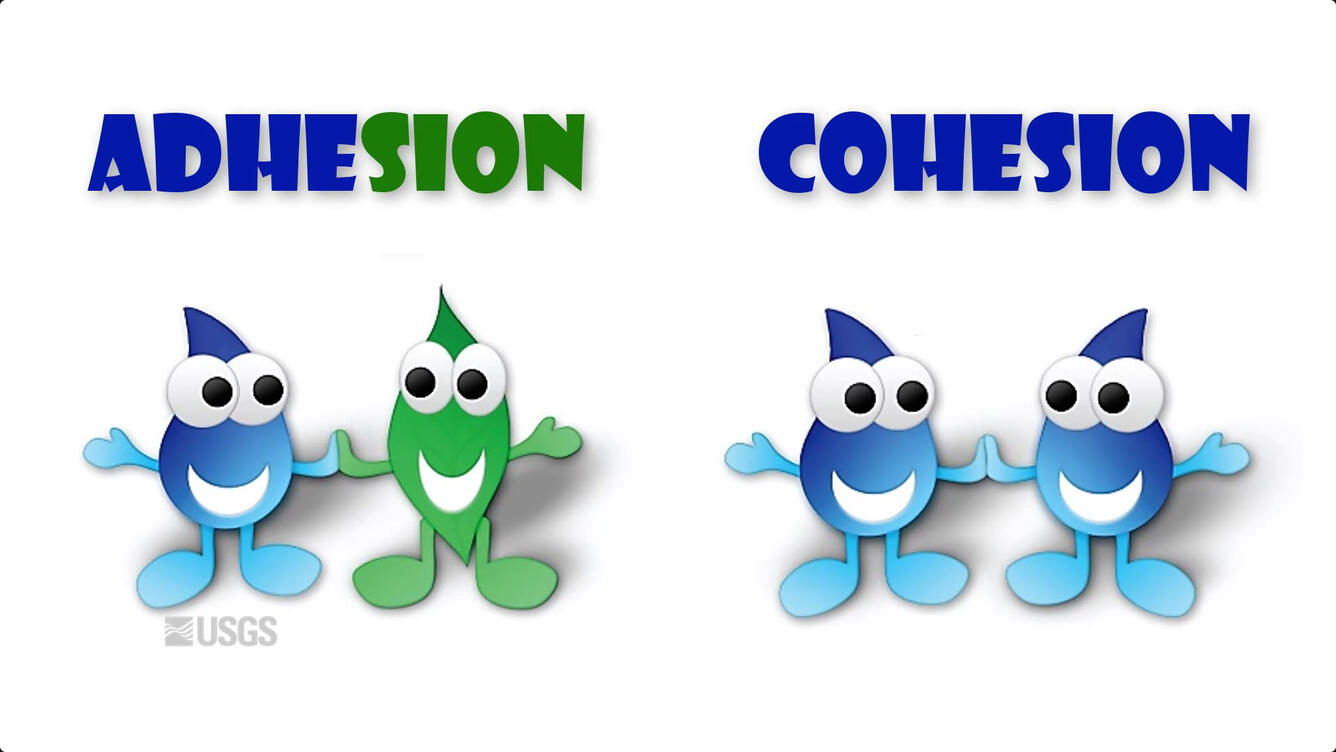
Cohesion
Water molecules sticking together
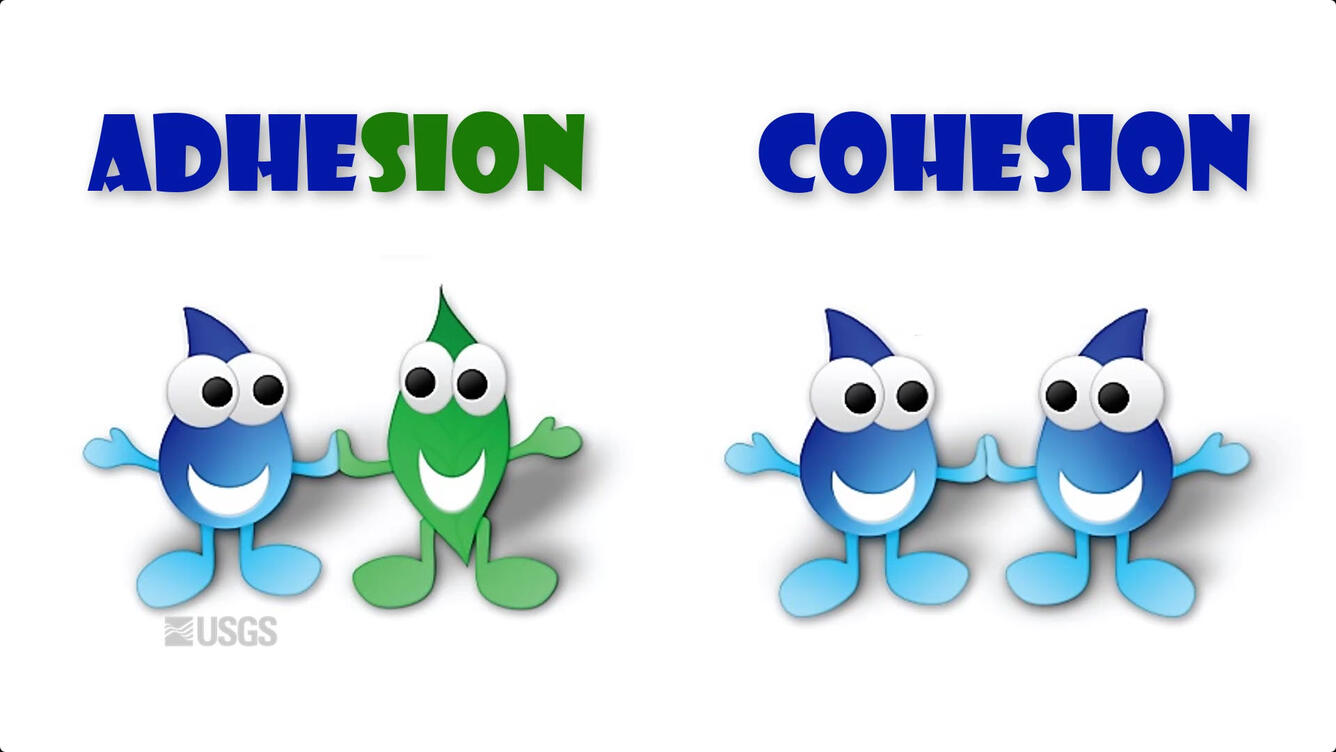
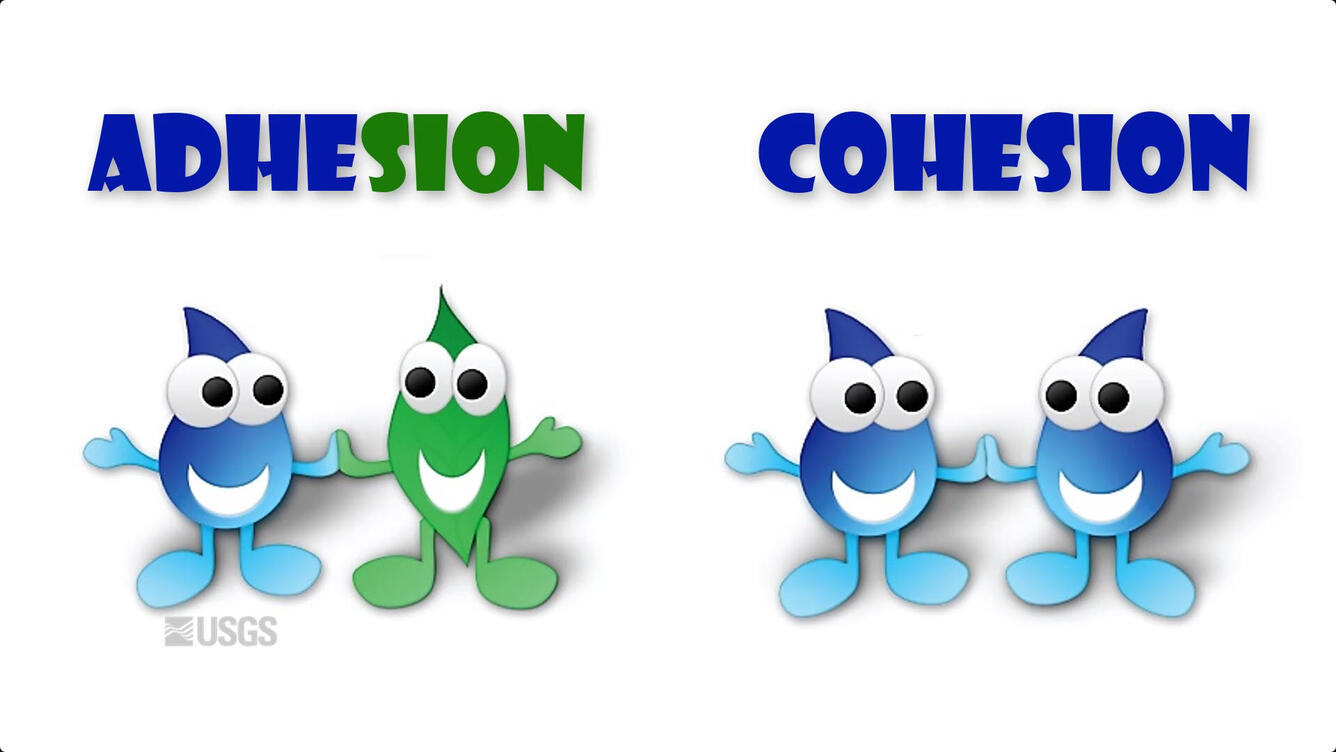
Adhesion
Water molecules sticking to other surfaces
Formula of Density
P= Mass over Volume
Property of Water
Doesnt heat or cool easily
Solution
Liquid consisting oof homogeneous mixture of two or more substances
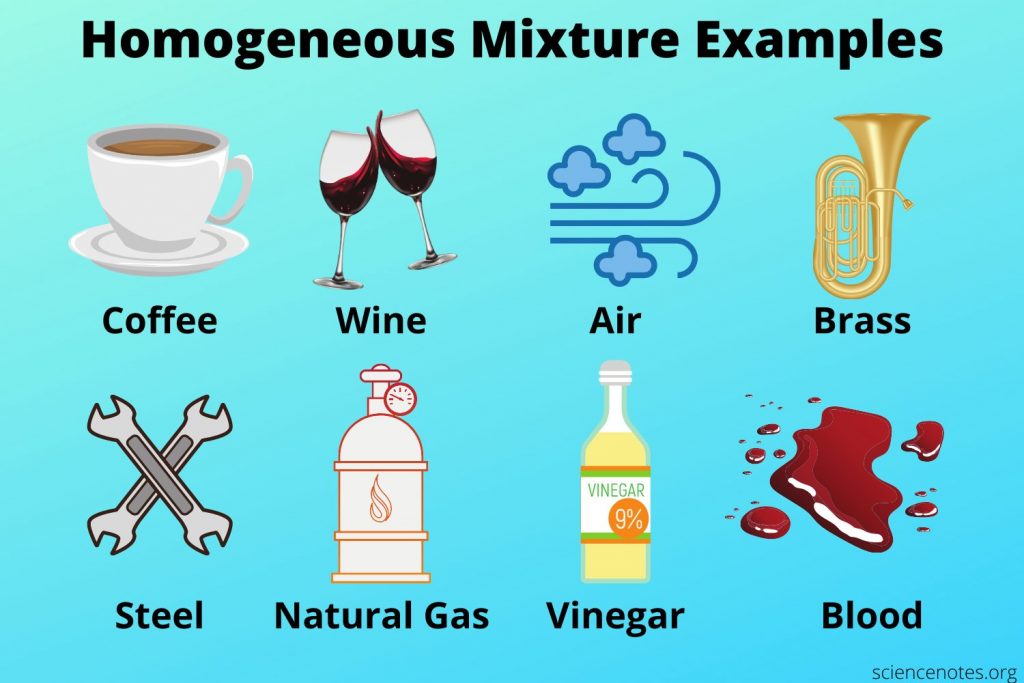
Homogeneous
Things that mix and ddisolve into a mixture
Ph level highest is
14- Oven Cleaner
Ph level lowest is
gastric acid
7
Neutral Ph level
Ph of blood is
7.4
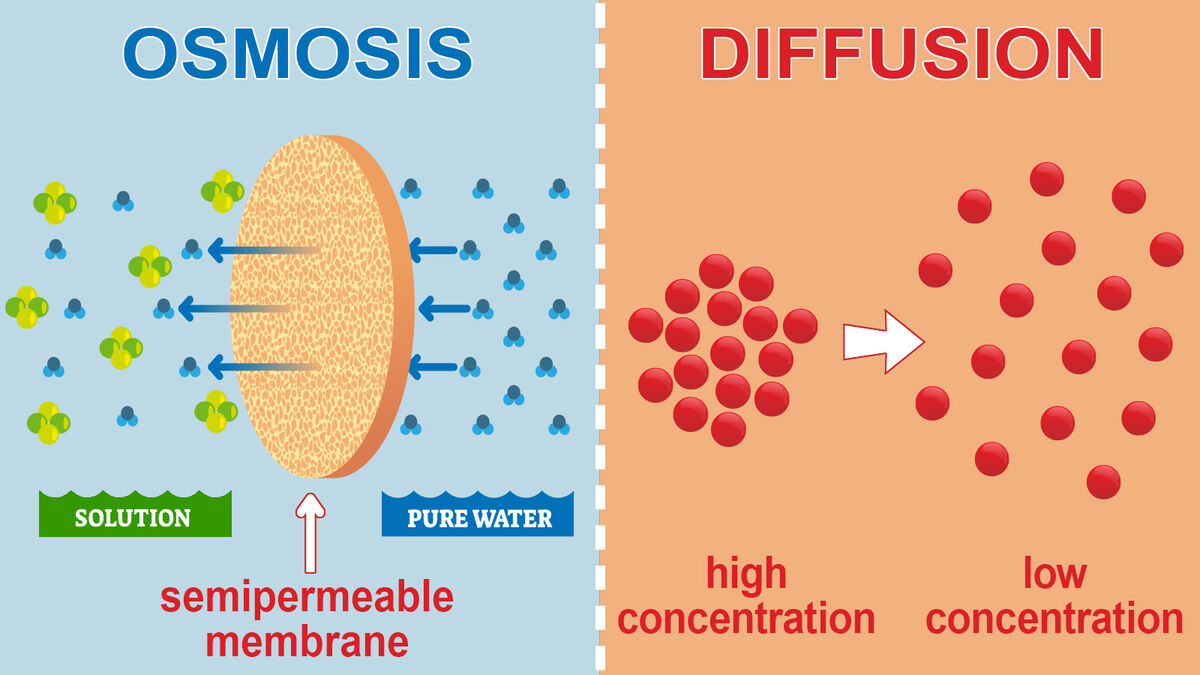
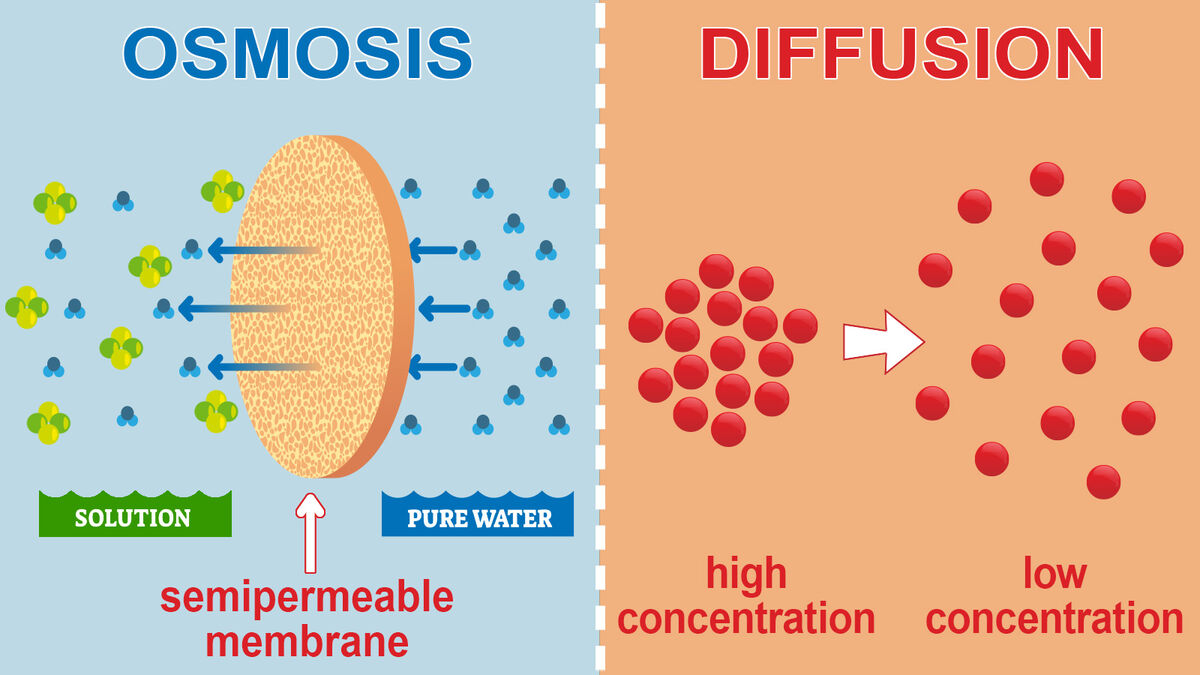
Diffusion
Movment of Higer to low concentration
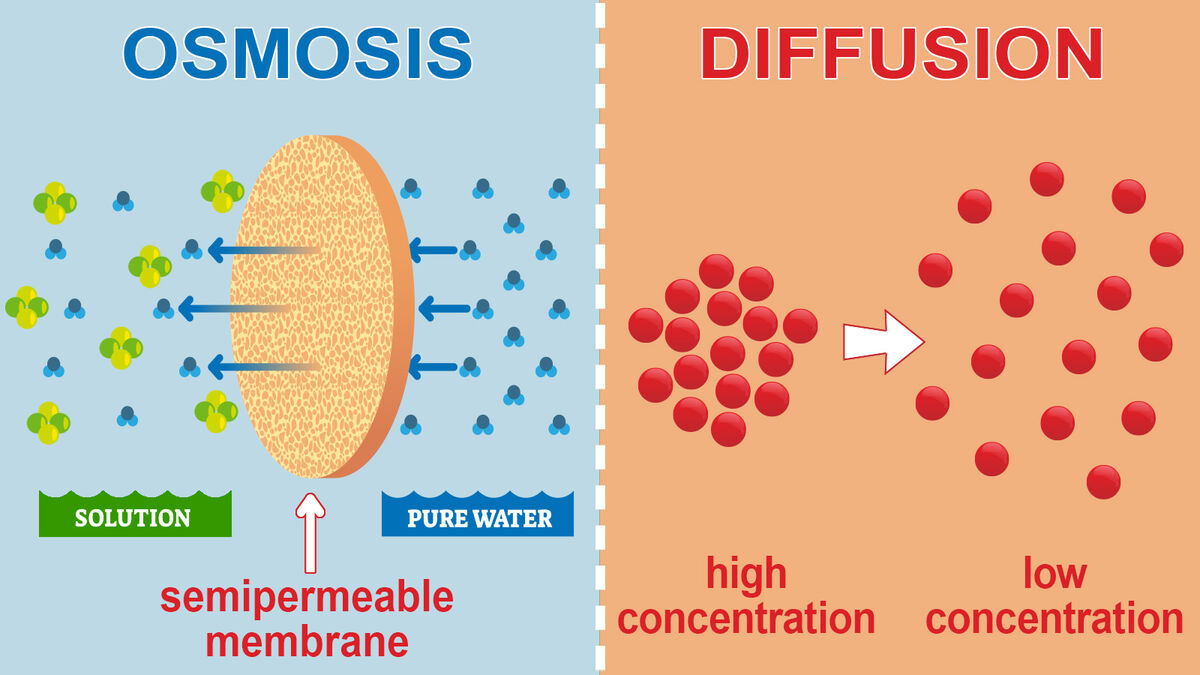
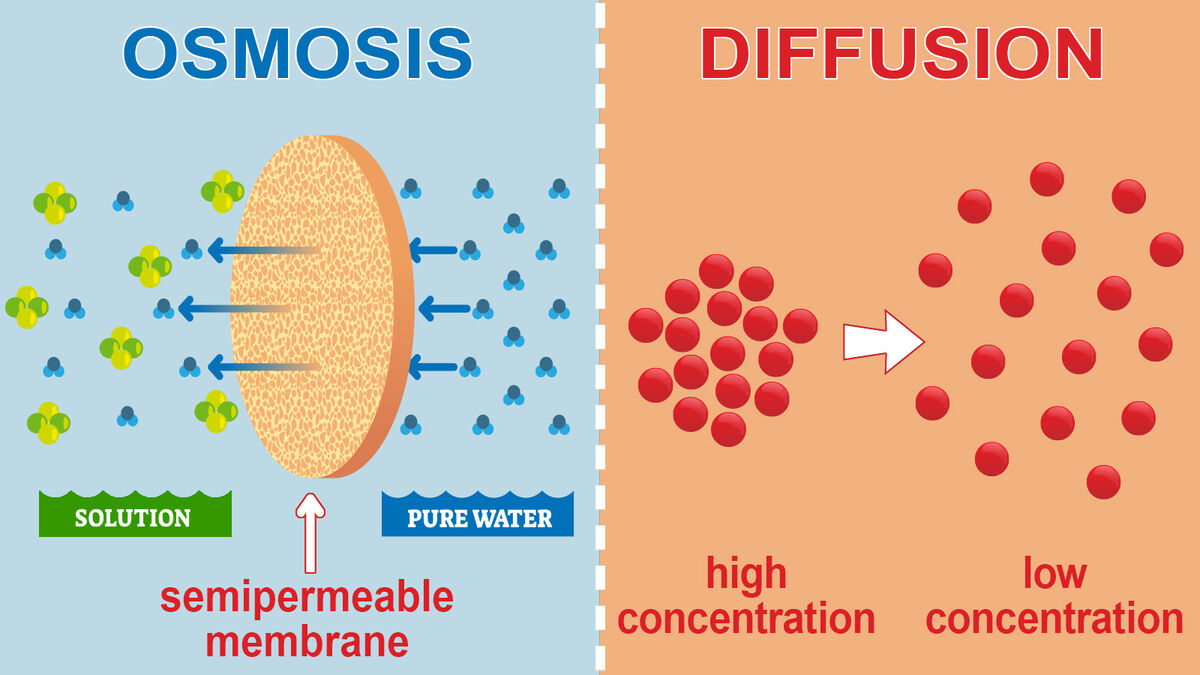
Osmosis
the movement of water (or another solvent) through a semipermeable membrane
Hypotonic Solution
Has a lower solute concentration than inside the cell. Water flows into the cell, causing it to swell- think hippo larger
Hypertonic Solution
Has a higher solute concentration than inside the cell. Water flows out of the cell, causing it to shrink or shrivel. -think hyper moving
Dialysis
the process of separating smaller molecules from larger molecules or suspended particles in a liquid solution by forcing them to diffuse through a selectively permeable membrane
4 Large Macromolues
Carbohydrates, Nucleic Acids, Proteins, Lipids
Monomers
Indiviual Units of macromolecules
Polymers
Chains of Monomers
Carbohydates
Sugars- Used to store and
release energy
Monosaccharides
Simplest sugar molecules
– C, H, and O
– Glucose: common energy
source
Disaccharides
Two monosaccharides
Polysaccharides:
Chains of monosaccharides
Lipids
one or more fatty acids - hydrophobic-Chains of carbon and
hydrogen atoms
− Saturated: bonded to
maximum number of
hydrogen
− Unsaturated: double
bonds, less hydrogen
Proteins
molecules made of amino acids that send signals between cells, support digestion, help your muscles move and protect you from things
Nucleic Acids
DNA - stores genetic information in the cell's nucleus.
RNA -takes instructions from DNA and builds proteins.
Peptide Bonds
Chains for amino acids that build proteins
What happens when you add iodine to starch
Starch and iodine react to form a black/blue color
When iodine solution which is naturally orange-brown comes into contact with starch, the iodine molecules slip inside the coiled helix structure of amylose and turns blue or dark black
4 main parts of the cells
Cytoplasm, Nucleas, Plasma Membrane, Ribosome
If theres Nucleus
Theres a ribosome
Where is Ribosome
In the Nucleus
What are Oragnelles
Parts of the cells
Ribosome makes
proteins
The 3 main particles in an atom
Protons, Neutrons, Electrons,- all ISOTOPES
Outside Shell
Valence shells