Bontrager Chapter 1: Terminology, Positioning
 Call Kai
 Learn
Learn Practice Test
 Spaced Repetition
 Match
Match Flashcards
 Knowt Play
1/60

There's no tags or description
Looks like no tags are added yet.
Name | Mastery | Learn | Test | Matching | Spaced | Call with Kai |
|---|
No analytics yet
Send a link to your students to track their progress
61 Terms
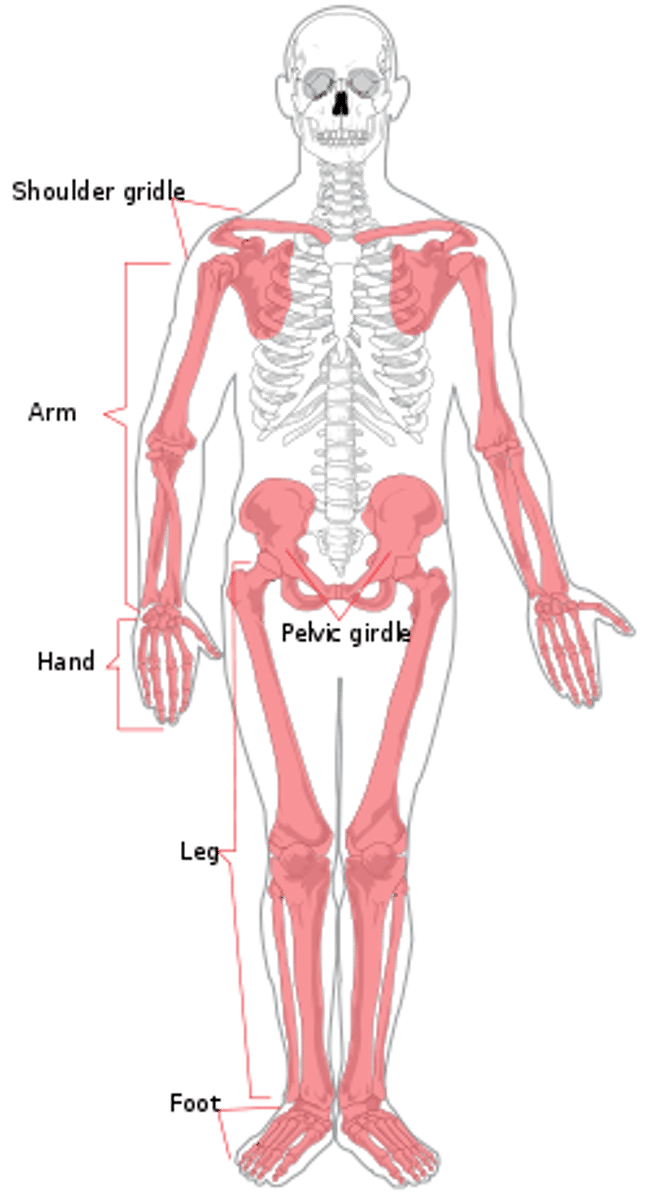
Long Bones
Consist of a body and two ends or extremities. Found only in the appendicular skeleton
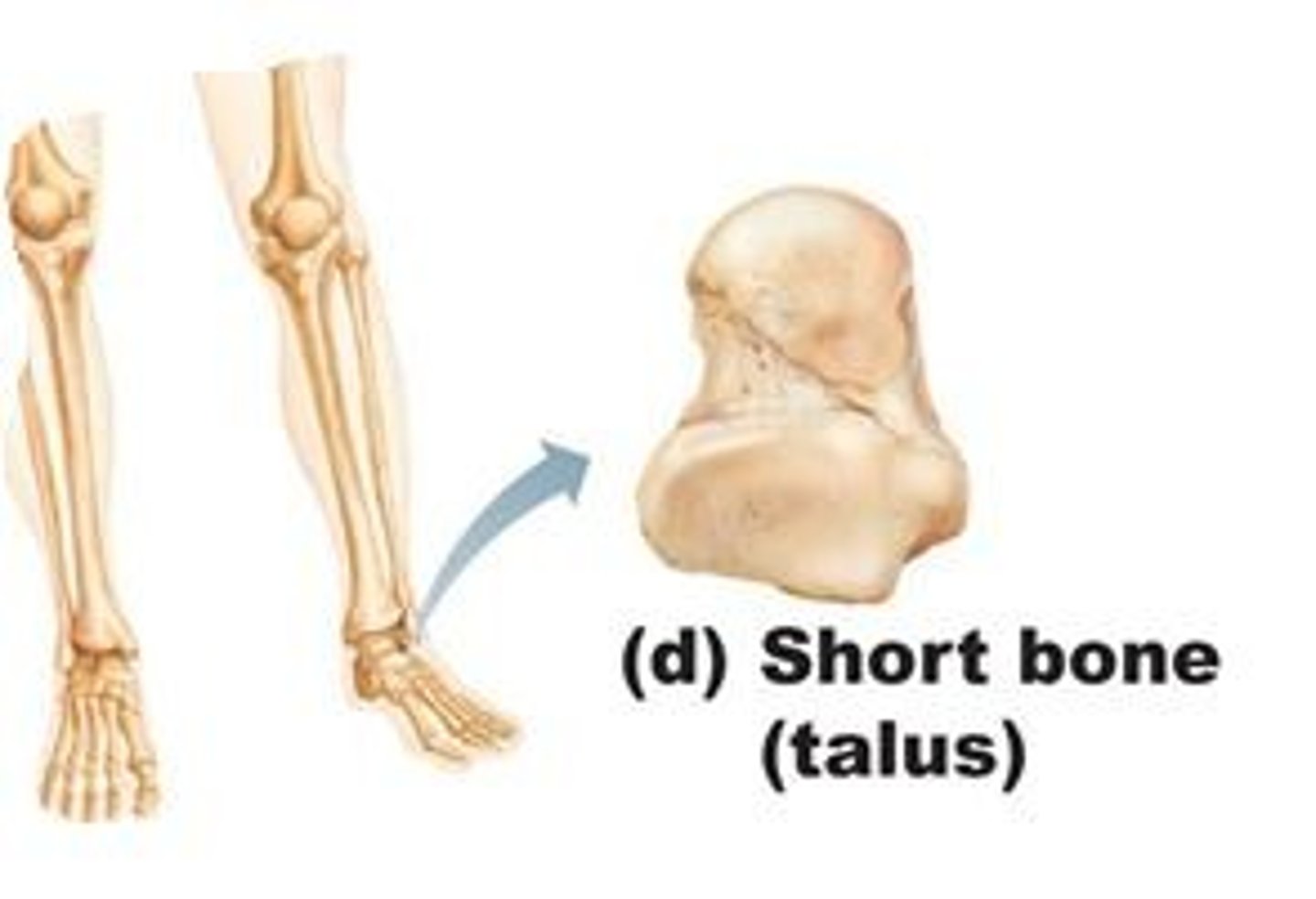
Short Bones
are roughly cuboidal and are found only in the wrists and ankles. 8 carpal bones of wrist, 7 tarsal bones of ankle
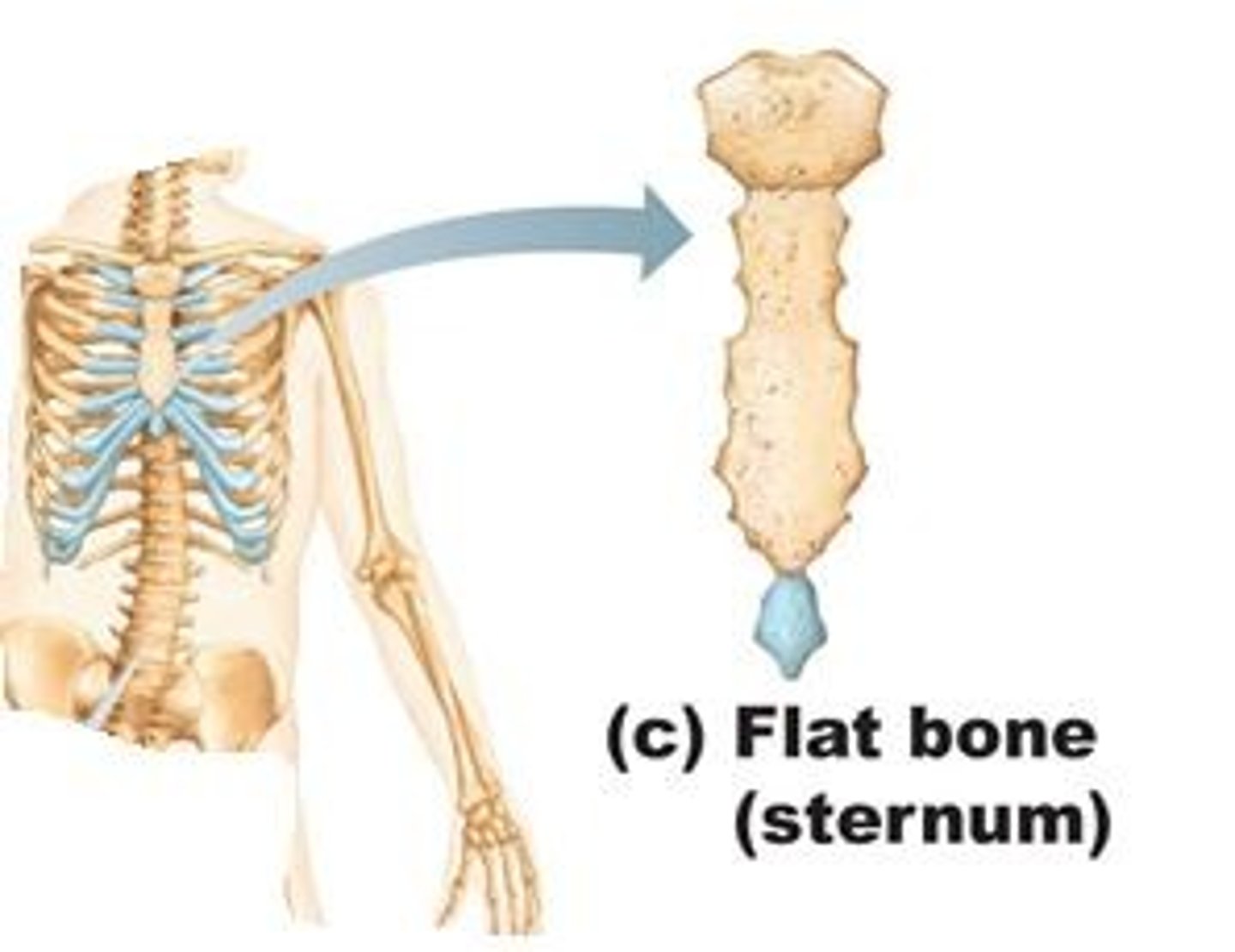
Flat Bones
consist of two plates of compact bone with cancellous bone and bone marrow between them. Calvaria (skull cap), Sternum, ribs and scapulae are considered flat bones
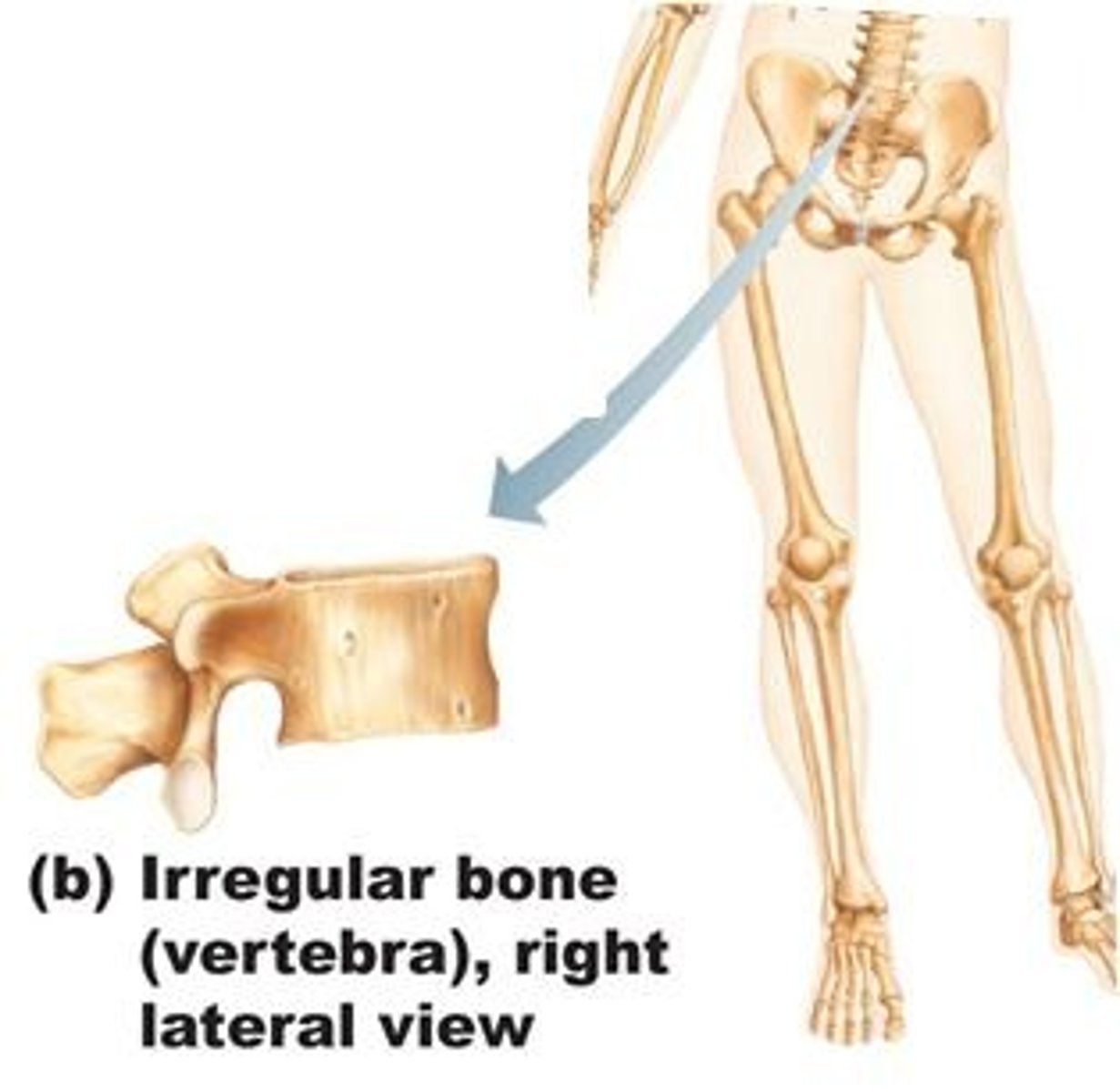
Irregular Bones
Bones that have peculiar shapes. Vertebrae, facial bones, bones of the base of the cranium, bones of the pelvis.
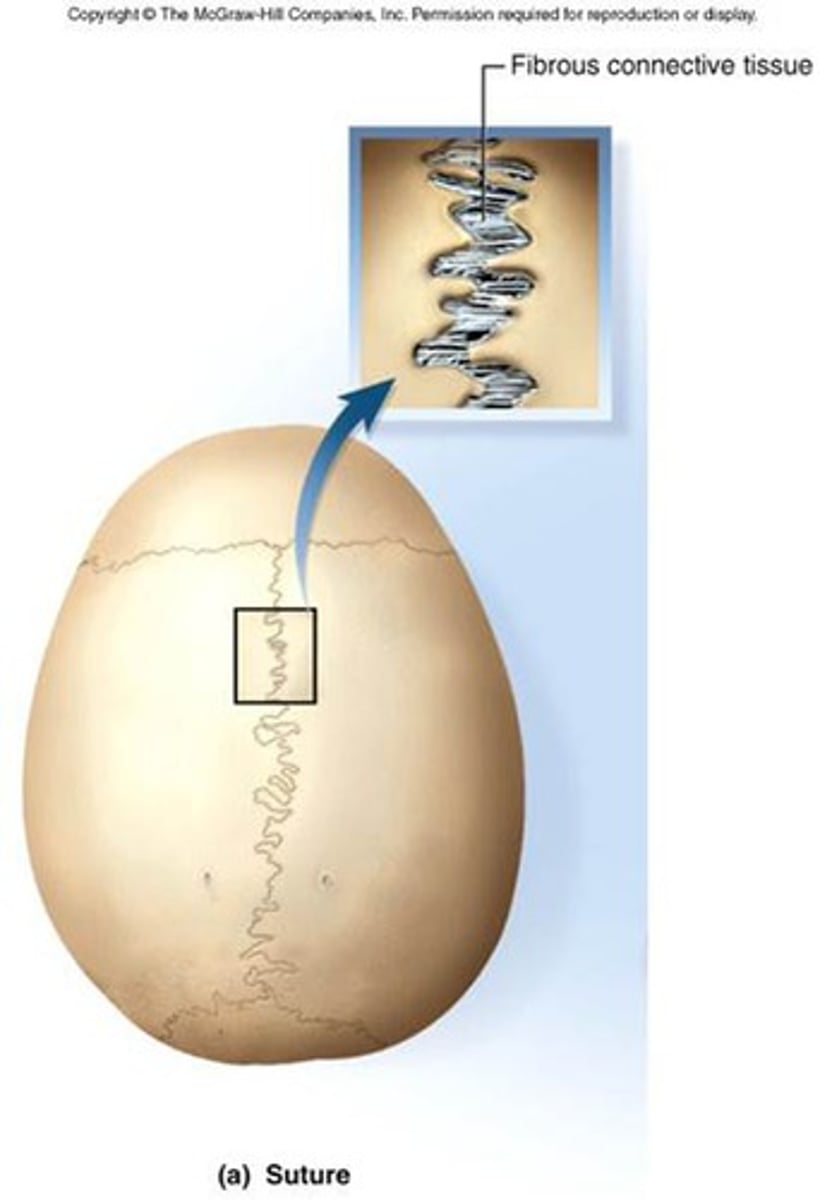
Synarthrosis
Immovable Joint
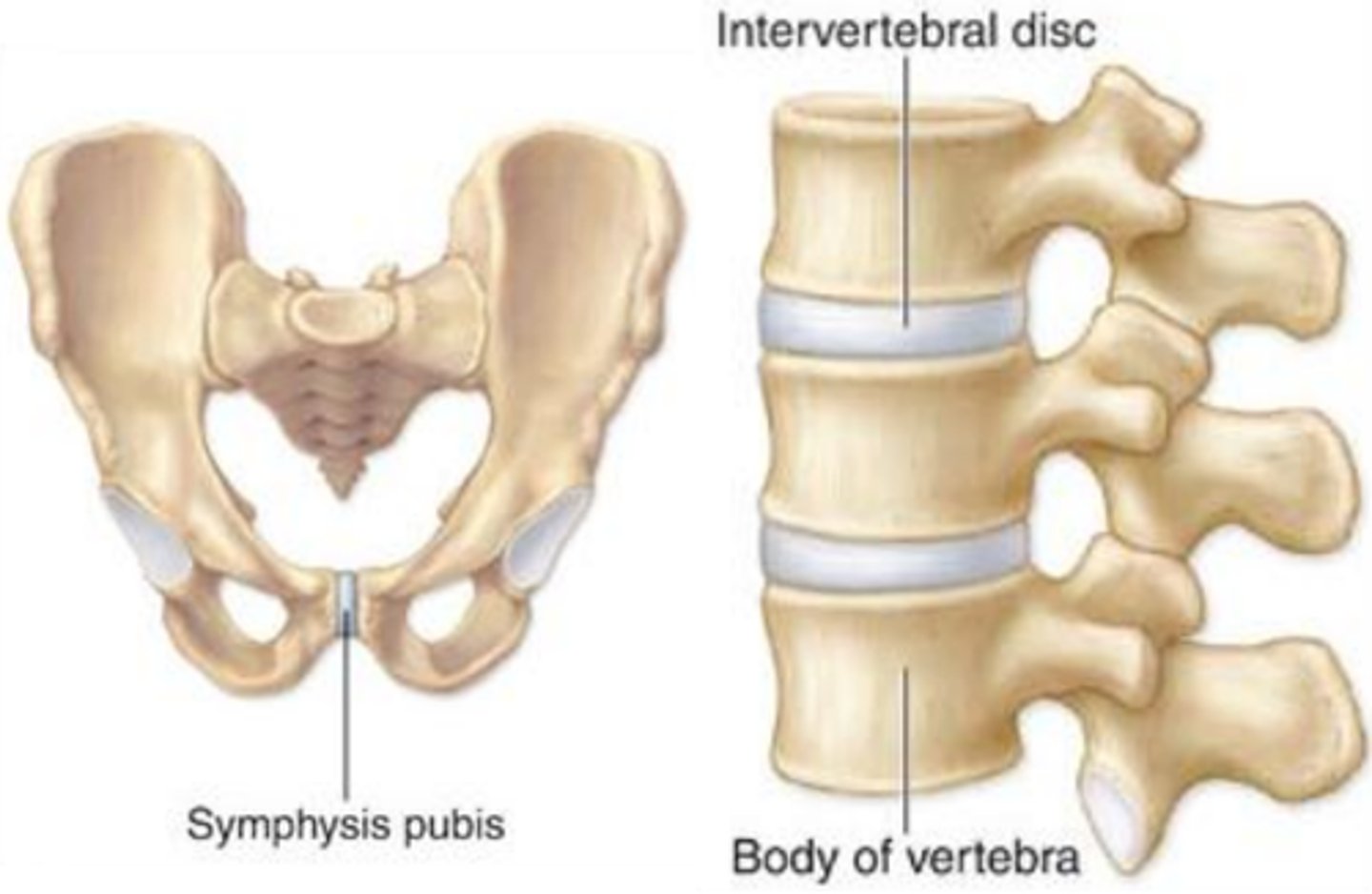
Amphiarthrosis
Joint with limited movement
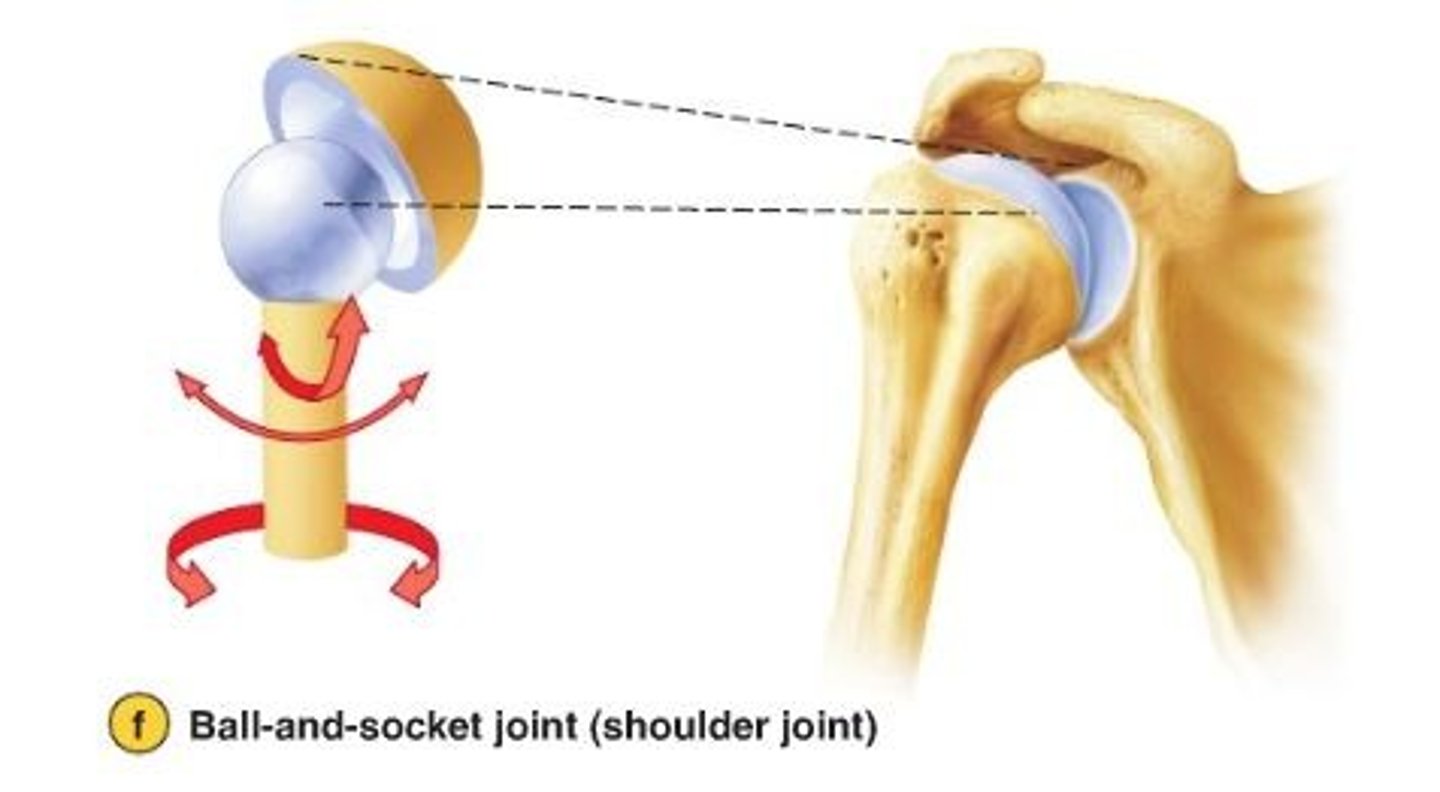
Diarthrosis
Freely movable joint
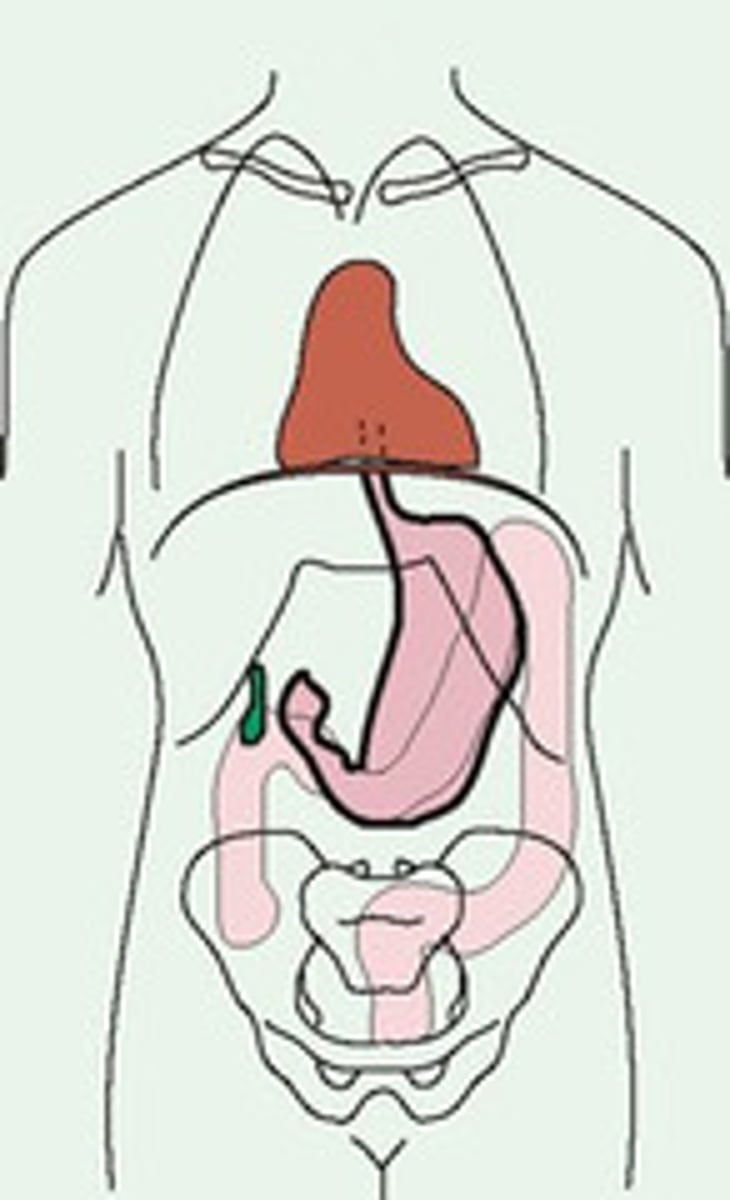
Sthenic
Approximately 50% of the population falls into this category. These body styles are considered average in shape and internal organ location
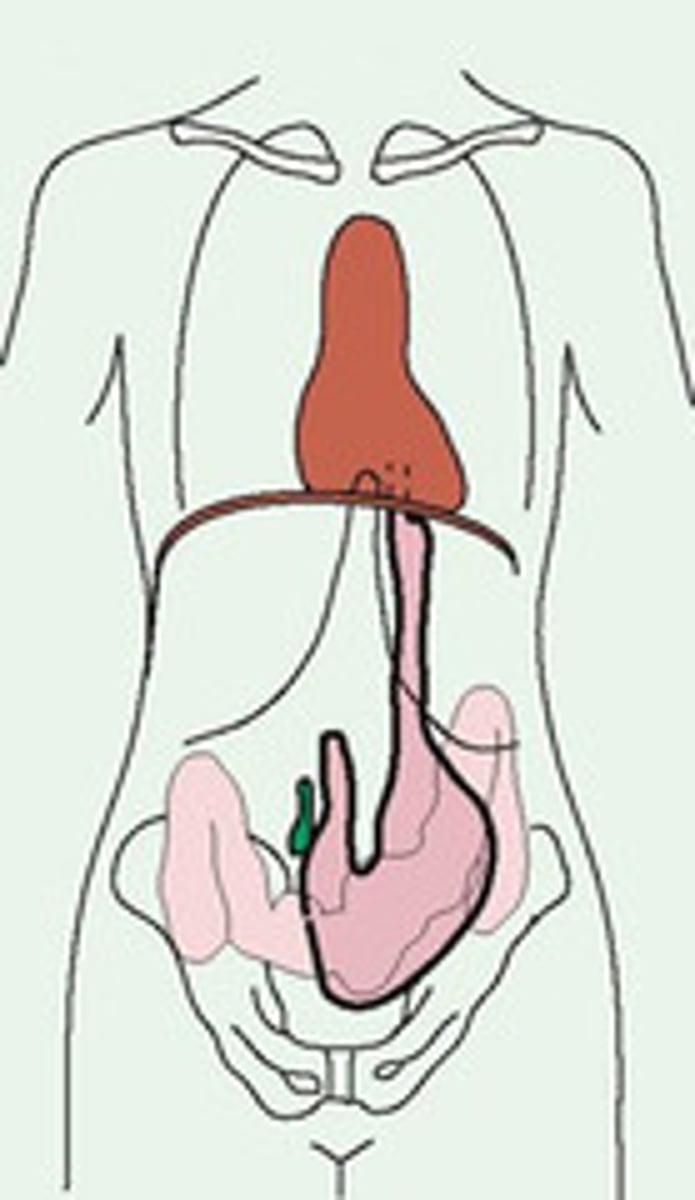
Hyposthenic
A thin body style, which is more slender than the sthenic body habitus. Approximately 35% of the population is classified this body style.
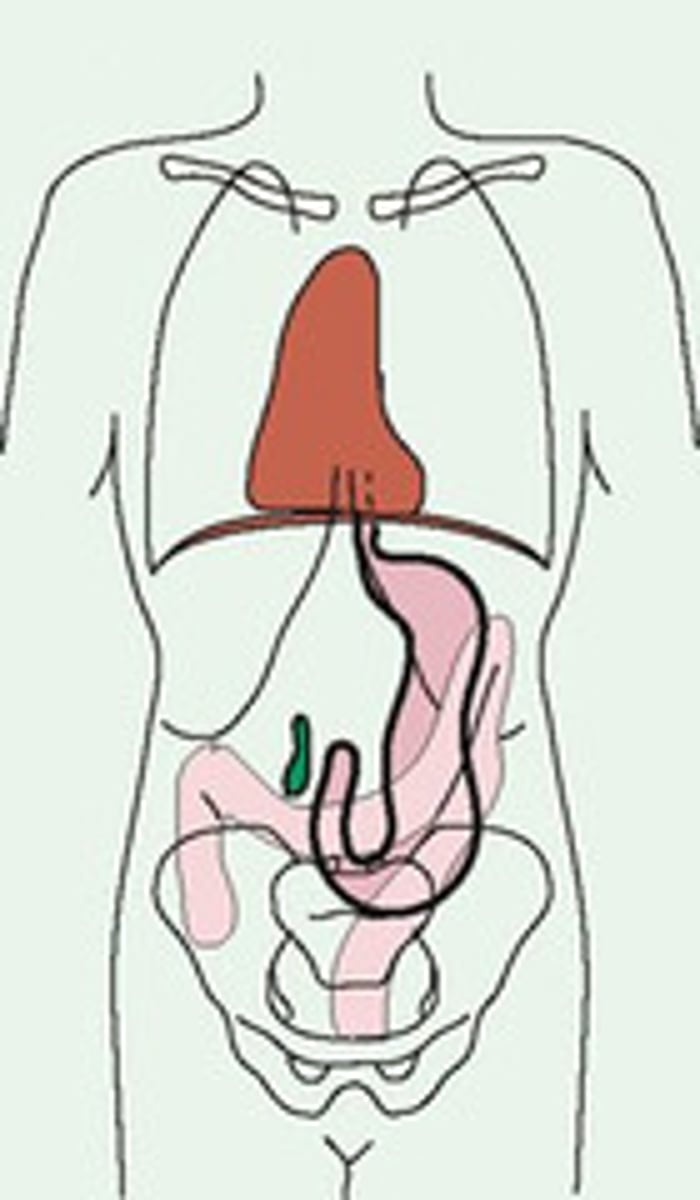
Hypersthenic
A massive body style, which has a large and broad frame as compared to the sthenic body habitus. Approximately 5% of the population has this body style.
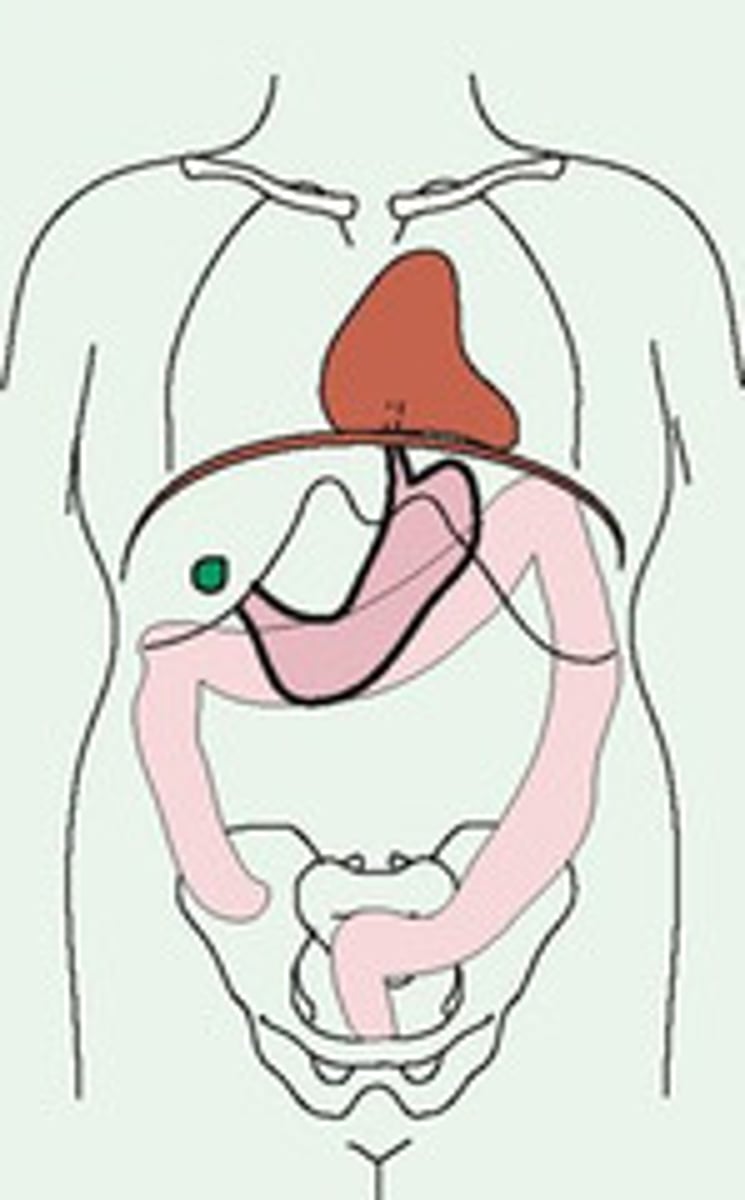
Asthenic
Approximately 10% of the population is very thin or slender with a long and narrow body build.
Radiograph
An image of a patient's anatomic part(s), as produced by the action of x-rays on an image receptor.
Radiography
The process and procedures of producing a radiograph
X-ray Film
specifically refers to the physical piece of material on which a latent (nonprocessed) radiographic image is stored.
Image Receptor (IR)
The device that captures the radiographic image that exits the patient; refers to both film-screen cassettes and digital acquisition devices.
Central Ray (CR)
Refers to the centermost portion of the x-ray beam emitted from the x-ray tube - the portion of the x-ray beam that has the least divergence.
Viewing Radiographs
display them so that the patient is facing the viewer, with the patient in the anatomic position
Sagittal Plane
Plane is any longitudinal plane that divides the body into right and left parts
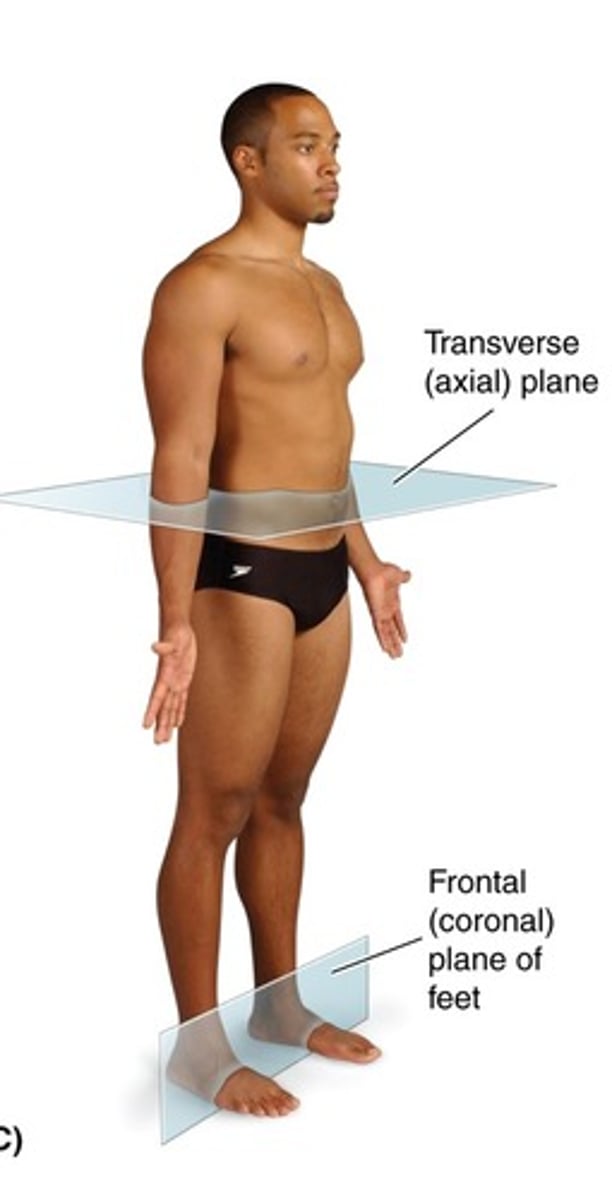
Coronal Plane
is any longitudinal plane that divides the body into anterior and posterior parts
Midcoronal Plane
divides the body into approximately equal anterior and posterior parts
Midsagittal Plane
sometimes called the median plane, is a midline sagittal plane that divides the body into equal right and left parts
Horizontal (Axial) Plane
is any transverse plane that passes through the body at right angles to a longitudinal plane, dividing the body into superior and inferior parts.
Oblique Plane
is a longitudinal or transverse plane that is at an angle or slant and is not parallel to the sagittal, coronal, or horizontal plane.
Longitudinal Sections (Sagittal, Coronal, and Oblique)
These sections or images run lengthwise in the direction of the long axis of the body or any of its parts, regardless of the position of the body (erect or recumbent)
Transverse or Axial
Sectional Images are at right angles along any point of the longitudinal axis of the body or its parts.
Posterior
or Dorsal refers to the back half of the patient. part of the body seen when the person is viewed from the back; includes the bottoms of the feet and the backs of the hands as demonstrated in the anatomic position.
Anterior
or Ventral refers to front half of the patient, includes the tops of the feet and the fronts or palms of the hands in the anatomic position.
Plantar
refers to the sole or posterior surface of the foot.
Foot Dorsal
refers to the top or anterior surface if the foot (dorsum pedis)
Hand Dorsal
refers to the back or posterior aspect of the hand. (dorsum manus)
Projection
is a positioning term that describes the direction or path of the CR of the x-ray beam as it passes through the patient, projecting an image onto the IR.
PA Projection
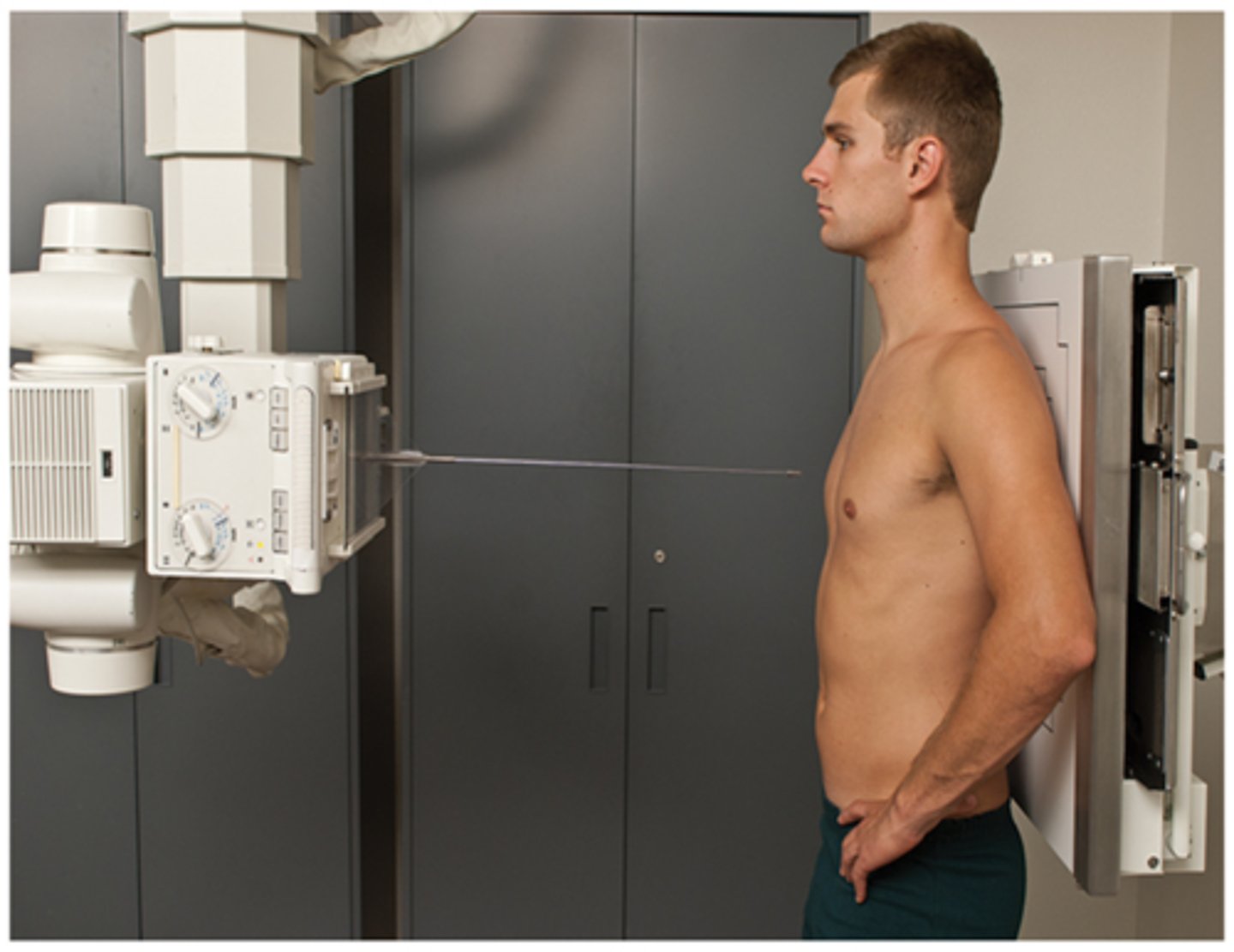
refers to a projection of the CR from posterior to anterior. The CR enters at the posterior surface and exits at the anterior surface.
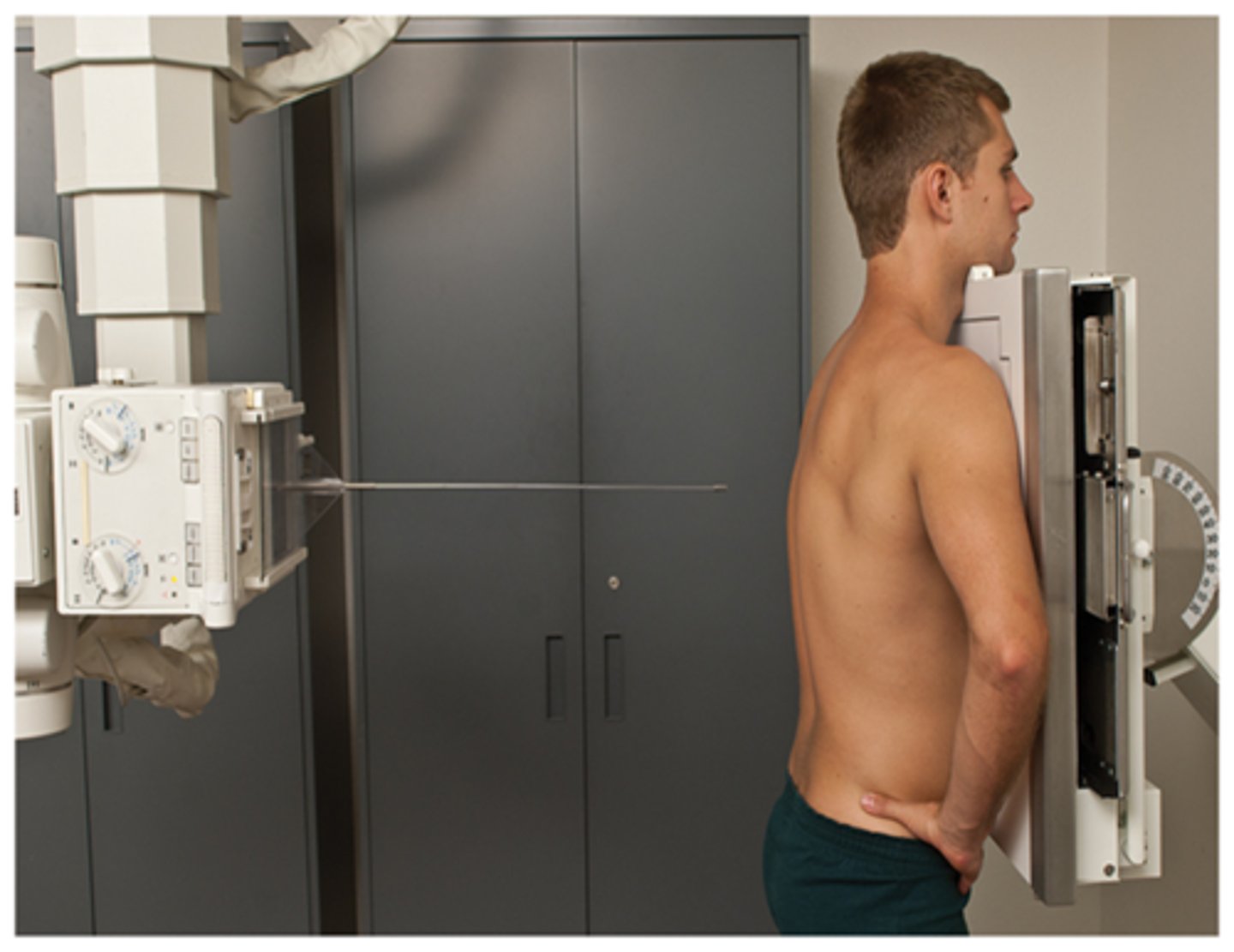
AP Projection
refers to a projection of CR from anterior to posterior Describes the direction of travel of the CR, which enters at an anterior surface and exits at a posterior surface.
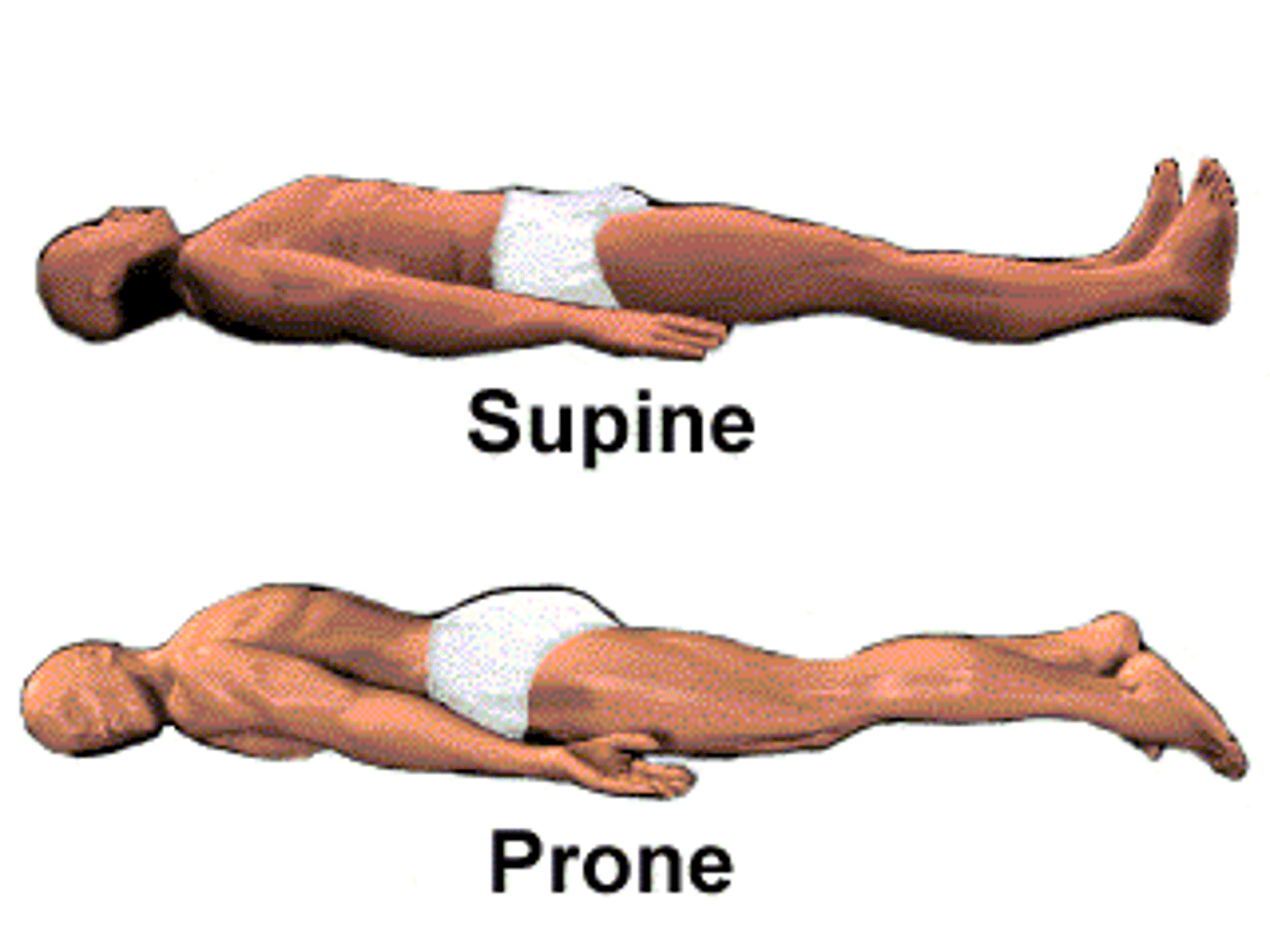
Supine
lying on back, facing upward
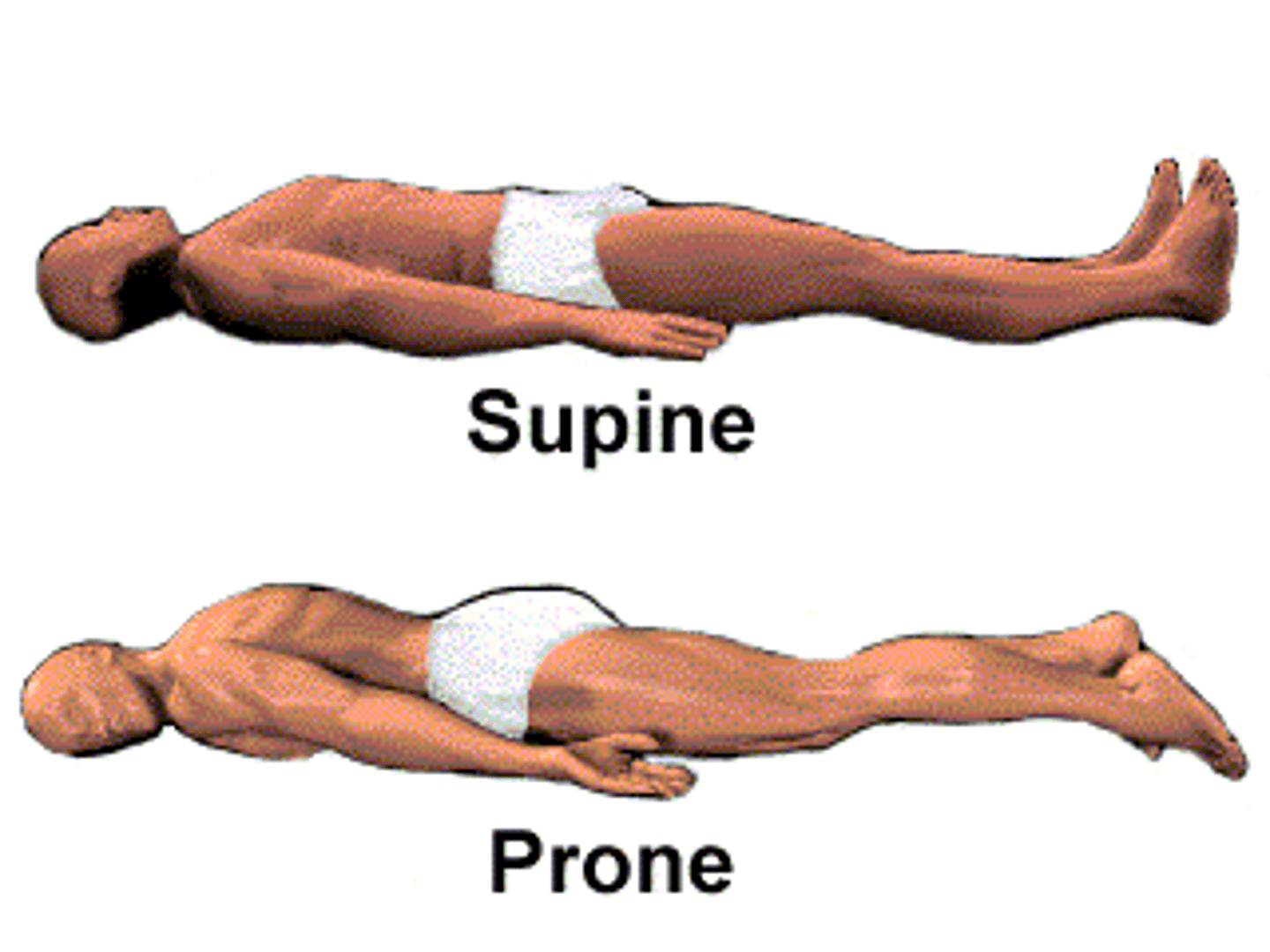
Prone
lying on abdomen, facing downward
Erect
an upright position, to stand or sit
Recumbent
lying down in any position (prone, supine or on side)
Dorsal Recumbent
Lying on back (supine)
Ventral Recumbent
Lying face down (prone)
Lateral Recumbent
Lying on side (right or left lateral)
Trendelenburg
A recumbent position with the body tilted with the head higher than the feet
Fowler
A recumbent position with the body tilted, with the head higher than the feet
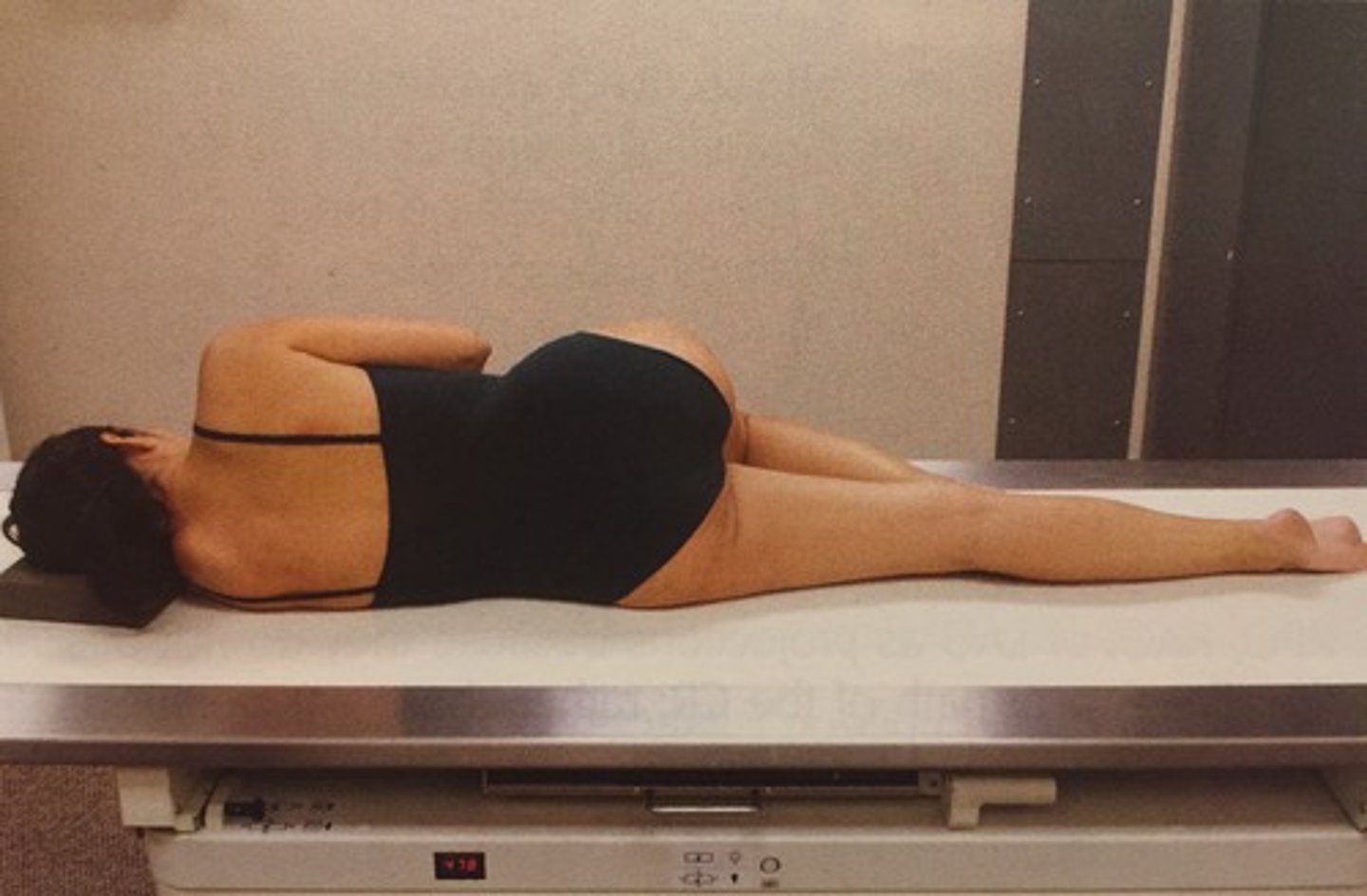
Sims Position
A recumbent oblique position with the patient lying on the left anterior side with the right knee and thigh flexed and the left arm extended down behind the back
Modified Sims Position
position used for insertion of the rectal tube for barium enema.
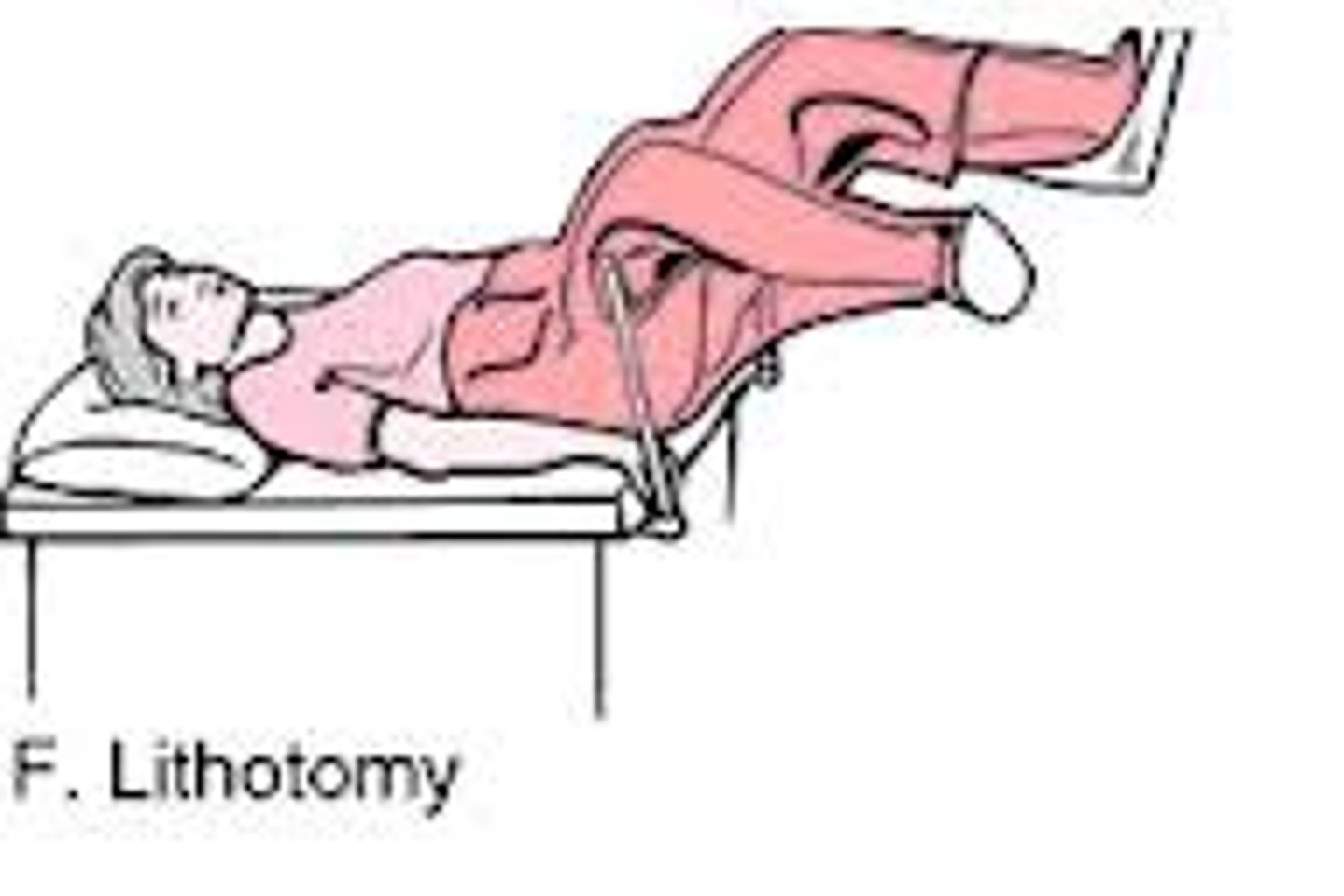
Lithotomy
A recumbent (supine) position with knees and hip flexed and thighs abducted and rotated externally, supported by ankle supports.
Lateral Position
refers to the side of, or side view. Specific Lateral positions described by the part closest to the IR or the body part from which the CR exits
Erect LPO Position
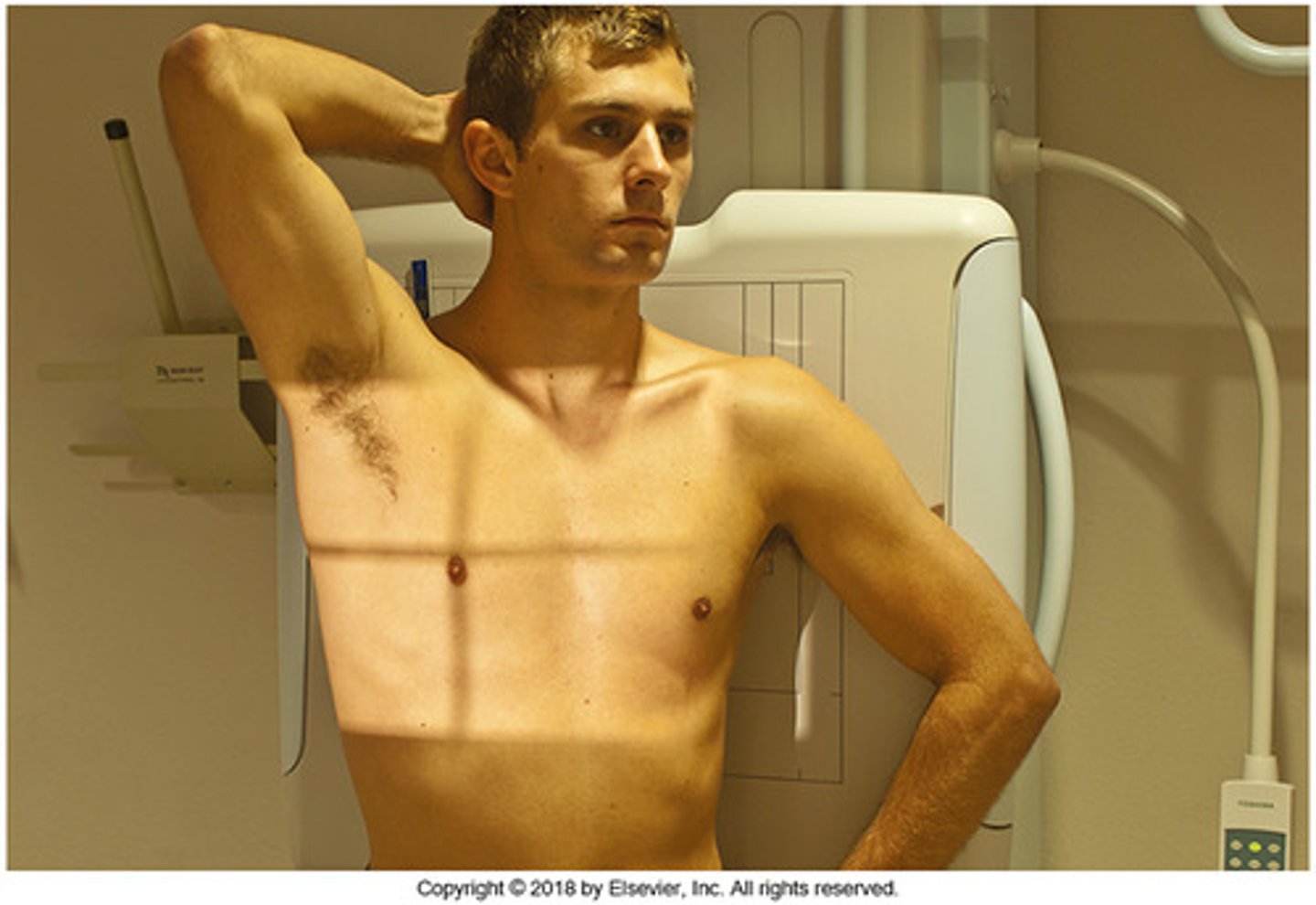
Recumbent LPO Position
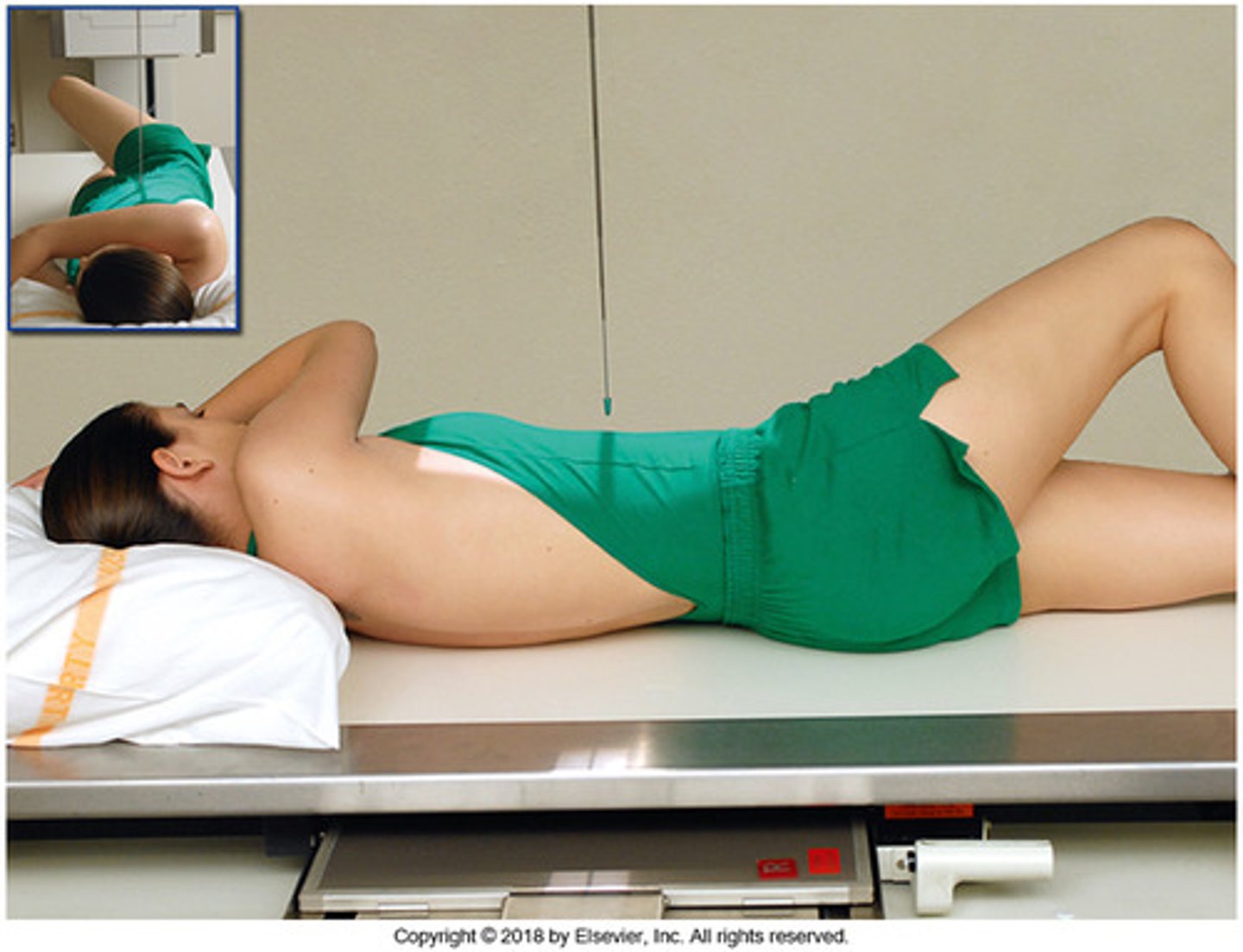
Erect RAO Position
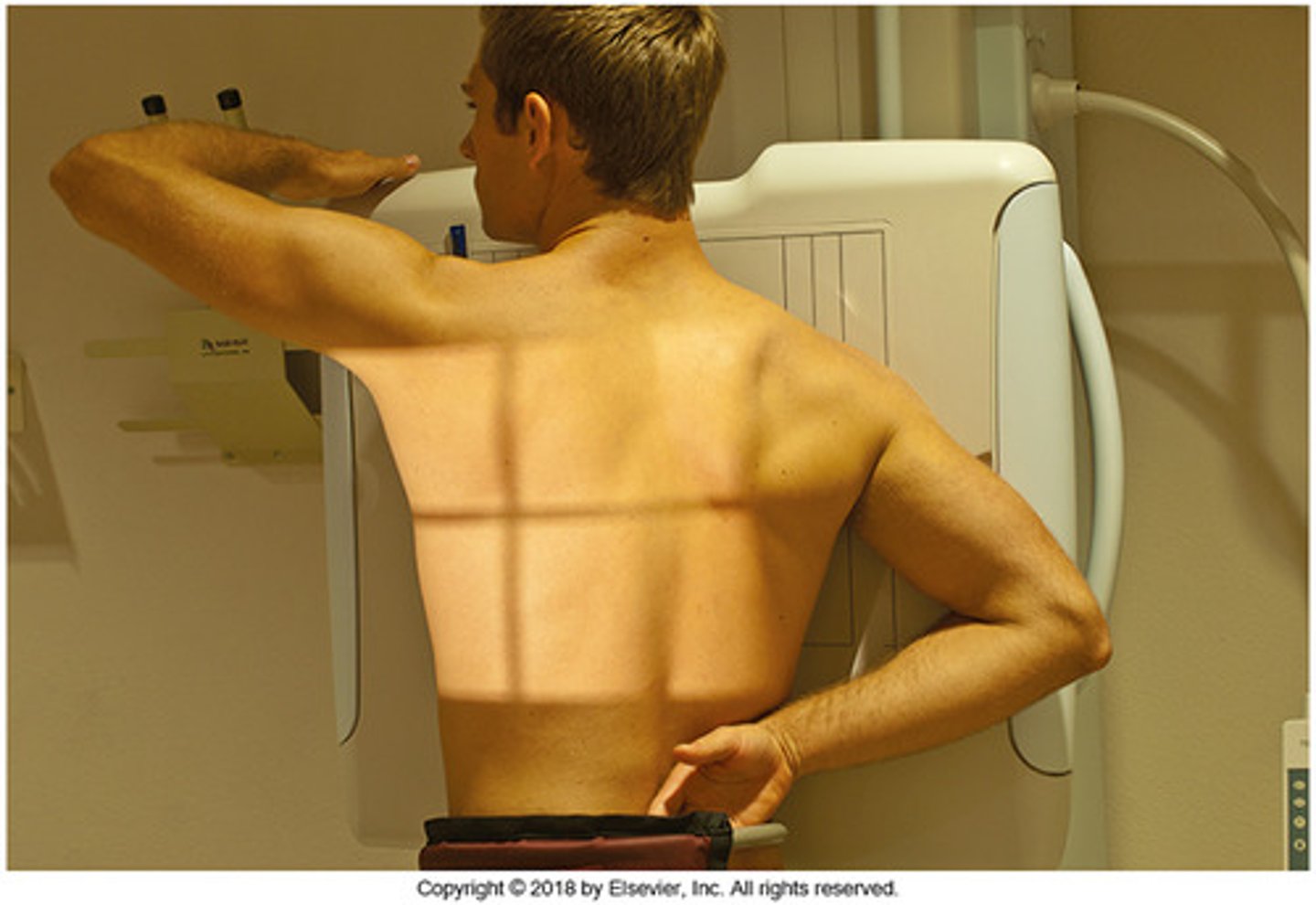
Recumbent RAO Position
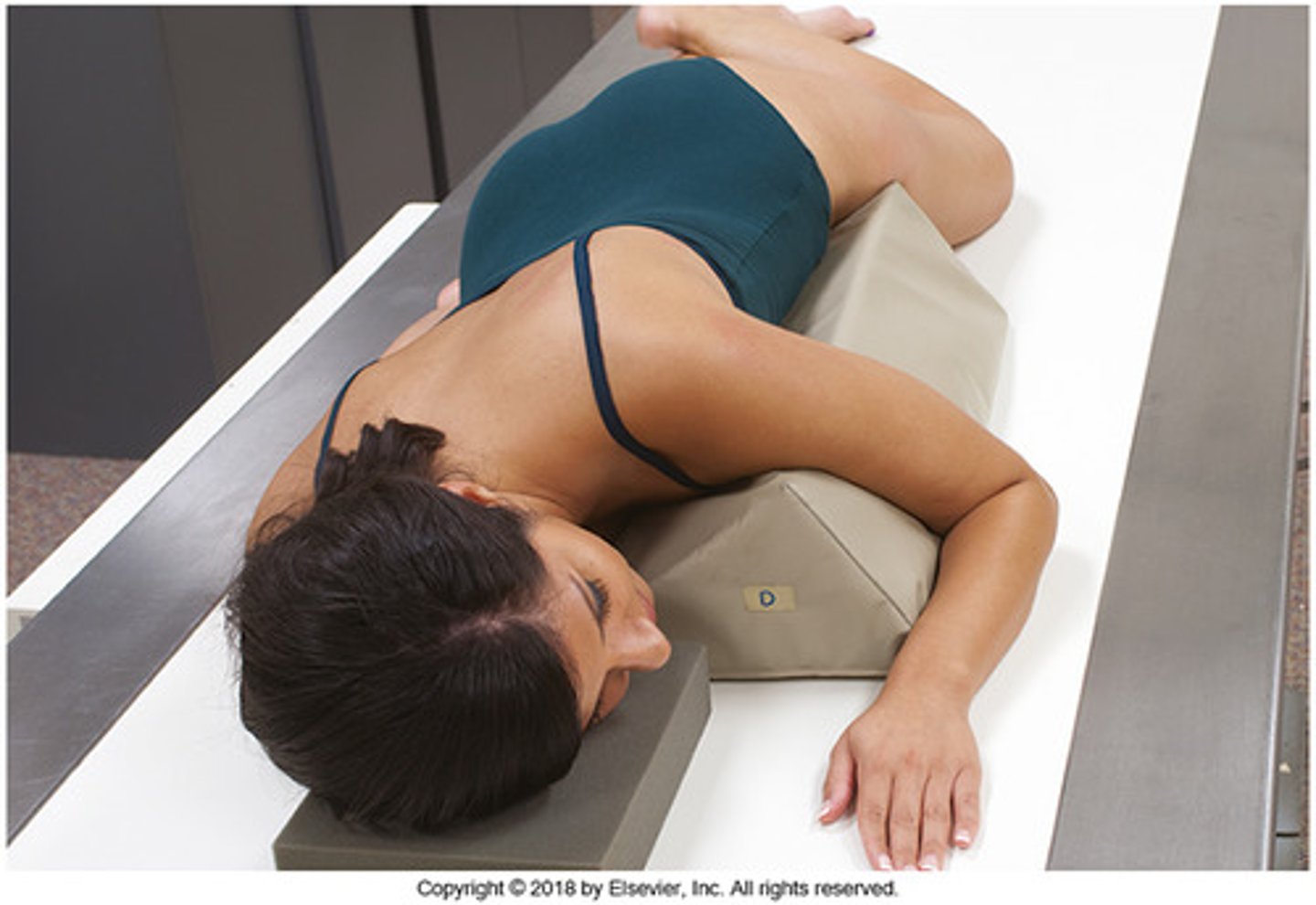
Recumbent L Lateral Position
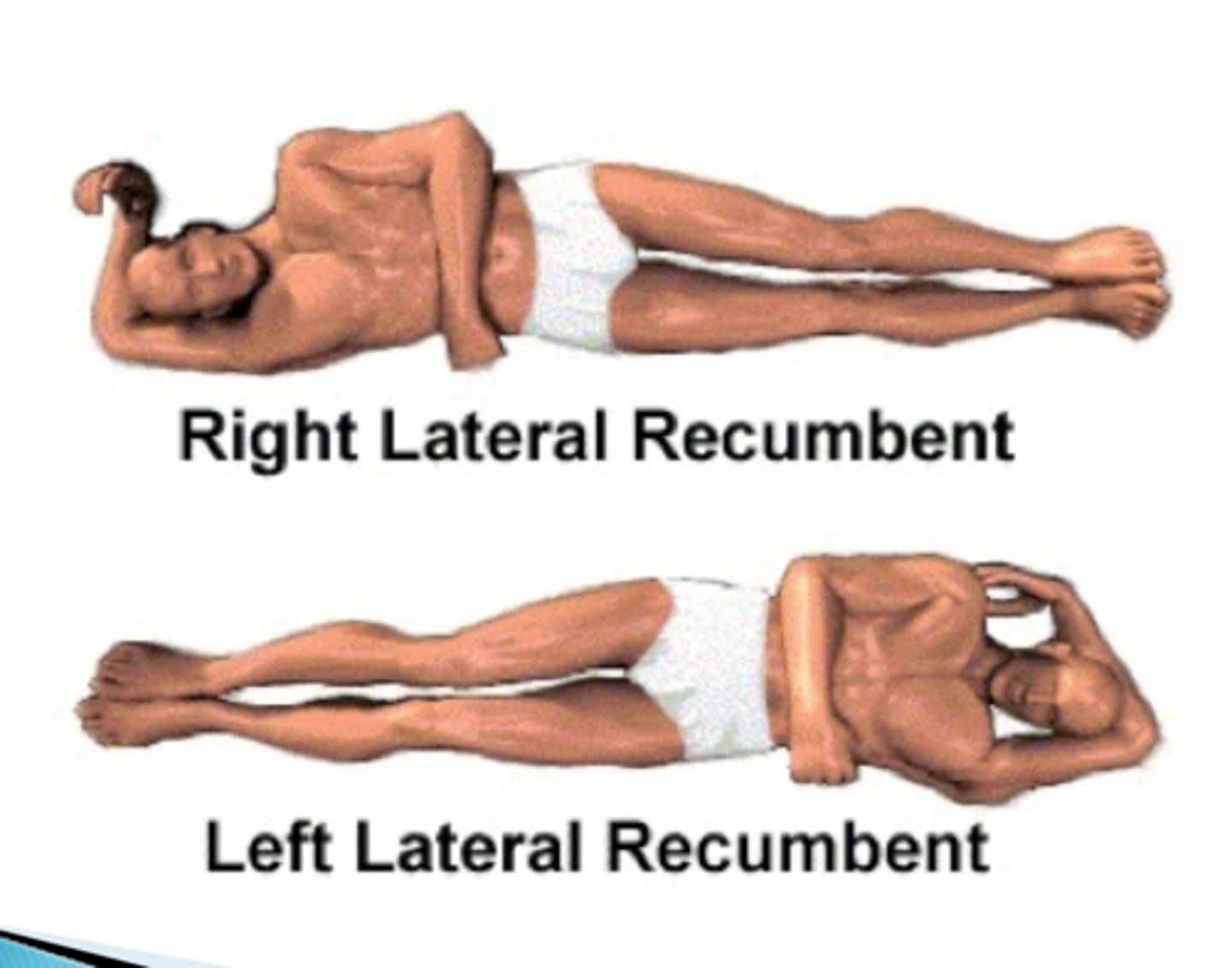
Erect R Lateral Position
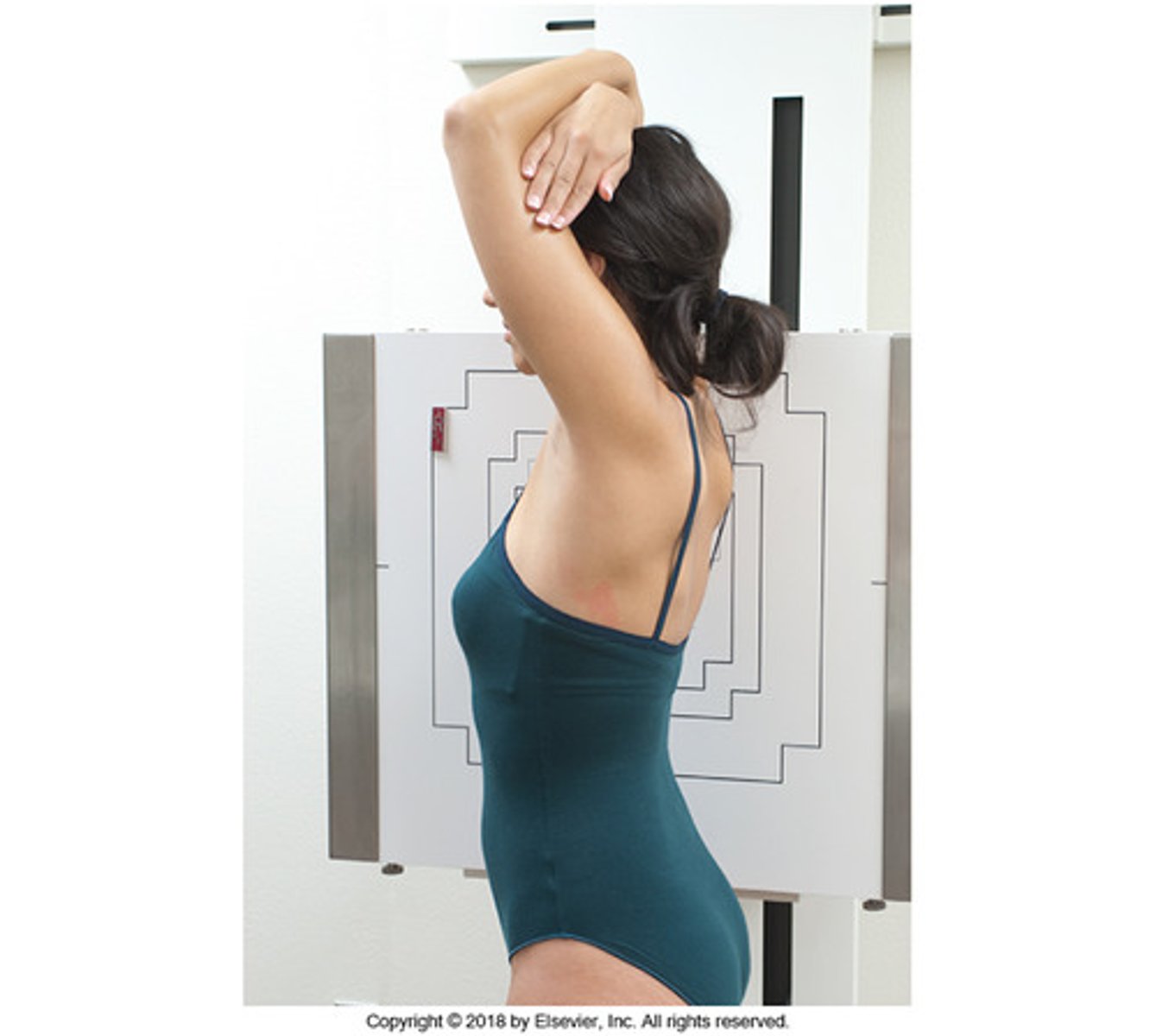
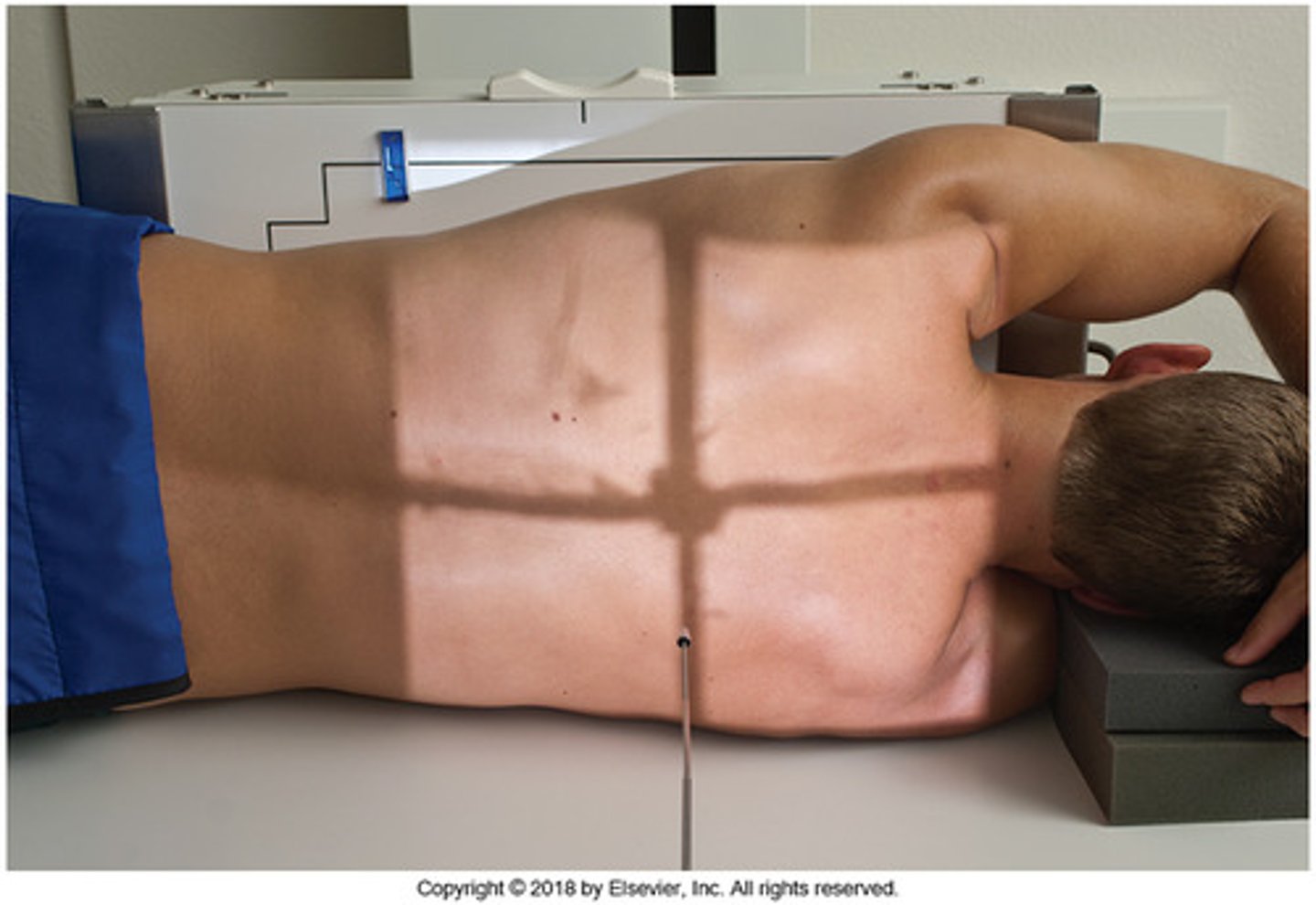
Right lateral decubitus Position
(PA Projection)
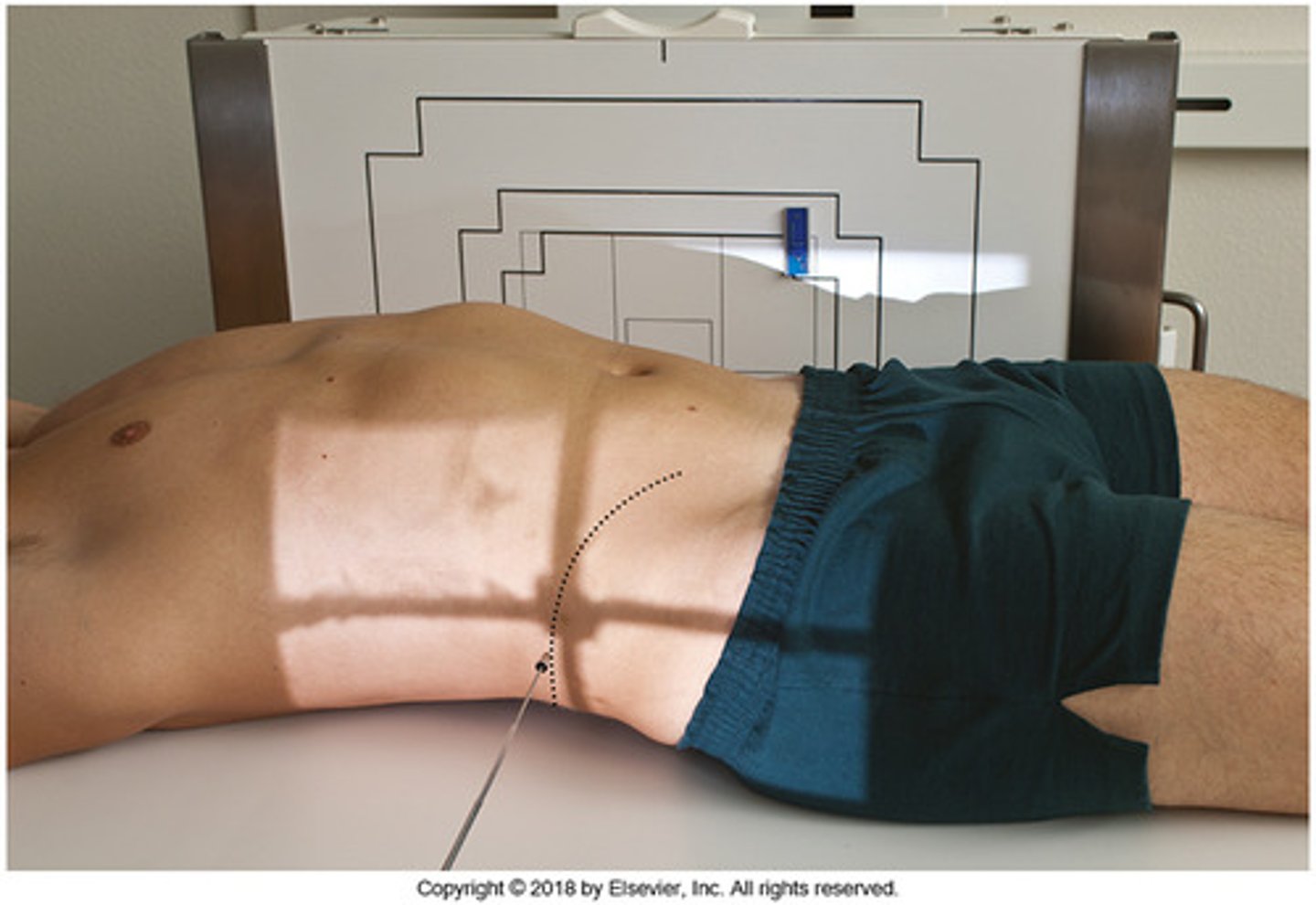
Dorsal decubitus position
(L Lateral projection)
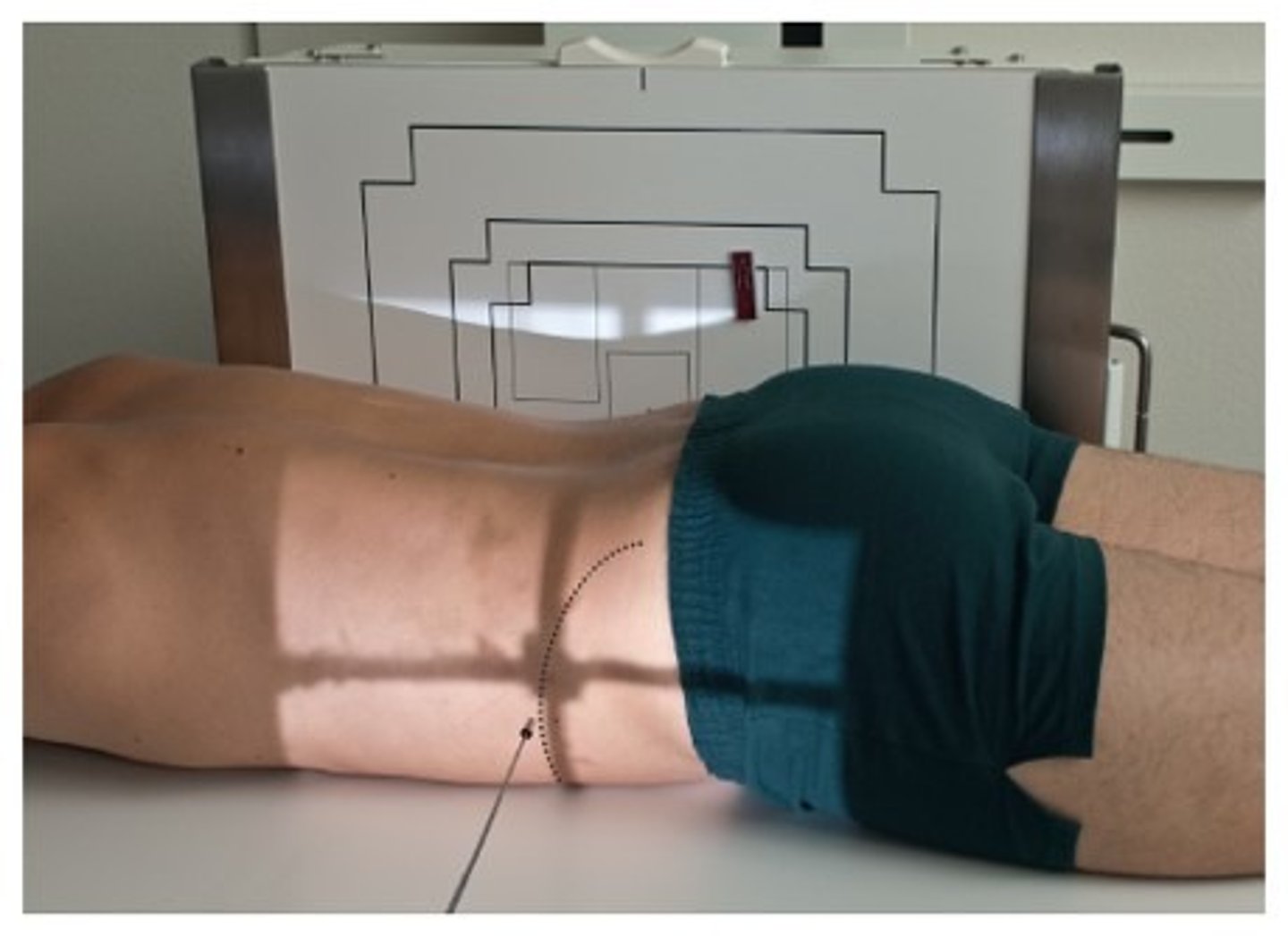
Left Lateral decubitus position
(AP Projection)
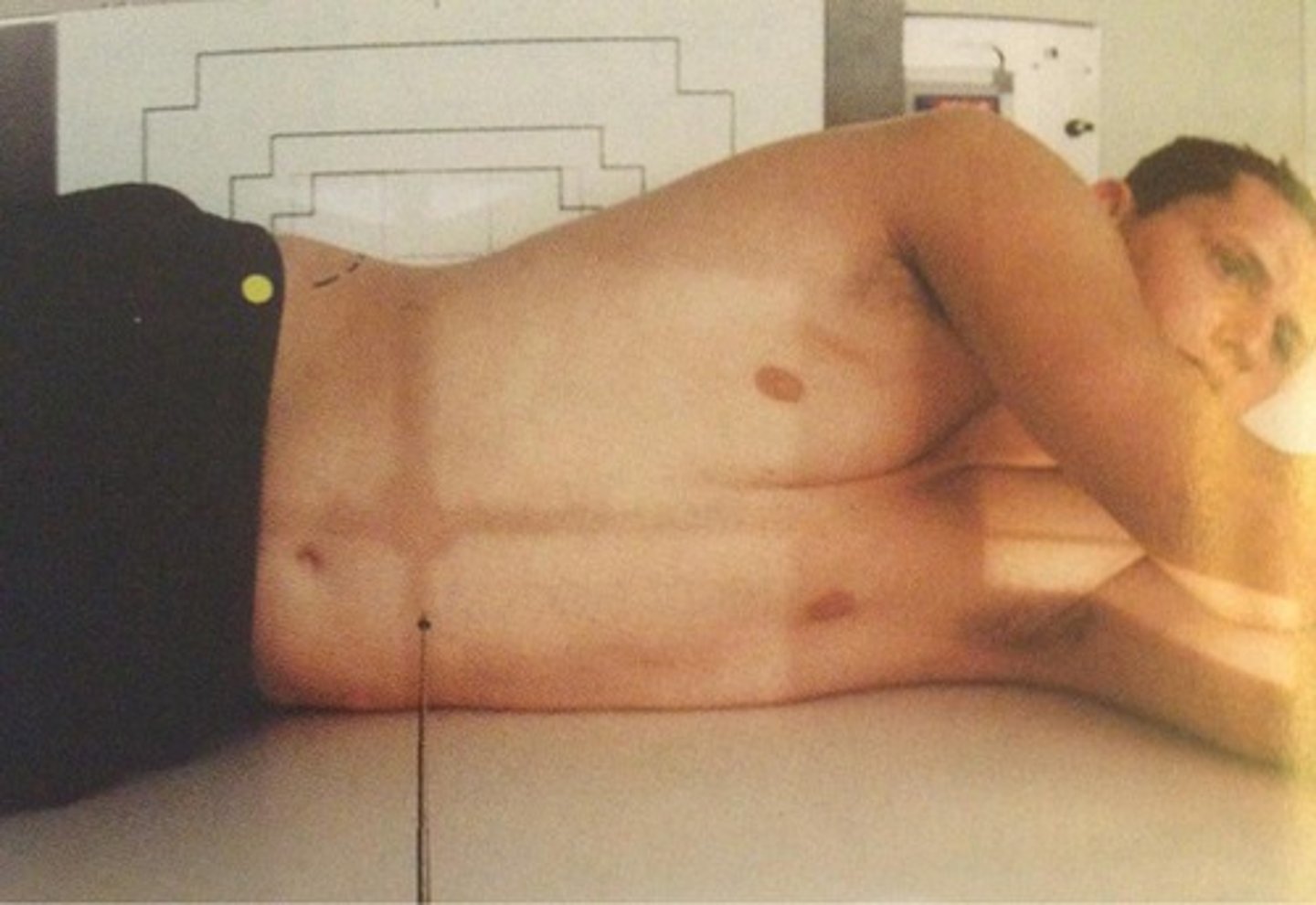
Ventral Decubitus Position
(R Lateral projection)
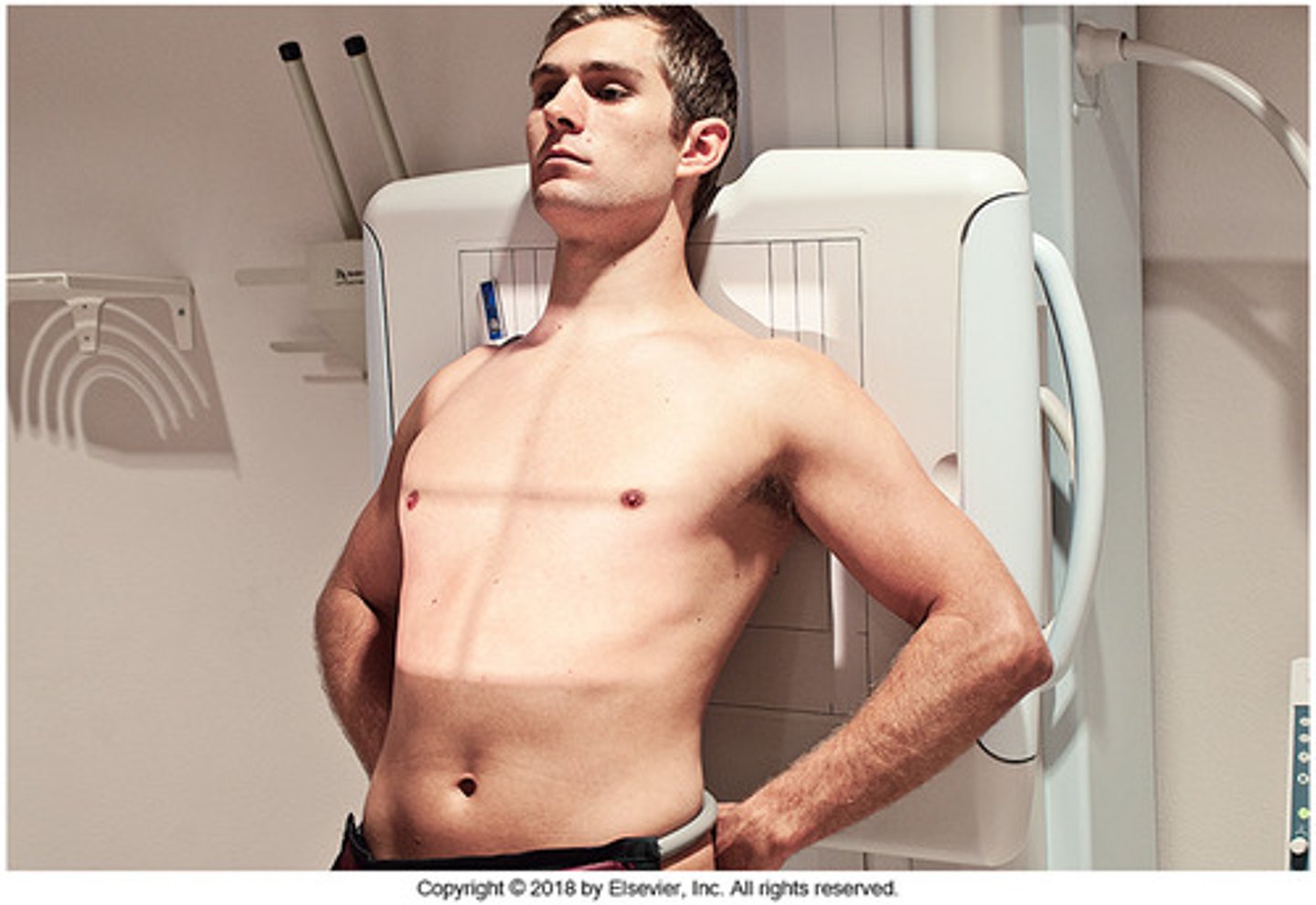
AP Lordotic Chest Position
comes from lordosis, a term that denotes curvature of the cervical and lumbar spine.
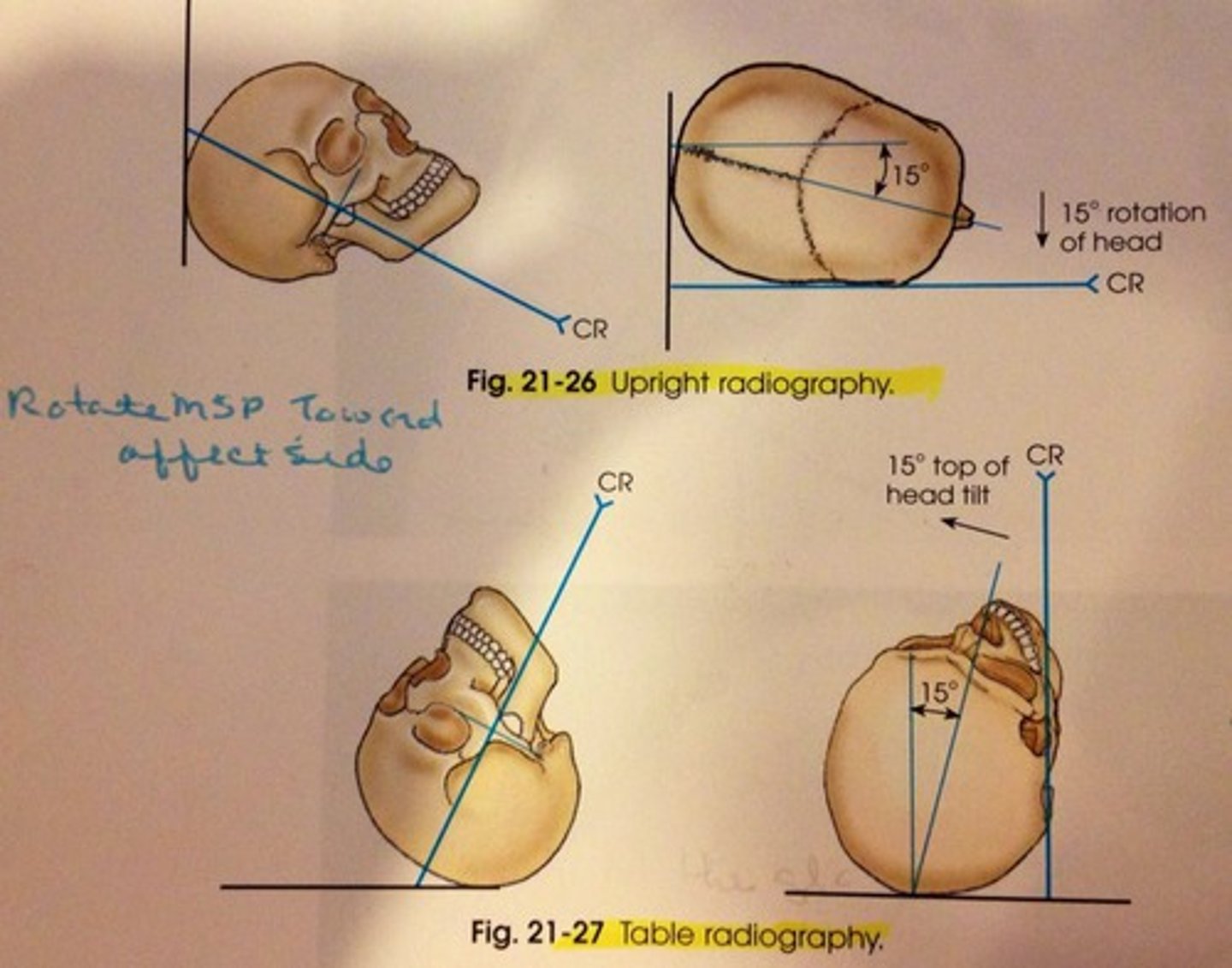
Tangential Projection
means touching a curve or surface at only one point. Describes the CR that skims a body part to project the anatomy into profile and free of superimposition of surrounding body structures.
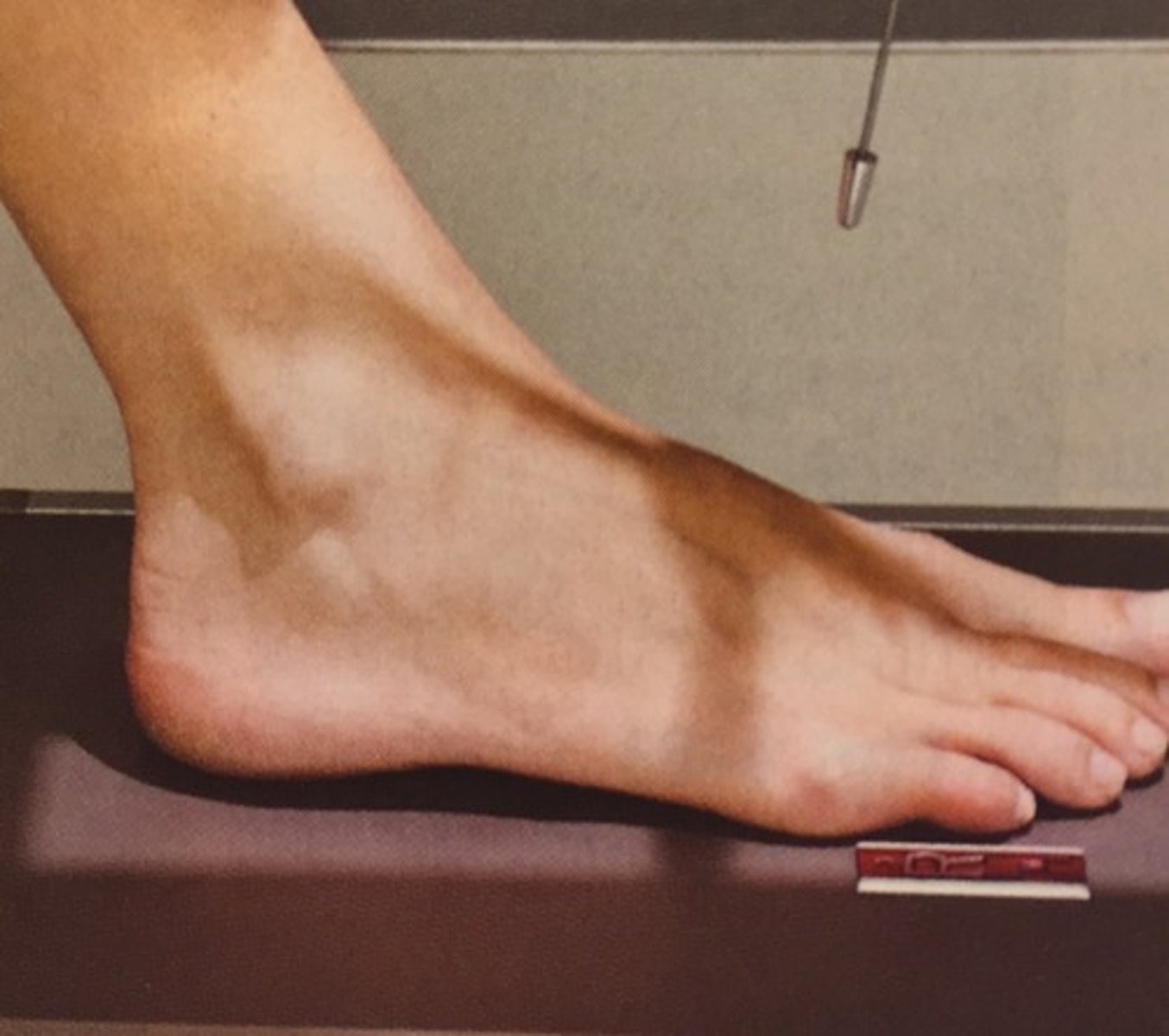
Dorsoplantar Projections
Describes the path of the CR from the dorsal (anterior) surface to the plantar (posterior) surface of the foot.
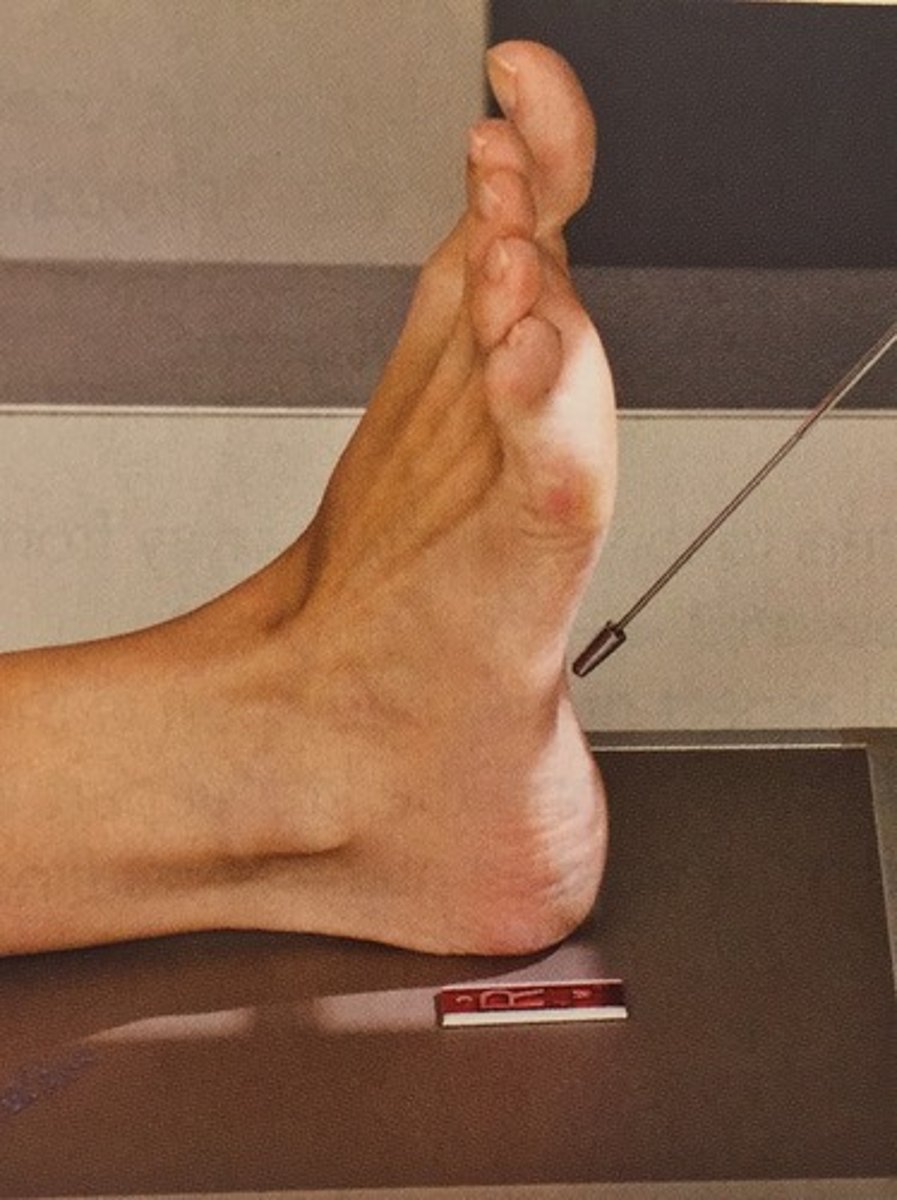
Plantodorsal Projections
A special plantodorsal projection of the heel bone (calcaneous) axial plantodorsal projection (PD) because the angled CR enters the plantar surface of the foot and exits the dorsal surface.
Decubitus
literally means to "lie down" or position assumed in "lying down" lie on a horizontal surface is designated according to the surface on which the body is resting