Pelvic Organ Prolaspe
 Call Kai
 Learn
Learn Practice Test
 Spaced Repetition
 Match
Match Flashcards
 Knowt Play
1/21

There's no tags or description
Looks like no tags are added yet.
Name | Mastery | Learn | Test | Matching | Spaced | Call with Kai |
|---|
No analytics yet
Send a link to your students to track their progress
22 Terms
Define POP
a form of ‘hernia’ involving the weakness of the support of the midline structures of the pelvis resulting in the herniation of these organs into the vagina.
Upper tier support of pelvic floor
What do they do?
• Endopelvic fascia
• Round ligaments
• Broad ligaments
Maintain uterine anteversion and anteflexion(tilted forward)
Middle tier supports
And what they prevent
Which is the strongest support
Pericervical ring consists of:
Pubocervical ligament: supports anterior vagina wall and bladder, damage causes cystocele or urethrocele
Cardinal ligament/transverse cervical Ligament: one of the strongest supports of the uterus: weakness caused by uterine prolapse
Uterosacral ligaments: weakness causes uterine prolapse and vaginal vault Prolaspe
rectovaginal septum: weakness causes rectocele
• Pelvic cellular tissues
Lower tier supports
Pelvic floor muscles : levator Ani
• Endopelvic fascia
Anatomical Risk factors
Anatomical
• Gravitational stress
• Anterior inclination of the pelvis
• Stress of parturition
• Pelvic floor weakness due to urogenital hiatus
• Inherent (genetic) weakness of the pelvic floor
Acquired & Congenital RFs for POP
Acquired
Trauma during vaginal delivery • Ligaments• Endopelvic fascia • Levator muscle• Perineal body • nerves
Congenital
• Connective tissue disorders – Marfan’s Syndrome, Ehlers-Danlos Syndrome. • Spina bifida
Aggravating factors for POP
•Postmenopausal Atrophy
• Advanced age
• Chronic increased intra-abdominal pressure • Weight lifting
• Obesity
• Smoking
• Aesthenia
• Large uterus
Types of vaginal Prolaspe (anterior and posterior)
Anterior
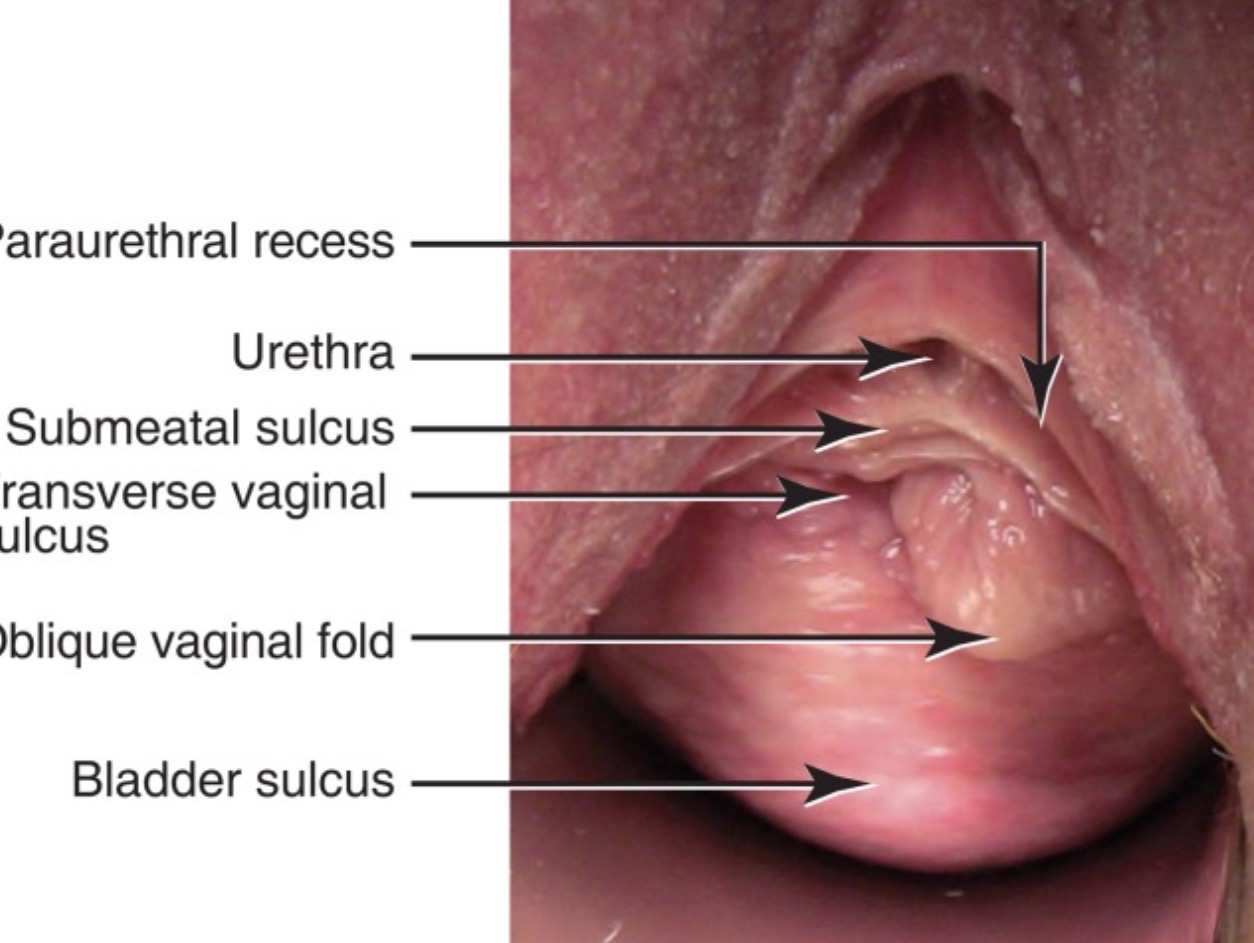
Urethrocele: prolaspe of urethra into anterior vaginal wall
Cystocele: prolaspe of bladder into anterior vaginal wall(pubocervical ligament)
Posterior
Rectocele: prolaspe of the rectum into the posterior vaginal wall(rectovaginal Ligament)
enterocele: herniation of small bowel int upper posterior vaginal wall
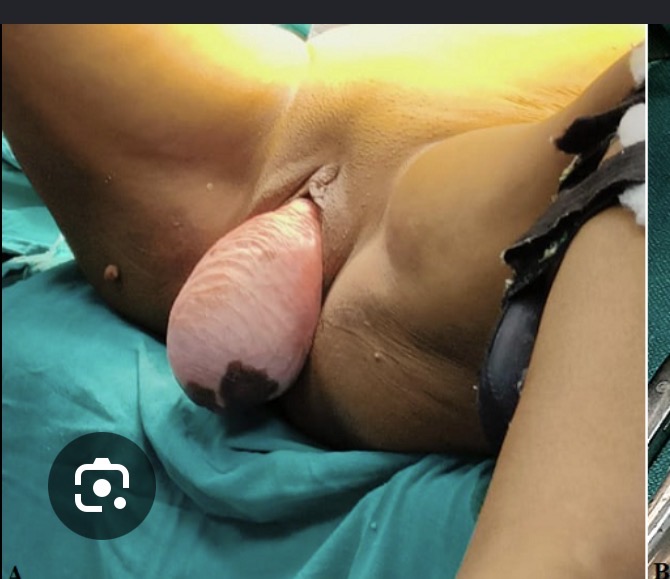
Classify Uterine Prolaspe using
Braden-Walker Halfway System
•Grade 0 – normal position
•Grade 1 – Descent halfway to the hymen
• Grade 2 – Descent to the hymen
• Grade 3 – Descent halfway past the hymen
• Grade 4 – Maximum Prolapse
Clinical features
• Feeling of something coming down from the vagina
• Back pain or dragging pain in the pelvis
• Excessive white or blood stained vaginal discharged
•Feeling of fullness in vagina
• Urinary symptoms – urgency, frequency, feeling of incomplete voiding, dysuria, stress incontinence, Urinary retention
• Bowel – constipation, difficulty in passing stool
Management modalities
• Preventive
• Conservative
• Surgery
Prevention of POP
• Adequate antenatal and intrapartum care
• Adequate postnatal care – early ambulation, pelvic exercises
• Family planning with restriction of parity
• Avoid heavy weight lifting, chronic cough, constipation
Indications for pessaries
•Early pregnancy
• Puerperium
• Patients unfit for surgery
• Unwillingness for surgery
• For improvement of urinary symptoms • Mild POP
Indications for pessaries
•Early pregnancy
• Puerperium
• Patients unfit for surgery
• Unwillingness for surgery
• For improvement of urinary symptoms • Mild POP
Image of rectocele
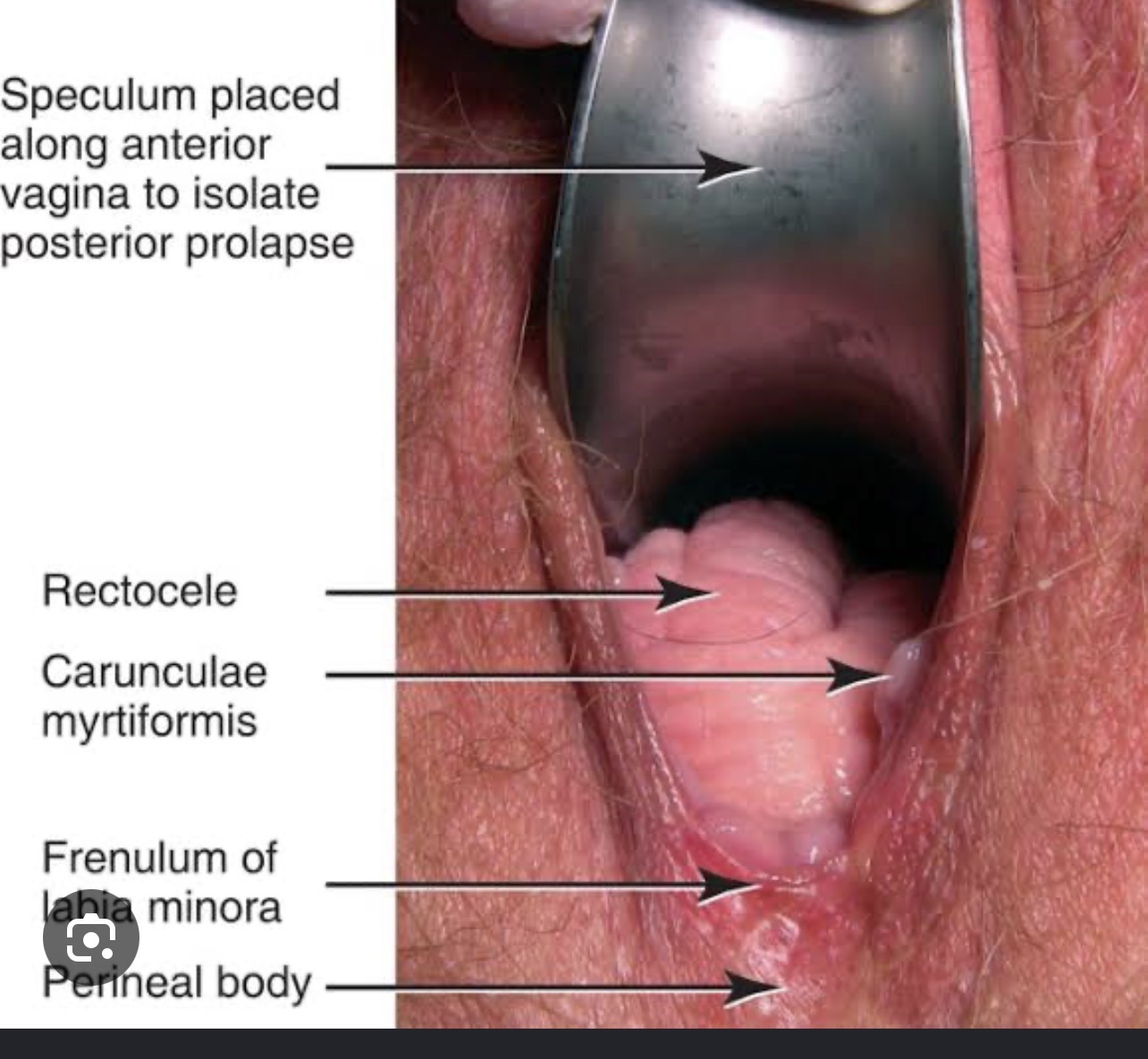
Image of urethrocele
Treatment for cytocele or urethrocele
And what happens in it
Anterior colporrhaphy
Dissection of anterior vagina wall to free it from the bladder
Repair of pubocervical fascia
Vaginal wall is reconstructed
Treatment of rectocele
Posterior colpoperineorrhaphy
Uterine preserving surgery for POP
Describe it
Fothergill’s operation or Manchester operation/Manchester repair)
It corrects prolapse by shortening and reattaching the supporting ligaments around the cervix and repairing associated vaginal wall defects using anterior colporrhaphy, posterior colpoperineorrhaphy.
Ideal operation for procidentia in postmenopausal women
Vaginal hysterectomy and pelvic floor repair
Other surgical operations
Colpocleisis: vaginal canal is closed/obliterated
Le Fort operation: partial colpocleisis
Sacrospinous Colpoplexy:This is a reconstructive procedure in which the vaginal apex (vault) or cervix is attached to the sacrospinous ligament to restore pelvic support
Uterine preserving surgeries
Manchester/Forthergills operation
Hysteropexy: suspends uterus w/o removing it