art history final art
 Call Kai
 Learn
Learn Practice Test
 Spaced Repetition
 Match
Match Flashcards
 Knowt Play
1/20

There's no tags or description
Looks like no tags are added yet.
Name | Mastery | Learn | Test | Matching | Spaced | Call with Kai |
|---|
No analytics yet
Send a link to your students to track their progress
21 Terms
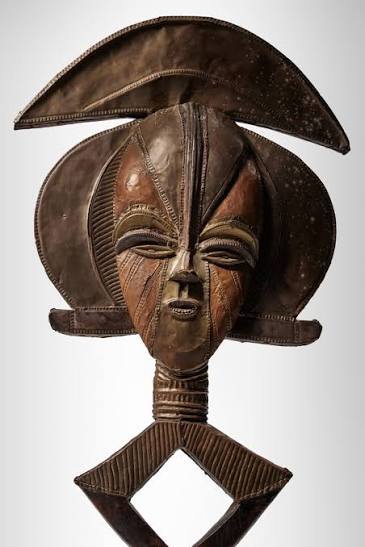
Reliquary guardian figure
Kota culture, bronze, late 19th c
Reliquary figure (mbulu ngulu)
A guardian (ancestral/spiritual figure) with highly abstracted and simplified forms that is still noticeably human
Connected the ancestral world to real world
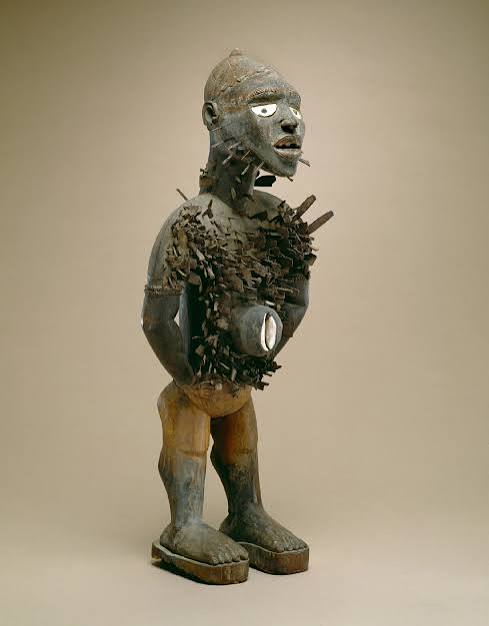
Nkisi n’kondi
Shiloango river area, congo, late 19th c
Humanoid shape made from wood
Activated spiritual powers by putting metal into it and rubbing oil on the shell
Used to settle disputes
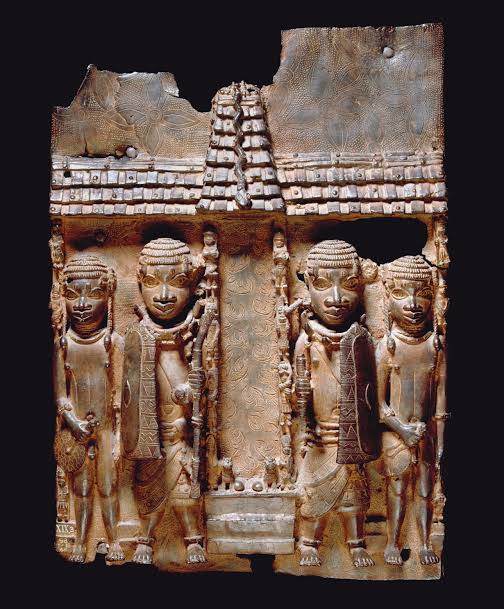
Four Pages before a Palace Compound
Part of Benin Bronzes, Benin city, Nigeria 16-17th c
Provenance, restitution, reparations
Used to decorate palace in Edo
The British stole it
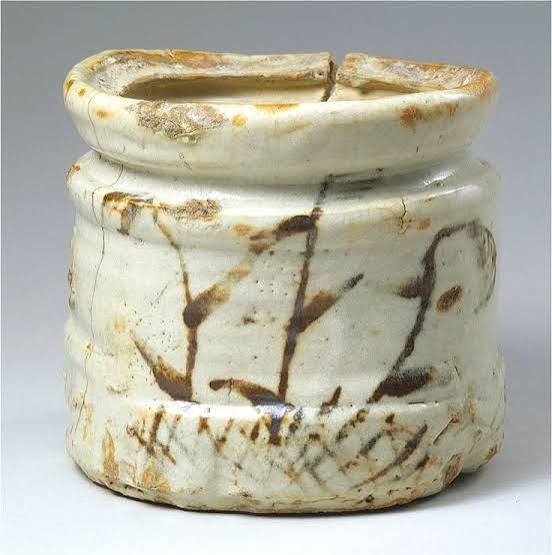
Kogan
Japan, late 16th c
Wabi sabi
A water jar with cracks and imperfections, glaze doesn’t stick in some places
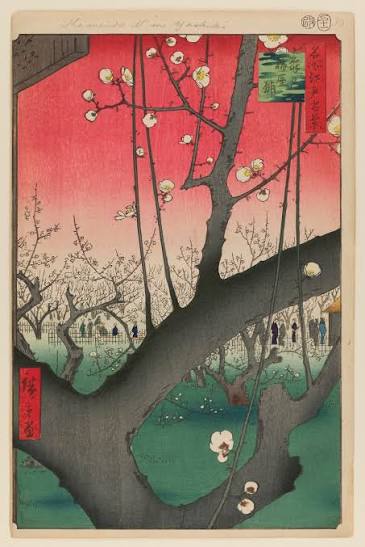
Plum Estate
Ando Hiroshige, Japan, mid 19th c
Block print, has areas of flat color and white gradient, diagonal composition, European uses this for inspo
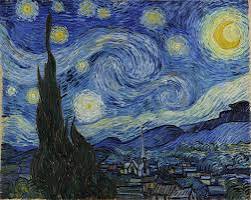
Starry Night
Vincent Van gogh, Dutch post-Impressionism
Liberation of color, textured, paint and brushstroke used to convey heightens emotional state
Gogh influenced by Japan
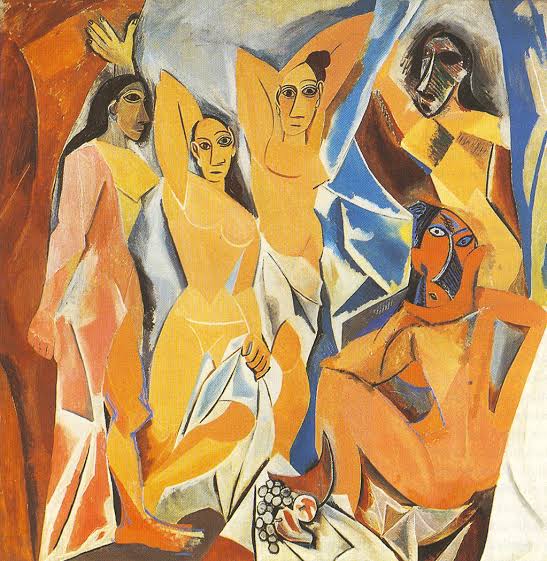
Les Demoiselles d’Avignon
Picasso, Spanish cubism, 20th c
Painting of prostitutes from brothel in Spain, abstracted and fragmented, multiple povs, inspired by African masks
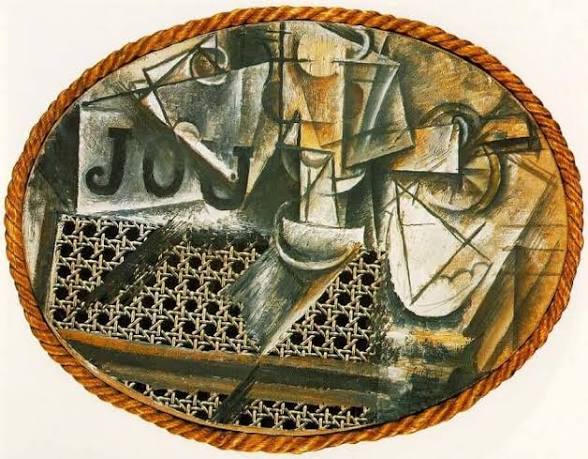
Still Life with Chair Caining
Picasso, collage, Spanish cubism, 20th c
Convey experience of sitting in Paris, witty, makes people imagine themselves in the moment, oval shape = table shape
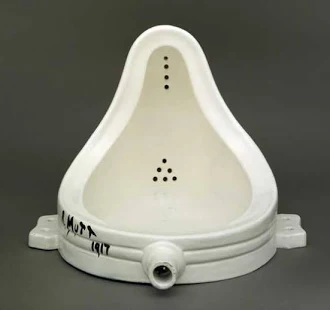
Fountain
Du Champ, American, early 20th c
Readymade, found object
Upside down urinal he signed, forces ppl out of comfort zone, made to get reaction, taking aggressive tone against viewers
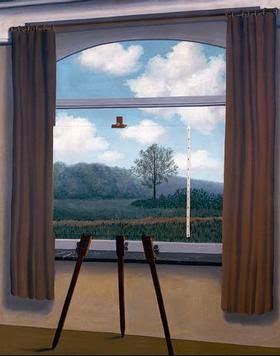
The Human Condition
Rene Magritte, Belgium surrealism, 20th century
Representation and perception, what is/is not real, illusion within and illusion
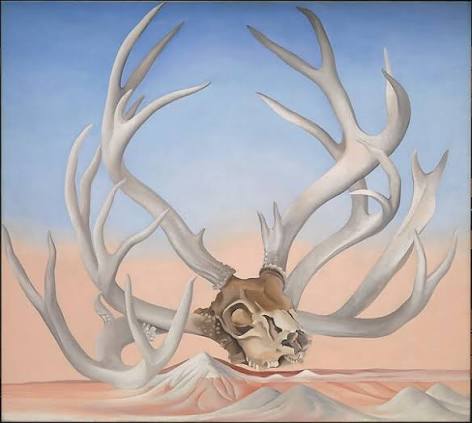
From the Faraway, Nearby
Georgia O’keeffe, American surrealism, 20th c
Found object, she moved away from New York so her art wouldn’t be influenced by everyone else and she could find her own style (moved to New Mexico)
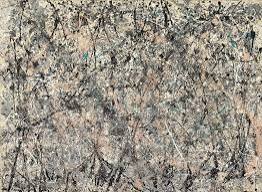
Lavender Mist
Pollock, American abstract expressionism, mid 20th c
Drip painting, all-over painting
Very big, powerful effect,
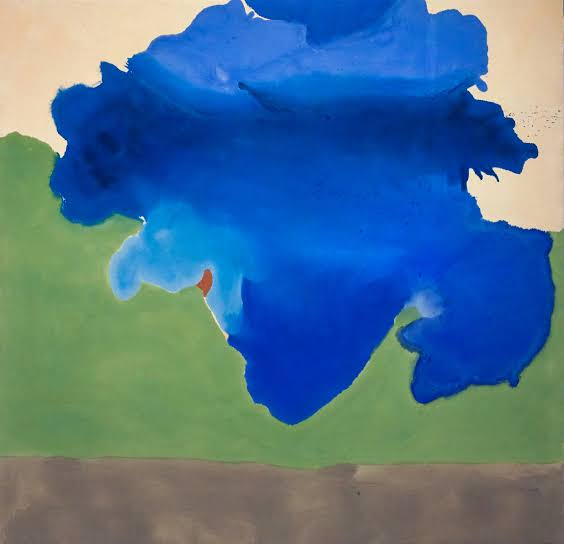
The Bay
Frankenthaler, American abstract expressionism, mid 20th c
Pours paint onto canvas and lets it go where it wants
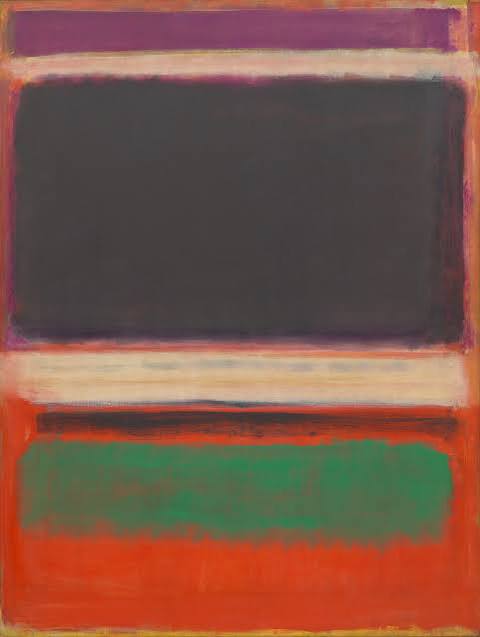
No. 3/No. 13
Rothko, american abstract expressionism, mid 20th c
Color field painting
Floating blocks of color, looks simple at first but has lots of layering to get certain color, emotionally charged, hallucinogenic affects
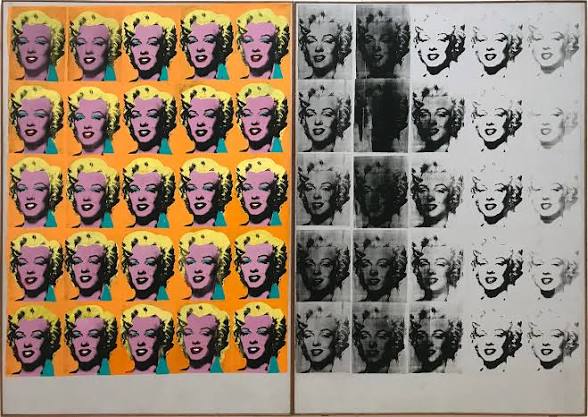
Marilyn Diptych
Warhol, American pop art, mid 20th c
Used silkscreening, smudging represents newspaper smudged colors, embraces mass-produced feeling, Monroe is americas version of a deity
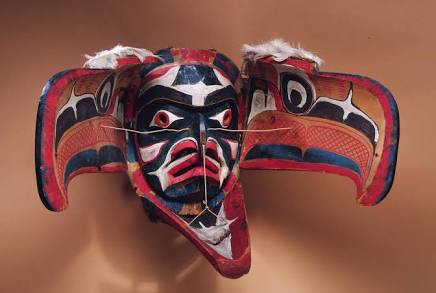
Transformation Mask
Kwakwaka’wakw culture, late 19th c
Used in ceremonial dances, outside based on wearer’s family
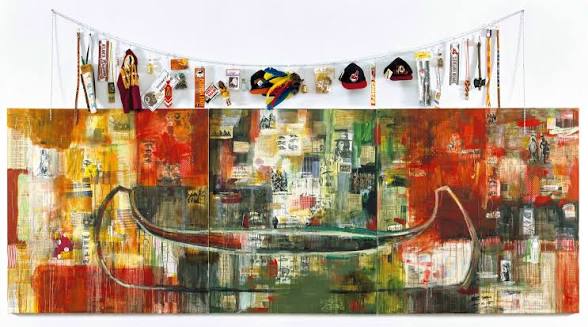
Trade
Jaune Quick-To-See Smith, Native American, late 20th c
Collage, slightly abstract, has images and newspapers about stereotypes of native Americans, showing native American stereotypes being commercialized
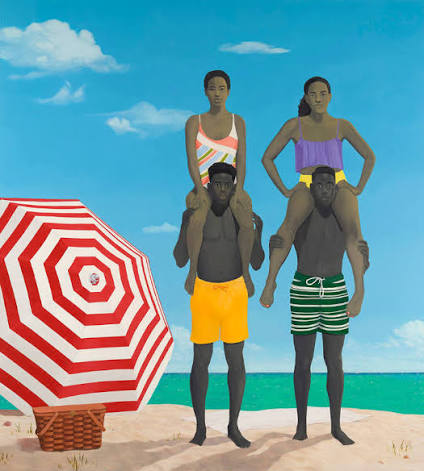
Precious Jewels by the Sea
Sherald, American, early 21st c,
2 black men holding two females on shoulders, evoking idea of black identity, uses gray and yellow for skin, flattening image
Beaches = historically segregated
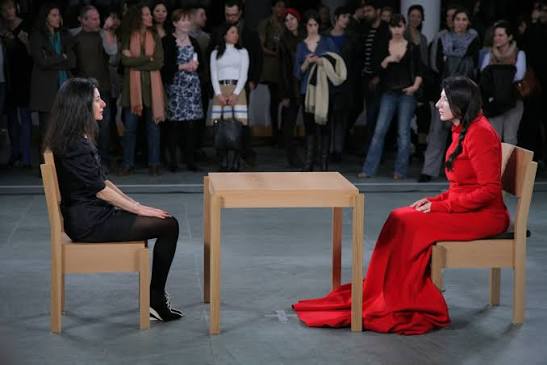
The Artist is Present
Marina Abramovic, American performance art, 21st c
Artist sat in chair and stares at whoever sits across from her for 10 minutes, gives power to viewer
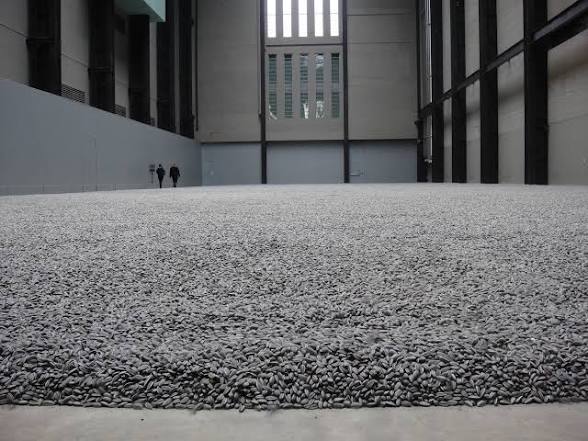
Sunflower Seeds
Ai WeiWei, Chinese, 21st c
100 mil handmade Porcelain sunflower seeds, criticize China, draw attention to west and Chinese connection, evokes vastness of China and seeds represent individuals (unindividualized)
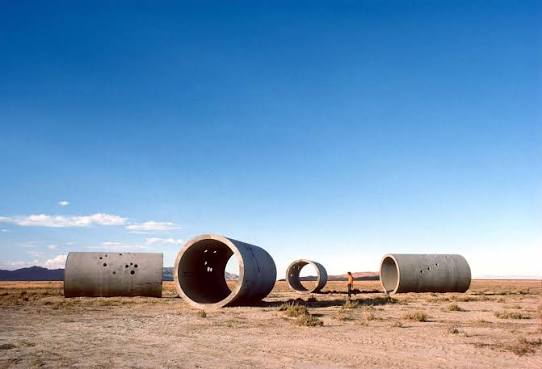
Sun Tunnels
Nancy Holt, American, environmental art, late 20th c
Concrete cylinders pointing in different directions, have holes in them pointing to different constellations, engage with nature in a new way