AP World History - Unit 7 Progress Check MCQ
 Call Kai
 Learn
Learn Practice Test
 Spaced Repetition
 Match
Match Flashcards
 Knowt Play
1/17

There's no tags or description
Looks like no tags are added yet.
Name | Mastery | Learn | Test | Matching | Spaced | Call with Kai |
|---|
No analytics yet
Send a link to your students to track their progress
18 Terms
Which of the following contributed significantly to the decline of both the Qing and the Ottoman Empires?
Internal conflict with ethnic and religious minorities
3 multiple choice options
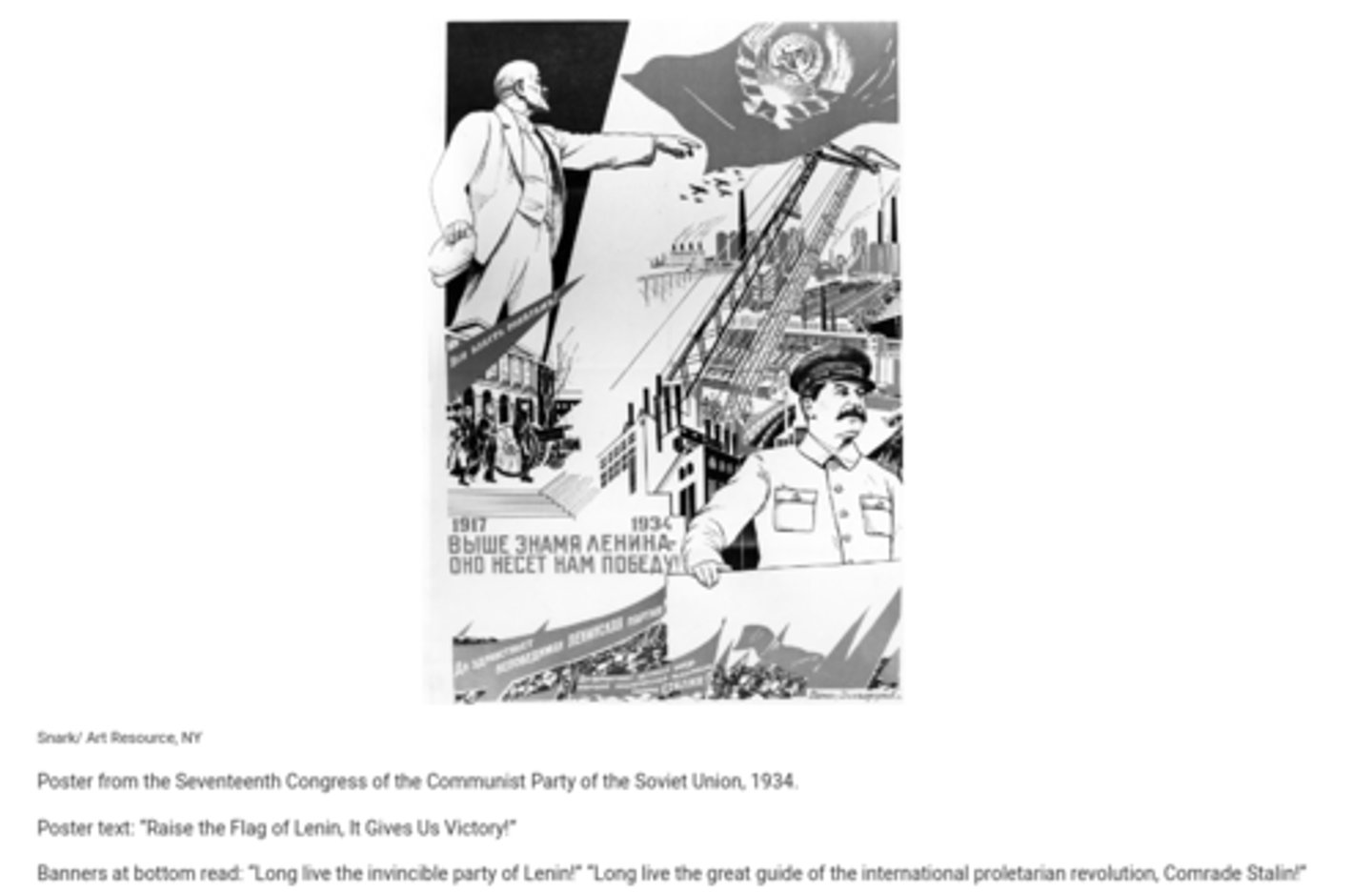
Which of the following directly enabled the establishment of the government that produced the poster?
The collapse of the Russian Empire under the stress of the First World War
3 multiple choice options
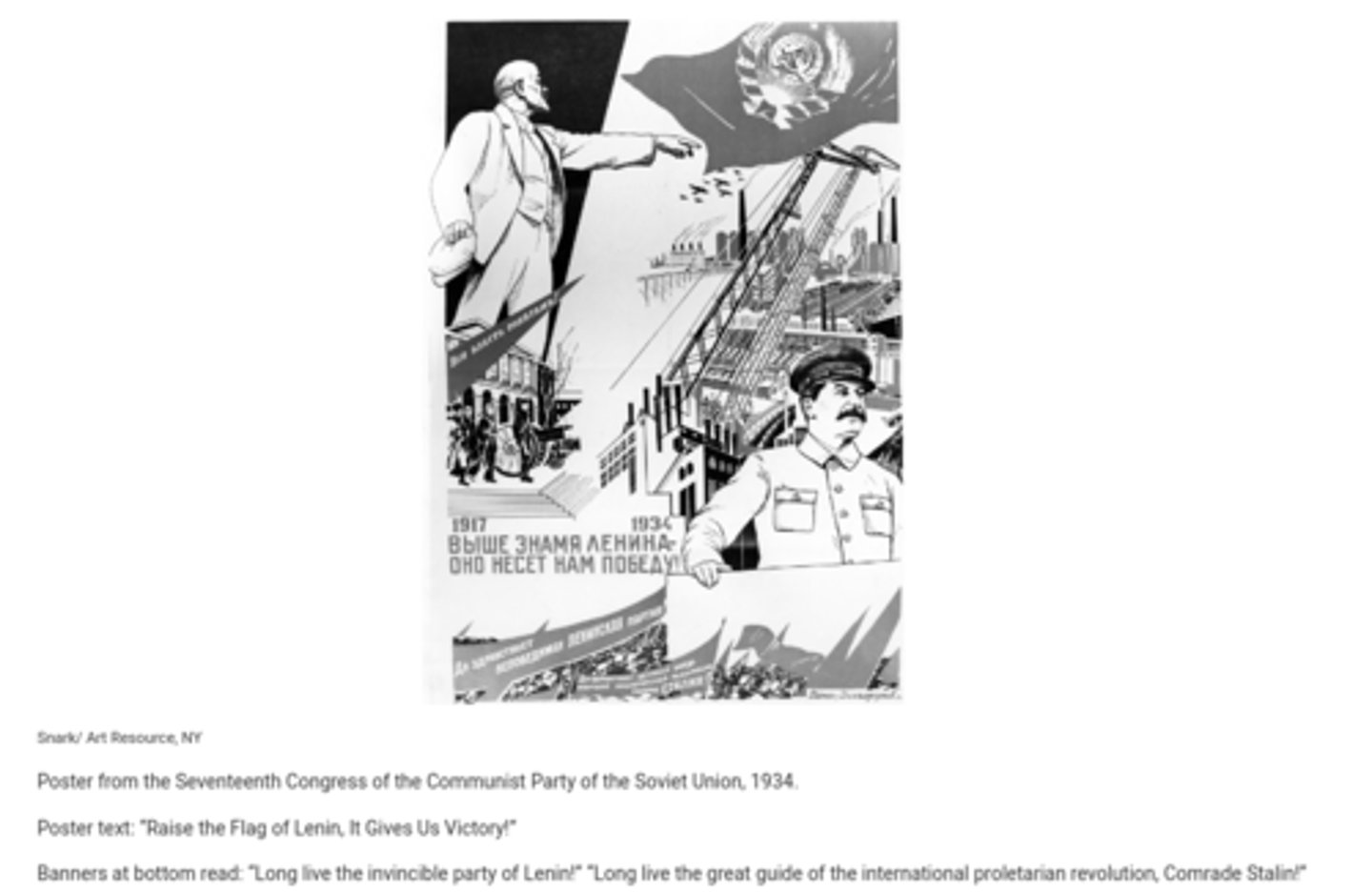
The ideology reflected in the poster was most directly the result of which of the following developments in the nineteenth century?
Growing discontent with traditional forms of government led to the development of new political ideas
3 multiple choice options
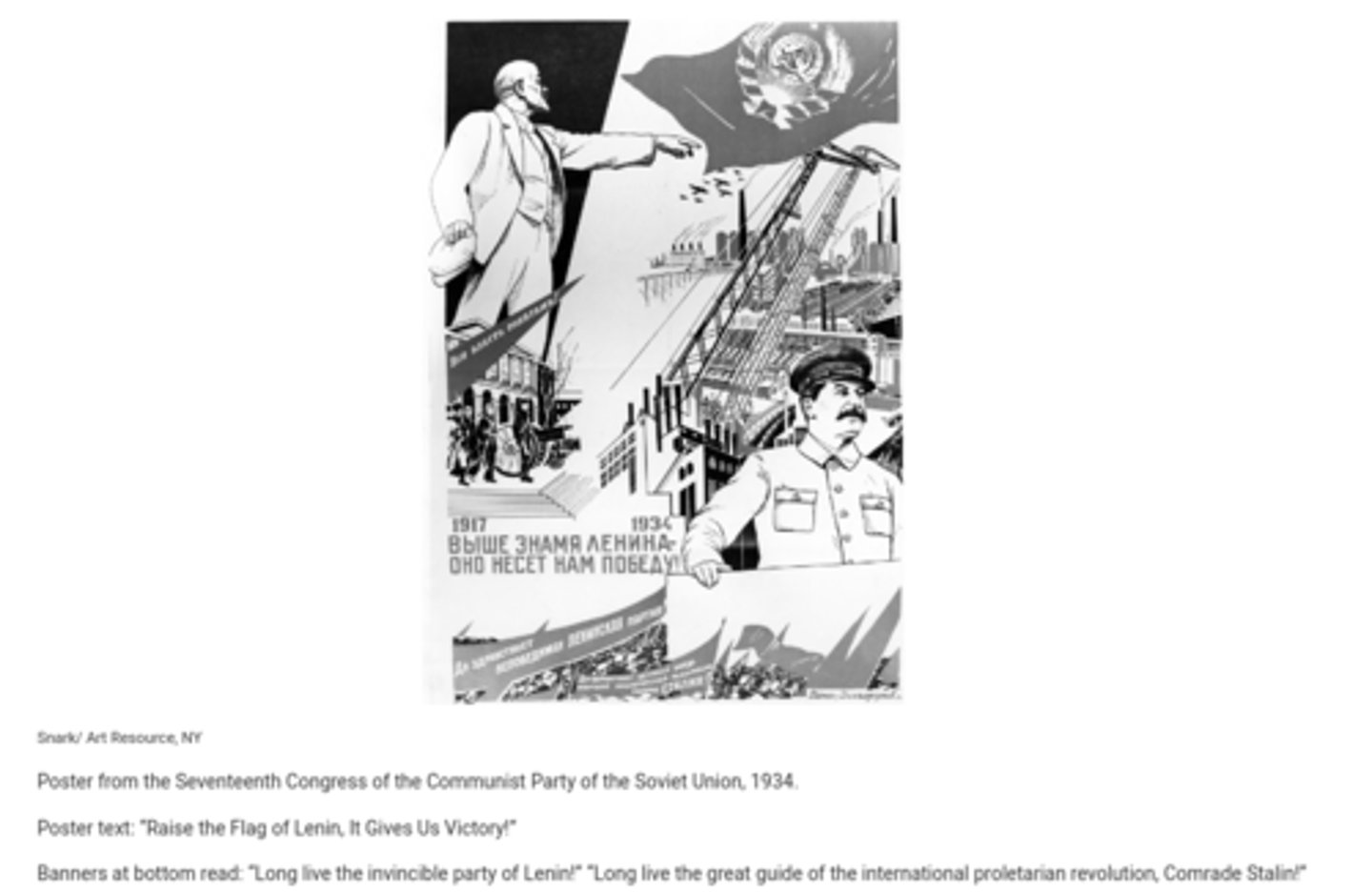
Which of the following best describes the likely intent of the poster?
To build support for centrally directed economic policies and participation in international trade agreements
3 multiple choice options
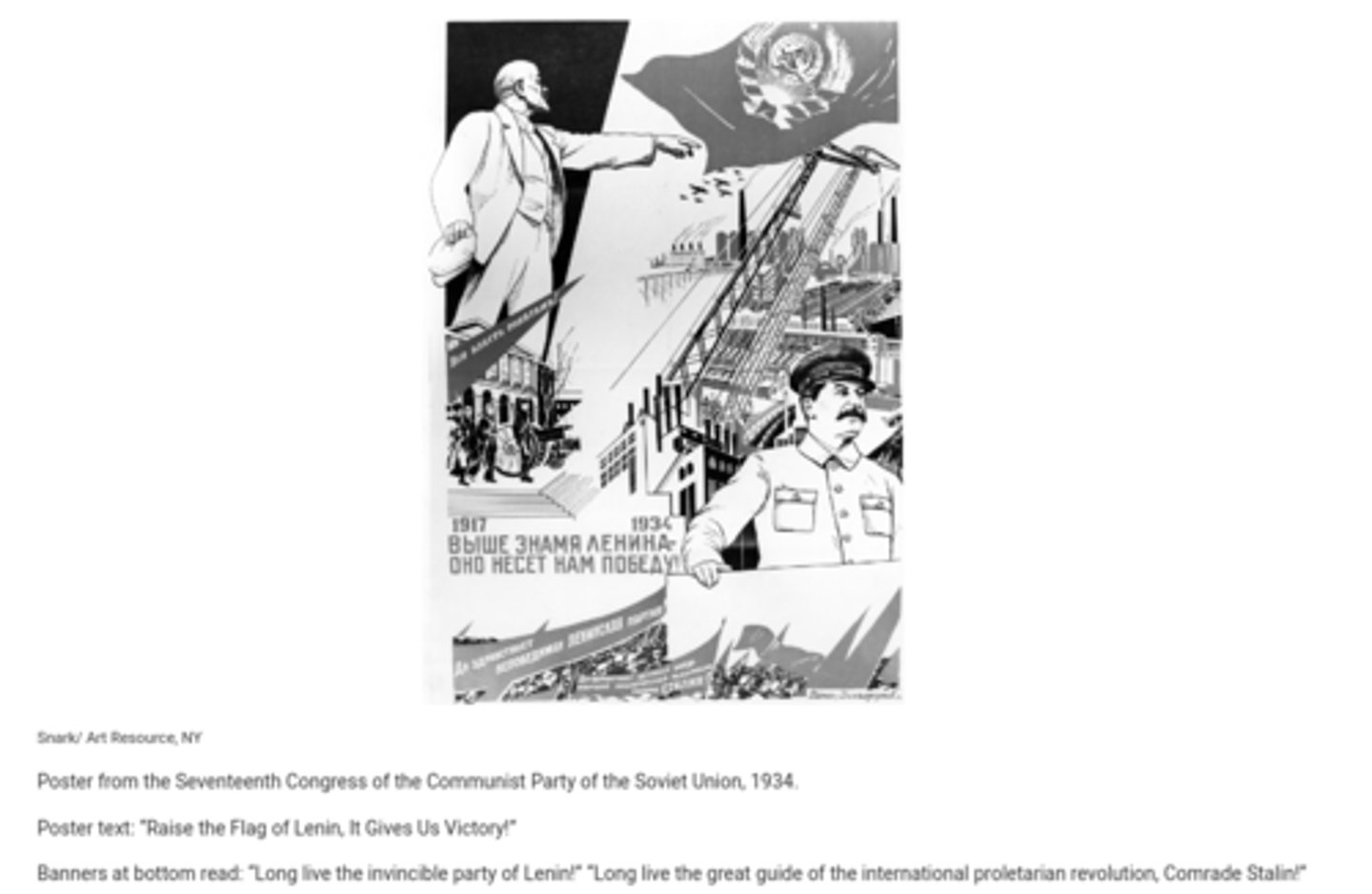
Artworks of the type shown in the image were used for all of the following EXCEPT to
mobilize the Soviet population in support of the policy of "total war" during the Second World War
3 multiple choice options
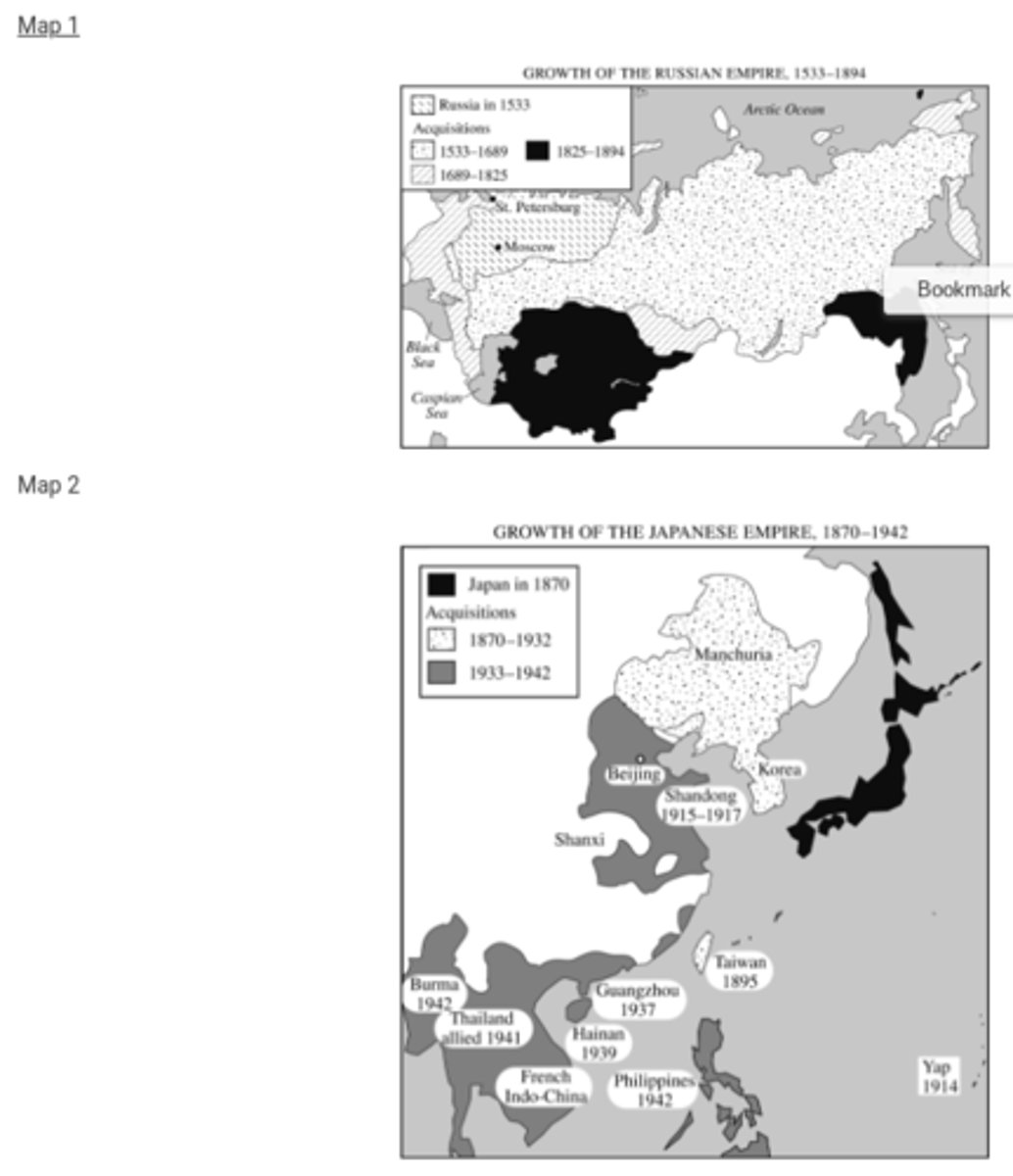
The primary rationale for Japan's territorial acquisitions in Southeast Asia during the period 1933-1942, as reflected in Map 2, was most similar to the primary rationale for which of the following?
The British East India Company's takeover of other European states' colonial possessions in India
3 multiple choice options
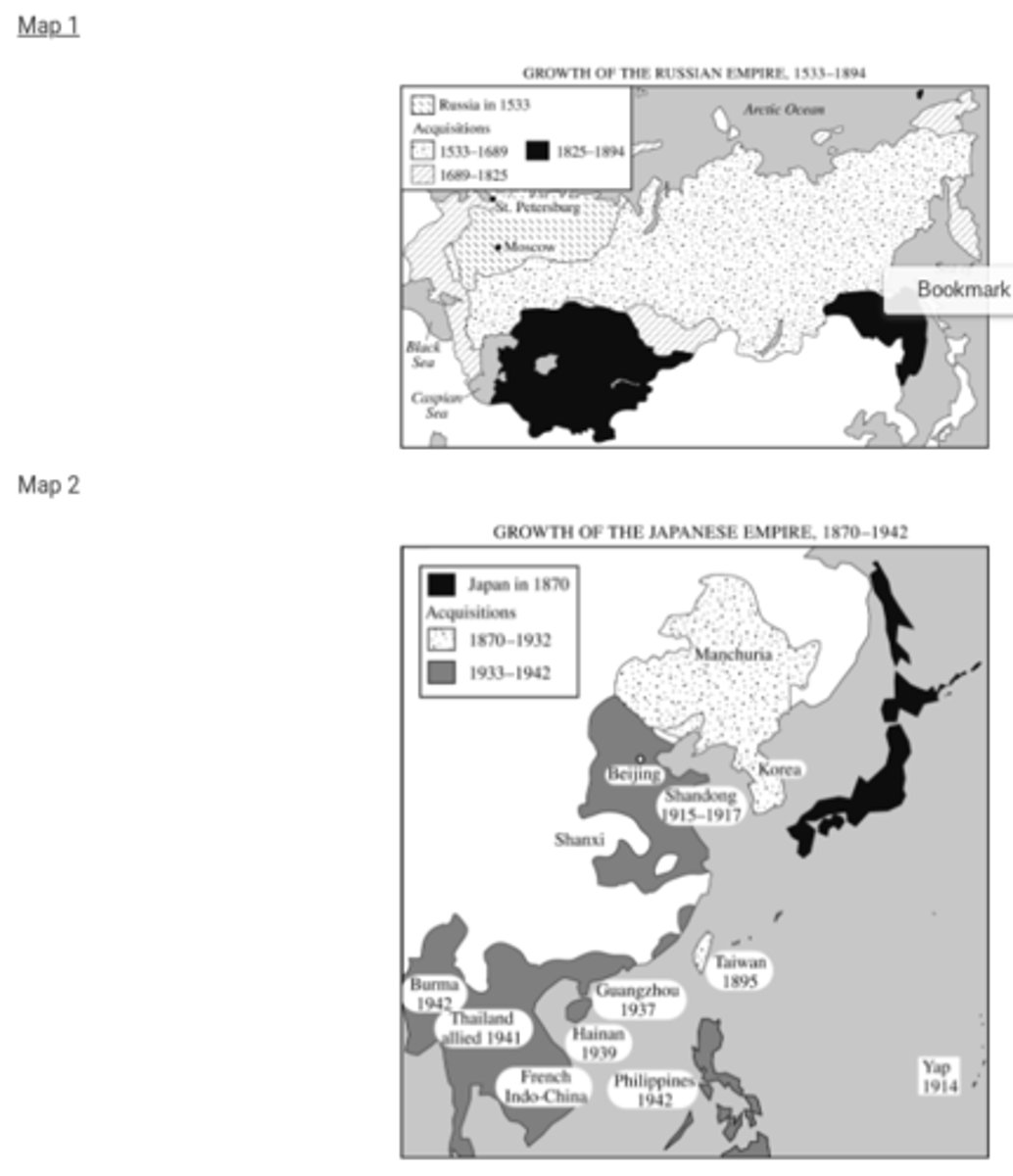
Which of the following empires in the period 1450-1750 engaged in a type of territorial expansion most similar to that depicted in Map 1?
The Mughal Empire
3 multiple choice options
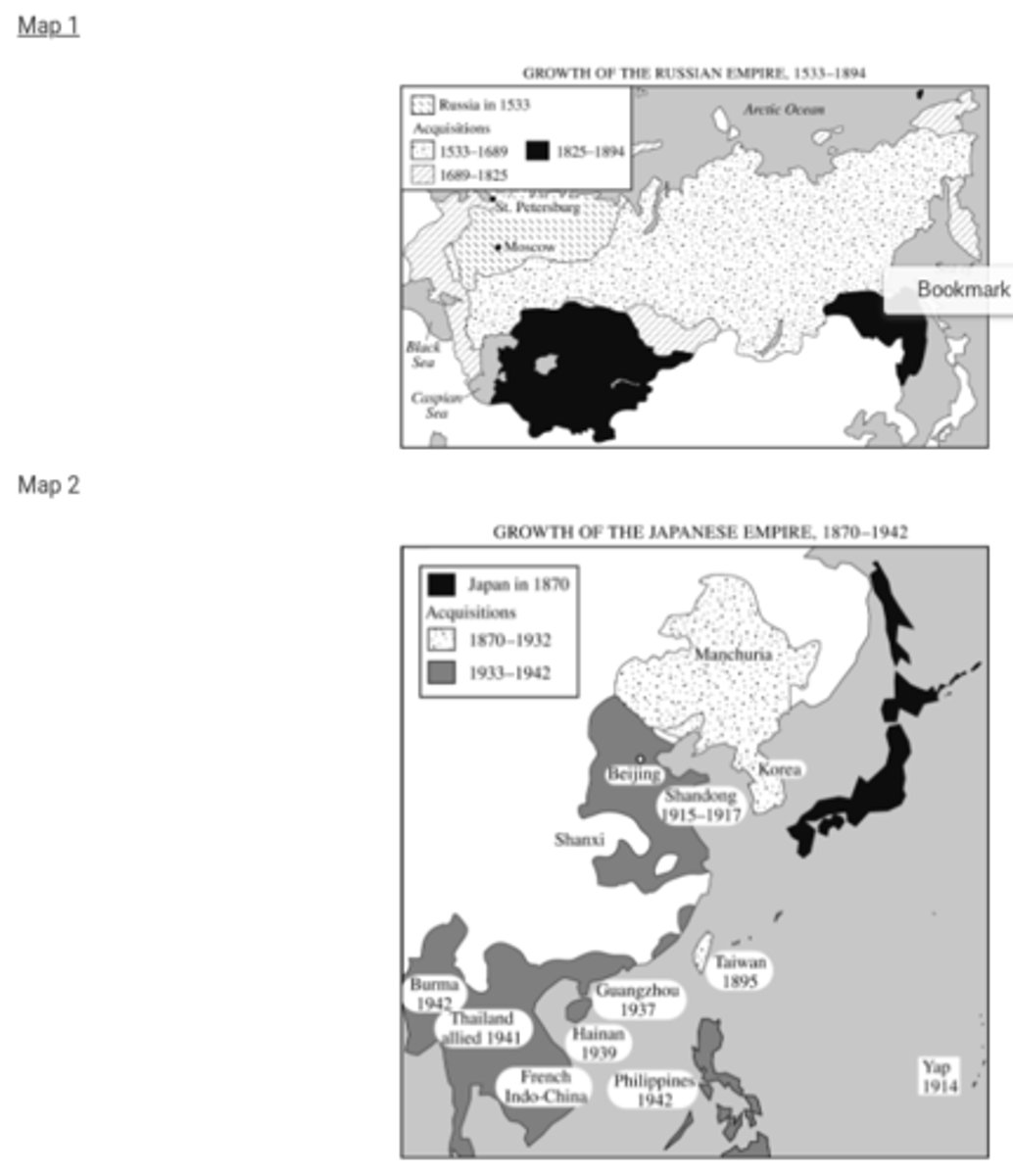
During the nineteenth century, which of the following engaged in a territorial expansion most similar to the one depicted in Map 1?
The United States
3 multiple choice options
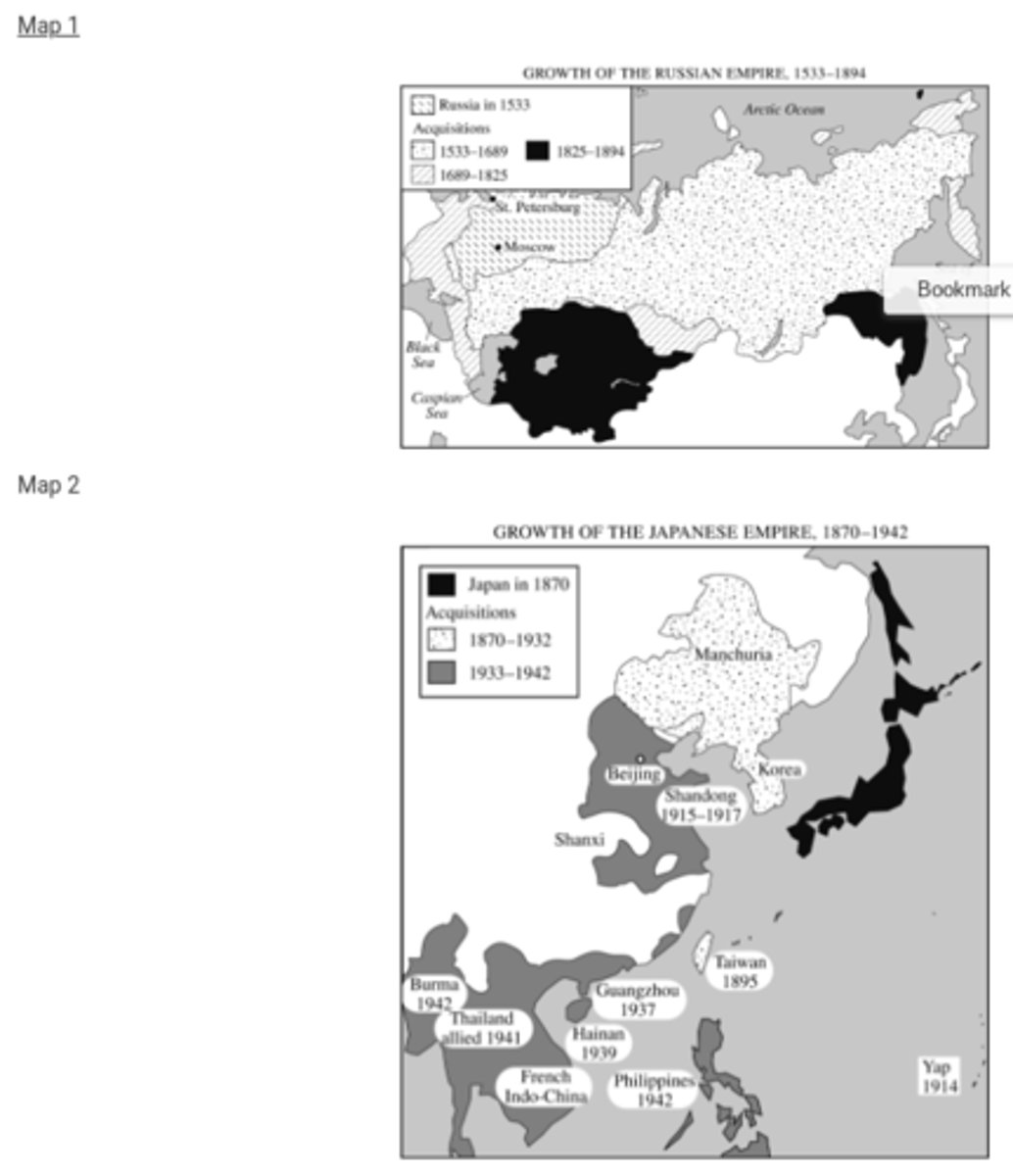
The developments in Map 2 most directly emerged from which of the following developments in the late nineteenth and early twentieth centuries?
Government-sponsored industrialization as part of the Meiji reforms
3 multiple choice options
Which of the following was a major long-term effect of the global economic depression of the 1930's
Governments began to take a more active role in their economies
3 multiple choice options
In addition to the potential destabilization of the Ottoman Empire, Giolitti's argument in Source 2 regarding Italy's ambitions in Libya is likely explained by the concern that any attempt by a European state to acquire colonies in Africa could
dangerously intensify rivalries between European states' seeking to acquire territories and resources
3 multiple choice options
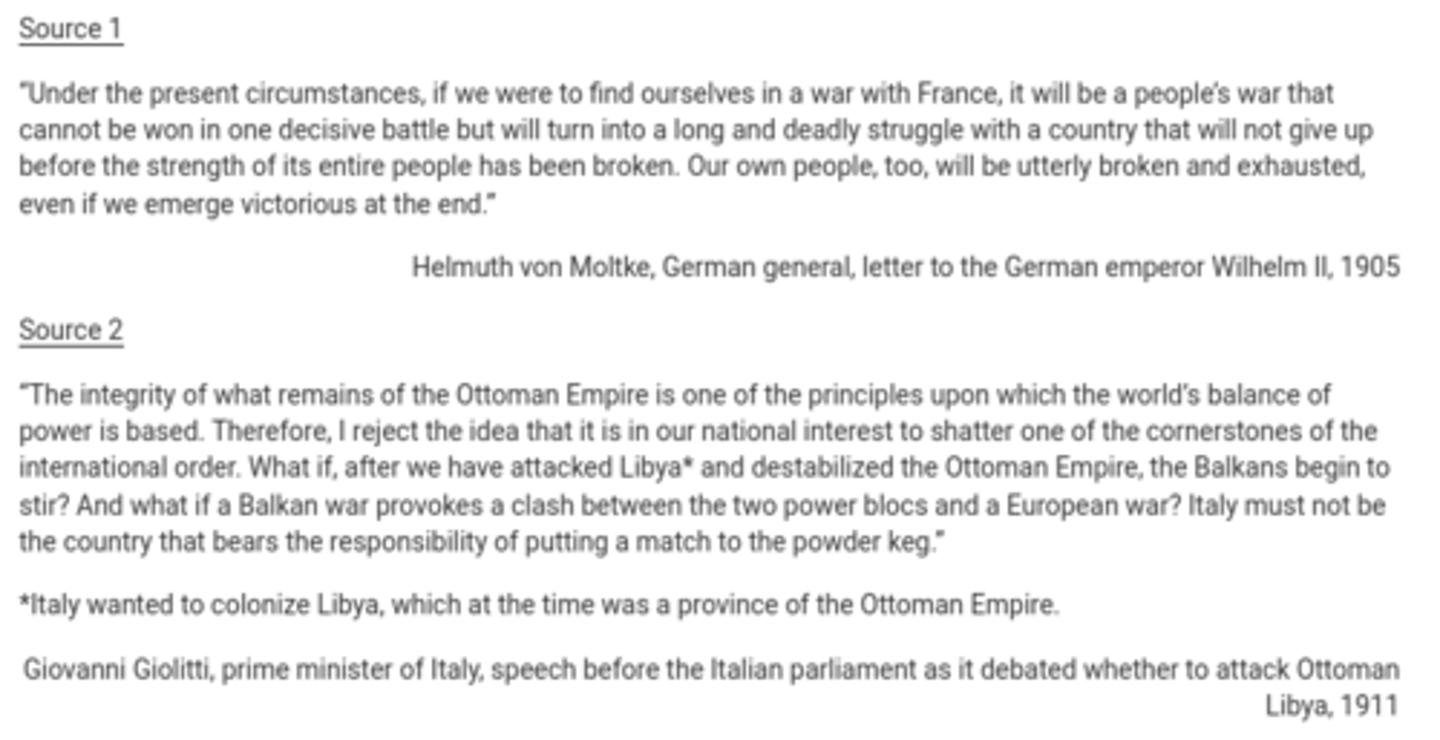
Moltke's prediction in Source 1 about the consequences of a potential war between Germany and France is most directly explained by the fact that
previous conflicts had stirred intense nationalism in France and Germany
3 multiple choice options
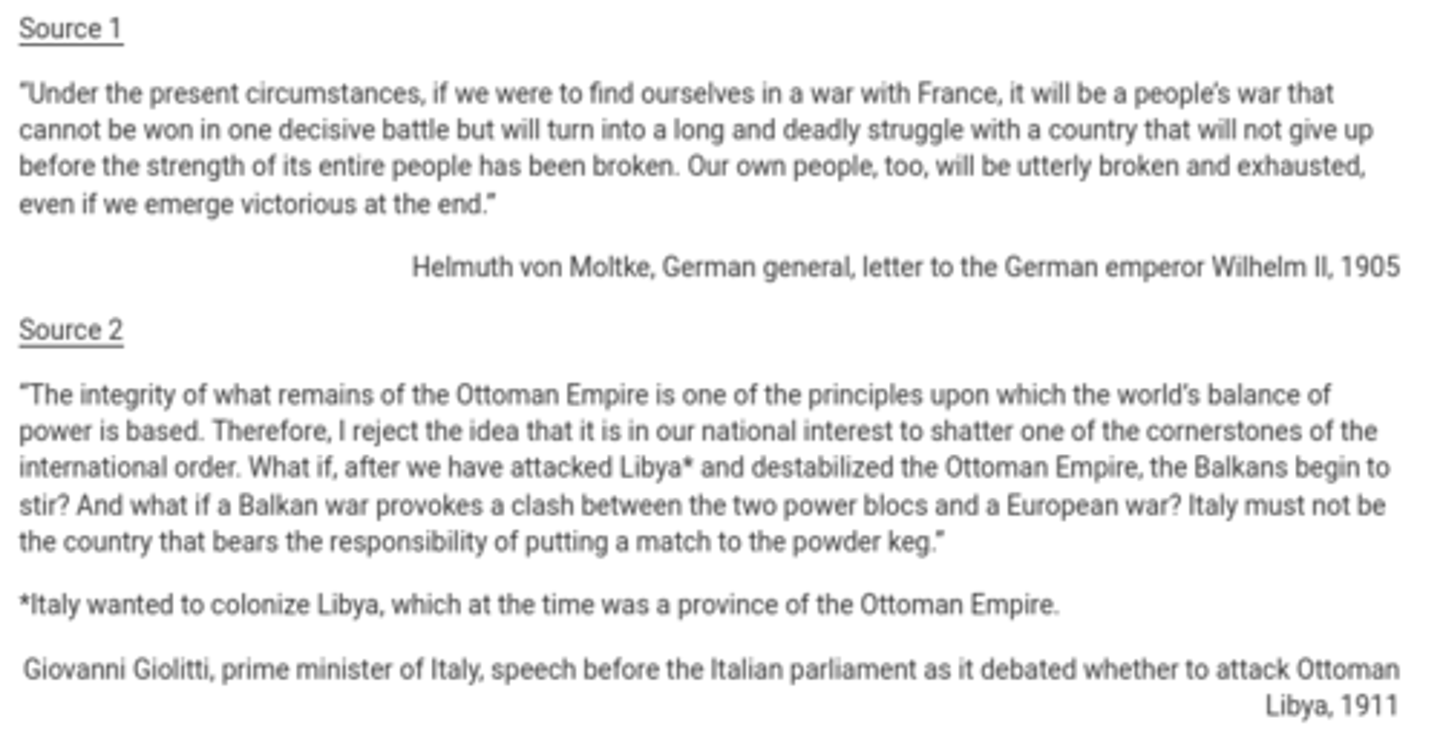
Giolitti's concerns in Source 2 about the potential consequences in the Balkans are most directly explained by which of the following developments in Europe in the late nineteenth and early twentieth centuries?
European states entered into military alliances with each other that forced them to come to their allies' aid in the event of conflict with a nonallied state.
3 multiple choice options
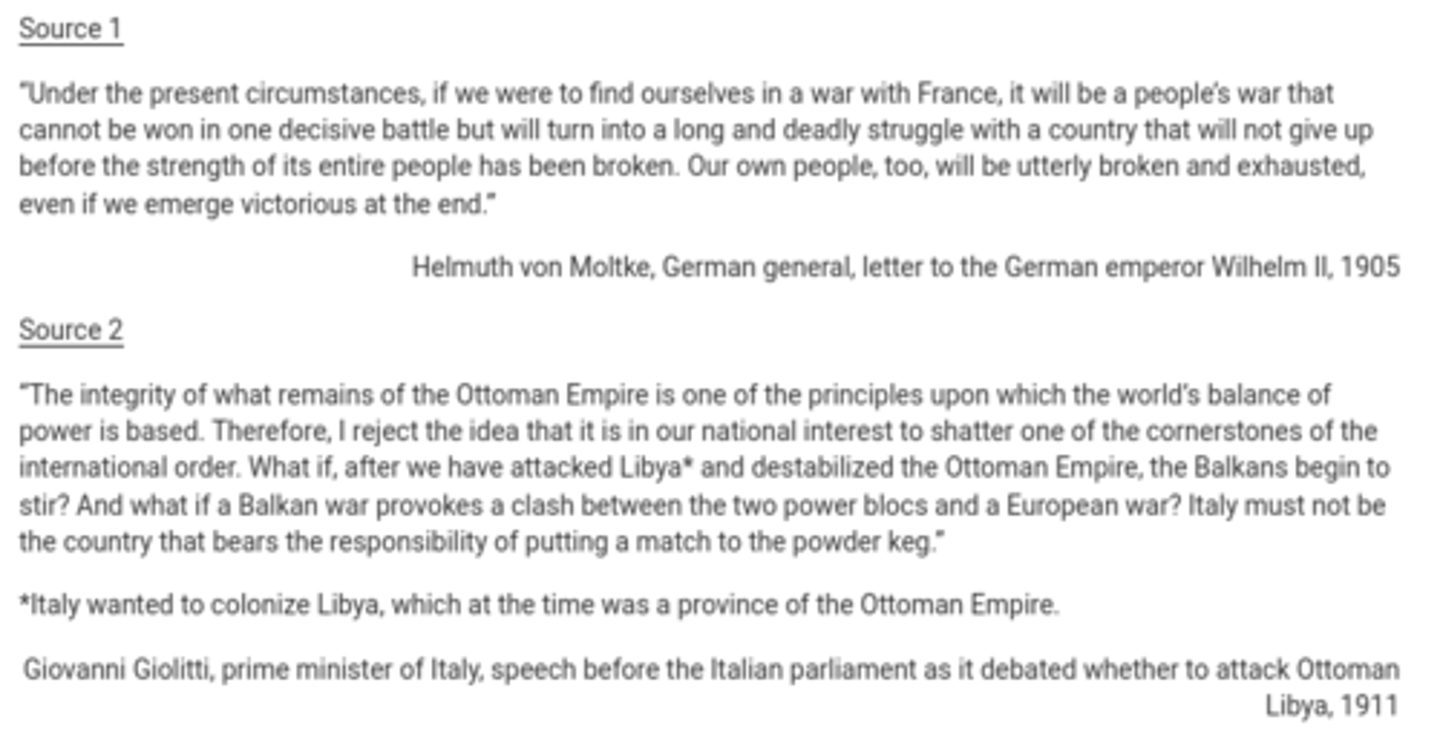
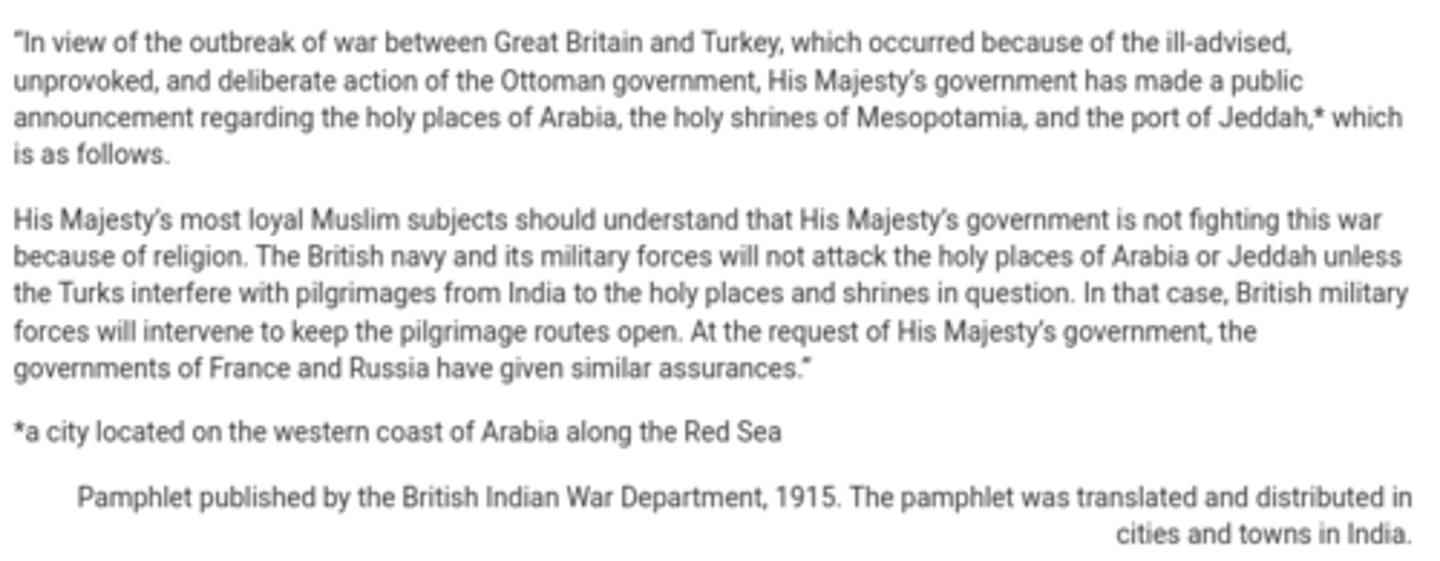
The Ottoman Empire likely entered into the conflict referred to in the passage because
it had lost significant territory to other European states in the nineteenth century
3 multiple choice options
Which of the following factors contributed most significantly to the contraction of the Ottoman Empire in the nineteenth century?
Independence movements inspired by ethnic nationalism
3 multiple choice options
In the excerpt above, Mustafa Kemal is most clearly supporting which of the following?
Nationalism
3 multiple choice options

Which of the following best explains the changes in Map 2?
European imperialism and increasing ethnic nationalism
3 multiple choice options
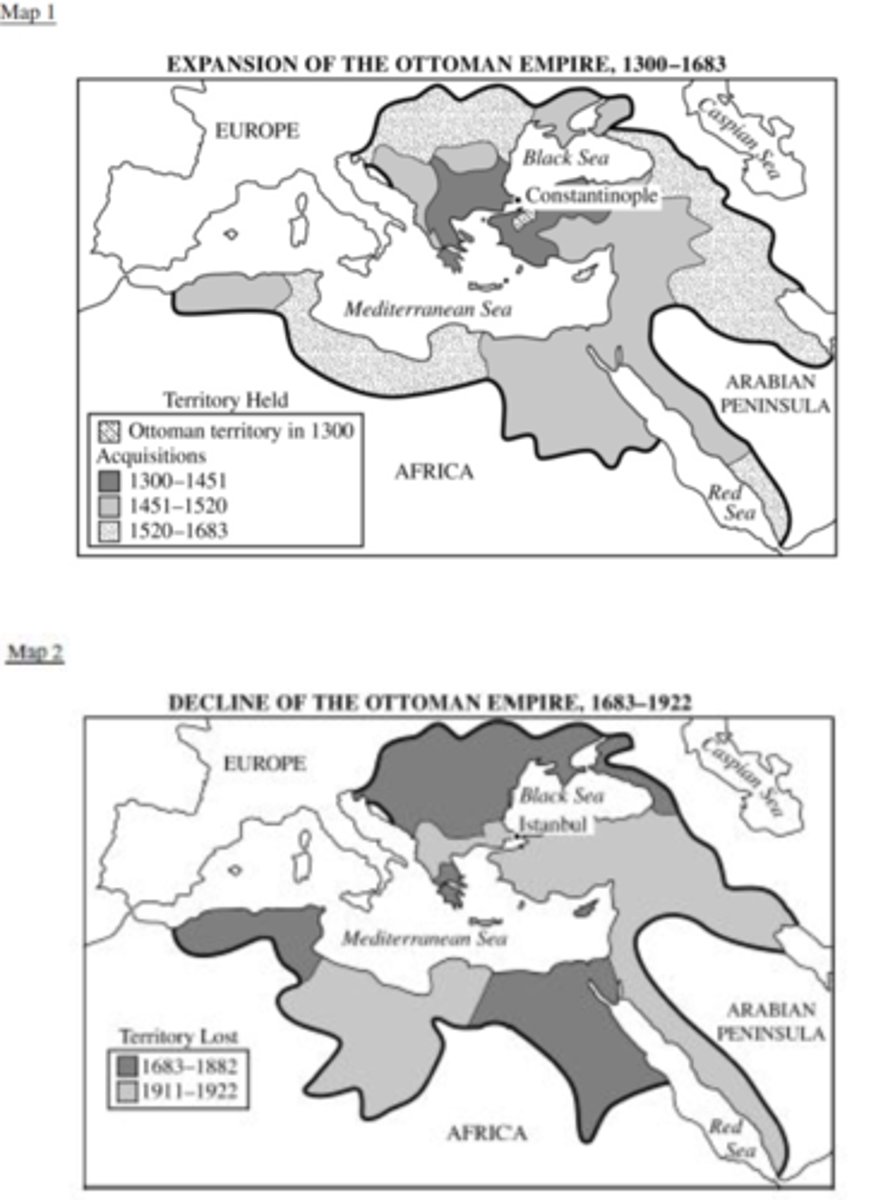
The changes in Map 1 were mostly a result of which of the following?
The decline of surrounding empires and the Ottoman Empire's use of gunpowder weapons09p;