Final: Plant Diversity & Ecology
 Call Kai
 Learn
Learn Practice Test
 Spaced Repetition
 Match
Match Flashcards
 Knowt Play
1/126

There's no tags or description
Looks like no tags are added yet.
Name | Mastery | Learn | Test | Matching | Spaced | Call with Kai |
|---|
No analytics yet
Send a link to your students to track their progress
127 Terms
Gymnosperms
Cycaadophyta (Cycads), Ginkophyta (Ginkgos), Pinophyta (Conifers), Gnetophyta (Gnetophytes)
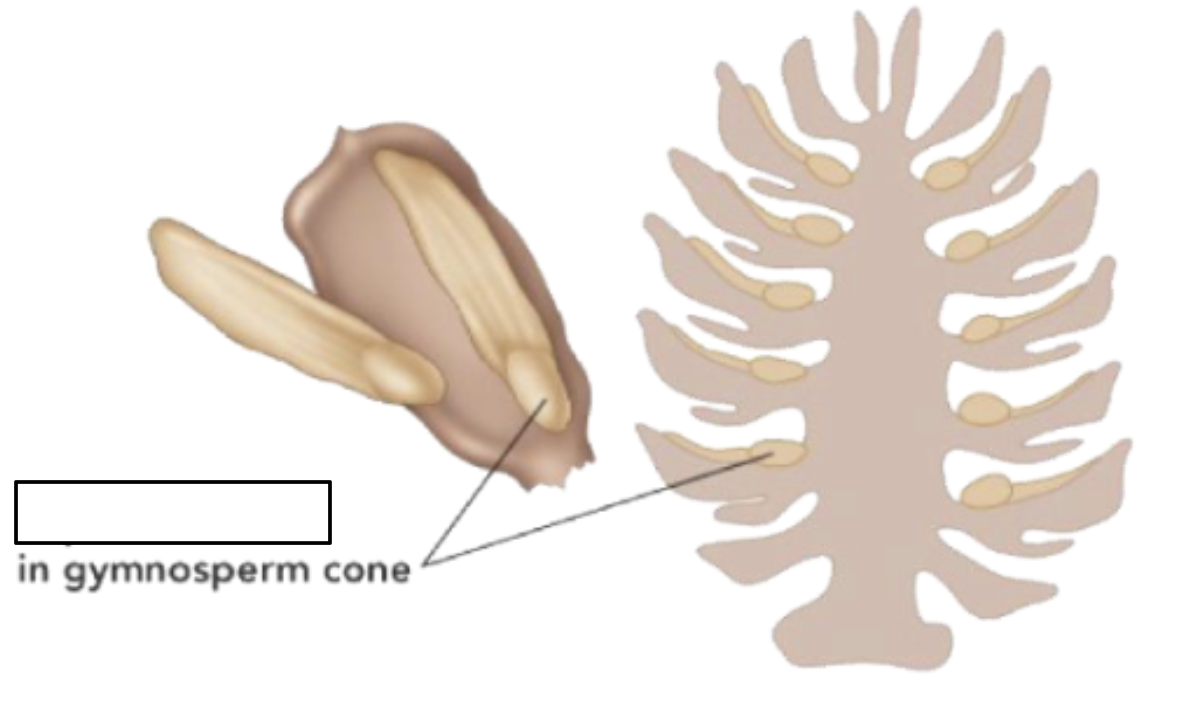
Exposed seeds
What does gymno mean? What does sperm mean?
naked, seed
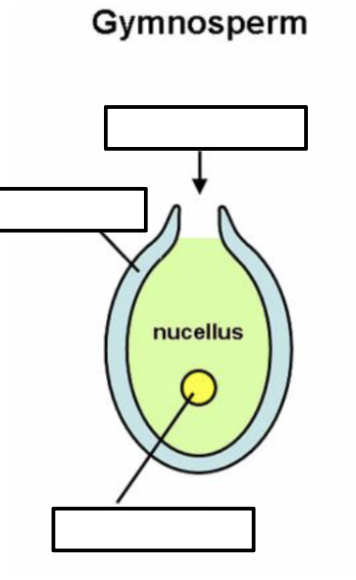
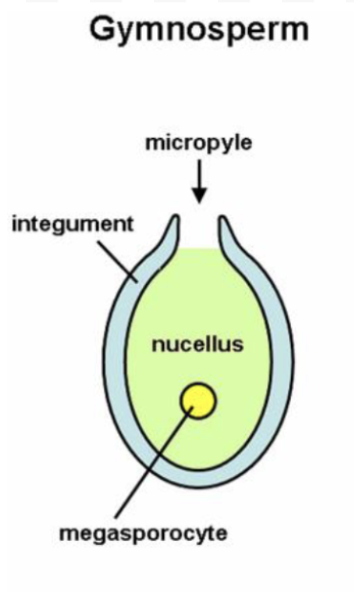
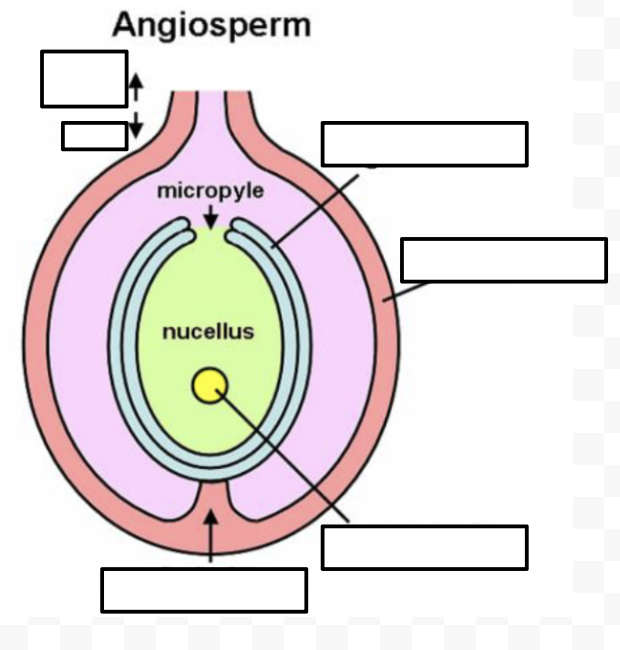
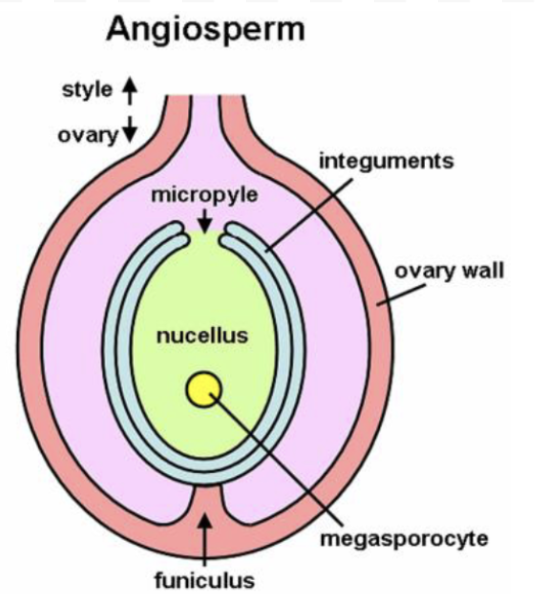
Gymnosperm seeds are surrounded by a seed coat
integument
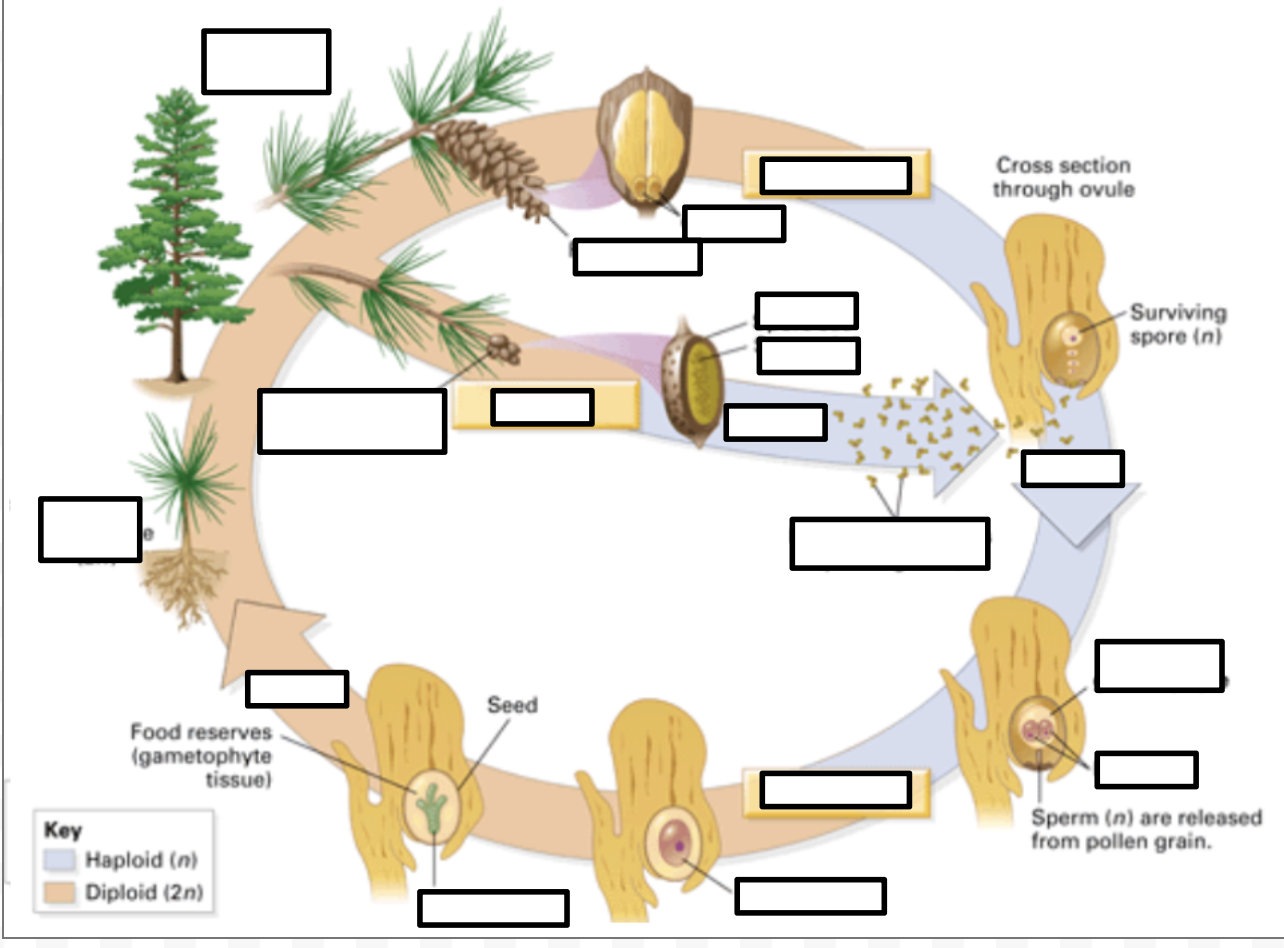
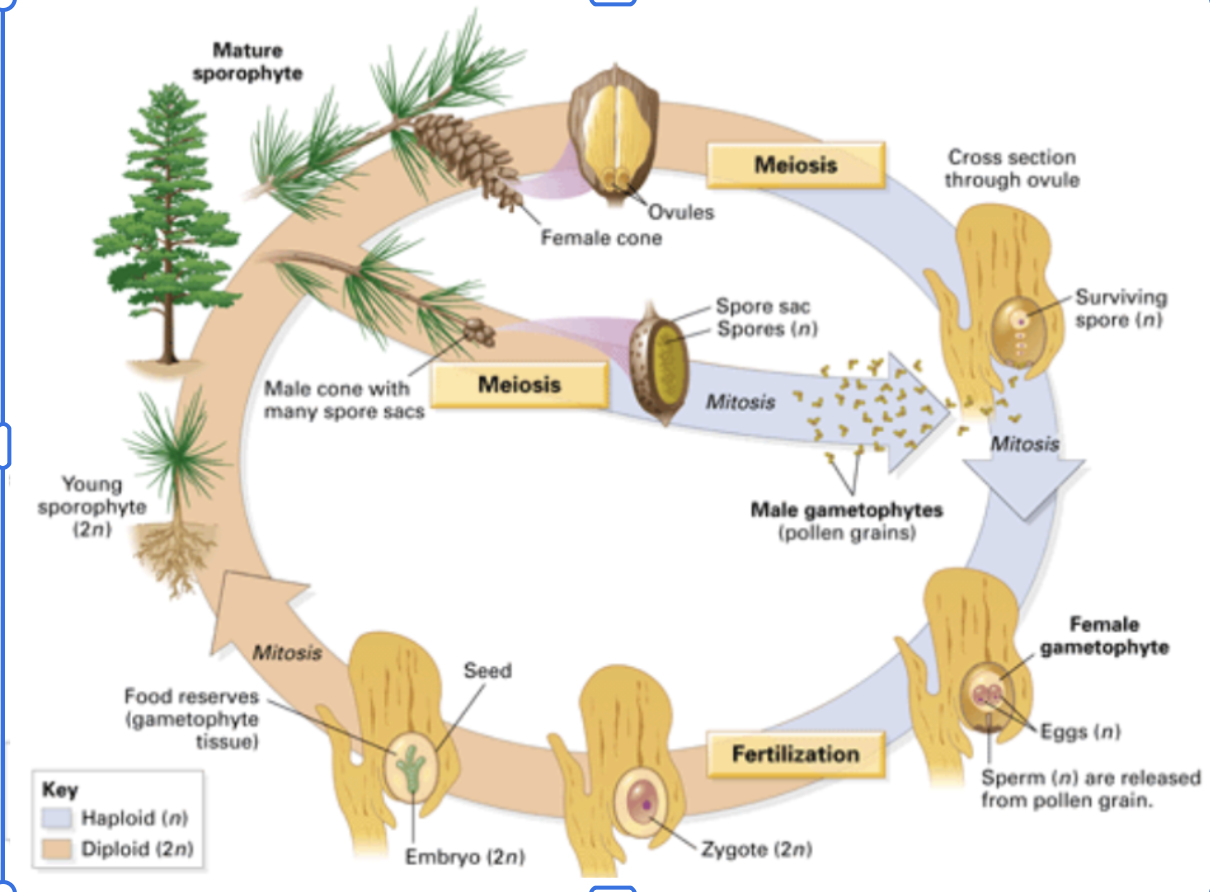
Gymnosperm life cycle
Female gametophyte (seed) receives nutrition from and is protected by the sporophyte until it is mature
Are cycads threatened or abundant?
All therented or endangered however was abundunt and dierse during the dinosaur ages
Are cycads dioecious or monoecious
dioecious
Cycads have large or small cones? And what are they called?
large cones (Strobili)
cycads leaf morphology
pinnately compound
Cyads are distributed mostly in
sub-tropics and tropics (1 native to South Florida)
Cyads are pollinated by
Beetles
Ginkgos are ____ on the planet
oldest plant species
Ginkgos are dioecious or monoecious
dioecious
are ginkgos deciduous or evergreen
deciduous (exposed seeds)
Ginkgo female seeds contians what acid that produces a putrid smell
Butyric acid
Ephedra stems contain the stimulant ___
ephedrine
Ephedra is dioecious or monoecious
dioecious
Ephedra is common in what habit
desert shrubs
Conifers are most common and abundant in what?
gymnosperms
What is so special about conifers?
largest, tallest, and oldest organisms
Examples of conifers
firs, cedars, cypresses, junipers, redwoods, pines, spruces, yews and hemlocks
Where is the pine family located mostly
northern hemisphere
Are pines dioceious or evergreen
evergreen
pines leaf shape
needle like
pine needles are produced on ___ called ___
short branches, fascicles
each pine bundle of needles is surrounded by
bud scales
are pines dioecious or monoecious
monoecious
pine pollen is produced by
small, ephemeral male cones
how is pine pollen dispersed
wind
seeds are produced in
larger female cones (often winged)
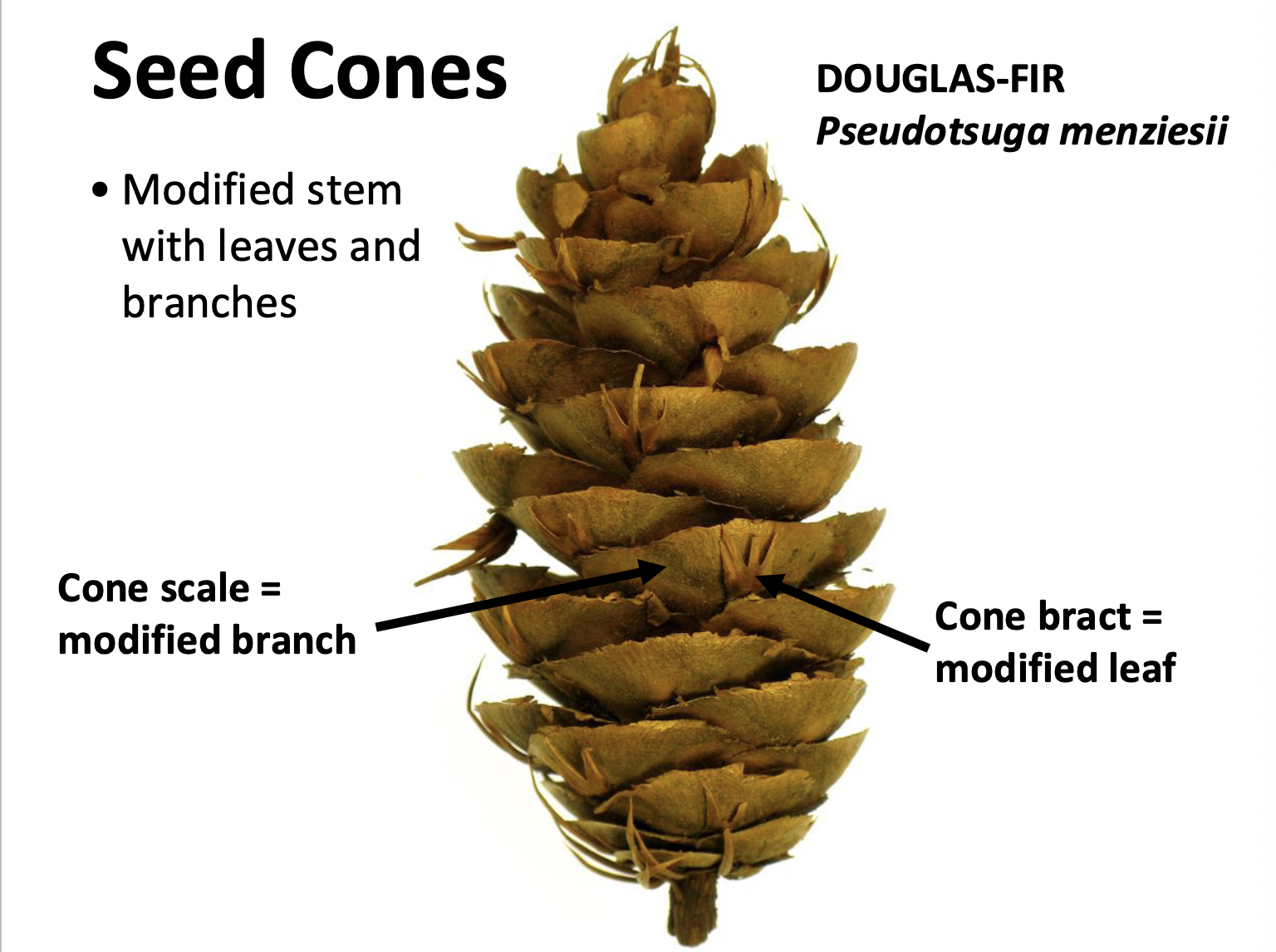
monoecious meaning
individual trees produce both male and female cones
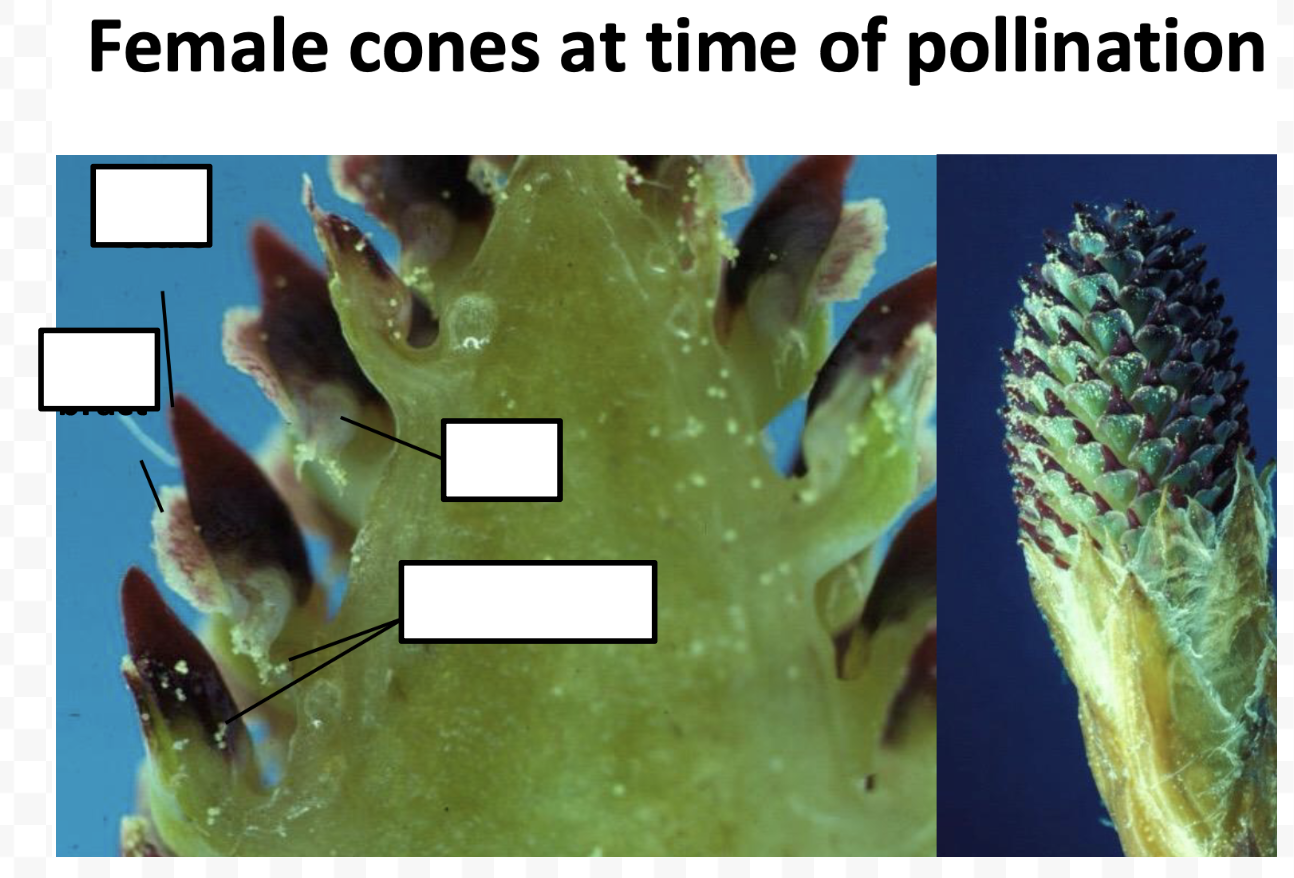
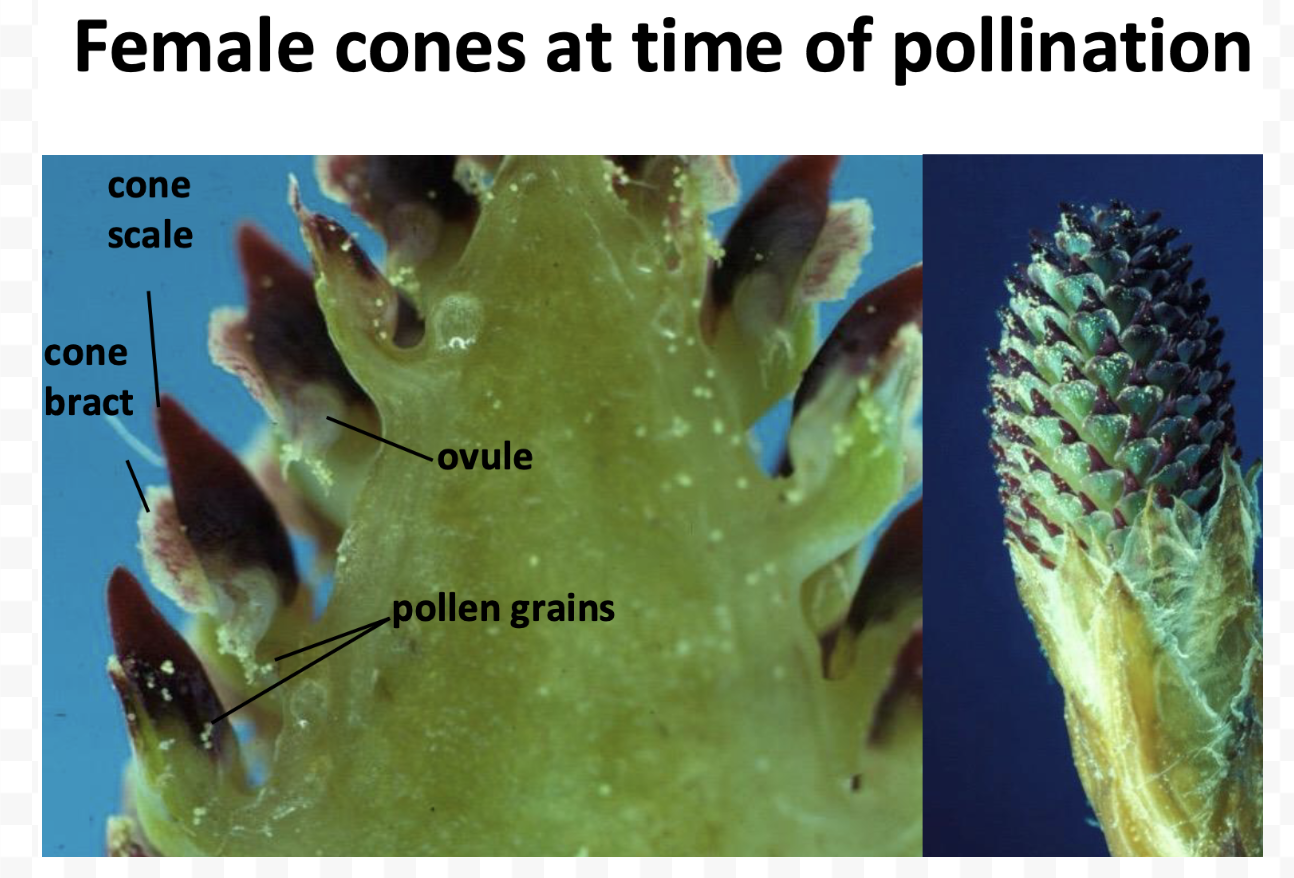
female cones can mature in _ years
2
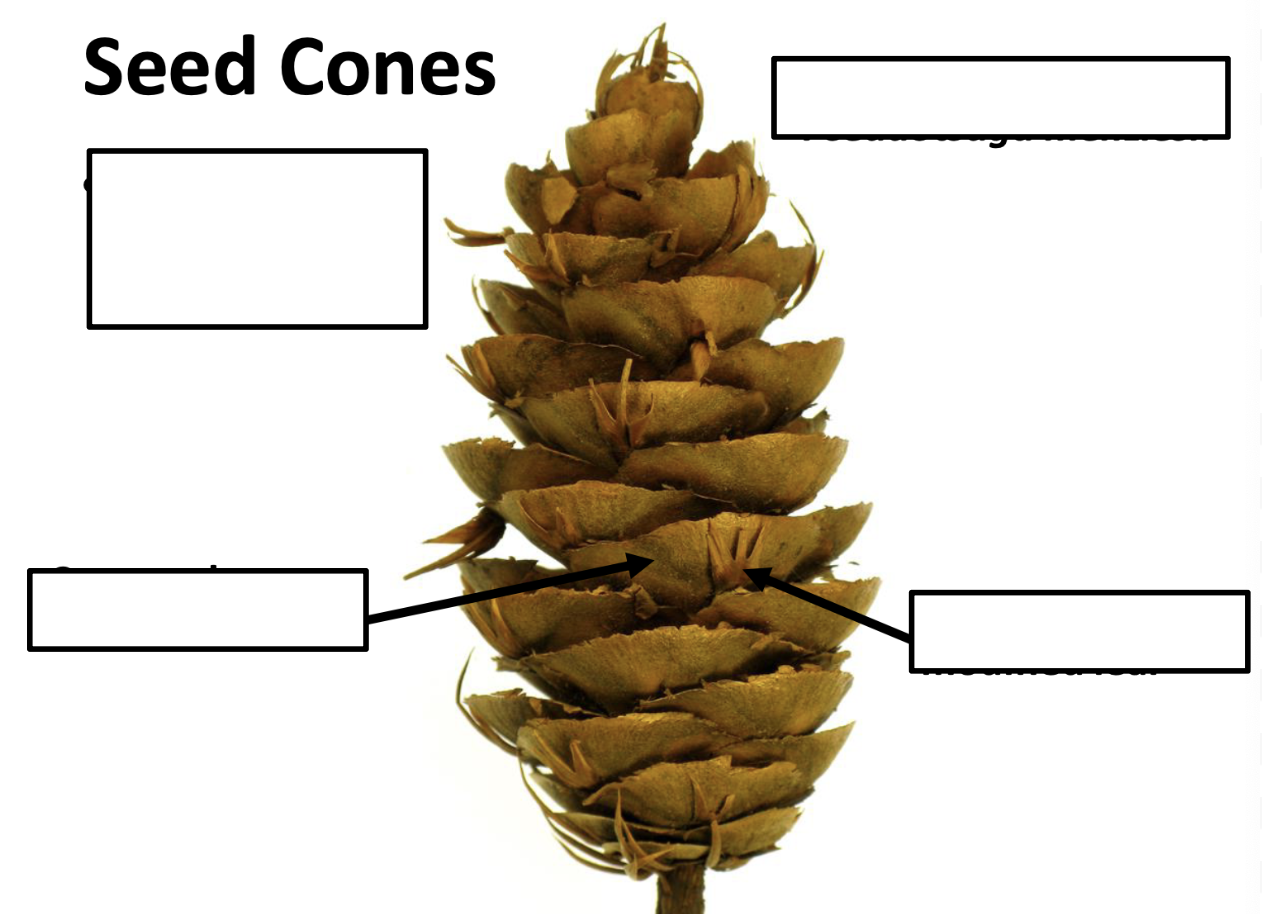
Female cone scales are
persistent, woody, may have a prickle (umbo)
umbo
prickle on female cone
_ seeds are on each pine cone scale
2
seeds have a ____ usually several times longer than the seed
membranous wing
What is the oldest tree in California
5064 years, Bristlecone Pine (Pinus longaeva)
what is the california state tree
coast redwood
what lumber is the most commercially valuable softwood
redwood (gymnosperm wood)
what type of trees are the tallest trees on earth
coast redwood (>380 feet)
what is the coast redwood distrubtion
occupy fog belt
Is Patagonian cypress abundant or threatened
threatened and rare
grasslands form ecotones with
coastal scrub, chaparral, oak woodland
grasslands are doinated by members of the grass family called
Poaceae
What are some of california’s native grasses
Small fescue, purple needle grass, melic grass
grass is herbaceous or woody
herbaceous
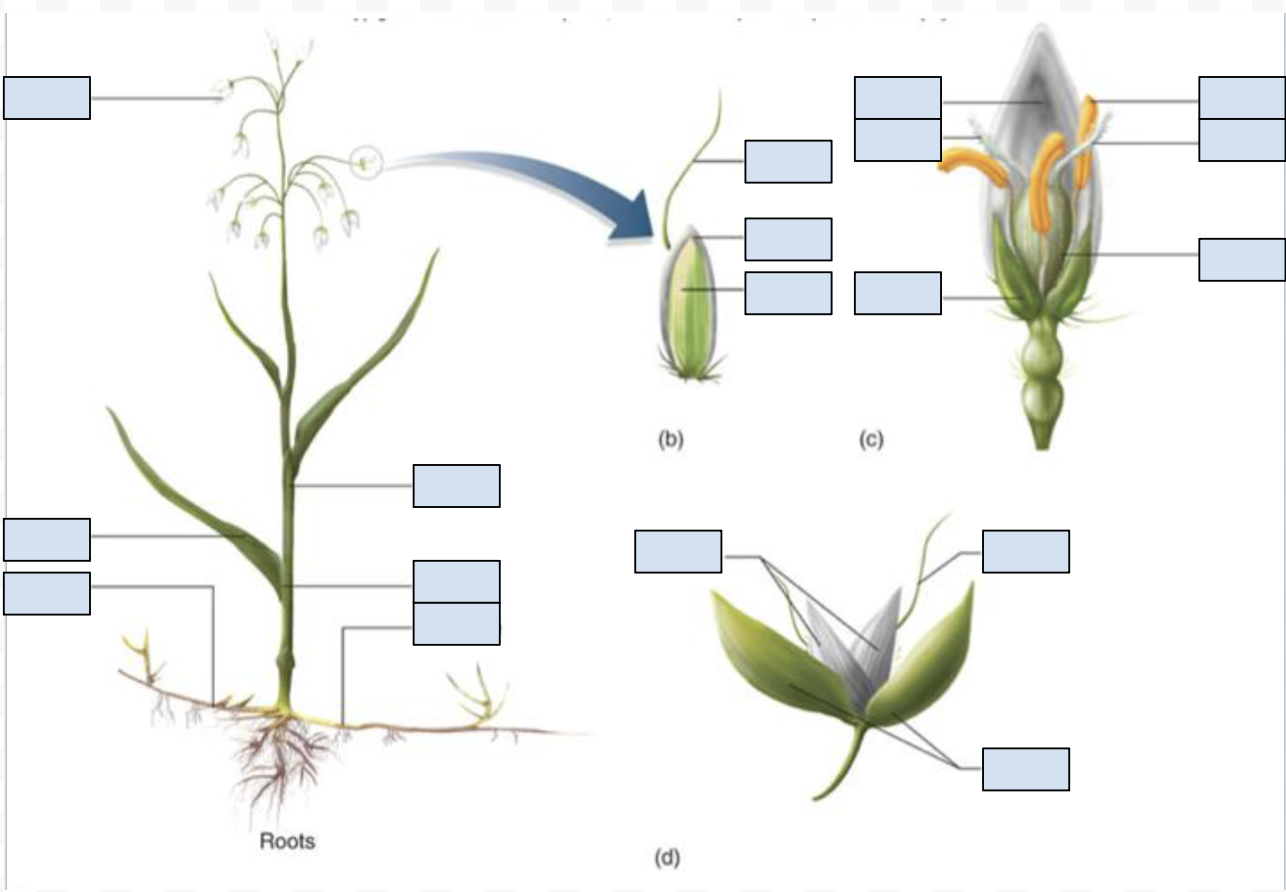
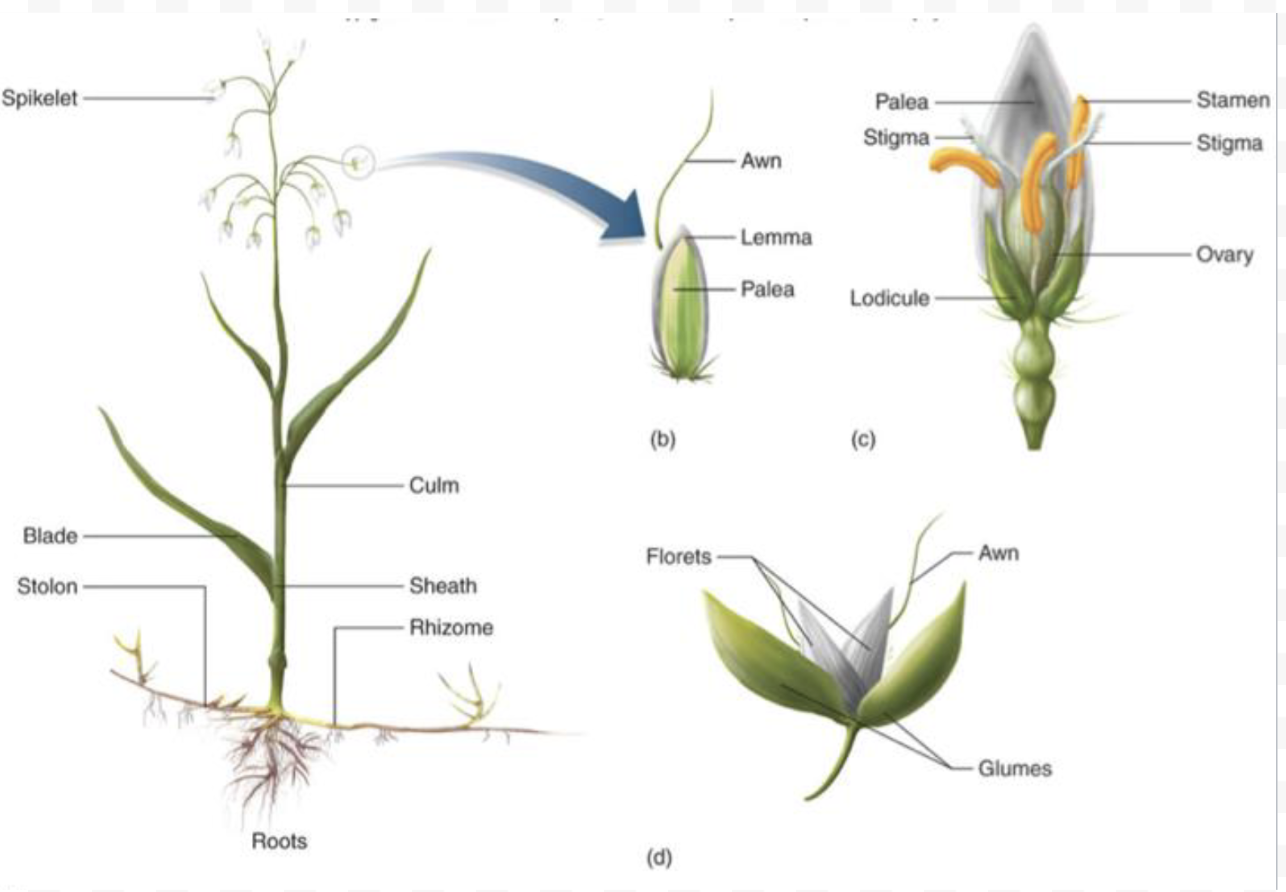
grass leaf arrangement
alternate, distichous
grass leaf bases form __ that wraps around stem
sheath
___ stems between solid node
hallow
leaves grow form __between the nodes
intercalary meristems
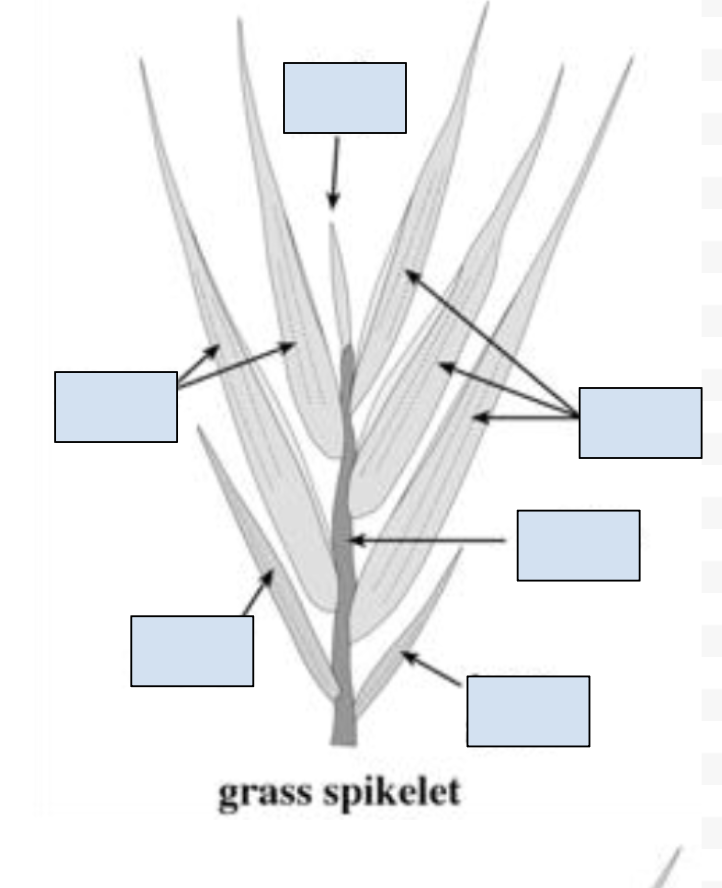
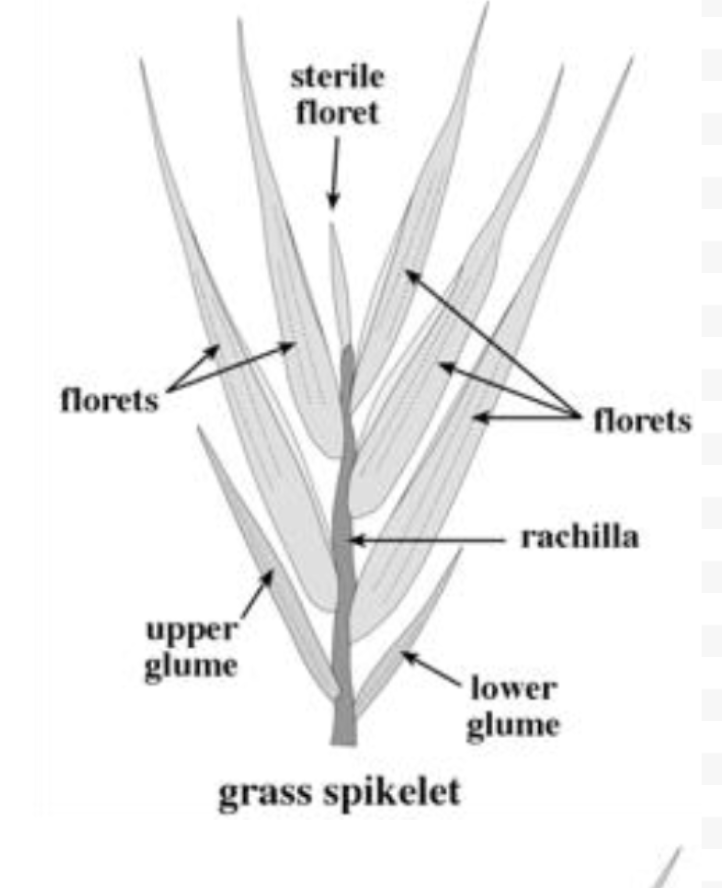
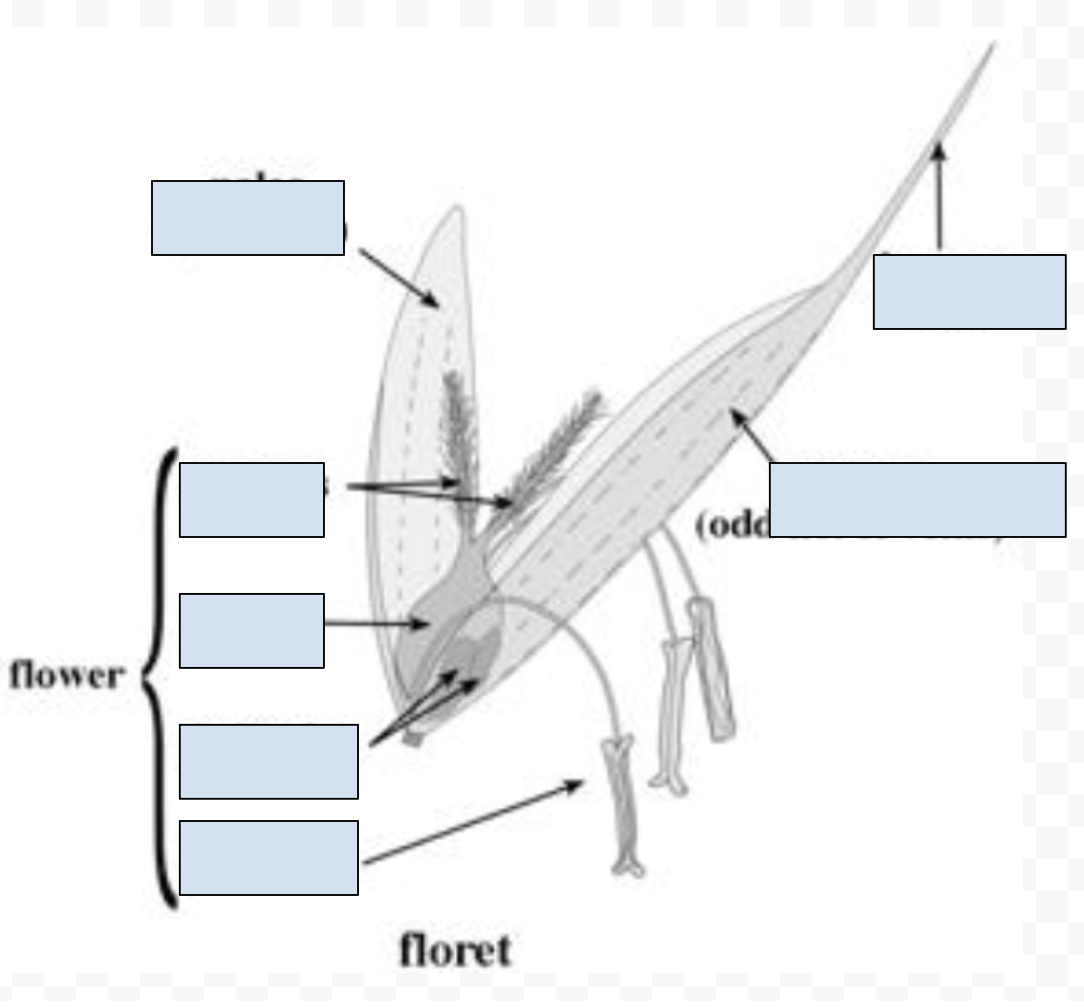
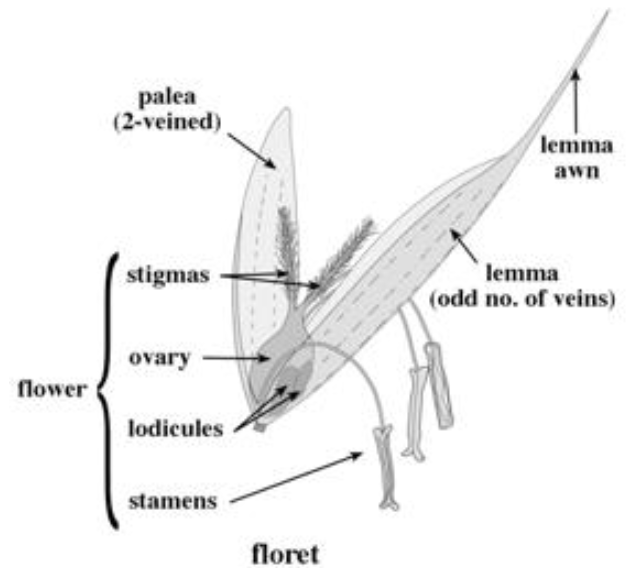
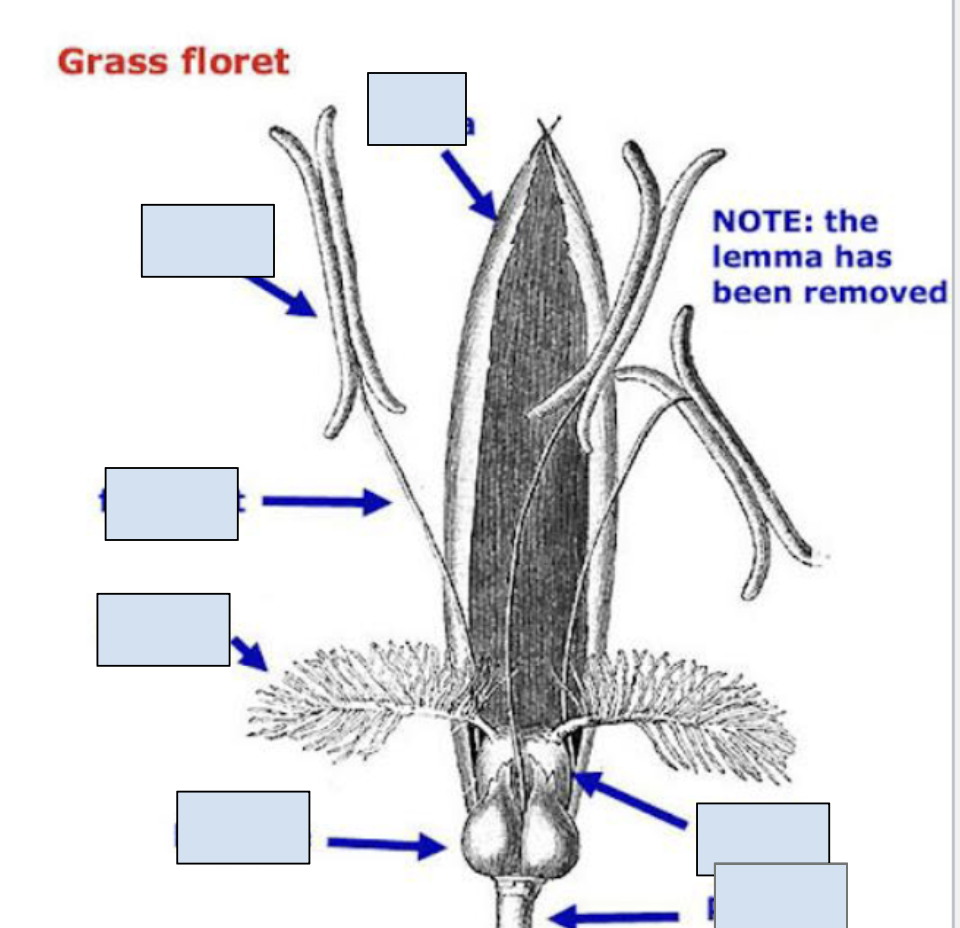
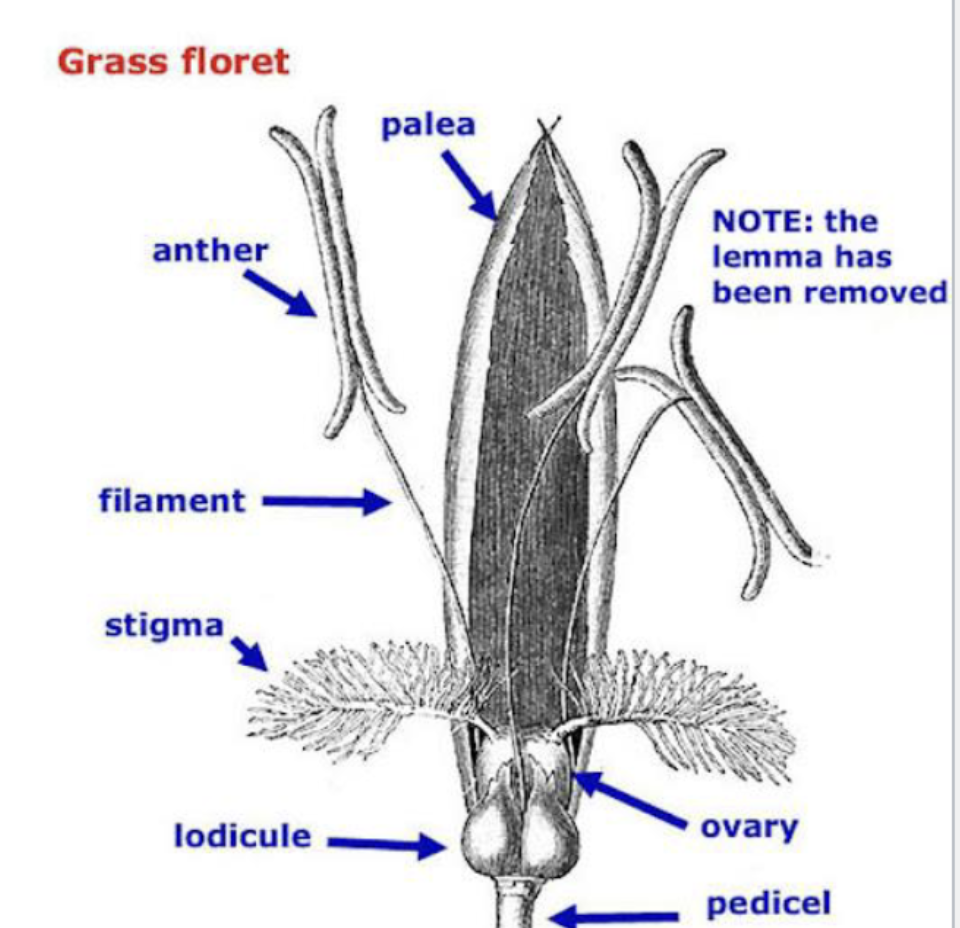
floret contain
2 bracts + flower
2 bracts =
lemma and palea, surround each flower
modified perianth (expand and push lemma and palea apart)
lodicules
Awn
a bristle on a glume or lemma
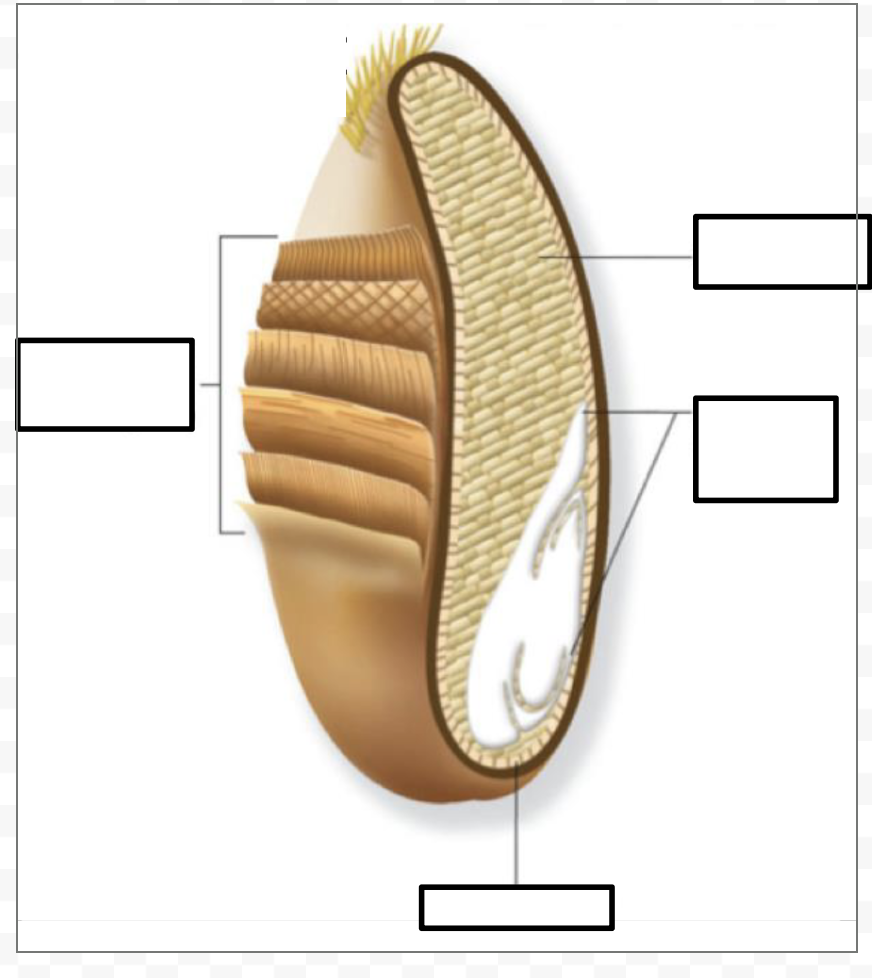
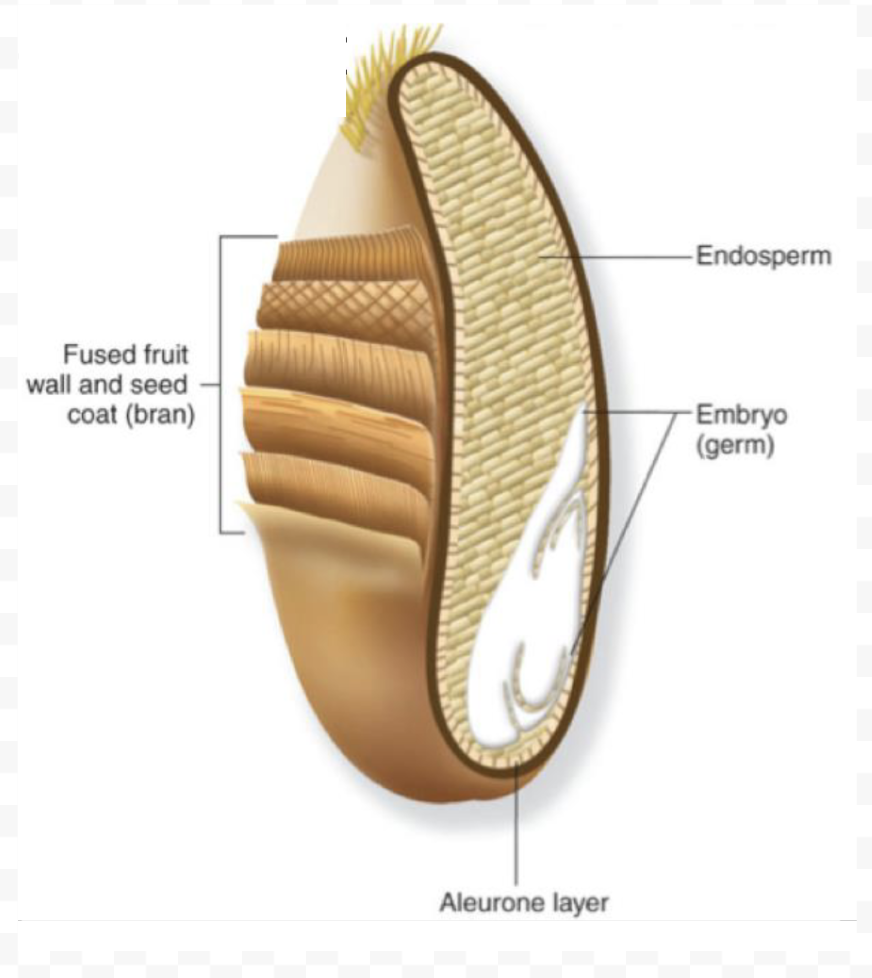
bran
pericarp + seed coat
germ
embryo
caryopsis
one-seeded dry fruit with the pericarp fused to the seed coat
pre-colonial california grasslands were dominated by
perennial bunch grasses
example of non native grasses
Wild oats, ripgut brome, italian rye grass, foxtail barley
What are some reasons of the grassland invasion by non native grasses
urban development, agriculture, overgrazing by cattle, annuals reproduce quickly, competition from invasive non-native grasses (mostly from Europe)
forbs
herbaceous non-grassy plants
vernal pools
Depressions in a flat plain underlain by a clay pan or hardpan soil layer that promotes long-term pooling of water
over time, vernal pools dry up …
exposing more and more soil in successive rings
Geophytes
Fleshy stems underground store water and energy
bulbets
some reproduce “clones” via small bulb leaves
Chaparral forms ecotones with
grasslands, coastal scrub, woodlands, and deserts
chaparral dominants most
stiffly branched evergreen shrubs or small trees
overlapping shrub canopies form a
dense, impenetrable tangle
Mature chaparral stands lack
an herbaceous understory
Shrubs have hard dense leaves
sclerophylls
sclerenchyma
Thick and leathery with internal bracing tissues
Sclerophyll Leaf: Epidermis covered with
thick waxy cuticle layer (waterproof)
Sclerophyll Leaves do not
wilt under drought conditions
chapparal with tough, leathery, and hard evergreen leaves adapted to survive dry climates, heat, and nutrient-poor soils
Scelerophylls
Chaparral Soils
Usually very low in nutrients. Often coarse and rocky, sometimes on sand, Most mineral nutrients become incorporated into stems and leaves of the shrubs
Chaparral recovery after fire
regrowth can be rapid because some plants have fire-resistant underground structures
enlarged woody base with dormant buds at soil level
Lignotubers
Pyrophytes
fire followers, A flush of herb species generally occurs in the spring growing season following a chaparral burn
what germinates after a fire
dormant seeds of fire followers
Natural selection
plants evolve traits that ensure survival in the wild
Artificial selection
traits are selected by humans to suit their needs (These traits may be detrimental to survival in the wild)
sativa rice
sticky, great for sushi, using chopsticks
indica rice
fluffy, main variety consumed in Western cuisines
top food crops globally that are grass
sugar cane, maize, rice, wheat, barley
How do pathogens get inside plants?
1. Moisture on leaves
2. Cuticle (waxy leaf coating)
3. Root hairs
How can pathogens subvert the cuticle?
1. Stomata (pores in leaves)
2. Wounds
3. Cutinase (digests wax)
4. Aphid transmission
Plant Defenses against Herbivory
• Reinforce Cuticle
• Trichomes (hairs)
• Spines, Thorns, Prickles
• Recruitment of ants
• Chemical Defenses
Secondary Metabolites
Organic compounds that are not directly involved in the normal growth, development or reproduction of plants
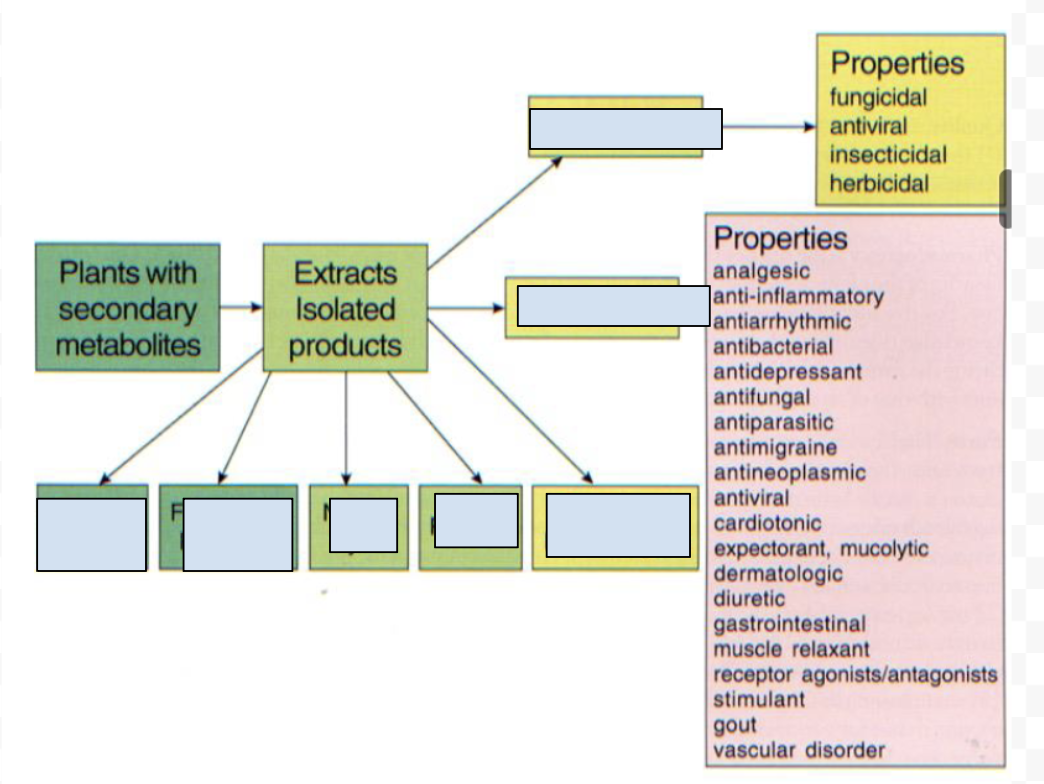
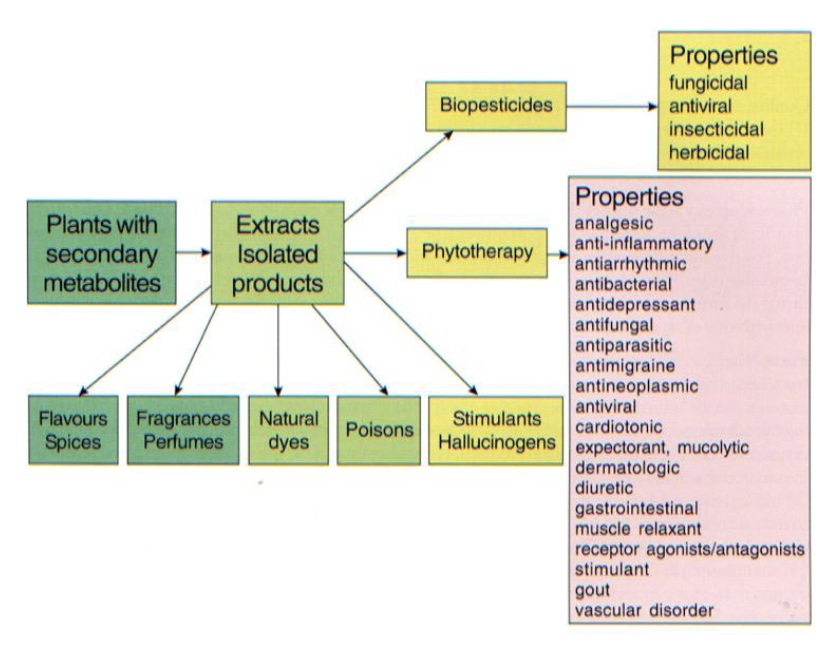
Secondary metabolite functions
1) Protection from herbivores and pathogens
2) Attracting pollinators